Zitierbare Zitatkarte
Letterpress-Karten aus Text, mehrsprachig
Zitierbare Zitatkarte
Letterpress-Karten aus Text, mehrsprachig
Einblicke
Beschreibung
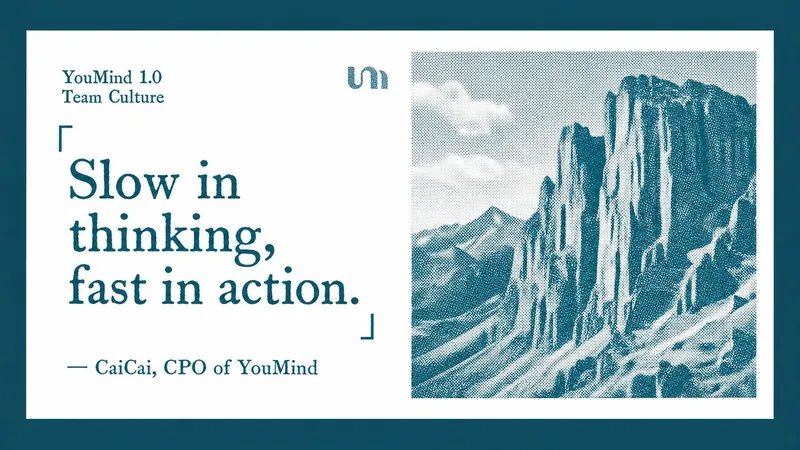
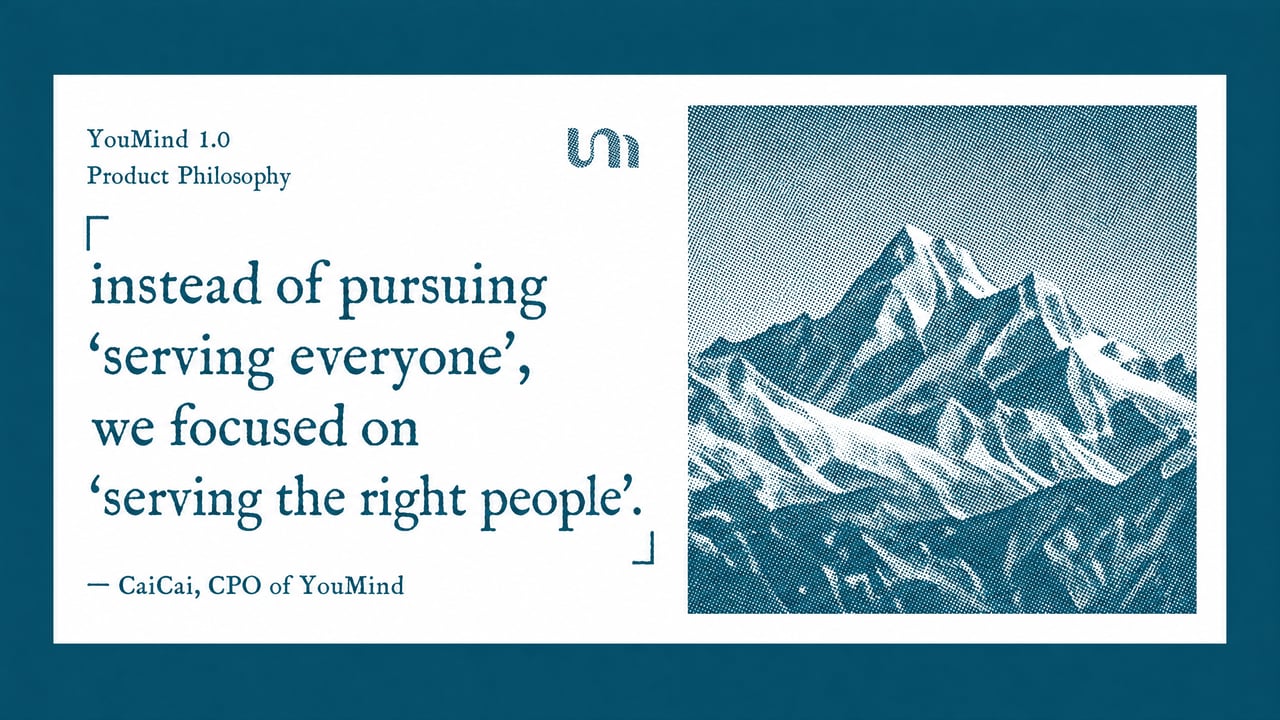
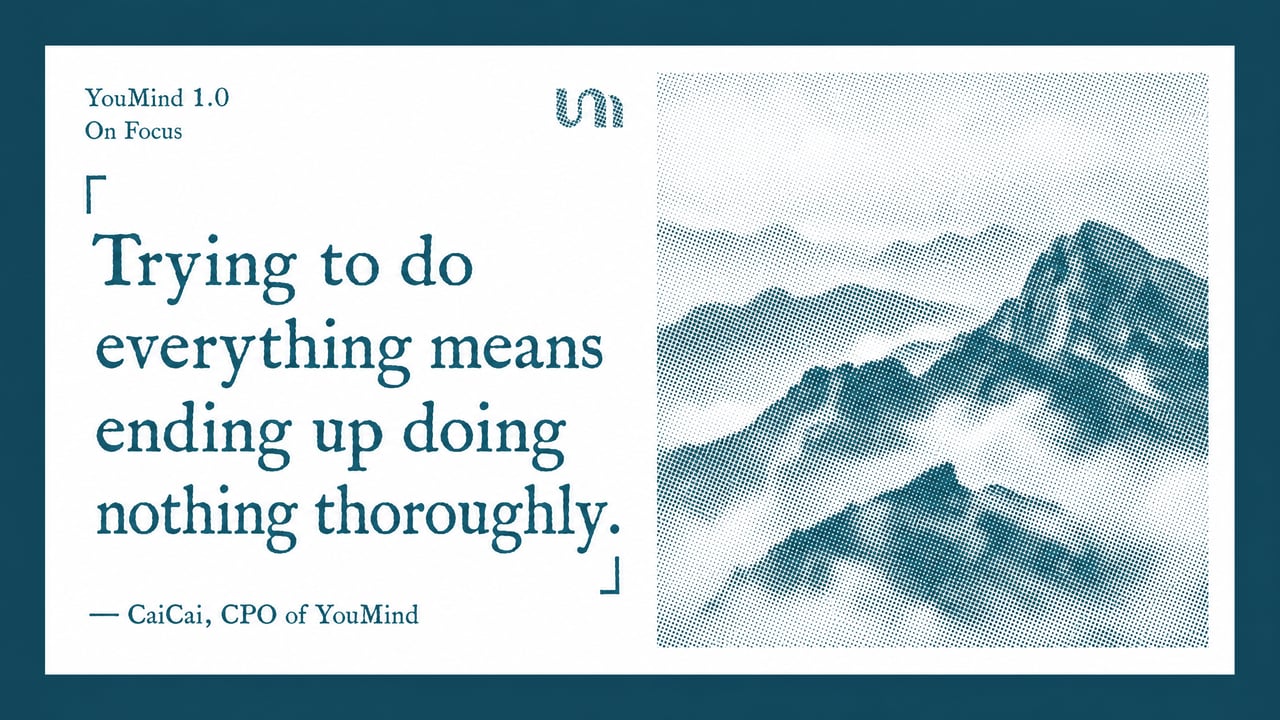
Verwandle deine Lieblingszitate und erkenntnisreichen Passagen in wunderschön gestaltete Karten im Letterpress-Stil. Dieser Skill ist darauf spezialisiert, „goldene Zitate“ aus beliebigen Artikeltexten, Web-URLs oder Dokumenten, die du bereitstellst, zu extrahieren und anschließend eine Reihe eleganter, horizontaler Zitatkarten mit einer Vintage-Druckästhetik zu erstellen. Jede Karte hat einen rein weißen Hintergrund, auf dem dein gewähltes Zitat links präsentiert wird, gestaltet mit authentischen Letterpress-Unvollkommenheiten wie Tintenlücken und ungleichmäßigen Strichen. Auf der rechten Seite sorgt ein markantes Halbton-Landschaftsfoto – von nebligen Bergrücken bis zu schneebedeckten Gipfeln – für einen Hauch von natürlicher Ruhe, alles getönt in einer anspruchsvollen Akzentfarbe. Ob du nun Weisheiten aus einem langen Bericht kuratierst oder die wichtigsten Erkenntnisse aus einem Online-Artikel hervorhebst, dieses Tool stellt sicher, dass jede Karte ein konsistentes, raffiniertes Design behält. Es platziert jede erstellte Zitatkarte durchdacht wieder in ihrem ursprünglichen Kontext innerhalb deines Dokuments oder eines neu erstellten Artikels, sodass es einfach ist, tiefgründige Ideen mit einem zeitlosen visuellen Reiz zu teilen oder wieder aufzugreifen.
Empfohlen von
Shuting@YouMind
Warum wir diese Fähigkeit empfehlen
Verwandeln Sie Texte und Artikel in elegante Letterpress-Zitatkarten. Die unverwechselbare Vintage-Ästhetik kombiniert Halbton-Berglandschaften mit spezialisierter mehrsprachiger Typografie, um anspruchsvolle, druckreife Visuals für Ihre wirkungsvollsten Erkenntnisse zu schaffen.
Ähnliche Fähigkeiten
Alle anzeigen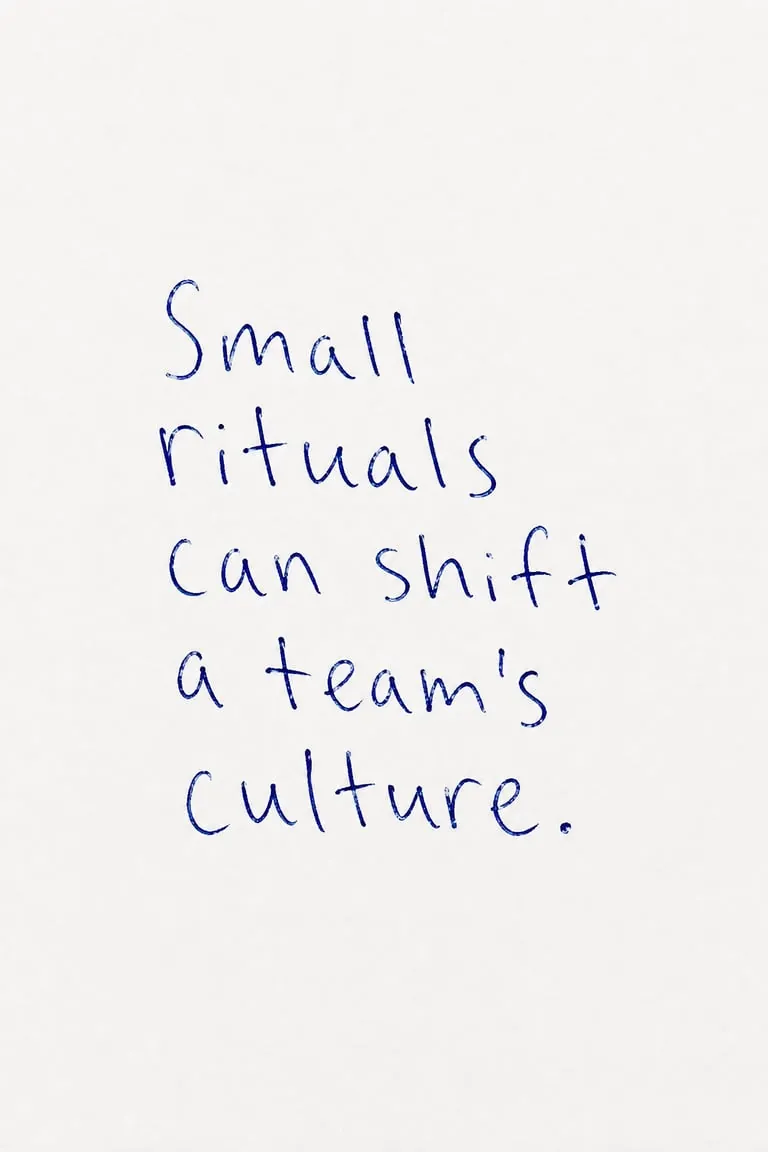
Text zu handschriftlichem Bild
Verwandle einen Text in eine prägnante, bedeutungsvolle Formulierung und ein natürlich wirkendes handschriftliches Zitatbild. Diese Fähigkeit erkennt die Kernaussage in persönlichen Gedanken, Meinungen, Gefühlen, Fakten, Ankündigungen, Anweisungen und anderen kurzen Inhalten und verfeinert sie zu einer kurzen Zeile, die die ursprüngliche Bedeutung ohne Übertreibungen oder erfundene Aussagen bewahrt. Sie kann in der Ausgangssprache arbeiten, sodass das Ergebnis leicht zu lesen und für eine handschriftliche Darstellung geeignet ist. Du prüfst und bestätigst die überarbeitete Formulierung, bevor ein Bild erstellt wird. Nach der Freigabe wird der bestätigte Text zum alleinigen Inhalt eines minimalistischen Bildes: dunkelblaue Kugelschreiberschrift auf sauberem weißen oder dezent warmen Papier, mit großzügigem Freiraum und einem lockeren, leicht unregelmäßigen handschriftlichen Charakter. Natürliche Variationen bei Ausrichtung, Buchstabengröße, Schreibdruck, Tintendichte, Textur und kleine unterbrochene Tintenstellen verleihen dem Ergebnis das Gefühl echter Schrift statt einer makellosen digitalen Schriftart. Nutze die Fähigkeit für Zitatkarten in sozialen Medien, persönliche Gedanken, einprägsame Kernaussagen, kurze Notizen oder hervorgehobene Botschaften, die von einer persönlichen, analogen Optik profitieren. Das fertige Bild hält die Formulierung klar und präzise und vermeidet zusätzlichen Text, dekorative Elemente, Unordnung oder Wasserzeichen.
 Bild
BildStudio für Motivationsposter
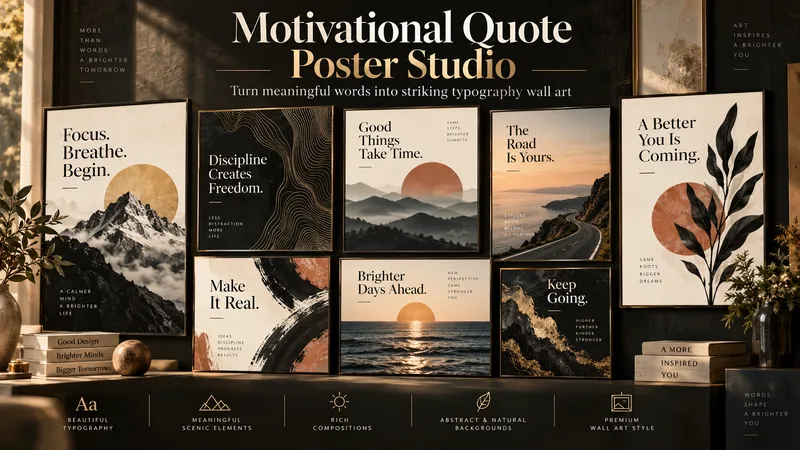
Verwandle eine motivierende Idee, ein Zitat oder ein Gefühl in ausdrucksstarke typografische Wandkunst, die für echte Innenräume gestaltet ist. Das Studio für Motivationsposter verbindet Zitatfindung, Typografie, Komposition, symbolische Bildsprache und künstlerische Leitung, um Poster zu erstellen, die wie echte Wandkunst aus einem Designgeschäft wirken – nicht wie gewöhnliche Zitatgrafiken für soziale Medien. Beginne mit deinem eigenen Zitat oder beschreibe einfach ein Thema wie Fokus, Mut, persönliches Wachstum, Frieden, Disziplin, Freiheit oder Kreativität. Wenn dir die passenden Worte noch fehlen, erstellt der Skill eine kuratierte Sammlung posterfertiger Zitate und Kombinationen mehrerer Zitate, aus denen du auswählen kannst. Sobald die Botschaft feststeht, analysiert der Skill ihre Bedeutung und übersetzt zentrale Ideen in eine visuelle Sprache. Ein Zitat über Berge kann Gipfelformen oder topografische Linien inspirieren. Eine Botschaft über das Meer kann fließende Formen, Horizonte oder atmosphärische Bildwelten beeinflussen. Themen wie Licht, Wachstum, Bewegung und Freiheit können selbst zu einem Teil der Komposition werden. Der Skill entwickelt automatisch: - Typografische Hierarchie und Textkomposition - Visuelle Motive, die aus der Bedeutung entstehen - Farb- und Hintergrundgestaltung - Künstlerische und redaktionelle Poster-Layouts - Abstrakte, illustrative, landschaftliche oder hybride Hintergründe - Ausdrucksstarke visuelle Kompositionen für dekorative Wandkunst - Drei unterschiedliche finale kreative Richtungen Die finalen Konzepte reichen von zurückhaltend und hochwertig bis hin zu kunstvoll und detailreich sowie ausdrucksstark und markant. Die Standardausgabe ist ein flaches Posterdesign – kein Mockup eines eingerahmten Raums –, damit der Fokus auf dem eigentlichen Design bleibt. Ob du einen ruhigen Büroprint, ein dramatisches Statement-Poster, ein künstlerisches Werk fürs Schlafzimmer oder ein kommerziell attraktives Wandkunst-Konzept suchst: Der Skill verwandelt Worte in ein vollständiges visuelles Erlebnis.
 Bild
BildYouMind Landingpage-Poster
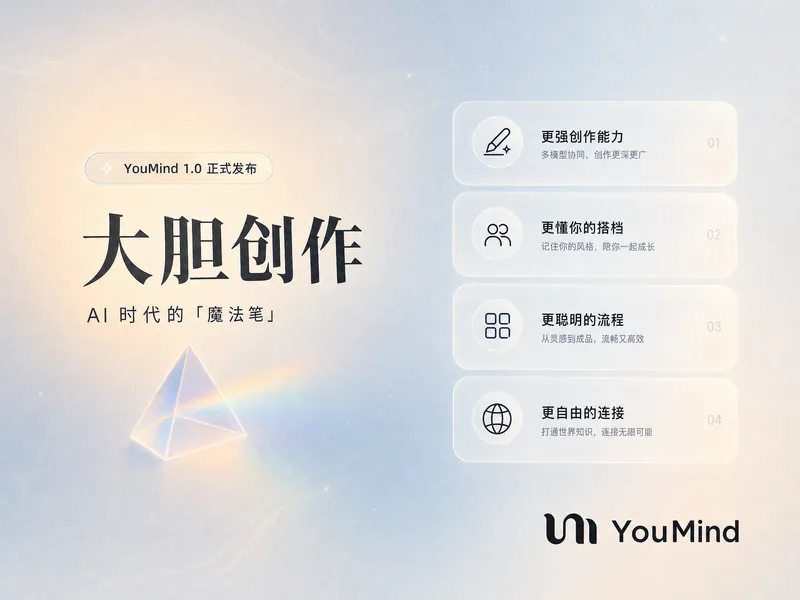
Verwandeln Sie Ihre Inhalte in eine beeindruckende visuelle Erzählung mit einem YouMind Landingpage-Poster. Dieser Skill erstellt wunderschöne Infografik-Poster mit einem einzigartigen Natural Retro-Futurismus-Look. Perfekt geeignet, um Schlüsseldaten, Projekthighlights oder Produkteigenschaften zu präsentieren – Ihre Informationen werden in einem eleganten und leicht verständlichen Format dargestellt. Dank einer ausgewogenen Farbpalette aus kühlen und warmen Tönen – einem hellen Graublau als Basis mit dezenten Beige-Pfirsich-Akzenten – verkörpert jedes Poster ein modernes UI-Gefühl. Erwarten Sie elegante Typografie: das autoritative Source Han Serif für Titel und eine klare serifenlose Schrift für den Fließtext, die Lesbarkeit gewährleistet. Das Layout verwendet ein dynamisches Bento-Grid, das Ihre Inhalte in visuell ansprechende Karten mit weichen Kanten und viel Freiraum anordnet – überladene Designs werden vermieden. Darüber hinaus integriert der Skill subtile Designelemente wie eine gleichmäßige feine Filmkörnung, impressionistische Darstellung und optionale Mattglas-Symbole für Ihre Datenpunkte. Ein einzelnes durchscheinendes Dreiecksprisma kann als eleganter Akzent hinzugefügt werden, während das offizielle YouMind-Logo stets dezent platziert wird, um die Markenkonsistenz zu wahren. Das Ergebnis ist ein professionelles, luftiges und modernes Infografik-Poster, das Ihre Botschaft effektiv kommuniziert.
Informationen
- Version
- v30
- Zuletzt aktualisiert
- Credits pro Ausführung
- Nach Verbrauch
- Modelle
- Automatisch