Tarjeta de citas Quotable
Genera tarjetas Letterpress multilingües.
Tarjeta de citas Quotable
Genera tarjetas Letterpress multilingües.
Vista previa
Descripción
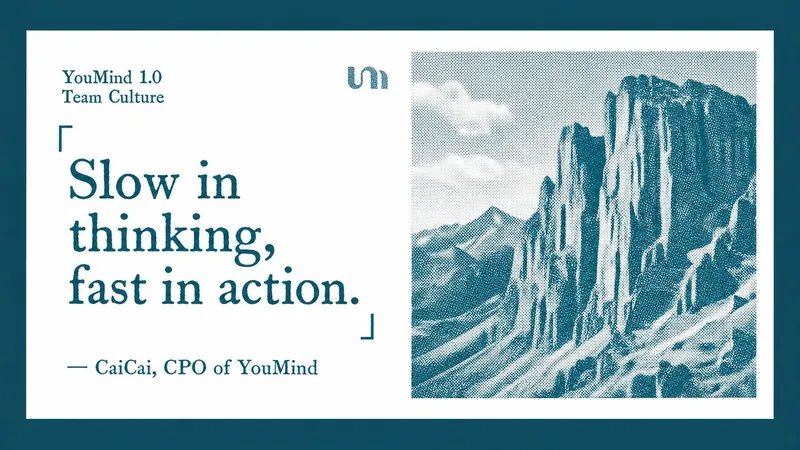
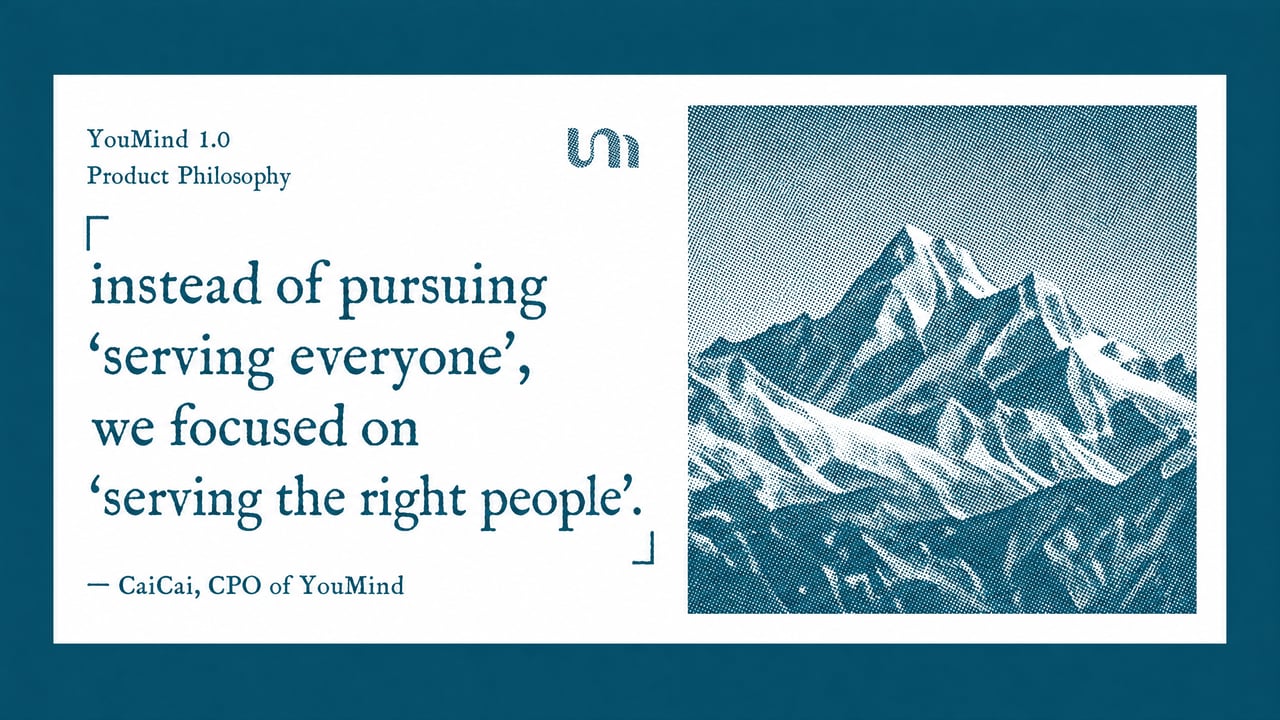
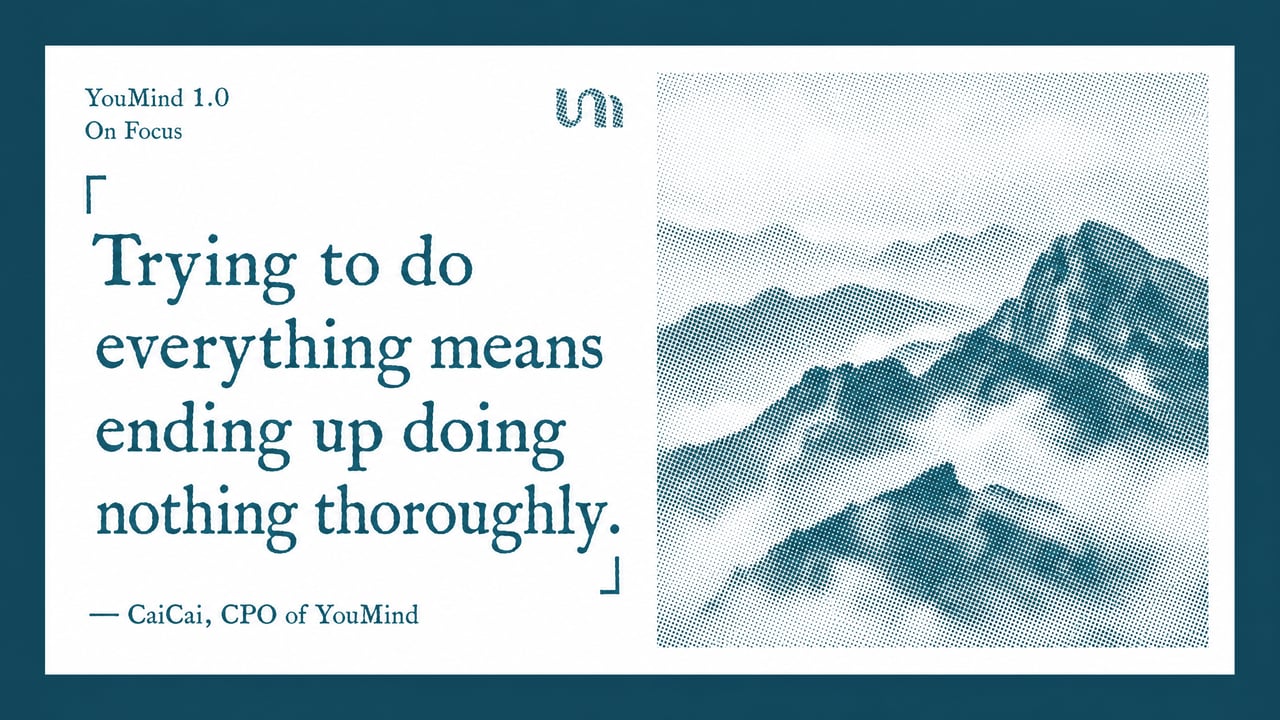
Transforma tus citas favoritas y pasajes perspicaces en hermosas tarjetas estilo letterpress. Esta habilidad se especializa en extraer 'citas destacadas' de cualquier artículo, URL de página web o documento que proporciones, para luego generar una serie de elegantes tarjetas horizontales con una estética de impresión vintage. Cada tarjeta tiene un fondo blanco puro, mostrando tu cita a la izquierda, con imperfecciones auténticas de letterpress como vacíos de tinta y trazos irregulares. A la derecha, una fotografía de paisaje en semitonos distintiva —desde crestas montañosas brumosas hasta picos nevados— añade un toque de serenidad natural, todo teñido con un sofisticado color de acento. Ya sea que estés recopilando sabiduría de un informe extenso o resaltando conclusiones clave de un artículo en línea, esta herramienta garantiza que cada tarjeta mantenga un diseño consistente y refinado. Coloca cuidadosamente cada tarjeta de cita generada de nuevo en su contexto original dentro de tu documento o en un artículo recién creado, lo que facilita compartir o revisitar ideas profundas con un atractivo visual atemporal.
Recomendado por
Shuting@YouMind
Por qué recomendamos esta habilidad
Convierte textos y artículos en elegantes tarjetas de citas letterpress. Su estética vintage distintiva combina paisajes montañosos en semitonos con tipografía multilingüe especializada para crear imágenes sofisticadas de calidad de impresión para tus ideas más impactantes.
Habilidades relacionadas
Ver todo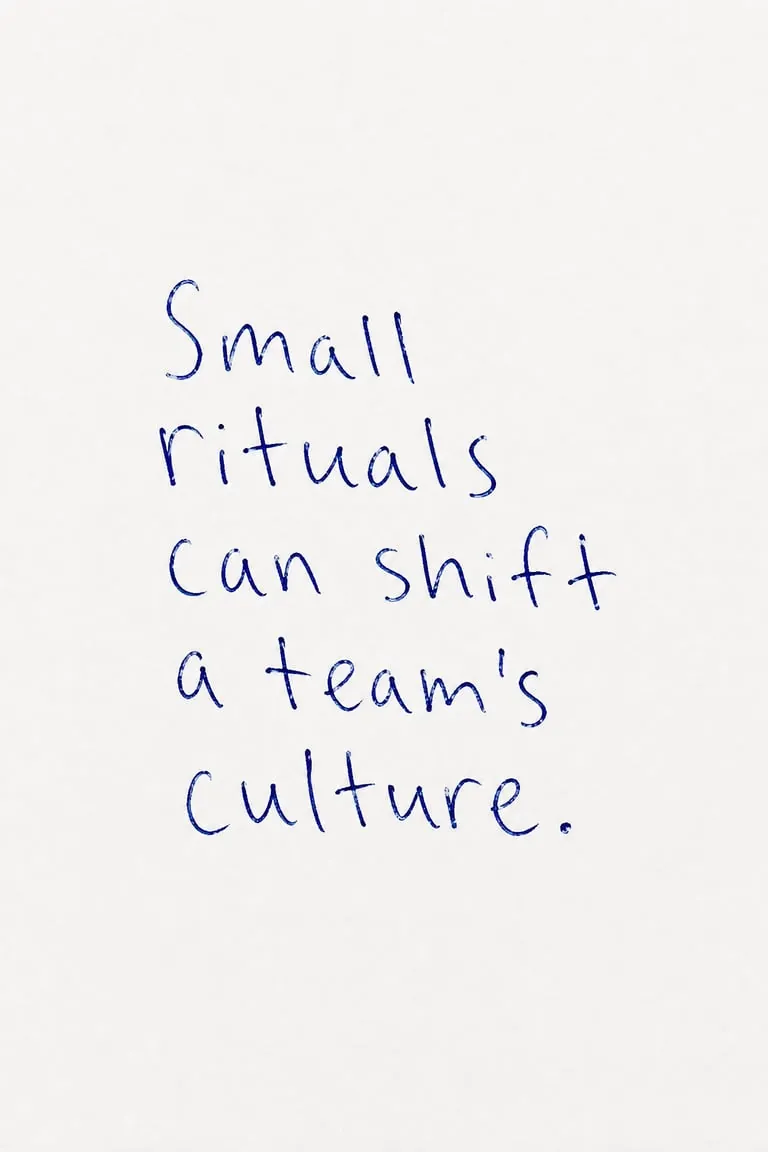
De texto a imagen manuscrita
Convierte un texto en una frase breve y significativa y en una imagen de cita manuscrita de apariencia natural. Esta habilidad identifica el mensaje central en reflexiones personales, opiniones, emociones, datos, anuncios, instrucciones y otros contenidos breves, y luego lo refina en una línea corta que conserva el significado original sin exageraciones ni afirmaciones inventadas. Puede trabajar en el idioma de origen, para que el resultado sea fácil de leer y adecuado para una presentación manuscrita. Revisas y confirmas la redacción refinada antes de crear cualquier imagen. Una vez aprobada, el texto confirmado se convierte en el único contenido de una imagen minimalista: escritura con bolígrafo azul oscuro sobre papel blanco limpio o sutilmente cálido, con abundante espacio negativo y un estilo manuscrito relajado y ligeramente irregular. Las variaciones naturales en la alineación, el tamaño de las letras, la presión, la densidad de la tinta, la textura y pequeñas áreas de tinta interrumpida dan al resultado la sensación de una escritura real, en lugar de una tipografía digital pulida. Úsala para tarjetas de citas en redes sociales, reflexiones personales, aprendizajes memorables, notas breves o mensajes destacados que se beneficien de una apariencia íntima y analógica. La imagen final mantiene el texto claro y preciso, sin agregar texto adicional, elementos decorativos, saturación visual ni marcas de agua.
 Imagen
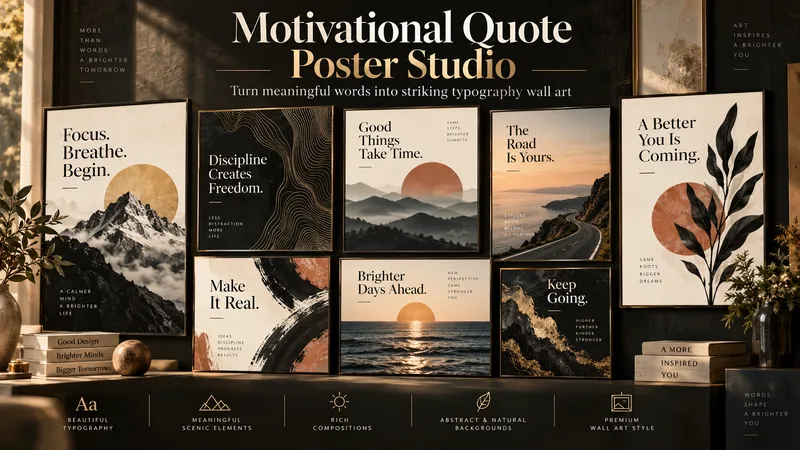
Póster motivacional
Convierte una idea motivacional, una frase o una emoción en arte mural tipográfico visualmente impactante, diseñado para espacios interiores reales. Póster motivacional combina la búsqueda de frases, la tipografía, la composición, las imágenes simbólicas y la dirección artística para crear pósteres que parecen auténticas piezas de diseño para pared, no gráficos genéricos con frases para redes sociales. Comienza con tu propia frase o describe un tema como enfoque, valentía, crecimiento, paz, disciplina, libertad o creatividad. Si aún no tienes las palabras adecuadas, el Skill genera una colección seleccionada de frases listas para póster y combinaciones de varias frases para que elijas. Una vez seleccionado el mensaje, el Skill analiza su significado y convierte las ideas clave en lenguaje visual. Una frase sobre montañas puede inspirar formas de cumbres o líneas topográficas. Un mensaje sobre el mar puede influir en formas fluidas, horizontes o imágenes atmosféricas. Temas como la luz, el crecimiento, el movimiento y la libertad pueden formar parte de la composición misma. El Skill desarrolla automáticamente: - Jerarquía tipográfica y composición del texto - Motivos visuales guiados por el significado - Dirección del color y el fondo - Diseños de póster artísticos y editoriales - Fondos abstractos, ilustrativos, paisajísticos o híbridos - Composiciones visuales ricas para arte mural decorativo - Tres direcciones creativas finales distintas Los conceptos finales van desde diseños refinados y premium hasta propuestas artísticas, ricas y llamativas. El resultado predeterminado es una pieza gráfica de póster plano, no un montaje en una habitación con marco, para que el foco permanezca en el diseño mismo. Ya sea que quieras una impresión serena para la oficina, un póster llamativo, una pieza artística para el dormitorio o un concepto de arte mural atractivo comercialmente, el Skill convierte las palabras en una experiencia visual completa.
 Imagen
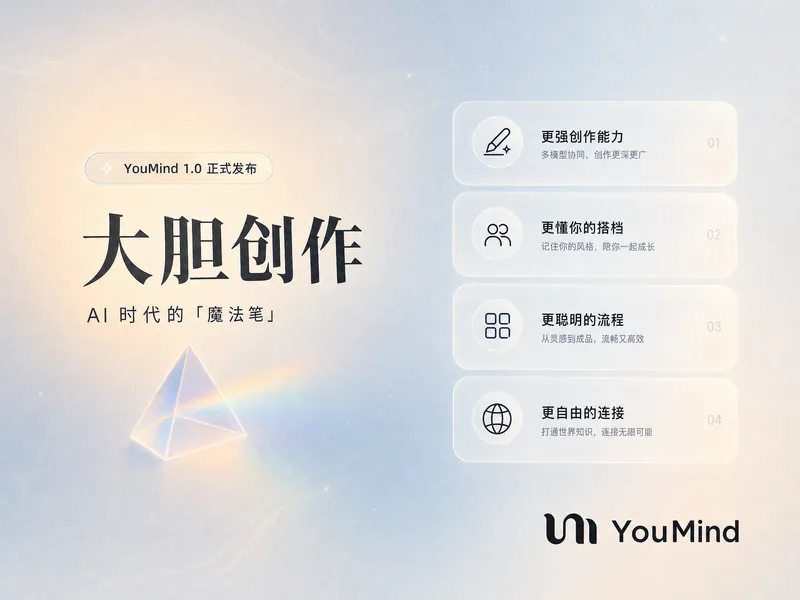
Póster de landing page YouMind
Transforma tu contenido en una narrativa visual impactante con un Póster estilo landing page de YouMind. Esta habilidad crea hermosos pósters infográficos que captan la atención con una estética natural retro-futurista única. Perfecto para mostrar datos clave, aspectos destacados de proyectos o características de productos, tu información se presentará en un formato sofisticado y fácil de digerir. Aprovechando una paleta de colores equilibrada entre fríos y cálidos con una base gris azulado claro y sutiles acentos en beige melocotón, cada póster transmite una sensación de interfaz moderna. Espera tipografía elegante, con Source Han Serif para títulos y sans-serif limpia para el cuerpo del texto, garantizando legibilidad. El diseño utiliza una cuadrícula Bento dinámica, organizando tu contenido en tarjetas visualmente atractivas de bordes suaves con amplio espacio de respiro, evitando diseños abarrotados. Más allá de lo visual impactante, la habilidad integra elementos de diseño sutiles como un grano fino uniforme de película, renderizado impresionista e iconos opcionales de vidrio esmerilado para tus puntos de datos. Se puede agregar un único prisma triangular translúcido como acento elegante, mientras que el logotipo oficial de YouMind siempre se coloca discretamente para mantener la coherencia de marca. Esto da como resultado una infografía profesional, aireada y moderna que comunica eficazmente tu mensaje.
Información
- Versión
- v30
- Última actualización
- Créditos por ejecución
- Según el uso
- Modelos
- Automático