
Диагностика готовности тезиса
Проверка тезиса по пяти источникам и AFP
Описание
Прежде чем потратить десятки часов на написание тезиса, уделите десять минут структурированной проверке. 【Этот навык делает только одну вещь】 Диагностика, а не написание за вас. Он говорит вам: может ли тема устояться, достаточно ли материалов, чего не хватает, где восполнить, в каком порядке восполнять, а затем даёт вам выполнимый список дополнений и поисковые запросы. Он не напишет за вас введение, обзор, методы или обсуждение. 【Четыре этапа】 1. Диагностика дисциплины: классификация по четырём категориям: 1A гуманитарные искусства / 1B социальные науки / 2A техника / 2B сельское хозяйство, медицина и науки о жизни, загрузка соответствующих нормативных ограничений; для категории 2B обязательный блокирующий этический обзор. 2. Проверка темы: трёхмерная проверка по «потенциал·форма·слово», чтобы определить, можно ли операционализировать тему, можно ли ответить на исследовательский вопрос и не заезжена ли тема. 3. Проверка материалов: регистрация имеющейся литературы в библиотеку материалов M1/M2..., проверка каждого элемента по четырём параметрам (автор/год/название/проверяемый идентификатор), расчёт реального покрытия. 4. Список пробелов и поисковые запросы: уточнение, сколько и какие типы литературы отсутствуют, какой элемент доказательств не хватает, и предоставление поисковых запросов, которые можно напрямую вставить в базу данных (включая булевы комбинации ключевых слов, временной диапазон, критерии фильтрации). 【Когда использовать】(триггерные фразы) «Проверь мою тему», «Можно ли делать эту тему?», «Хватает ли мне литературы?», «Моё предложение отклонили», «Хочу подтвердить перед началом» — аспиранты, которые только определились с направлением и ещё не начали писать; те, кто получил отклонённое предложение и не знает, в чём проблема; те, у кого накопилось много литературы, но не уверены, достаточно ли её для начала; те, кто хочет убедиться, что тема стоит того, прежде чем вкладываться. 【Результаты】 Документ «Отчёт о проверке тезиса» + карта оценки готовности по пяти источникам (с поведенческими критериями для каждого уровня, а не размытыми оценками) + список приоритетов дополнений + поисковые запросы + код архива. Код совместим с «学术论文全流程撰写系统 v4.0» — после проверки его можно вставить и продолжить без повторного указания дисциплины, темы и журнала. 【Что мы явно не делаем】 Не пишем основной текст, не генерируем список литературы, не выдумываем авторов, годы, тома, страницы или DOI. Литература, найденная в интернете, помечается ⚠️ как требующая проверки, и вы должны самостоятельно проверить её перед использованием. Этот навык не гарантирует никаких результатов публикации или прохождения.
Похожие скиллы
Посмотреть все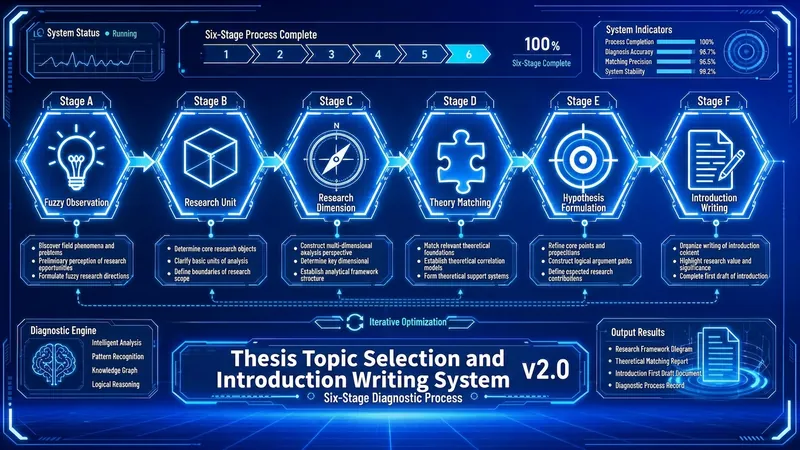 Исследование
Выбор темы и введение v3.2
Понятно за 10 секунд: превращает расплывчатое наблюдение в устойчивую тему, а затем — во введение, которое проходит проверку. На всём пути используются только предоставленные вами реальные материалы — ни одна работа не выдумывается. Ключевые слова: выбор темы, тема, введение, исследовательский пробел, академическое письмо, утверждение темы дипломной работы, выбор темы перед обзором литературы. Подходит для: журнальных статей / диссертаций / конференционных докладов / курсовых работ — все дисциплины: гуманитарные, социальные, технические, сельскохозяйственные и медицинские. Освоение за 3 минуты: сначала определите дисциплину и отправную точку → послойно формируйте тему → жёсткий контроль цепочки доказательств → модульное введение → финализация по принципу храповика. 【Разделение труда с другими навыками】Проверка — в начале, написание — в середине, вычитка — в конце. Этот навык отвечает за средний этап: формирование темы + черновик введения. Он не пишет основной текст целиком (это делает «Система полного цикла написания академических статей v4.x») и не шлифует язык предложение за предложением (это делает «Система трёхканальной вычитки академических статей v8.x»). 【Шесть контрольных точек】1. Классификация дисциплины: 1A гуманитарные науки и искусство / 1B социальные науки / 2A техника и естественные науки / 2B сельское хозяйство, медицина и науки о жизни — четыре категории, для каждой загружаются соответствующие нормативные ограничения; для категории 2B статус этической экспертизы проверяется обязательно. 2. Определение этапа: вы находитесь на стадии расплывчатого наблюдения, есть объект, но нет угла зрения, есть объект, но нет теории, не хватает метода, не хватает позиции или не хватает только введения — стартуйте с соответствующей контрольной точки, не начинайте с нуля. 3. Формирование темы: объект исследования → компас измерений → теоретическая перспектива → метод исследования → позиция исследования — каждый слой фиксируется последовательно, перед фиксацией каждого слоя проверяется устойчивость предыдущего. 4. Жёсткий контроль цепочки доказательств: перед написанием введения ваша литература принудительно регистрируется в базе материалов M1/M2…, каждая запись проверяется по четырём элементам: автор / год / название / локатор; если в диалоге менее 3 записей, система отказывается генерировать формулировку исследовательского пробела — не понижает качество, а отказывает. 5. Модульная генерация: введение создаётся по пяти модулям перевёрнутой пирамиды, каждый модуль обязан содержать номера ссылок [Mn] — без источника нет предложения. 6. Финализация по принципу храповика: улучшения вносятся только в уже одобренные версии, одобренные модули блокируются и не изменяются, оценка только растёт и никогда не снижается. 【Результаты】Документ «[Ключевые слова темы]·Тема и введение» + таблица соответствия цитат с отслеживанием по каждому предложению + ⚠️ список для проверки + код архива AFP. Код архива универсален для четырёх инструментов: этого навыка, экспресс-диагностики темы, полного цикла v4.x и трёхканальной системы вычитки — при смене навыка не нужно заново объяснять дисциплину, тему, журнал и базу материалов. 【Чего навык не делает】Не выдумывает авторов, годы, тома, выпуски, страницы и DOI; все записи, найденные в интернете, помечаются ⚠️ «требует проверки» — вы должны проверить их перед включением в список литературы; не гарантирует принятие или одобрение. Авторство и ответственность — на вас: обязательно проверяйте каждую ссылку и каждую цифру.
 Исследование
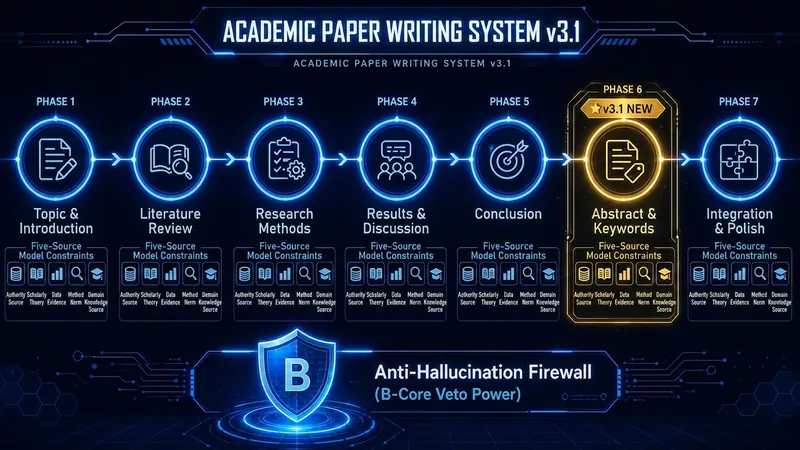
Академический писатель v4.1
Полноцикловая система написания академических работ, объединяющая модель 五源 и трёхуровневую архитектуру AFP 3.1. Другие ИИ помогают вам «написать» статью, а эта система помогает «закрыть» каждую дыру, из-за которой статью могут отклонить — от смутной идеи до полного пакета для подачи, все семь модулей выполняются за один проход, с антигаллюцинационным контролем + продолжением по архивному коду + четырёхъядерной проверкой. 【Ценность за 10 секунд】 Идея из одного предложения → полный пакет статьи, готовый к подаче, с обязательным использованием реальной литературы на всём пути, каждая цитата проверяема, возможность продолжить с места разрыва между сеансами. 【Триггерные слова】 Написать статью / Литературный обзор / Проектирование метода исследования / Как написать обсуждение / Редактирование статьи / Аннотация и ключевые слова / Пакет для подачи 【Семь модулей, все — полностью исполняемые инструкции】 Phase 1: Выбор темы и введение → Phase 2: Литературный обзор → Phase 3: Проектирование метода исследования → Phase 4: Обсуждение → Phase 5: Заключение → Phase 6: Аннотация и ключевые слова → Phase 7: Полная интеграция текста и пакет для подачи. Phase 0: входные маршруты A–G соответствуют семи модулям один к одному; также есть опция R для восстановления последнего прогресса с помощью архивного кода/архивного документа. 【Обновление v4.1】 1. Контроль цепочки доказательств (жёсткое ограничение): система регистрации материалов (номера M1/M2) + четыре элемента цитирования (автор/год/название/проверяемый локатор) + трёхцветная маркировка (✅ предоставлено пользователем / ⚠️ требует проверки / 🚫 запрещено к появлению). Если библиотека материалов пуста, выводятся только скелет и поисковые запросы; генерация текста с цитатами отклоняется; запрещается генерировать ссылки по памяти, выдумывать том, номер, страницы. 2. Протокол архивного кода: в конце каждого модуля выводится структурированный архивный код, который можно сохранить как документ YouMind; в следующей сессии используйте @ для продолжения, не запрашивая повторно уже зафиксированную информацию. 3. Воспроизводимая оценка: C-ядро привязывает все измерения к поведенческим стандартам 4/6/8/10 баллов с указанием оснований для суждения; храповой механизм итерации только повышает, не понижает. 4. Библиотека конфигураций для четырёх дисциплин (1A гуманитарные науки и искусство / 1B социальные науки / 2A естественные и технические науки / 2B сельское хозяйство, медицина и науки о жизни), автоматически переключает теоретические библиотеки, инструментарий методов и дисциплинарные нормы; категория 2B проходит этическую проверку три раза на Phase 0/3/7. 5. Разделение по трём парадигмам (количественная / качественная / критическая): нарративные стратегии обзора литературы и проектирование методов исследования идут разными путями. 6. Список антишаблонов и запреты: обсуждение «ограниченность времени и сил», «требуются дальнейшие исследования», введение новых данных/новой литературы в заключении, появление в аннотации выводов, не подтверждённых основным текстом, — всё это напрямую отклоняется B-ядром. 7. Адаптация: профиль пользователя (новичок/продвинутый/опытный) + тип статьи (журнальная/диссертация/конференция/курсовая) + режим шага (по умолчанию/быстрый/замедленный) + изоляция многозадачности. 8. Пакет для подачи и соответствие требованиям: семь проверок согласованности, шесть звеньев логической цепочки, форматирование списка литературы (GB/T 7714 / APA 7 / Vancouver / IEEE), номер этического одобрения, заявление о доступности данных, проект раскрытия использования генеративного ИИ, проект сопроводительного письма. 【Как использовать】 Сообщите системе: дисциплину + целевой журнал/тип статьи/объём + текущий этап. Система продвигается по модулям: после каждого модуля она останавливается и выдаёт разделы, отчёт о проверке, оценочную карту и архивный код, затем ждёт вашего подтверждения, чтобы продолжить. 【Граница ответственности】 Система отвечает за источники 1–4 (структура, организация материалов, стиль, интеграция); источник 5, ручную калибровку, выполняете вы: академическое суждение, проверка фактов, решения о новизне. Все ссылки и данные, отмеченные ⚠️, должны быть проверены вами по отдельности перед подачей; этот навык не гарантирует принятие или прохождение результата.
 Исследование
Поиск научной литературы
Вместо обычного поиска литературы этот навык сначала создаёт для вас «карту области». У него есть 5 особых возможностей: ① сначала обзоры, затем ключевые работы (железное правило) — сначала найти 3–5 обзорных статей, чтобы составить карту области, а затем по их библиографиям найти ключевые публикации, не погружая вас сразу в сотни работ; ② проверка подлинности публикаций (защита от галлюцинаций ИИ) — режим заполнителей и проверка в реальном времени через CrossRef/DOI/CNKI/Wanfang: автор, журнал, DOI и страницы проверяются по отдельности, ни одна публикация не выдумывается; ③ автоматизация расширенного поиска CSSCI в CNKI — при наличии VPN или доступа организации автоматически извлекаются библиографические данные и аннотации CSSCI, до 100 публикаций за раз, с сохранением прямо в Excel; ④ прямая загрузка англоязычных OA-публикаций — 100% прямая загрузка с arXiv/MDPI/Frontiers, около 50–70% — со Springer/Elsevier; для платных статей предоставляются ссылка DOI и инструкция по загрузке через VPN; ⑤ выбор темы методом трёх кругов — пересечение актуальных политических тем, прежнего опыта и проблемного мышления помогает превратить расплывчатую идею в действительно достойную исследования тему. Основной процесс состоит из 7 шагов: разработка темы → уточнение ключевых слов → поиск обзоров → поиск ключевых публикаций → отбор и проверка → попытка загрузки → итоговый список чтения с приоритетами. Также доступны два расширенных модуля: структурированный разбор по 12 элементам (Excel) и итеративная рефлексия после чтения. Честные ограничения: навык не обещает обходить защиту CNKI от автоматической загрузки полных текстов на китайском языке, не выполняет вход в VPN и не пишет основной текст работы. Подходит аспирантам, преподавателям вузов и всем исследователям, которым нужен системный поиск научной литературы.
Диагностика готовности тезиса
Проверка тезиса по пяти источникам и AFP
Описание
Прежде чем потратить десятки часов на написание тезиса, уделите десять минут структурированной проверке. 【Этот навык делает только одну вещь】 Диагностика, а не написание за вас. Он говорит вам: может ли тема устояться, достаточно ли материалов, чего не хватает, где восполнить, в каком порядке восполнять, а затем даёт вам выполнимый список дополнений и поисковые запросы. Он не напишет за вас введение, обзор, методы или обсуждение. 【Четыре этапа】 1. Диагностика дисциплины: классификация по четырём категориям: 1A гуманитарные искусства / 1B социальные науки / 2A техника / 2B сельское хозяйство, медицина и науки о жизни, загрузка соответствующих нормативных ограничений; для категории 2B обязательный блокирующий этический обзор. 2. Проверка темы: трёхмерная проверка по «потенциал·форма·слово», чтобы определить, можно ли операционализировать тему, можно ли ответить на исследовательский вопрос и не заезжена ли тема. 3. Проверка материалов: регистрация имеющейся литературы в библиотеку материалов M1/M2..., проверка каждого элемента по четырём параметрам (автор/год/название/проверяемый идентификатор), расчёт реального покрытия. 4. Список пробелов и поисковые запросы: уточнение, сколько и какие типы литературы отсутствуют, какой элемент доказательств не хватает, и предоставление поисковых запросов, которые можно напрямую вставить в базу данных (включая булевы комбинации ключевых слов, временной диапазон, критерии фильтрации). 【Когда использовать】(триггерные фразы) «Проверь мою тему», «Можно ли делать эту тему?», «Хватает ли мне литературы?», «Моё предложение отклонили», «Хочу подтвердить перед началом» — аспиранты, которые только определились с направлением и ещё не начали писать; те, кто получил отклонённое предложение и не знает, в чём проблема; те, у кого накопилось много литературы, но не уверены, достаточно ли её для начала; те, кто хочет убедиться, что тема стоит того, прежде чем вкладываться. 【Результаты】 Документ «Отчёт о проверке тезиса» + карта оценки готовности по пяти источникам (с поведенческими критериями для каждого уровня, а не размытыми оценками) + список приоритетов дополнений + поисковые запросы + код архива. Код совместим с «学术论文全流程撰写系统 v4.0» — после проверки его можно вставить и продолжить без повторного указания дисциплины, темы и журнала. 【Что мы явно не делаем】 Не пишем основной текст, не генерируем список литературы, не выдумываем авторов, годы, тома, страницы или DOI. Литература, найденная в интернете, помечается ⚠️ как требующая проверки, и вы должны самостоятельно проверить её перед использованием. Этот навык не гарантирует никаких результатов публикации или прохождения.
Похожие скиллы
Посмотреть всеИсследованиеВыбор темы и введение v3.2
Понятно за 10 секунд: превращает расплывчатое наблюдение в устойчивую тему, а затем — во введение, которое проходит проверку. На всём пути используются только предоставленные вами реальные материалы — ни одна работа не выдумывается. Ключевые слова: выбор темы, тема, введение, исследовательский пробел, академическое письмо, утверждение темы дипломной работы, выбор темы перед обзором литературы. Подходит для: журнальных статей / диссертаций / конференционных докладов / курсовых работ — все дисциплины: гуманитарные, социальные, технические, сельскохозяйственные и медицинские. Освоение за 3 минуты: сначала определите дисциплину и отправную точку → послойно формируйте тему → жёсткий контроль цепочки доказательств → модульное введение → финализация по принципу храповика. 【Разделение труда с другими навыками】Проверка — в начале, написание — в середине, вычитка — в конце. Этот навык отвечает за средний этап: формирование темы + черновик введения. Он не пишет основной текст целиком (это делает «Система полного цикла написания академических статей v4.x») и не шлифует язык предложение за предложением (это делает «Система трёхканальной вычитки академических статей v8.x»). 【Шесть контрольных точек】1. Классификация дисциплины: 1A гуманитарные науки и искусство / 1B социальные науки / 2A техника и естественные науки / 2B сельское хозяйство, медицина и науки о жизни — четыре категории, для каждой загружаются соответствующие нормативные ограничения; для категории 2B статус этической экспертизы проверяется обязательно. 2. Определение этапа: вы находитесь на стадии расплывчатого наблюдения, есть объект, но нет угла зрения, есть объект, но нет теории, не хватает метода, не хватает позиции или не хватает только введения — стартуйте с соответствующей контрольной точки, не начинайте с нуля. 3. Формирование темы: объект исследования → компас измерений → теоретическая перспектива → метод исследования → позиция исследования — каждый слой фиксируется последовательно, перед фиксацией каждого слоя проверяется устойчивость предыдущего. 4. Жёсткий контроль цепочки доказательств: перед написанием введения ваша литература принудительно регистрируется в базе материалов M1/M2…, каждая запись проверяется по четырём элементам: автор / год / название / локатор; если в диалоге менее 3 записей, система отказывается генерировать формулировку исследовательского пробела — не понижает качество, а отказывает. 5. Модульная генерация: введение создаётся по пяти модулям перевёрнутой пирамиды, каждый модуль обязан содержать номера ссылок [Mn] — без источника нет предложения. 6. Финализация по принципу храповика: улучшения вносятся только в уже одобренные версии, одобренные модули блокируются и не изменяются, оценка только растёт и никогда не снижается. 【Результаты】Документ «[Ключевые слова темы]·Тема и введение» + таблица соответствия цитат с отслеживанием по каждому предложению + ⚠️ список для проверки + код архива AFP. Код архива универсален для четырёх инструментов: этого навыка, экспресс-диагностики темы, полного цикла v4.x и трёхканальной системы вычитки — при смене навыка не нужно заново объяснять дисциплину, тему, журнал и базу материалов. 【Чего навык не делает】Не выдумывает авторов, годы, тома, выпуски, страницы и DOI; все записи, найденные в интернете, помечаются ⚠️ «требует проверки» — вы должны проверить их перед включением в список литературы; не гарантирует принятие или одобрение. Авторство и ответственность — на вас: обязательно проверяйте каждую ссылку и каждую цифру.
ИсследованиеАкадемический писатель v4.1
Полноцикловая система написания академических работ, объединяющая модель 五源 и трёхуровневую архитектуру AFP 3.1. Другие ИИ помогают вам «написать» статью, а эта система помогает «закрыть» каждую дыру, из-за которой статью могут отклонить — от смутной идеи до полного пакета для подачи, все семь модулей выполняются за один проход, с антигаллюцинационным контролем + продолжением по архивному коду + четырёхъядерной проверкой. 【Ценность за 10 секунд】 Идея из одного предложения → полный пакет статьи, готовый к подаче, с обязательным использованием реальной литературы на всём пути, каждая цитата проверяема, возможность продолжить с места разрыва между сеансами. 【Триггерные слова】 Написать статью / Литературный обзор / Проектирование метода исследования / Как написать обсуждение / Редактирование статьи / Аннотация и ключевые слова / Пакет для подачи 【Семь модулей, все — полностью исполняемые инструкции】 Phase 1: Выбор темы и введение → Phase 2: Литературный обзор → Phase 3: Проектирование метода исследования → Phase 4: Обсуждение → Phase 5: Заключение → Phase 6: Аннотация и ключевые слова → Phase 7: Полная интеграция текста и пакет для подачи. Phase 0: входные маршруты A–G соответствуют семи модулям один к одному; также есть опция R для восстановления последнего прогресса с помощью архивного кода/архивного документа. 【Обновление v4.1】 1. Контроль цепочки доказательств (жёсткое ограничение): система регистрации материалов (номера M1/M2) + четыре элемента цитирования (автор/год/название/проверяемый локатор) + трёхцветная маркировка (✅ предоставлено пользователем / ⚠️ требует проверки / 🚫 запрещено к появлению). Если библиотека материалов пуста, выводятся только скелет и поисковые запросы; генерация текста с цитатами отклоняется; запрещается генерировать ссылки по памяти, выдумывать том, номер, страницы. 2. Протокол архивного кода: в конце каждого модуля выводится структурированный архивный код, который можно сохранить как документ YouMind; в следующей сессии используйте @ для продолжения, не запрашивая повторно уже зафиксированную информацию. 3. Воспроизводимая оценка: C-ядро привязывает все измерения к поведенческим стандартам 4/6/8/10 баллов с указанием оснований для суждения; храповой механизм итерации только повышает, не понижает. 4. Библиотека конфигураций для четырёх дисциплин (1A гуманитарные науки и искусство / 1B социальные науки / 2A естественные и технические науки / 2B сельское хозяйство, медицина и науки о жизни), автоматически переключает теоретические библиотеки, инструментарий методов и дисциплинарные нормы; категория 2B проходит этическую проверку три раза на Phase 0/3/7. 5. Разделение по трём парадигмам (количественная / качественная / критическая): нарративные стратегии обзора литературы и проектирование методов исследования идут разными путями. 6. Список антишаблонов и запреты: обсуждение «ограниченность времени и сил», «требуются дальнейшие исследования», введение новых данных/новой литературы в заключении, появление в аннотации выводов, не подтверждённых основным текстом, — всё это напрямую отклоняется B-ядром. 7. Адаптация: профиль пользователя (новичок/продвинутый/опытный) + тип статьи (журнальная/диссертация/конференция/курсовая) + режим шага (по умолчанию/быстрый/замедленный) + изоляция многозадачности. 8. Пакет для подачи и соответствие требованиям: семь проверок согласованности, шесть звеньев логической цепочки, форматирование списка литературы (GB/T 7714 / APA 7 / Vancouver / IEEE), номер этического одобрения, заявление о доступности данных, проект раскрытия использования генеративного ИИ, проект сопроводительного письма. 【Как использовать】 Сообщите системе: дисциплину + целевой журнал/тип статьи/объём + текущий этап. Система продвигается по модулям: после каждого модуля она останавливается и выдаёт разделы, отчёт о проверке, оценочную карту и архивный код, затем ждёт вашего подтверждения, чтобы продолжить. 【Граница ответственности】 Система отвечает за источники 1–4 (структура, организация материалов, стиль, интеграция); источник 5, ручную калибровку, выполняете вы: академическое суждение, проверка фактов, решения о новизне. Все ссылки и данные, отмеченные ⚠️, должны быть проверены вами по отдельности перед подачей; этот навык не гарантирует принятие или прохождение результата.
ИсследованиеПоиск научной литературы
Вместо обычного поиска литературы этот навык сначала создаёт для вас «карту области». У него есть 5 особых возможностей: ① сначала обзоры, затем ключевые работы (железное правило) — сначала найти 3–5 обзорных статей, чтобы составить карту области, а затем по их библиографиям найти ключевые публикации, не погружая вас сразу в сотни работ; ② проверка подлинности публикаций (защита от галлюцинаций ИИ) — режим заполнителей и проверка в реальном времени через CrossRef/DOI/CNKI/Wanfang: автор, журнал, DOI и страницы проверяются по отдельности, ни одна публикация не выдумывается; ③ автоматизация расширенного поиска CSSCI в CNKI — при наличии VPN или доступа организации автоматически извлекаются библиографические данные и аннотации CSSCI, до 100 публикаций за раз, с сохранением прямо в Excel; ④ прямая загрузка англоязычных OA-публикаций — 100% прямая загрузка с arXiv/MDPI/Frontiers, около 50–70% — со Springer/Elsevier; для платных статей предоставляются ссылка DOI и инструкция по загрузке через VPN; ⑤ выбор темы методом трёх кругов — пересечение актуальных политических тем, прежнего опыта и проблемного мышления помогает превратить расплывчатую идею в действительно достойную исследования тему. Основной процесс состоит из 7 шагов: разработка темы → уточнение ключевых слов → поиск обзоров → поиск ключевых публикаций → отбор и проверка → попытка загрузки → итоговый список чтения с приоритетами. Также доступны два расширенных модуля: структурированный разбор по 12 элементам (Excel) и итеративная рефлексия после чтения. Честные ограничения: навык не обещает обходить защиту CNKI от автоматической загрузки полных текстов на китайском языке, не выполняет вход в VPN и не пишет основной текст работы. Подходит аспирантам, преподавателям вузов и всем исследователям, которым нужен системный поиск научной литературы.
Найди свой следующий любимый скилл
Изучи больше отобранных AI-скиллов для исследований, творчества и повседневной работы.