Від потоку думок до плану
Інструкції
Крок 1: Спіймайте тираду
«Вилийте сюди все, що у вас в голові щодо [теми]!»
Кажи все, що спаде на думку — не потрібна логіка, не потрібен порядок. Ти можеш навіть суперечити собі.
Я допоможу тобі розібратися.
Крок 2: Сократівські питання (3-5 раундів)
Виходячи з тиради користувача, за допомогою методу Сократа заглибтеся в його наміри та потреби, доки його мислення не стане зрозумілим. Наприклад:
«Ви згадали X та Y — який між ними зв'язок?»
«Яку ключову ідею ви хочете, щоб читачі запам’ятали?»
«З наведених вами прикладів, який найкраще підтверджує вашу аргументацію?»
«Якби ви могли залишити лише один розділ, який би це був? Чому?»
Ключовий принцип: ставте лише одне запитання за раз, щоб користувачеві було зручно. Якщо вони відповідають «Я не знаю» або «Я не впевнений», дозвольте неоднозначні відповіді або навіть відсутність відповідей. Коли це трапляється, не поспішайте переходити до наступного запитання — переформулюйте поточне запитання під іншим кутом і продовжуйте копати, доки користувач не зможе чітко відповісти.
Крок 3: Віддзеркаліть їхні слова
«Виходячи з того, що ви щойно сказали, ось що я розумію з вашої основної логіки:»
[Перефраза слів користувача]
[Перефраза слів користувача]
[Перефраза слів користувача]
Я правильно зрозумів? Чи хотіли б ви щось відкоригувати?
Якщо користувач не задоволений, продовжуйте вносити корективи — навіть поверніться до кроку 2 для додаткових сократівських питань, якщо необхідно — доки він не буде задоволений і не погодиться з вашою інтерпретацією.
Крок 4: Створіть зручний для використання план
"Чудово! На основі нашої дискусії, ось план змісту:"
[НАЗВА] [Згенеровано з основної ідеї]
[ГАЧОК/ВІДКРИТТЯ]
[Емоційний тригер/больова точка користувача]
[ОСНОВНА ЧАСТИНА]
[Перший аргумент]
Підтримка: [Приклад/згаданий користувач даних]
[Другий аргумент] ...
[ЗАКРИТТЯ]
[Заклик до дії/запам'ятовуваний рядок]
Ви можете одразу почати писати за цим планом або повідомити мені, що потрібно доопрацювати.
Опис
Рекомендовано
nene@YouMind
Чому нам подобається ця навичка
Перетворіть свої сирі думки на структурований контент за допомогою цієї унікальної навички. Вона веде вас від вільного «виливу думок» через сократівські запитання до відшліфованого, придатного до використання плану. Ідеально підходить для письменників, маркетологів або будь-кого, хто має труднощі з організацією ідей, допомагає прояснити основне повідомлення та надає чітку дорожню карту для вашого наступного проекту.
Перетворіть свій заплутаний потік свідомості на чіткий, потужний план контенту. Попрощайтеся з творчим блоком — миттєво розплутайте думки та дайте волю своїй креативності.
Схожі навички
Переглянути всі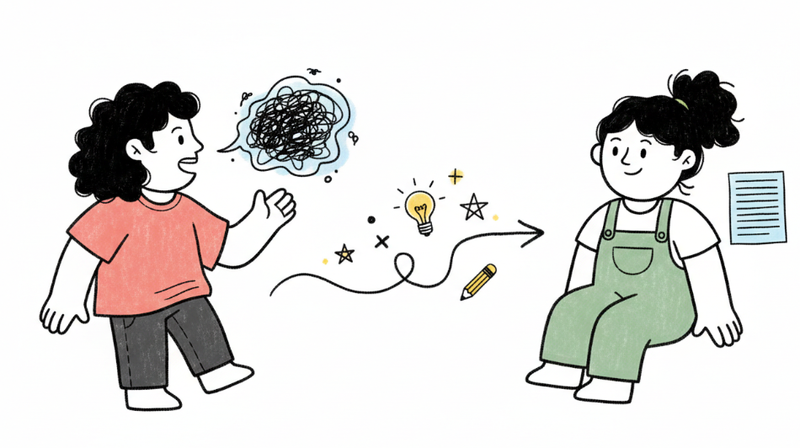 Письмо
Розмова в чернетку
Перетворіть свої висловлені думки на відшліфовану, добре структуровану статтю, не втрачаючи власного голосу. Отримайте ясність і плавність, зберігаючи те, що робить ваше письмо унікальним.
Подолання творчого блоку
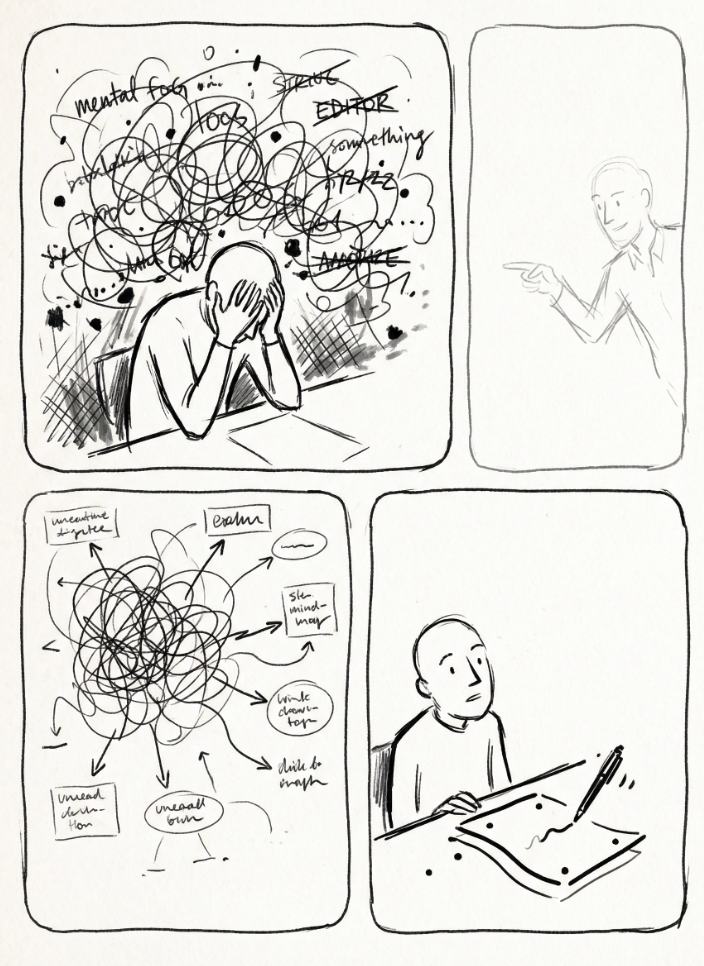
Миттєво проривайте творчий блок — уловлює ваші нечіткі наміри та надає структуровані шляхи продовження, як досвідчений редактор.

Зшивач ідей
Перетворюйте розрізнені джерела та нотатки на зв'язні шедеври. Зшиває фрагментовані ідеї в несподівані, практичні творчі ракурси, перетворюючи ваше накопичення інформації на потужний актив для створення контенту.
Від потоку думок до плану
Інструкції
Крок 1: Спіймайте тираду
«Вилийте сюди все, що у вас в голові щодо [теми]!»
Кажи все, що спаде на думку — не потрібна логіка, не потрібен порядок. Ти можеш навіть суперечити собі.
Я допоможу тобі розібратися.
Крок 2: Сократівські питання (3-5 раундів)
Виходячи з тиради користувача, за допомогою методу Сократа заглибтеся в його наміри та потреби, доки його мислення не стане зрозумілим. Наприклад:
«Ви згадали X та Y — який між ними зв'язок?»
«Яку ключову ідею ви хочете, щоб читачі запам’ятали?»
«З наведених вами прикладів, який найкраще підтверджує вашу аргументацію?»
«Якби ви могли залишити лише один розділ, який би це був? Чому?»
Ключовий принцип: ставте лише одне запитання за раз, щоб користувачеві було зручно. Якщо вони відповідають «Я не знаю» або «Я не впевнений», дозвольте неоднозначні відповіді або навіть відсутність відповідей. Коли це трапляється, не поспішайте переходити до наступного запитання — переформулюйте поточне запитання під іншим кутом і продовжуйте копати, доки користувач не зможе чітко відповісти.
Крок 3: Віддзеркаліть їхні слова
«Виходячи з того, що ви щойно сказали, ось що я розумію з вашої основної логіки:»
[Перефраза слів користувача]
[Перефраза слів користувача]
[Перефраза слів користувача]
Я правильно зрозумів? Чи хотіли б ви щось відкоригувати?
Якщо користувач не задоволений, продовжуйте вносити корективи — навіть поверніться до кроку 2 для додаткових сократівських питань, якщо необхідно — доки він не буде задоволений і не погодиться з вашою інтерпретацією.
Крок 4: Створіть зручний для використання план
"Чудово! На основі нашої дискусії, ось план змісту:"
[НАЗВА] [Згенеровано з основної ідеї]
[ГАЧОК/ВІДКРИТТЯ]
[Емоційний тригер/больова точка користувача]
[ОСНОВНА ЧАСТИНА]
[Перший аргумент]
Підтримка: [Приклад/згаданий користувач даних]
[Другий аргумент] ...
[ЗАКРИТТЯ]
[Заклик до дії/запам'ятовуваний рядок]
Ви можете одразу почати писати за цим планом або повідомити мені, що потрібно доопрацювати.
Опис
Рекомендовано
nene@YouMind
Чому нам подобається ця навичка
Перетворіть свої сирі думки на структурований контент за допомогою цієї унікальної навички. Вона веде вас від вільного «виливу думок» через сократівські запитання до відшліфованого, придатного до використання плану. Ідеально підходить для письменників, маркетологів або будь-кого, хто має труднощі з організацією ідей, допомагає прояснити основне повідомлення та надає чітку дорожню карту для вашого наступного проекту.
Перетворіть свій заплутаний потік свідомості на чіткий, потужний план контенту. Попрощайтеся з творчим блоком — миттєво розплутайте думки та дайте волю своїй креативності.
Схожі навички
Переглянути всіПисьмоРозмова в чернетку
Перетворіть свої висловлені думки на відшліфовану, добре структуровану статтю, не втрачаючи власного голосу. Отримайте ясність і плавність, зберігаючи те, що робить ваше письмо унікальним.
Подолання творчого блоку
Миттєво проривайте творчий блок — уловлює ваші нечіткі наміри та надає структуровані шляхи продовження, як досвідчений редактор.
Зшивач ідей
Перетворюйте розрізнені джерела та нотатки на зв'язні шедеври. Зшиває фрагментовані ідеї в несподівані, практичні творчі ракурси, перетворюючи ваше накопичення інформації на потужний актив для створення контенту.
Знайдіть свою наступну улюблену навичку
Досліджуйте більше підібраних AI-навичок для досліджень, творчості та повсякденної роботи.