
Kaplan-Meier Survival Analysis Writer
Produces a full report from your survival analysis output
Kaplan-Meier Survival Analysis Writer
Produces a full report from your survival analysis output
展示內容
描述
Produces a complete Methods + Results text from your Kaplan-Meier survival curve, log-rank test, and Cox regression output. Correctly interprets hazard ratios, explicitly flags a high censoring rate, and reminds you to check the proportional hazards assumption for Cox models. Who it's for: researchers working with clinical/epidemiological survival data.
為什麼我們推薦這個技能
An editor’s pick for turning Kaplan-Meier curves and statistical output into publication-ready Methods, Results, and figure-caption text. It stands out with careful interpretation of significance, hazard ratios, censoring limitations, and proportional-hazards assumptions, helping prevent common survival-analysis reporting errors.
相關技能
查看全部 研究
Kaplan-Meier Sağkalım Analizi Yazıcısı
Kaplan-Meier sağkalım eğrisi, log-rank testi ve Cox regresyon çıktılarınızdan tam bir Yöntem + Bulgular metni üretir. Hazard ratio'ları doğru yorumlar, sansürleme oranı yüksekse bunu açıkça belirtir, Cox modeli için orantılı tehlikeler varsayımının kontrolünü hatırlatır. Kimler için uygun: klinik/epidemiyolojik sağkalım verisiyle çalışan araştırmacılar.
 研究
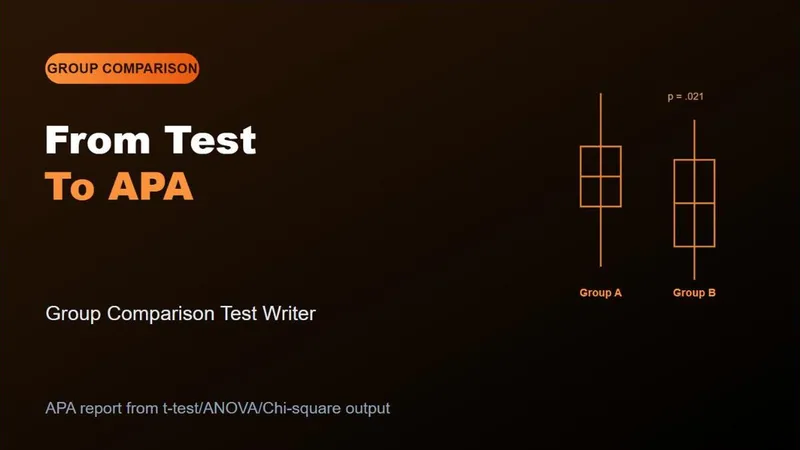
Group Comparison Test Writer
Produces an APA 7-compliant, manuscript-ready Results text from your t-test, ANOVA, or Chi-square test outputs. Uses correct statistical reporting format (t(df)=..., p=..., d=...) and interprets effect size against Cohen's benchmarks. Reminds you to state a multiple comparison correction method when three or more groups are compared. Who it's for: researchers and graduate students running experimental or comparative studies.
 研究
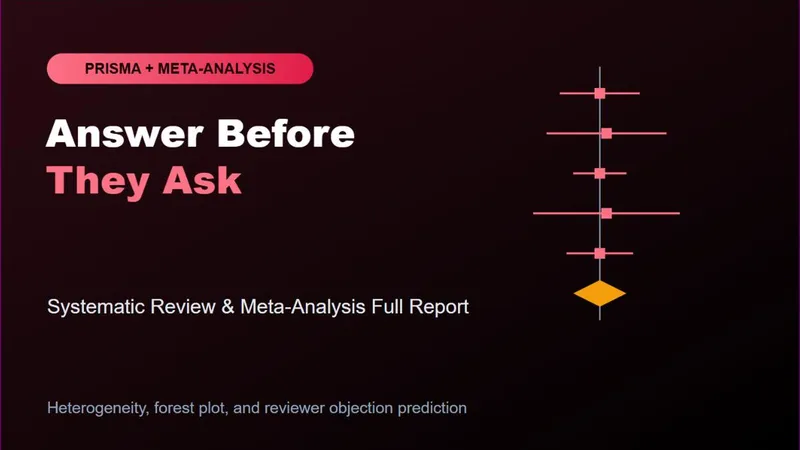
Meta-Analysis Full Report Writer
Produces a complete Methods + Results + Limitations text compliant with PRISMA 2020 and the Cochrane Handbook from your meta-analysis statistics (pooled effect size, I², Q, tau², publication bias indicators). Never misinterprets the I² value (including the "percentage of variance" framing); avoids overstated causal language (uses cautious phrasing like "findings are consistent with..." instead of "evidence demonstrates that"). At the end, it also offers at least 3 questions a reviewer might ask along with defense sentences. Suitable for: researchers writing a meta-analysis paper who want to strengthen the methods section before journal submission. What it does not do: it does not perform statistical calculations from raw data (you must already have your R/RevMan/CMA output) — it only converts and interprets your results into academic text.
