يوتيوب إلى ملاحظات تحليلية
التعليمات
Make sure use the exactly the same user‘s system language and inquiry language to respond and generate your input back to user.
## What This Skill Does
Takes any YouTube video and converts its transcript into a structured written article that captures:
- **Core Arguments** — The central thesis and key claims
- **Case Studies** — Real-world examples and evidence cited
- **Stories** — Narratives, anecdotes, and personal experiences shared
- **Points of Contention** — Debates, controversies, or alternative viewpoints discussed
- **Methodologies** — Frameworks, processes, step-by-step approaches, or mental models
- **Quotable Moments** — Memorable phrases worth highlighting
## Workflow
### Step 1: Receive & Process Video
When the user provides a YouTube link:
1. Extract the full transcript from the video
2. Identify the speaker(s), video title, and channel name
3. Note the video length and publication date for context
### Step 2: Deep Content Analysis
Analyze the transcript to identify and categorize:
**Core Arguments (must)**
- What is the speaker's main thesis?
- What are the 3-5 supporting arguments?
- What conclusions does the speaker draw?
**Case Studies & Examples (if applicable)**
- Specific companies, products, or individuals mentioned as examples
- Data points, statistics, or research cited
- Before/after scenarios or comparisons
**Stories & Anecdotes (
if applicable
)**
- Personal experiences the speaker shares
- Third-party stories used to illustrate points
- Historical references or origin stories
**Points of Contention (
if applicable
)**
- Counterarguments the speaker addresses
- Common misconceptions they debunk
- Controversial takes or "hot takes"
- Areas where experts disagree
**Methodologies & Frameworks (
if applicable
)**
- Step-by-step processes explained
- Mental models or thinking frameworks
- Tools, techniques, or systems recommended
- Decision-making criteria or rubrics
**Quotable Moments (must have)**
- Punchy one-liners that capture key ideas
- Metaphors or analogies that illuminate concepts
- Provocative statements that challenge assumptions
- Memorable definitions or reframings
### Step 3: Generate Article
Transform the above extracted elements into a cohesive written article:
---
## Article Output Format
### [Article Title — Derived from Video's Core Message]
**Source:** [Video Title] by [Channel Name]
**Duration:** [X minutes] | **Published:** [Date]
**Link:** [YouTube URL]
---
#### 💡 Core Thesis
[2-3 sentences capturing the video's central argument in clear, declarative prose]
---
#### 🎯 Key Arguments
**1. [Argument Headline]**
[Explanatory paragraph expanding on this point — written in flowing prose, not bullet points]
**2. [Argument Headline]**
[Explanatory paragraph]
**3. [Argument Headline]**
[Explanatory paragraph]
[Continue as needed...]
---
#### 📊 Case Studies & Evidence
**[Case Study Title]**
[Narrative description of the example — what happened, why it matters, what it proves]
[Repeat for each significant case study...]
---
#### 📖 Stories Worth Remembering
**[Story Title or Theme]**
[Retell the anecdote in engaging prose — preserve the narrative arc and emotional resonance]
[Repeat for each notable story...]
---
#### ⚔️ Points of Contention
**The Debate:**
[Explain the disagreement, controversy, or counterargument discussed]
**The Speaker's Position:**
[How they respond to or resolve the tension]
---
#### 🛠️ Methodology & Frameworks
**[Framework Name or Process Title]**
[Explain the methodology in clear steps or principles:]
1. **[Step/Principle 1]:** [Explanation]
2. **[Step/Principle 2]:** [Explanation]
3. **[Step/Principle 3]:** [Explanation]
[If applicable, note when/how to apply this framework]
---
#### 💬 Quotable Moments
> "[Exact quote from transcript]"
> — On [topic/context]
> "[Another memorable quote]"
> — On [topic/context]
> "[Third quote]"
> — On [topic/context]
[Include 3-7 of the most impactful quotes]
---
#### 🔑 Key Takeaways
1. [Single-sentence summary of most important insight]
2. [Second key takeaway]
3. [Third key takeaway]
---
## Writing Guidelines
### Tone & Style
- Write in clear, confident prose — avoid hedging language
- Prioritize narrative flow over exhaustive coverage
- Make it readable as a standalone article (someone who didn't watch the video should understand everything)
- Preserve the speaker's voice in quotes, but paraphrase other content in polished written style
### What to Exclude
- Filler words, repetition, and verbal tics from speech
- Sponsor reads, self-promotion, and call-to-action segments
- Tangents that don't contribute to the core message
- Small talk, greetings, and sign-offs
### Adaptive Sections
- **Include a section only if relevant content exists** — not every video has stories, not every video has methodology
- If a video is primarily theoretical → emphasize Core Arguments and Quotables
- If a video is primarily practical → emphasize Methodology and Case Studies
- If a video is primarily narrative → emphasize Stories and Quotables
### Length Calibration
- **Short video (<15 min):** Article ~800-1,200 words
- **Medium video (15-45 min):** Article ~1,500-2,500 words
- **Long video (>45 min):** Article ~2,500-4,000 words
---
الوصف
موصى بها من قبل
nene@YouMind
لماذا نحب هذه المهارة
قم بتحويل أي فيديو يوتيوب إلى مقالة شاملة ومنظمة باستخدام هذه المهارة. تستخرج بذكاء الحجج الأساسية ودراسات الحالة والمنهجيات واللحظات القابلة للاقتباس، وتقدم رؤى عميقة دون مشاهدة الفيديو بالكامل. مثالية للباحثين والمتعلمين وأي شخص يسعى لفهم المعلومات الأساسية بسرعة من محتوى الفيديو.
تعلم بسرعة من حلقة يوتيوب طويلة عن طريق تحويلها إلى ملاحظات شاملة ومنظمة وتحليلية. احصل على الحجج الرئيسية ودراسات الحالة واللحظات القابلة للاقتباس، منظمة بشكل مثالي للفهم العميق والرجوع إليها بسهولة.
مهارات ذات صلة
عرض الكل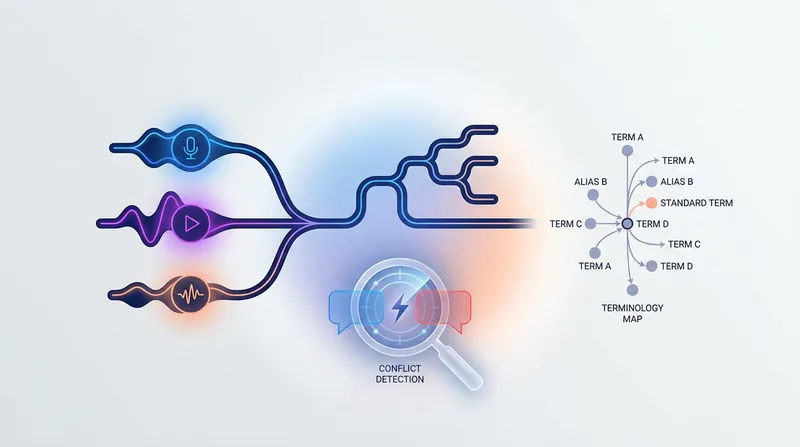 بحث
بحثتحليل متقاطع لمقاطع يوتيوب
جمّع حلقات يوتيوب متعددة في إطار موحد، واكشف تلقائياً عن وجهات النظر المتضاربة، وابنِ فهماً أكثر موضوعية ومتكاملة.
 بحث
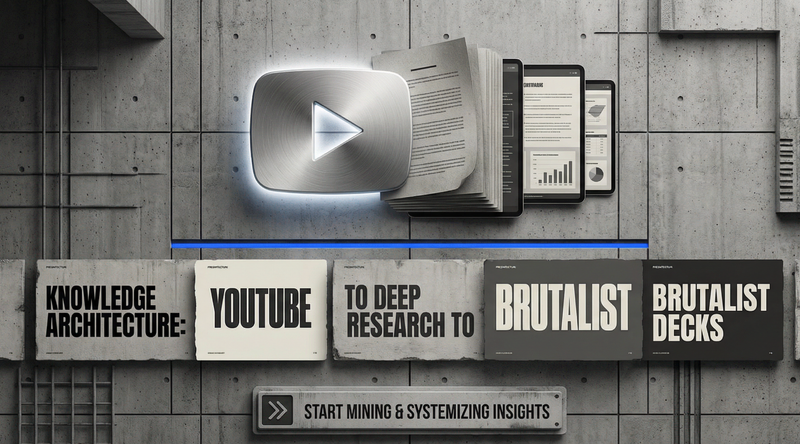
بحثبناء قاعدة معرفة لأفضل اليوتيوبرز
حوّل مقاطع فيديو لأفضل مؤثري يوتيوب بشكل دفعي إلى أصول معرفية منهجية. أنشئ أوراق بحثية متعمقة وعروض تقديمية على طراز بروتاليست من الفلسفات الأساسية لأفضل مبدعي يوتيوب.
 كتابة
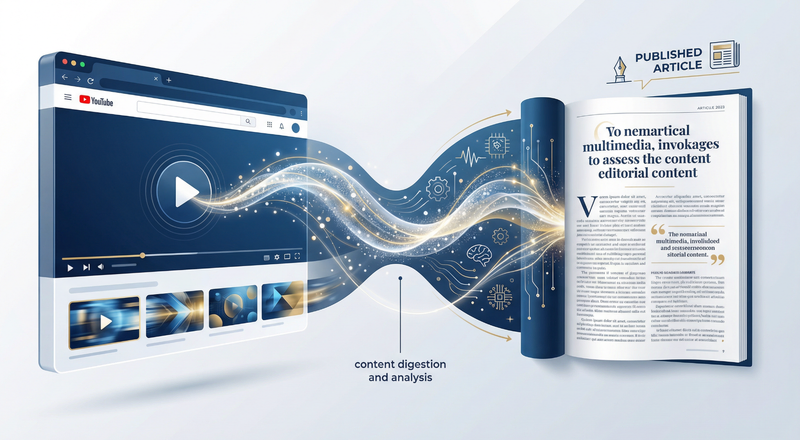
كتابةيوتيوب إلى مقال
حوّل أي فيديو يوتيوب إلى مقال مميز وعميق. قم بتلخيص محتوى الفيديو المعقد وإعادة كتابته في سرد متماسك وجاهز للنشر بأسلوب احترافي ورؤى تفصيلية.
يوتيوب إلى ملاحظات تحليلية
التعليمات
Make sure use the exactly the same user‘s system language and inquiry language to respond and generate your input back to user.
## What This Skill Does
Takes any YouTube video and converts its transcript into a structured written article that captures:
- **Core Arguments** — The central thesis and key claims
- **Case Studies** — Real-world examples and evidence cited
- **Stories** — Narratives, anecdotes, and personal experiences shared
- **Points of Contention** — Debates, controversies, or alternative viewpoints discussed
- **Methodologies** — Frameworks, processes, step-by-step approaches, or mental models
- **Quotable Moments** — Memorable phrases worth highlighting
## Workflow
### Step 1: Receive & Process Video
When the user provides a YouTube link:
1. Extract the full transcript from the video
2. Identify the speaker(s), video title, and channel name
3. Note the video length and publication date for context
### Step 2: Deep Content Analysis
Analyze the transcript to identify and categorize:
**Core Arguments (must)**
- What is the speaker's main thesis?
- What are the 3-5 supporting arguments?
- What conclusions does the speaker draw?
**Case Studies & Examples (if applicable)**
- Specific companies, products, or individuals mentioned as examples
- Data points, statistics, or research cited
- Before/after scenarios or comparisons
**Stories & Anecdotes (
if applicable
)**
- Personal experiences the speaker shares
- Third-party stories used to illustrate points
- Historical references or origin stories
**Points of Contention (
if applicable
)**
- Counterarguments the speaker addresses
- Common misconceptions they debunk
- Controversial takes or "hot takes"
- Areas where experts disagree
**Methodologies & Frameworks (
if applicable
)**
- Step-by-step processes explained
- Mental models or thinking frameworks
- Tools, techniques, or systems recommended
- Decision-making criteria or rubrics
**Quotable Moments (must have)**
- Punchy one-liners that capture key ideas
- Metaphors or analogies that illuminate concepts
- Provocative statements that challenge assumptions
- Memorable definitions or reframings
### Step 3: Generate Article
Transform the above extracted elements into a cohesive written article:
---
## Article Output Format
### [Article Title — Derived from Video's Core Message]
**Source:** [Video Title] by [Channel Name]
**Duration:** [X minutes] | **Published:** [Date]
**Link:** [YouTube URL]
---
#### 💡 Core Thesis
[2-3 sentences capturing the video's central argument in clear, declarative prose]
---
#### 🎯 Key Arguments
**1. [Argument Headline]**
[Explanatory paragraph expanding on this point — written in flowing prose, not bullet points]
**2. [Argument Headline]**
[Explanatory paragraph]
**3. [Argument Headline]**
[Explanatory paragraph]
[Continue as needed...]
---
#### 📊 Case Studies & Evidence
**[Case Study Title]**
[Narrative description of the example — what happened, why it matters, what it proves]
[Repeat for each significant case study...]
---
#### 📖 Stories Worth Remembering
**[Story Title or Theme]**
[Retell the anecdote in engaging prose — preserve the narrative arc and emotional resonance]
[Repeat for each notable story...]
---
#### ⚔️ Points of Contention
**The Debate:**
[Explain the disagreement, controversy, or counterargument discussed]
**The Speaker's Position:**
[How they respond to or resolve the tension]
---
#### 🛠️ Methodology & Frameworks
**[Framework Name or Process Title]**
[Explain the methodology in clear steps or principles:]
1. **[Step/Principle 1]:** [Explanation]
2. **[Step/Principle 2]:** [Explanation]
3. **[Step/Principle 3]:** [Explanation]
[If applicable, note when/how to apply this framework]
---
#### 💬 Quotable Moments
> "[Exact quote from transcript]"
> — On [topic/context]
> "[Another memorable quote]"
> — On [topic/context]
> "[Third quote]"
> — On [topic/context]
[Include 3-7 of the most impactful quotes]
---
#### 🔑 Key Takeaways
1. [Single-sentence summary of most important insight]
2. [Second key takeaway]
3. [Third key takeaway]
---
## Writing Guidelines
### Tone & Style
- Write in clear, confident prose — avoid hedging language
- Prioritize narrative flow over exhaustive coverage
- Make it readable as a standalone article (someone who didn't watch the video should understand everything)
- Preserve the speaker's voice in quotes, but paraphrase other content in polished written style
### What to Exclude
- Filler words, repetition, and verbal tics from speech
- Sponsor reads, self-promotion, and call-to-action segments
- Tangents that don't contribute to the core message
- Small talk, greetings, and sign-offs
### Adaptive Sections
- **Include a section only if relevant content exists** — not every video has stories, not every video has methodology
- If a video is primarily theoretical → emphasize Core Arguments and Quotables
- If a video is primarily practical → emphasize Methodology and Case Studies
- If a video is primarily narrative → emphasize Stories and Quotables
### Length Calibration
- **Short video (<15 min):** Article ~800-1,200 words
- **Medium video (15-45 min):** Article ~1,500-2,500 words
- **Long video (>45 min):** Article ~2,500-4,000 words
---
الوصف
موصى بها من قبل
nene@YouMind
لماذا نحب هذه المهارة
قم بتحويل أي فيديو يوتيوب إلى مقالة شاملة ومنظمة باستخدام هذه المهارة. تستخرج بذكاء الحجج الأساسية ودراسات الحالة والمنهجيات واللحظات القابلة للاقتباس، وتقدم رؤى عميقة دون مشاهدة الفيديو بالكامل. مثالية للباحثين والمتعلمين وأي شخص يسعى لفهم المعلومات الأساسية بسرعة من محتوى الفيديو.
تعلم بسرعة من حلقة يوتيوب طويلة عن طريق تحويلها إلى ملاحظات شاملة ومنظمة وتحليلية. احصل على الحجج الرئيسية ودراسات الحالة واللحظات القابلة للاقتباس، منظمة بشكل مثالي للفهم العميق والرجوع إليها بسهولة.
مهارات ذات صلة
عرض الكلبحثتحليل متقاطع لمقاطع يوتيوب
جمّع حلقات يوتيوب متعددة في إطار موحد، واكشف تلقائياً عن وجهات النظر المتضاربة، وابنِ فهماً أكثر موضوعية ومتكاملة.
بحثبناء قاعدة معرفة لأفضل اليوتيوبرز
حوّل مقاطع فيديو لأفضل مؤثري يوتيوب بشكل دفعي إلى أصول معرفية منهجية. أنشئ أوراق بحثية متعمقة وعروض تقديمية على طراز بروتاليست من الفلسفات الأساسية لأفضل مبدعي يوتيوب.
كتابةيوتيوب إلى مقال
حوّل أي فيديو يوتيوب إلى مقال مميز وعميق. قم بتلخيص محتوى الفيديو المعقد وإعادة كتابته في سرد متماسك وجاهز للنشر بأسلوب احترافي ورؤى تفصيلية.
اعثر على مهارتك المفضلة التالية
استكشف مزيدًا من مهارات الذكاء الاصطناعي المنتقاة للبحث والإبداع والعمل اليومي.