Note approfondite da YouTube
Istruzioni
Assicurati di utilizzare esattamente la stessa lingua di sistema e la stessa lingua di richiesta dell'utente per rispondere e generare il tuo input.
## Cosa fa questa abilità
Prende qualsiasi video di YouTube e converte la sua trascrizione in un articolo scritto strutturato che cattura:
- **Argomentazioni principali** — La tesi centrale e le affermazioni chiave
- **Casi di studio** — Esempi concreti e prove citate
- **Storie** — Narrazioni, aneddoti ed esperienze personali condivise
- **Punti di controversia** — Dibattiti, controversie o punti di vista alternativi discussi
- **Metodologie** — Framework, processi, approcci graduali o modelli mentali
- **Momenti memorabili** — Frasi memorabili da evidenziare
## Flusso di lavoro
### Fase 1: Ricezione ed elaborazione del video
Quando l'utente fornisce un link di YouTube:
1. Estrai la trascrizione completa dal video
2. Identificare l'oratore/gli oratori, il titolo del video e il nome del canale.
3. Si prega di notare la durata del video e la data di pubblicazione per avere un contesto.
### Fase 2: Analisi approfondita del contenuto
Analizzare la trascrizione per identificare e classificare:
**Argomenti principali (obbligatori)**
- Qual è la tesi principale dell'oratore?
- Quali sono i 3-5 argomenti a sostegno?
- Quali conclusioni trae l'oratore?
**Casi di studio ed esempi (se applicabile)**
- Aziende, prodotti o persone specifiche citati come esempi
- Dati, statistiche o ricerche citate
- Scenari o confronti prima/dopo
**Storie e aneddoti (
se applicabile
)**
- Esperienze personali condivise dal relatore
- Storie di terze parti utilizzate per illustrare i punti
- Riferimenti storici o storie di origine
**Punti di controversia (
se applicabile
)**
- Controargomentazioni affrontate dall'oratore
- Sfatare i luoghi comuni
- Opinioni controverse o "opinioni audaci"
- Aree in cui gli esperti non sono d'accordo
**Metodologie e quadri di riferimento (
se applicabile
)**
- Spiegazione dettagliata dei processi passo dopo passo
- Modelli mentali o schemi di pensiero
- Strumenti, tecniche o sistemi consigliati
- Criteri o rubriche per il processo decisionale
**Momenti memorabili (imperdibili)**
- Frasi incisive che catturano le idee chiave
- Metafore o analogie che illuminano i concetti
- Dichiarazioni provocatorie che mettono in discussione le ipotesi
- Definizioni o riformulazioni memorabili
### Passaggio 3: Genera l'articolo
Trasforma gli elementi estratti sopra in un articolo scritto coerente:
---
## Formato di output dell'articolo
### [Titolo dell'articolo - Derivato dal messaggio centrale del video]
**Fonte:** [Titolo del video] di [Nome del canale]
**Durata:** [X minuti] | **Pubblicato:** [Data]
**Link:** [URL di YouTube]
---
#### 💡 Tesi principale
[2-3 frasi che riassumono l'argomentazione centrale del video in una prosa chiara e dichiarativa]
---
#### 🎯 Argomenti chiave
**1. [Titolo dell'argomentazione]**
[Paragrafo esplicativo che approfondisce questo punto — scritto in prosa scorrevole, non con elenchi puntati]
**2. [Titolo dell'argomentazione]**
[Paragrafo esplicativo]
**3. [Titolo dell'argomentazione]**
[Paragrafo esplicativo]
[Continuare secondo necessità...]
---
#### 📊 Casi di studio e prove
**[Titolo del caso di studio]**
[Descrizione narrativa dell'esempio: cosa è successo, perché è importante, cosa dimostra]
[Ripetere per ogni caso di studio significativo...]
---
#### 📖 Storie che vale la pena ricordare
**[Titolo o tema della storia]**
[Racconta l'aneddoto con una prosa coinvolgente, preservando l'arco narrativo e la risonanza emotiva]
[Ripetere per ogni storia degna di nota...]
---
#### ⚔️ Punti controversi
**Il dibattito:**
[Spiegare il disaccordo, la controversia o la controargomentazione discussa]
**La posizione del Presidente:**
[Come reagiscono o risolvono la tensione]
---
#### 🛠️ Metodologia e framework
**[Nome del framework o titolo del processo]**
[Spiega la metodologia in passaggi o principi chiari:]
1. **[Fase/Principio 1]:** [Spiegazione]
2. **[Fase/Principio 2]:** [Spiegazione]
3. **[Fase/Principio 3]:** [Spiegazione]
[Se applicabile, indicare quando/come applicare questo schema]
---
#### 💬 Momenti memorabili
> "[Citazione esatta dalla trascrizione]"
> — Su [argomento/contesto]
> "[Un'altra citazione memorabile]"
> — Su [argomento/contesto]
> "[Terza citazione]"
> — Su [argomento/contesto]
[Includi da 3 a 7 delle citazioni più significative]
---
#### 🔑 Punti chiave
1. [Riassunto in una sola frase dell'aspetto più importante]
2. [Secondo punto chiave]
3. [Terzo punto chiave]
---
## Linee guida per la scrittura
### Tono e stile
- Scrivete con una prosa chiara e sicura, evitando un linguaggio evasivo.
- Dare priorità alla fluidità narrativa rispetto alla trattazione esaustiva
- Rendilo leggibile come articolo a sé stante (anche chi non ha visto il video dovrebbe capire tutto).
- Preservare la voce dell'oratore nelle citazioni, ma parafrasare gli altri contenuti in uno stile di scrittura curato.
### Cosa escludere
- Parole di riempimento, ripetizioni e tic verbali nel parlato
- Articoli sponsorizzati, autopromozione e segmenti con invito all'azione
- Digressioni che non contribuiscono al messaggio principale
- Conversazioni informali, saluti e congedi
### Sezioni adattive
- **Includi una sezione solo se esiste un contenuto pertinente** — non tutti i video hanno storie, non tutti i video hanno una metodologia
- Se un video è principalmente teorico → enfatizzare gli argomenti principali e le citazioni più significative
- Se un video è principalmente pratico → enfatizza la metodologia e i casi di studio
- Se un video è principalmente narrativo → enfatizza storie e citazioni
### Calibrazione della lunghezza
- **Breve video (<15 min):** Articolo di circa 800-1.200 parole
- **Video di media durata (15-45 minuti):** Articolo di circa 1.500-2.500 parole
- **Video lungo (>45 min):** Articolo di circa 2.500-4.000 parole
---
Descrizione
Consigliato da
nene@YouMind
Perché consigliamo questa abilità
Trasforma qualsiasi video di YouTube in un articolo completo e strutturato con questa skill. Estrae in modo intelligente argomenti chiave, casi studio, metodologie e momenti citabili, offrendo approfondimenti senza dover guardare l'intero video. Perfetto per ricercatori, studenti e chiunque cerchi di cogliere rapidamente le informazioni chiave dai contenuti video.
Impara rapidamente un lungo episodio di YouTube trasformandolo in note complete, strutturate e approfondite. Ottieni argomenti chiave, casi studio e momenti degni di nota, perfettamente organizzati per una comprensione profonda e un facile riferimento.
Abilità correlate
Vedi tutto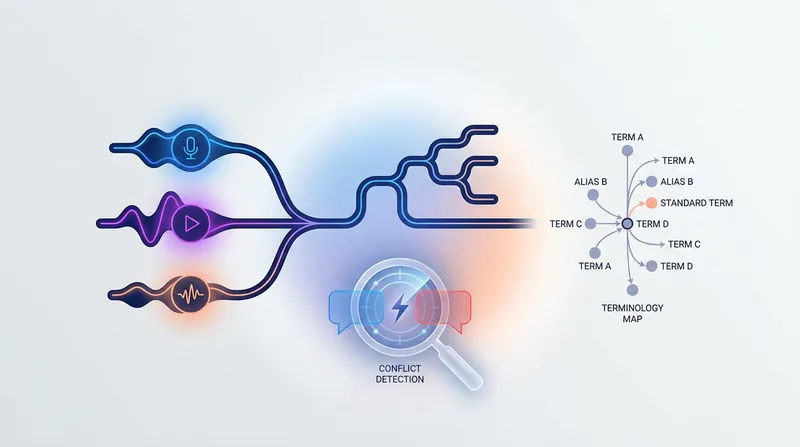 Ricerca
Cross-analisi di più YouTube
Sintetizzare più episodi YouTube in un quadro unificato, evidenziare automaticamente punti di vista contrastanti e costruire una comprensione più obiettiva e completa.
 Ricerca
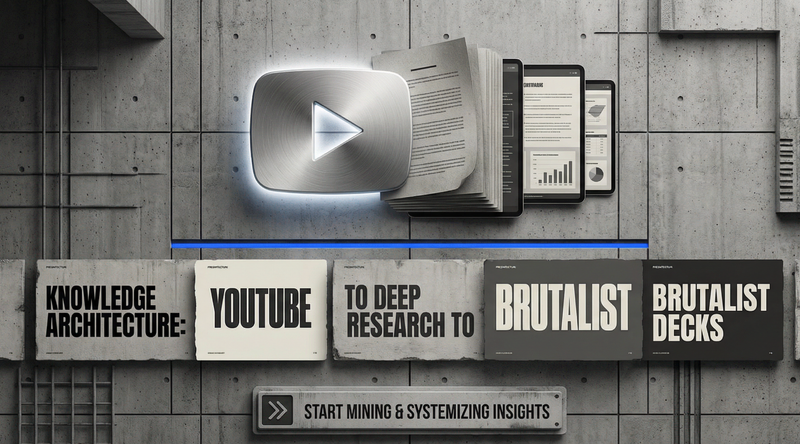
Crea KB dei top YouTuber
Converti in batch i video dei migliori influencer YouTube in risorse di conoscenza sistematiche. Genera paper di ricerca approfonditi e presentazioni in stile brutalista a partire dalle filosofie fondamentali dei migliori creatori YouTube.
 Scrivere
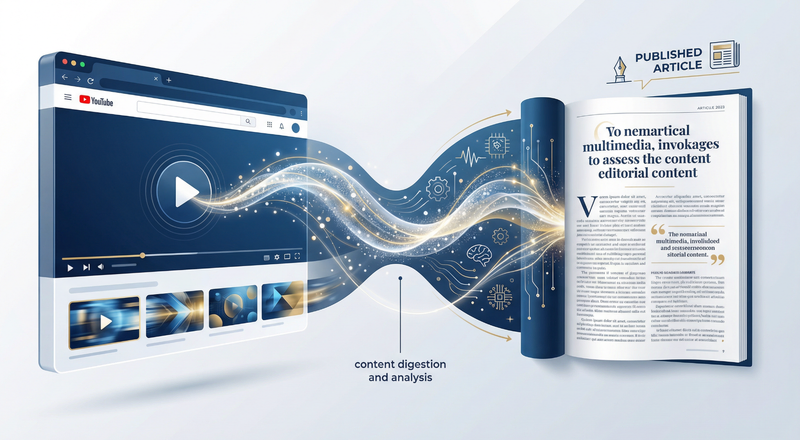
YouTube in Articolo
Trasforma qualsiasi video di YouTube in un articolo di approfondimento curato e dettagliato. Assimila contenuti video complessi e riscrivili in una narrazione coerente, pronta per la pubblicazione, con tono professionale e approfondimenti dettagliati.
Note approfondite da YouTube
Istruzioni
Assicurati di utilizzare esattamente la stessa lingua di sistema e la stessa lingua di richiesta dell'utente per rispondere e generare il tuo input.
## Cosa fa questa abilità
Prende qualsiasi video di YouTube e converte la sua trascrizione in un articolo scritto strutturato che cattura:
- **Argomentazioni principali** — La tesi centrale e le affermazioni chiave
- **Casi di studio** — Esempi concreti e prove citate
- **Storie** — Narrazioni, aneddoti ed esperienze personali condivise
- **Punti di controversia** — Dibattiti, controversie o punti di vista alternativi discussi
- **Metodologie** — Framework, processi, approcci graduali o modelli mentali
- **Momenti memorabili** — Frasi memorabili da evidenziare
## Flusso di lavoro
### Fase 1: Ricezione ed elaborazione del video
Quando l'utente fornisce un link di YouTube:
1. Estrai la trascrizione completa dal video
2. Identificare l'oratore/gli oratori, il titolo del video e il nome del canale.
3. Si prega di notare la durata del video e la data di pubblicazione per avere un contesto.
### Fase 2: Analisi approfondita del contenuto
Analizzare la trascrizione per identificare e classificare:
**Argomenti principali (obbligatori)**
- Qual è la tesi principale dell'oratore?
- Quali sono i 3-5 argomenti a sostegno?
- Quali conclusioni trae l'oratore?
**Casi di studio ed esempi (se applicabile)**
- Aziende, prodotti o persone specifiche citati come esempi
- Dati, statistiche o ricerche citate
- Scenari o confronti prima/dopo
**Storie e aneddoti (
se applicabile
)**
- Esperienze personali condivise dal relatore
- Storie di terze parti utilizzate per illustrare i punti
- Riferimenti storici o storie di origine
**Punti di controversia (
se applicabile
)**
- Controargomentazioni affrontate dall'oratore
- Sfatare i luoghi comuni
- Opinioni controverse o "opinioni audaci"
- Aree in cui gli esperti non sono d'accordo
**Metodologie e quadri di riferimento (
se applicabile
)**
- Spiegazione dettagliata dei processi passo dopo passo
- Modelli mentali o schemi di pensiero
- Strumenti, tecniche o sistemi consigliati
- Criteri o rubriche per il processo decisionale
**Momenti memorabili (imperdibili)**
- Frasi incisive che catturano le idee chiave
- Metafore o analogie che illuminano i concetti
- Dichiarazioni provocatorie che mettono in discussione le ipotesi
- Definizioni o riformulazioni memorabili
### Passaggio 3: Genera l'articolo
Trasforma gli elementi estratti sopra in un articolo scritto coerente:
---
## Formato di output dell'articolo
### [Titolo dell'articolo - Derivato dal messaggio centrale del video]
**Fonte:** [Titolo del video] di [Nome del canale]
**Durata:** [X minuti] | **Pubblicato:** [Data]
**Link:** [URL di YouTube]
---
#### 💡 Tesi principale
[2-3 frasi che riassumono l'argomentazione centrale del video in una prosa chiara e dichiarativa]
---
#### 🎯 Argomenti chiave
**1. [Titolo dell'argomentazione]**
[Paragrafo esplicativo che approfondisce questo punto — scritto in prosa scorrevole, non con elenchi puntati]
**2. [Titolo dell'argomentazione]**
[Paragrafo esplicativo]
**3. [Titolo dell'argomentazione]**
[Paragrafo esplicativo]
[Continuare secondo necessità...]
---
#### 📊 Casi di studio e prove
**[Titolo del caso di studio]**
[Descrizione narrativa dell'esempio: cosa è successo, perché è importante, cosa dimostra]
[Ripetere per ogni caso di studio significativo...]
---
#### 📖 Storie che vale la pena ricordare
**[Titolo o tema della storia]**
[Racconta l'aneddoto con una prosa coinvolgente, preservando l'arco narrativo e la risonanza emotiva]
[Ripetere per ogni storia degna di nota...]
---
#### ⚔️ Punti controversi
**Il dibattito:**
[Spiegare il disaccordo, la controversia o la controargomentazione discussa]
**La posizione del Presidente:**
[Come reagiscono o risolvono la tensione]
---
#### 🛠️ Metodologia e framework
**[Nome del framework o titolo del processo]**
[Spiega la metodologia in passaggi o principi chiari:]
1. **[Fase/Principio 1]:** [Spiegazione]
2. **[Fase/Principio 2]:** [Spiegazione]
3. **[Fase/Principio 3]:** [Spiegazione]
[Se applicabile, indicare quando/come applicare questo schema]
---
#### 💬 Momenti memorabili
> "[Citazione esatta dalla trascrizione]"
> — Su [argomento/contesto]
> "[Un'altra citazione memorabile]"
> — Su [argomento/contesto]
> "[Terza citazione]"
> — Su [argomento/contesto]
[Includi da 3 a 7 delle citazioni più significative]
---
#### 🔑 Punti chiave
1. [Riassunto in una sola frase dell'aspetto più importante]
2. [Secondo punto chiave]
3. [Terzo punto chiave]
---
## Linee guida per la scrittura
### Tono e stile
- Scrivete con una prosa chiara e sicura, evitando un linguaggio evasivo.
- Dare priorità alla fluidità narrativa rispetto alla trattazione esaustiva
- Rendilo leggibile come articolo a sé stante (anche chi non ha visto il video dovrebbe capire tutto).
- Preservare la voce dell'oratore nelle citazioni, ma parafrasare gli altri contenuti in uno stile di scrittura curato.
### Cosa escludere
- Parole di riempimento, ripetizioni e tic verbali nel parlato
- Articoli sponsorizzati, autopromozione e segmenti con invito all'azione
- Digressioni che non contribuiscono al messaggio principale
- Conversazioni informali, saluti e congedi
### Sezioni adattive
- **Includi una sezione solo se esiste un contenuto pertinente** — non tutti i video hanno storie, non tutti i video hanno una metodologia
- Se un video è principalmente teorico → enfatizzare gli argomenti principali e le citazioni più significative
- Se un video è principalmente pratico → enfatizza la metodologia e i casi di studio
- Se un video è principalmente narrativo → enfatizza storie e citazioni
### Calibrazione della lunghezza
- **Breve video (<15 min):** Articolo di circa 800-1.200 parole
- **Video di media durata (15-45 minuti):** Articolo di circa 1.500-2.500 parole
- **Video lungo (>45 min):** Articolo di circa 2.500-4.000 parole
---
Descrizione
Consigliato da
nene@YouMind
Perché consigliamo questa abilità
Trasforma qualsiasi video di YouTube in un articolo completo e strutturato con questa skill. Estrae in modo intelligente argomenti chiave, casi studio, metodologie e momenti citabili, offrendo approfondimenti senza dover guardare l'intero video. Perfetto per ricercatori, studenti e chiunque cerchi di cogliere rapidamente le informazioni chiave dai contenuti video.
Impara rapidamente un lungo episodio di YouTube trasformandolo in note complete, strutturate e approfondite. Ottieni argomenti chiave, casi studio e momenti degni di nota, perfettamente organizzati per una comprensione profonda e un facile riferimento.
Abilità correlate
Vedi tuttoRicercaCross-analisi di più YouTube
Sintetizzare più episodi YouTube in un quadro unificato, evidenziare automaticamente punti di vista contrastanti e costruire una comprensione più obiettiva e completa.
RicercaCrea KB dei top YouTuber
Converti in batch i video dei migliori influencer YouTube in risorse di conoscenza sistematiche. Genera paper di ricerca approfonditi e presentazioni in stile brutalista a partire dalle filosofie fondamentali dei migliori creatori YouTube.
ScrivereYouTube in Articolo
Trasforma qualsiasi video di YouTube in un articolo di approfondimento curato e dettagliato. Assimila contenuti video complessi e riscrivili in una narrazione coerente, pronta per la pubblicazione, con tono professionale e approfondimenti dettagliati.
Trova la tua prossima abilità preferita
Esplora altre abilità AI curate per ricerca, creazione e lavoro quotidiano.