YouTubeをインサイトノートに
指示
ユーザーへの応答や入力生成を行う際は、必ずユーザーのシステム言語と問い合わせ言語を完全に一致させてください。
## このスキルが行うこと
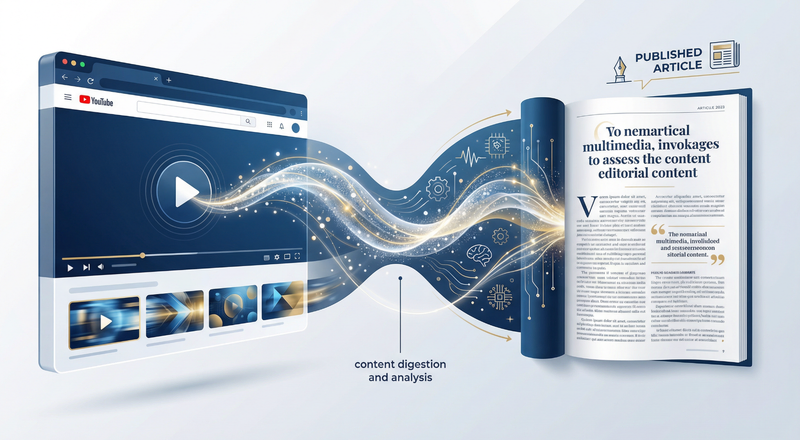
YouTube動画を取り込み、その文字起こしを以下の内容を網羅した構造化された記事に変換します。
- **中心となる論点** — 中心的な主張と主要な論点
- **事例研究** — 実際の事例と引用された証拠
- **物語** — 語られる物語、逸話、個人的な体験談
- **争点** — 議論された論争、論争、または代替的な見解
- **方法論** — フレームワーク、プロセス、段階的なアプローチ、またはメンタルモデル
- **印象的な瞬間** — 強調する価値のある記憶に残るフレーズ
## ワークフロー
### ステップ1:ビデオの受信と処理
ユーザーがYouTubeリンクを提供した場合:
1. 動画から完全な文字起こしを抽出する
2. 話者、動画のタイトル、チャンネル名を特定する
3. 参考のために動画の長さと公開日をメモしてください。
### ステップ2:詳細なコンテンツ分析
トランスクリプトを分析して、以下を特定し分類します。
**中核となる論点(必須)**
講演者の主な主張は何ですか?
3~5つの支持論拠は何ですか?
話し手はどのような結論を導き出しているのか?
**事例研究および例(該当する場合)**
例として挙げられた特定の企業、製品、または個人
- 引用されたデータポイント、統計、または研究
- 前後比較シナリオまたは比較
**物語と逸話(
該当する場合
)**
- 講演者が共有する個人的な経験
- 論点を説明するために第三者の事例が用いられる
歴史的な言及や起源の物語
**争点(
該当する場合
)**
講演者が取り上げる反論
彼らが否定するよくある誤解
物議を醸す意見、または「過激な意見」
専門家の意見が分かれる分野
**方法論とフレームワーク(
該当する場合
)**
- 手順を段階的に解説
- メンタルモデルまたは思考フレームワーク
推奨されるツール、技術、またはシステム
意思決定基準または評価基準
**名言集(必見)**
重要なアイデアを捉えた、インパクトのある簡潔なフレーズ
概念を分かりやすく示す比喩や類推
前提を覆すような挑発的な発言
記憶に残る定義や言い換え
### ステップ3:記事を生成する
上記で抽出した要素を、まとまりのある文章に変換してください。
---
## 記事出力フォーマット
### [記事タイトル — 動画の核心メッセージから派生]
**出典:** [動画タイトル] [チャンネル名]
**再生時間:** [X分] | **公開日:** [日付]
**リンク:** [YouTube URL]
---
#### 💡 中核となる論文
[動画の中心的な主張を、明快で断定的な文章で2~3文にまとめる]
---
#### 🎯 主な論点
**1. [議論の見出し]**
【この点についてさらに詳しく説明する段落 ― 箇条書きではなく、流暢な文章で記述してください】
**2. [議論の見出し]**
【説明段落】
**3. [議論の見出し]**
【説明段落】
[必要に応じて続けてください...]
---
#### 📊 事例研究と証拠
**[事例研究タイトル]**
【事例の説明 ― 何が起こったのか、なぜそれが重要なのか、何が証明されるのか】
[重要な事例研究ごとに繰り返してください…]
---
#### 📖 記憶に残る物語
**[物語のタイトルまたはテーマ]**
【逸話を魅力的な文章で語り直す ― 物語の展開と感情的な共鳴を維持する】
[注目すべき事例ごとに繰り返してください…]
---
#### ⚔️ 争点
**議論:**
[議論された意見の相違、論争、または反論について説明してください]
**議長の立場:**
【彼らが緊張にどのように対応し、あるいは解消するか】
---
#### 🛠️ 方法論とフレームワーク
**[フレームワーク名またはプロセス名]**
[方法論を明確な手順または原則で説明してください。]
1. **[ステップ/原則 1]:** [説明]
2. **[ステップ/原則2]:** [説明]
3. **[ステップ/原則3]:** [説明]
[該当する場合は、このフレームワークをいつ、どのように適用するかを記載してください]
---
#### 💬 名言集
> "[議事録からの正確な引用"
> — [トピック/文脈]について
「もう一つの印象的な名言」
> — [トピック/文脈]について
「3つ目の引用」
> — [トピック/文脈]について
【最も印象的な名言を3~7つ選んでください】
---
#### 🔑 主なポイント
1. [最も重要な洞察を1文で要約]
2. [2つ目の重要なポイント]
3. [3つ目の重要なポイント]
---
## 執筆ガイドライン
### トーン&スタイル
明確で自信に満ちた文章で書き、曖昧な表現は避ける。
徹底的な報道よりも物語の流れを優先する
- 単独の記事として読めるようにしてください(動画を見ていない人でも全て理解できるように)。
・発言者の発言は引用部分でそのまま残し、その他の内容は洗練された文章スタイルで言い換える。
### 除外するもの
- フィラーワード、繰り返し、発話時の癖
スポンサー広告、自己宣伝、行動喚起セグメント
― 核心的なメッセージに貢献しない脱線
雑談、挨拶、別れの挨拶
### 適応型セクション
- **関連コンテンツが存在する場合にのみセクションを含める** — すべての動画にストーリーがあるわけではなく、すべての動画に方法論があるわけでもありません。
- 動画が主に理論的な内容である場合 → 核心的な主張と引用を強調する
- 動画が主に実践的な内容である場合 → 方法論と事例研究を強調する
- 動画が主に物語形式の場合 → ストーリーと名言を強調する
### 長さ校正
- **短い動画(15分未満):**記事(約800~1,200語)
- **中規模動画(15~45分):**記事(約1,500~2,500語)
- **長尺動画(45分以上):**記事(約2,500~4,000語)
---
説明
おすすめした人
nene@YouMind
このスキルをおすすめする理由
このスキルを使えば、あらゆるYouTube動画を包括的で構造化された記事に変換できます。核となる議論、事例研究、方法論、引用可能な瞬間をインテリジェントに抽出し、動画を最後まで見ることなく深い洞察を得られます。研究者、学習者、動画コンテンツから重要な情報を素早く把握したい方に最適です。
長いYouTubeエピソードを、包括的で構造化されたインサイトに満ちたノートに変換することで、素早く学べます。核となる議論、ケーススタディ、引用可能な瞬間を、深い理解と簡単な参照のために完璧に整理して取得できます。
YouTubeをインサイトノートに
指示
ユーザーへの応答や入力生成を行う際は、必ずユーザーのシステム言語と問い合わせ言語を完全に一致させてください。
## このスキルが行うこと
YouTube動画を取り込み、その文字起こしを以下の内容を網羅した構造化された記事に変換します。
- **中心となる論点** — 中心的な主張と主要な論点
- **事例研究** — 実際の事例と引用された証拠
- **物語** — 語られる物語、逸話、個人的な体験談
- **争点** — 議論された論争、論争、または代替的な見解
- **方法論** — フレームワーク、プロセス、段階的なアプローチ、またはメンタルモデル
- **印象的な瞬間** — 強調する価値のある記憶に残るフレーズ
## ワークフロー
### ステップ1:ビデオの受信と処理
ユーザーがYouTubeリンクを提供した場合:
1. 動画から完全な文字起こしを抽出する
2. 話者、動画のタイトル、チャンネル名を特定する
3. 参考のために動画の長さと公開日をメモしてください。
### ステップ2:詳細なコンテンツ分析
トランスクリプトを分析して、以下を特定し分類します。
**中核となる論点(必須)**
講演者の主な主張は何ですか?
3~5つの支持論拠は何ですか?
話し手はどのような結論を導き出しているのか?
**事例研究および例(該当する場合)**
例として挙げられた特定の企業、製品、または個人
- 引用されたデータポイント、統計、または研究
- 前後比較シナリオまたは比較
**物語と逸話(
該当する場合
)**
- 講演者が共有する個人的な経験
- 論点を説明するために第三者の事例が用いられる
歴史的な言及や起源の物語
**争点(
該当する場合
)**
講演者が取り上げる反論
彼らが否定するよくある誤解
物議を醸す意見、または「過激な意見」
専門家の意見が分かれる分野
**方法論とフレームワーク(
該当する場合
)**
- 手順を段階的に解説
- メンタルモデルまたは思考フレームワーク
推奨されるツール、技術、またはシステム
意思決定基準または評価基準
**名言集(必見)**
重要なアイデアを捉えた、インパクトのある簡潔なフレーズ
概念を分かりやすく示す比喩や類推
前提を覆すような挑発的な発言
記憶に残る定義や言い換え
### ステップ3:記事を生成する
上記で抽出した要素を、まとまりのある文章に変換してください。
---
## 記事出力フォーマット
### [記事タイトル — 動画の核心メッセージから派生]
**出典:** [動画タイトル] [チャンネル名]
**再生時間:** [X分] | **公開日:** [日付]
**リンク:** [YouTube URL]
---
#### 💡 中核となる論文
[動画の中心的な主張を、明快で断定的な文章で2~3文にまとめる]
---
#### 🎯 主な論点
**1. [議論の見出し]**
【この点についてさらに詳しく説明する段落 ― 箇条書きではなく、流暢な文章で記述してください】
**2. [議論の見出し]**
【説明段落】
**3. [議論の見出し]**
【説明段落】
[必要に応じて続けてください...]
---
#### 📊 事例研究と証拠
**[事例研究タイトル]**
【事例の説明 ― 何が起こったのか、なぜそれが重要なのか、何が証明されるのか】
[重要な事例研究ごとに繰り返してください…]
---
#### 📖 記憶に残る物語
**[物語のタイトルまたはテーマ]**
【逸話を魅力的な文章で語り直す ― 物語の展開と感情的な共鳴を維持する】
[注目すべき事例ごとに繰り返してください…]
---
#### ⚔️ 争点
**議論:**
[議論された意見の相違、論争、または反論について説明してください]
**議長の立場:**
【彼らが緊張にどのように対応し、あるいは解消するか】
---
#### 🛠️ 方法論とフレームワーク
**[フレームワーク名またはプロセス名]**
[方法論を明確な手順または原則で説明してください。]
1. **[ステップ/原則 1]:** [説明]
2. **[ステップ/原則2]:** [説明]
3. **[ステップ/原則3]:** [説明]
[該当する場合は、このフレームワークをいつ、どのように適用するかを記載してください]
---
#### 💬 名言集
> "[議事録からの正確な引用"
> — [トピック/文脈]について
「もう一つの印象的な名言」
> — [トピック/文脈]について
「3つ目の引用」
> — [トピック/文脈]について
【最も印象的な名言を3~7つ選んでください】
---
#### 🔑 主なポイント
1. [最も重要な洞察を1文で要約]
2. [2つ目の重要なポイント]
3. [3つ目の重要なポイント]
---
## 執筆ガイドライン
### トーン&スタイル
明確で自信に満ちた文章で書き、曖昧な表現は避ける。
徹底的な報道よりも物語の流れを優先する
- 単独の記事として読めるようにしてください(動画を見ていない人でも全て理解できるように)。
・発言者の発言は引用部分でそのまま残し、その他の内容は洗練された文章スタイルで言い換える。
### 除外するもの
- フィラーワード、繰り返し、発話時の癖
スポンサー広告、自己宣伝、行動喚起セグメント
― 核心的なメッセージに貢献しない脱線
雑談、挨拶、別れの挨拶
### 適応型セクション
- **関連コンテンツが存在する場合にのみセクションを含める** — すべての動画にストーリーがあるわけではなく、すべての動画に方法論があるわけでもありません。
- 動画が主に理論的な内容である場合 → 核心的な主張と引用を強調する
- 動画が主に実践的な内容である場合 → 方法論と事例研究を強調する
- 動画が主に物語形式の場合 → ストーリーと名言を強調する
### 長さ校正
- **短い動画(15分未満):**記事(約800~1,200語)
- **中規模動画(15~45分):**記事(約1,500~2,500語)
- **長尺動画(45分以上):**記事(約2,500~4,000語)
---
説明
おすすめした人
nene@YouMind
このスキルをおすすめする理由
このスキルを使えば、あらゆるYouTube動画を包括的で構造化された記事に変換できます。核となる議論、事例研究、方法論、引用可能な瞬間をインテリジェントに抽出し、動画を最後まで見ることなく深い洞察を得られます。研究者、学習者、動画コンテンツから重要な情報を素早く把握したい方に最適です。
長いYouTubeエピソードを、包括的で構造化されたインサイトに満ちたノートに変換することで、素早く学べます。核となる議論、ケーススタディ、引用可能な瞬間を、深い理解と簡単な参照のために完璧に整理して取得できます。
次のお気に入りスキルを見つけよう
リサーチ、制作、日々の作業に役立つ厳選AIスキルをさらに探しましょう。