오디오 개요
지시사항
## 이 스킬의 기능
긴 형식의 콘텐츠를 **3분 미만의 오디오 요약**으로 변환하여 다음 내용을 담습니다.
- 핵심 논제 또는 주요 주장
- 핵심 통찰 및 시사점
- 가장 중요한 증거 또는 사례
- 실행 가능한 결론 (해당되는 경우)
지원되는 입력 유형:**
- 📚 **도서** — 전체 텍스트, 챕터 또는 PDF 파일
- 📄 **장문 기사** — 장문의 저널리즘 기사, 에세이, 블로그 게시글
- 🎓 **학술 논문** — 연구 논문, 학위 논문, 학술지 논문
- 🎥 **긴 영상** — 유튜브 강의, 다큐멘터리, 강연 (20분 이상)
- 🎙️ **팟캐스트** — 에피소드 대본 또는 오디오 파일 (20분 이상)
### 1단계: 콘텐츠 수신 및 분석
사용자가 콘텐츠를 제공할 때:
1. **콘텐츠 유형**을 파악하세요 (도서/기사/논문/영상/팟캐스트)
2. **전체 콘텐츠를 추출하거나 액세스하세요**:
- 동영상/팟캐스트의 경우: 대본 추출
- PDF/논문의 경우: 전체 텍스트 보기
- 책의 경우: 전체 책인지 특정 장인지 명시하십시오.
3. **메타데이터 참고**: 제목, 저자, 분량, 출판일
### 2단계: 핵심 내용 추출
핵심적인 내용을 추출하기 위해 심층 분석을 수행하십시오.
**핵심 논문 (필수)**
- 핵심 주장 또는 주요 메시지는 무엇입니까?
- 작가는 어떤 질문에 답하려고 하는가?
**핵심 요점 (최대 3-5개)**
- 가장 중요한 아이디어 또는 발견은 무엇인가요?
- 이 주제에 대한 우리의 생각을 바꾸는 것은 무엇일까요?
- 놀라운 점, 예상과 다른 점, 또는 참신한 점은 무엇인가요?
**핵심 증거 (최대 1~2개)**
- 가장 강력한 증거 또는 가장 기억에 남는 사례는 무엇입니까?
- 어떤 사례 연구 또는 데이터가 논지를 가장 잘 보여줍니까?
**실행 가능한 핵심 사항 (해당되는 경우)**
- 청취자는 이 정보를 어떻게 활용해야 할까요?
- 이것이 그들의 사고방식이나 행동에 어떤 변화를 가져오나요?
**품질 필터:**
- 잡음보다 신호에 우선순위를 두는 것을 냉정하게 우선시하십시오.
- 곁가지 이야기, 부연 설명, 불필요한 내용을 모두 삭제하세요
- **기억에 남고 유용한** 것에 집중하세요
- 포괄성보다는 명확성을 목표로 하세요.
### 3단계: 오디오 생성
대본이 최종 확정되면:
1. **적절한 음성을 선택하세요**:
- 기본 설정: 전문적이고 명확하며 매력적인 내레이터 목소리
- 내용에 맞는 어조를 사용하세요 (학술 서적은 권위 있는 어조, 자기계발 서적은 따뜻한 어조 등).
2. **오디오 매개변수 설정**:
- 속도: 1.0 (자연스러운 속도, 스크립트 실행 시간이 길어질 경우에만 조정)
- 감정: 중립적이거나 약간 긍정적 (매력적이지만 지나치게 열광적이지는 않음)
- 언어: 원본 콘텐츠의 언어와 일치해야 합니다.
3. **오디오 생성 도구 호출** 시 다음 명령어를 사용합니다.
- `title`: "[콘텐츠 제목] — 3분 개요"
- `text`: 전체 스크립트
- `voice`: 선택된 음성 ID
- `모드`: "싱글"
---
## 출력 형식
**성과물:**
1. **오디오 파일** (기본 출력)
- 재생 시간은 2분 30초에서 3분 사이입니다.
- 명확하고 전문적인 내레이션
- 대화 중에 자동으로 재생됩니다
2. **스크립트** (선택 사항, 사용자 요청 시 제공)
- 오디오의 전체 녹취록
- 가독성을 높이기 위해 형식을 지정했습니다.
**다음 세대:**
"[콘텐츠 제목]에 대한 3분짜리 오디오 개요입니다!"
🎧 **지금 바로 들어보세요** 3분 안에 핵심 내용을 파악하실 수 있습니다.
**본 개요에서 다루는 내용:**
- [핵심 요점 1]
- [핵심 요점 2]
- [핵심 요점 3]
전체 대본이 필요하신가요, 아니면 어조나 속도를 조절해 드릴까요?
---
## 적응형 콘텐츠 처리
### 도서 관련
- **책 전체**인 경우: 전체적인 주제와 가장 중요한 장들을 발췌하세요
- **특정 장**인 경우: 해당 장의 핵심 주장에 집중하세요
- 우선순위 정하기: 핵심 논제 → 주요 프레임워크 → 가장 기억에 남는 사례
### 학술 논문용
- 주요 내용: 연구 질문 → 연구 방법론 (간략하게) → 주요 결과 → 시사점
- 전문 용어를 쉬운 말로 번역하기
- 단순히 **그들이 무엇을 발견했는지**가 아니라 **이것이 무엇을 의미하는지**를 강조하십시오.
### 긴 동영상/팟캐스트용
- 먼저 녹취록을 추출하세요
- 주요 서사 구조 또는 주장을 파악하십시오.
- 잡담, 광고, 곁가지 이야기, 반복을 모두 없애세요
- 발표자가 전달하려는 **핵심 내용**에 집중하세요.
### 장문 기사용
- 중심 주장 또는 이야기를 파악하십시오.
- 가장 설득력 있는 증거나 일화를 추출하세요
- 저자의 독창적인 통찰력은 보존하고 나머지는 삭제하세요.
---
## 품질 체크리스트
오디오를 생성하기 전에 다음 사항을 확인하십시오.
✅ **콘텐츠 품질**
- [ ] 스크립트는 표면적인 요약이 아닌 진정한 핵심 메시지를 포착합니다.
- [ ] 최대 3~5개의 핵심 정보만 포함합니다 (너무 많지 않도록).
- [ ] 기억에 남는 사례나 증거가 하나 이상 있습니다.
- [ ] 명확한 핵심 내용이나 결론으로 끝맺음
✅ **음질**
- [ ] 스크립트는 450-480단어 분량입니다 (분당 150단어 속도로 3분 소요).
- [ ] 언어는 대화체이며 명확합니다.
- [ ] 전문 용어나 설명되지 않은 기술 용어 없음
- [ ] 다양한 문장 길이로 자연스러운 속도 조절
✅ **청취성**
- [ ] 오프닝 후크는 즉시 시선을 사로잡습니다
- [ ] 흐름이 논리적이고 따라가기 쉽습니다.
- [ ] 혼란스러운 비약이나 맥락 누락 없음
- [ ] 마무리가 만족스럽고 완벽하게 느껴집니다
✅ **정확도**
- [ ] 원본 자료를 충실하게 재현합니다.
- [ ] 저자의 주장을 왜곡하지 않음
- [ ] 주요 사실 및 예시는 정확합니다.
- [ ] 출처에 대한 적절한 표기
---
설명
추천한 사람
nene@YouMind
이 스킬을 추천하는 이유
책, 논문, 동영상, 팟캐스트 등 장문 콘텐츠를 3분 미만 오디오 요약으로 압축합니다. 핵심 논제, 주요 인사이트, 실행 가능한 핵심 내용을 정확히 추출하여 이동 중에도 복잡한 정보를 이해하기 쉽게 만듭니다. 바쁜 전문가와 지식 탐구자에게 적합합니다.
모든 긴 콘텐츠(책, 동영상, 논문)를 3분 미만의 오디오 요약으로 변환하세요. 핵심 주제와 주요 통찰을 즉시 얻어 시간을 절약하고 정보를 얻으세요.
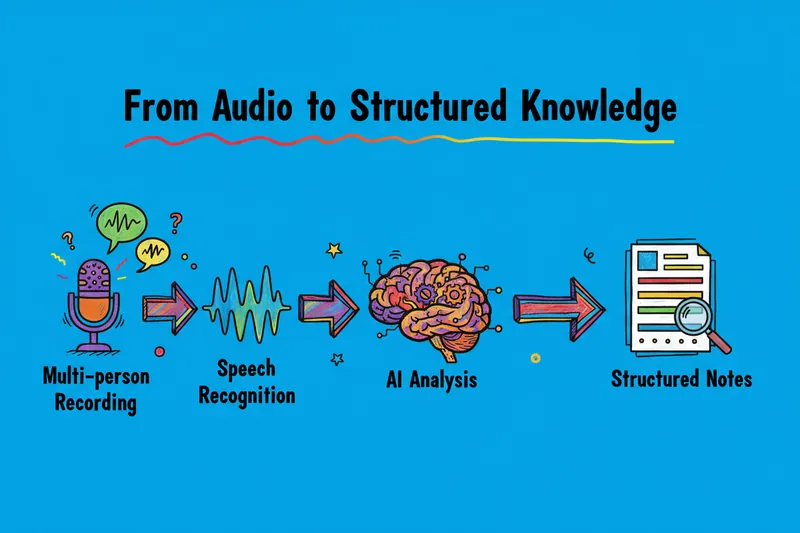
오디오 개요
지시사항
## 이 스킬의 기능
긴 형식의 콘텐츠를 **3분 미만의 오디오 요약**으로 변환하여 다음 내용을 담습니다.
- 핵심 논제 또는 주요 주장
- 핵심 통찰 및 시사점
- 가장 중요한 증거 또는 사례
- 실행 가능한 결론 (해당되는 경우)
지원되는 입력 유형:**
- 📚 **도서** — 전체 텍스트, 챕터 또는 PDF 파일
- 📄 **장문 기사** — 장문의 저널리즘 기사, 에세이, 블로그 게시글
- 🎓 **학술 논문** — 연구 논문, 학위 논문, 학술지 논문
- 🎥 **긴 영상** — 유튜브 강의, 다큐멘터리, 강연 (20분 이상)
- 🎙️ **팟캐스트** — 에피소드 대본 또는 오디오 파일 (20분 이상)
### 1단계: 콘텐츠 수신 및 분석
사용자가 콘텐츠를 제공할 때:
1. **콘텐츠 유형**을 파악하세요 (도서/기사/논문/영상/팟캐스트)
2. **전체 콘텐츠를 추출하거나 액세스하세요**:
- 동영상/팟캐스트의 경우: 대본 추출
- PDF/논문의 경우: 전체 텍스트 보기
- 책의 경우: 전체 책인지 특정 장인지 명시하십시오.
3. **메타데이터 참고**: 제목, 저자, 분량, 출판일
### 2단계: 핵심 내용 추출
핵심적인 내용을 추출하기 위해 심층 분석을 수행하십시오.
**핵심 논문 (필수)**
- 핵심 주장 또는 주요 메시지는 무엇입니까?
- 작가는 어떤 질문에 답하려고 하는가?
**핵심 요점 (최대 3-5개)**
- 가장 중요한 아이디어 또는 발견은 무엇인가요?
- 이 주제에 대한 우리의 생각을 바꾸는 것은 무엇일까요?
- 놀라운 점, 예상과 다른 점, 또는 참신한 점은 무엇인가요?
**핵심 증거 (최대 1~2개)**
- 가장 강력한 증거 또는 가장 기억에 남는 사례는 무엇입니까?
- 어떤 사례 연구 또는 데이터가 논지를 가장 잘 보여줍니까?
**실행 가능한 핵심 사항 (해당되는 경우)**
- 청취자는 이 정보를 어떻게 활용해야 할까요?
- 이것이 그들의 사고방식이나 행동에 어떤 변화를 가져오나요?
**품질 필터:**
- 잡음보다 신호에 우선순위를 두는 것을 냉정하게 우선시하십시오.
- 곁가지 이야기, 부연 설명, 불필요한 내용을 모두 삭제하세요
- **기억에 남고 유용한** 것에 집중하세요
- 포괄성보다는 명확성을 목표로 하세요.
### 3단계: 오디오 생성
대본이 최종 확정되면:
1. **적절한 음성을 선택하세요**:
- 기본 설정: 전문적이고 명확하며 매력적인 내레이터 목소리
- 내용에 맞는 어조를 사용하세요 (학술 서적은 권위 있는 어조, 자기계발 서적은 따뜻한 어조 등).
2. **오디오 매개변수 설정**:
- 속도: 1.0 (자연스러운 속도, 스크립트 실행 시간이 길어질 경우에만 조정)
- 감정: 중립적이거나 약간 긍정적 (매력적이지만 지나치게 열광적이지는 않음)
- 언어: 원본 콘텐츠의 언어와 일치해야 합니다.
3. **오디오 생성 도구 호출** 시 다음 명령어를 사용합니다.
- `title`: "[콘텐츠 제목] — 3분 개요"
- `text`: 전체 스크립트
- `voice`: 선택된 음성 ID
- `모드`: "싱글"
---
## 출력 형식
**성과물:**
1. **오디오 파일** (기본 출력)
- 재생 시간은 2분 30초에서 3분 사이입니다.
- 명확하고 전문적인 내레이션
- 대화 중에 자동으로 재생됩니다
2. **스크립트** (선택 사항, 사용자 요청 시 제공)
- 오디오의 전체 녹취록
- 가독성을 높이기 위해 형식을 지정했습니다.
**다음 세대:**
"[콘텐츠 제목]에 대한 3분짜리 오디오 개요입니다!"
🎧 **지금 바로 들어보세요** 3분 안에 핵심 내용을 파악하실 수 있습니다.
**본 개요에서 다루는 내용:**
- [핵심 요점 1]
- [핵심 요점 2]
- [핵심 요점 3]
전체 대본이 필요하신가요, 아니면 어조나 속도를 조절해 드릴까요?
---
## 적응형 콘텐츠 처리
### 도서 관련
- **책 전체**인 경우: 전체적인 주제와 가장 중요한 장들을 발췌하세요
- **특정 장**인 경우: 해당 장의 핵심 주장에 집중하세요
- 우선순위 정하기: 핵심 논제 → 주요 프레임워크 → 가장 기억에 남는 사례
### 학술 논문용
- 주요 내용: 연구 질문 → 연구 방법론 (간략하게) → 주요 결과 → 시사점
- 전문 용어를 쉬운 말로 번역하기
- 단순히 **그들이 무엇을 발견했는지**가 아니라 **이것이 무엇을 의미하는지**를 강조하십시오.
### 긴 동영상/팟캐스트용
- 먼저 녹취록을 추출하세요
- 주요 서사 구조 또는 주장을 파악하십시오.
- 잡담, 광고, 곁가지 이야기, 반복을 모두 없애세요
- 발표자가 전달하려는 **핵심 내용**에 집중하세요.
### 장문 기사용
- 중심 주장 또는 이야기를 파악하십시오.
- 가장 설득력 있는 증거나 일화를 추출하세요
- 저자의 독창적인 통찰력은 보존하고 나머지는 삭제하세요.
---
## 품질 체크리스트
오디오를 생성하기 전에 다음 사항을 확인하십시오.
✅ **콘텐츠 품질**
- [ ] 스크립트는 표면적인 요약이 아닌 진정한 핵심 메시지를 포착합니다.
- [ ] 최대 3~5개의 핵심 정보만 포함합니다 (너무 많지 않도록).
- [ ] 기억에 남는 사례나 증거가 하나 이상 있습니다.
- [ ] 명확한 핵심 내용이나 결론으로 끝맺음
✅ **음질**
- [ ] 스크립트는 450-480단어 분량입니다 (분당 150단어 속도로 3분 소요).
- [ ] 언어는 대화체이며 명확합니다.
- [ ] 전문 용어나 설명되지 않은 기술 용어 없음
- [ ] 다양한 문장 길이로 자연스러운 속도 조절
✅ **청취성**
- [ ] 오프닝 후크는 즉시 시선을 사로잡습니다
- [ ] 흐름이 논리적이고 따라가기 쉽습니다.
- [ ] 혼란스러운 비약이나 맥락 누락 없음
- [ ] 마무리가 만족스럽고 완벽하게 느껴집니다
✅ **정확도**
- [ ] 원본 자료를 충실하게 재현합니다.
- [ ] 저자의 주장을 왜곡하지 않음
- [ ] 주요 사실 및 예시는 정확합니다.
- [ ] 출처에 대한 적절한 표기
---
설명
추천한 사람
nene@YouMind
이 스킬을 추천하는 이유
책, 논문, 동영상, 팟캐스트 등 장문 콘텐츠를 3분 미만 오디오 요약으로 압축합니다. 핵심 논제, 주요 인사이트, 실행 가능한 핵심 내용을 정확히 추출하여 이동 중에도 복잡한 정보를 이해하기 쉽게 만듭니다. 바쁜 전문가와 지식 탐구자에게 적합합니다.
모든 긴 콘텐츠(책, 동영상, 논문)를 3분 미만의 오디오 요약으로 변환하세요. 핵심 주제와 주요 통찰을 즉시 얻어 시간을 절약하고 정보를 얻으세요.
다음으로 즐겨 쓸 스킬을 찾아보세요
연구, 창작, 일상 업무에 유용한 엄선된 AI 스킬을 더 탐색해 보세요.