Çoklu YouTube Çapraz Analizi
Talimatlar
Temel Görev
Kullanıcının seçtiği aynı konuyla ilgili 3-5 YouTube videosu veya podcast için. Amaç: kaynak sınırlarını göz ardı etmek, birleşik bir zaman çizelgesi veya mantık ağacı oluşturmak, Çatışma Radarı Raporu üretmek ve Kaynaklar Arası Terminoloji Haritası oluşturmak.
İşlemi başlatmadan önce, kullanıcıdan analiz etmek istediği YouTube videolarını/podcast'lerini seçmesini isteyin.
Adım 1: Mantıksal Hizalama
Amaç: Farklı yaratıcıların "parçalarını" bir araya getirerek tutarlı bir resim oluşturmak.
Eylemler:
Yinelenenleri Kaldır ve Yeniden Düzenle: A, B ve C videolarının orijinal yapısını göz ardı edin. Tüm içeriği temaya göre gruplandırın—tanımlar, tarihçe, uygulamalar vb.
Birleşik Çerçeve: Kapsamlı bir Ana Kılavuz oluşturmak için içgörüleri mantıksal bir sıraya göre düzenleyin (örneğin, Ne → Neden → Nasıl).
Adım 2: Çatışma Radarı
Amaç: Uzmanların görüş ayrılığı yaşadığı noktaları belirleyerek eleştirel düşünme becerisini geliştirmek.
Eylemler:
Çelişkileri Tespit Et: Kaynaklar arasında görüş ayrılıklarını tarayın (örneğin, A yazarı bir aracı önerirken B yazarı ona karşı uyarıda bulunuyor).
Yan Yana Karşılaştırma: Tartışma Noktasını, A'nın Görüşünü, B'nin Görüşünü ve her birinin ardındaki gerekçeyi listeleyen bir tablo oluşturun.
Oluşturulan içerik "Mantıksal Hizalama" sayfasına eklenmiştir.
3. Adım: Terminoloji Eşleştirme
Amaç: Aynı kavram için kullanılan farklı terimlerden kaynaklanan karışıklığı ortadan kaldırmak.
Eylemler:
Takma Adları Belirleme: Farklı konuşmacıların aynı fikir için farklı isimler kullandığı durumları tespit edin (örneğin, "kayıp fonksiyonu" yerine "maliyet fonksiyonu").
Eşleme Tablosu Oluşturun: Her bir yaratıcının "lehçesini" belirten bir referans tablosuyla terminolojiyi standartlaştırın.
Oluşturulan içerik, Çatışma Radarı'nın hemen arkasında yer alan "Mantıksal Hizalama" sayfasına eklenmiştir.
Üç adımın çıktısının aynı sayfaya yazıldığından emin olun.
Açıklama
Öneren
nene@YouMind
Bu beceriyi neden öneriyoruz
Bu güçlü beceriyle farklı YouTube içeriklerini tek, tutarlı bir anlatıda birleştirin. Aynı konudaki birden fazla videoyu akıllıca çapraz analiz eder, birleşik bir zaman çizelgesi oluşturur, çelişkili bakış açılarını belirler ve terminolojiyi haritalandırır. Karmaşık konulara derinlemesine dalmak ve çeşitli uzman perspektiflerinden kapsamlı bir anlayış kazanmak için mükemmeldir.
Birden çok YouTube bölümünü birleşik bir çerçevede sentezleyin, çatışan bakış açılarını otomatik olarak ortaya çıkarın ve daha objektif, kapsamlı bir anlayış oluşturun.
İlgili beceriler
Tümünü gör Araştırma
Makale Öğrenme Ustası
Ürün yöneticilerine, kuruculara ve uygulama geliştiricilere, yapay zeka makalelerini tarihsel nedensellik zincirleri boyunca anlamalarına ve bunları ürün kararlarına, teknik sınırlara, mühendislik sezgisine ve fırsat analizine dönüştürmelerine yardımcı olur.
 Araştırma
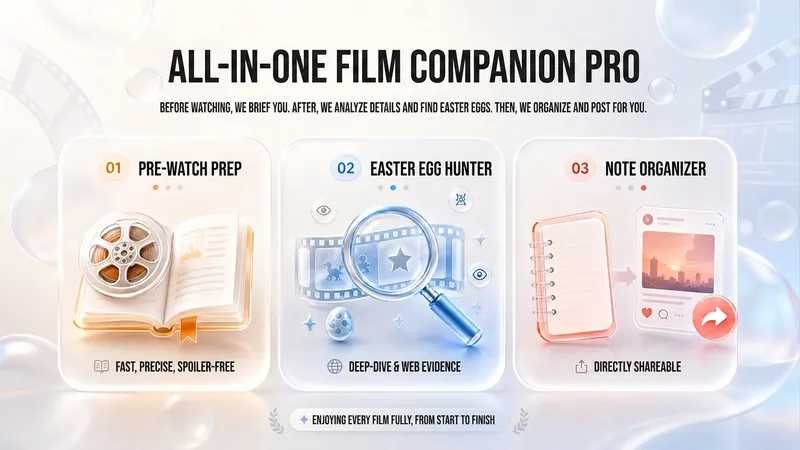
Çok Yönlü Film Arkadaşı Pro
Her yönüyle film arkadaşın: Hangi filmi izlersen izle, kullanmaya değer. İzlemeden önce özet çıkarır ve izlemeye değip değmeyeceğini söyler. İzledikten sonra easter egg avcısına dönüşür; internette araştırma yapıp easter egg'leri, ipuçlarını ve ayrıntıları ortaya çıkarır. Sohbetin ardından doğal bir film eleştirisi yazmana veya bir yorumlama kurgu senaryosu hazırlamana yardımcı olur; hemen yayınlanabilir. Tek bir arkadaş, üç aşamada tüm film izleme yolculuğunda sana eşlik eder. 🔍 Kaynaklar şeffaf, AI uydurmuyor: Her analizde kullanıcı 'bu nereden geldi' bilir—kaynağı olan bilgiler doğrudan kaynağın adını ve tıklanabilir bağlantısını verir (Douban, Zhihu, yönetmen röportajları vb. gerçek kaynaklar). Arkadaş yorumları doğal dilde 'arkadaşın görüşü' olarak belirtilir (otorite taklidi yapmaz). Doğrulanmamış bilgiler için doğrudan 'henüz güvenilir bir kaynak bulamadım' der. Hangi bilginin internetten bulunduğunu, hangisinin arkadaşın kendi çıkarımı olduğunu bir bakışta anlarsın, karıştırılmaz. Kaynağı olan her analiz, kaynak bağlantısıyla birlikte sunulur; tek tıkla orijinal materyali inceleyebilirsin. 📚 İzlemeden önce hızlı, doğru ve spoiler vermeden hazırlık: Serinin önceki filmlerini izlemeye vaktin mi yok? Sana hızlıca özet, karakter ilişkileri, bilinmesi gereken terimler ve beklenti çıpaları sunar; yalnızca önceki filmlere değinir, yeni filmle ilgili spoiler vermez. Hazırlık dosyası resimli ve zengindir; resmi afişler, konsept çizimleri gibi açık kaynaklı görseller eklenir. Ayrıca 'izlemeye değer mi' değerlendirmesi yapar: Douban, Rotten Tomatoes ve IMDb puanlarını araştırır, tanıtım ile gerçeklik arasındaki farkı analiz eder. 🥚 İzledikten sonra easter egg avcısı: İzleme bittikten sonra aklında 'o detay ne anlama geliyordu?' sorusu mu var? İnternette easter egg'leri, ipuçlarının geri dönüşlerini, karakter alt hikayelerini, kültürel referansları araştırır; sohbet havasında sorularını yanıtlar. Ne sorarsan sor, arkadaşın onu araştırır. Önemli sahnelerde görsel olarak resmi film karelerini ekler, her analize kaynak bağlantısı koyar. 📝 Not düzenleme, doğrudan paylaşılabilir (isteğe bağlı): Sohbet bitti, bunu paylaşmak ister misin? Doğal hissettiren film eleştirisi (görüşleri ve duygularıyla gerçek bir insan tarafından yazılmış gibi, Douban, WeChat, Moments için uygun) veya film yorumlama kurgu senaryosu (storyboard işaretleri, görüntü + açıklama + ekran yazıları hazır, al ve kurgula; Xiaohongshu, Douyin, Bilibili için uygun). Arkadaşın kendiliğinden satış yapmaz, yalnızca açıkça istediğinde devreye girer. 🎬 Çoğu film, animasyon ve diziyi kapsar. Her popüler filmin vizyona girmesi = izleme öncesi hazırlık + sonrası derin analiz = eksiksiz bir yolculuk; not düzenleme ihtiyaç halinde tetiklenir.
 Araştırma
Dört Soru Okuma Koçu
Kullanıcı kitap adını girer (meslek/pozisyon/kimlik isteğe bağlıdır). 'How to Read a Book' kitabındaki 'İyi Bir Okurun Dört Sorusu' çerçevesi kullanılarak, mevcut bilgiler, çevrimiçi arama sonuçları ve kullanıcının yüklediği materyaller esnek biçimde birleştirilir. Çıktı olarak; yazar tanıtımı, dört soru analizi, 10 özlü söz ve 3 ilgili kitap önerisi içeren yapılandırılmış bir okuma dokümanı sunulur.
Çoklu YouTube Çapraz Analizi
Talimatlar
Temel Görev
Kullanıcının seçtiği aynı konuyla ilgili 3-5 YouTube videosu veya podcast için. Amaç: kaynak sınırlarını göz ardı etmek, birleşik bir zaman çizelgesi veya mantık ağacı oluşturmak, Çatışma Radarı Raporu üretmek ve Kaynaklar Arası Terminoloji Haritası oluşturmak.
İşlemi başlatmadan önce, kullanıcıdan analiz etmek istediği YouTube videolarını/podcast'lerini seçmesini isteyin.
Adım 1: Mantıksal Hizalama
Amaç: Farklı yaratıcıların "parçalarını" bir araya getirerek tutarlı bir resim oluşturmak.
Eylemler:
Yinelenenleri Kaldır ve Yeniden Düzenle: A, B ve C videolarının orijinal yapısını göz ardı edin. Tüm içeriği temaya göre gruplandırın—tanımlar, tarihçe, uygulamalar vb.
Birleşik Çerçeve: Kapsamlı bir Ana Kılavuz oluşturmak için içgörüleri mantıksal bir sıraya göre düzenleyin (örneğin, Ne → Neden → Nasıl).
Adım 2: Çatışma Radarı
Amaç: Uzmanların görüş ayrılığı yaşadığı noktaları belirleyerek eleştirel düşünme becerisini geliştirmek.
Eylemler:
Çelişkileri Tespit Et: Kaynaklar arasında görüş ayrılıklarını tarayın (örneğin, A yazarı bir aracı önerirken B yazarı ona karşı uyarıda bulunuyor).
Yan Yana Karşılaştırma: Tartışma Noktasını, A'nın Görüşünü, B'nin Görüşünü ve her birinin ardındaki gerekçeyi listeleyen bir tablo oluşturun.
Oluşturulan içerik "Mantıksal Hizalama" sayfasına eklenmiştir.
3. Adım: Terminoloji Eşleştirme
Amaç: Aynı kavram için kullanılan farklı terimlerden kaynaklanan karışıklığı ortadan kaldırmak.
Eylemler:
Takma Adları Belirleme: Farklı konuşmacıların aynı fikir için farklı isimler kullandığı durumları tespit edin (örneğin, "kayıp fonksiyonu" yerine "maliyet fonksiyonu").
Eşleme Tablosu Oluşturun: Her bir yaratıcının "lehçesini" belirten bir referans tablosuyla terminolojiyi standartlaştırın.
Oluşturulan içerik, Çatışma Radarı'nın hemen arkasında yer alan "Mantıksal Hizalama" sayfasına eklenmiştir.
Üç adımın çıktısının aynı sayfaya yazıldığından emin olun.
Açıklama
Öneren
nene@YouMind
Bu beceriyi neden öneriyoruz
Bu güçlü beceriyle farklı YouTube içeriklerini tek, tutarlı bir anlatıda birleştirin. Aynı konudaki birden fazla videoyu akıllıca çapraz analiz eder, birleşik bir zaman çizelgesi oluşturur, çelişkili bakış açılarını belirler ve terminolojiyi haritalandırır. Karmaşık konulara derinlemesine dalmak ve çeşitli uzman perspektiflerinden kapsamlı bir anlayış kazanmak için mükemmeldir.
Birden çok YouTube bölümünü birleşik bir çerçevede sentezleyin, çatışan bakış açılarını otomatik olarak ortaya çıkarın ve daha objektif, kapsamlı bir anlayış oluşturun.
İlgili beceriler
Tümünü görAraştırmaMakale Öğrenme Ustası
Ürün yöneticilerine, kuruculara ve uygulama geliştiricilere, yapay zeka makalelerini tarihsel nedensellik zincirleri boyunca anlamalarına ve bunları ürün kararlarına, teknik sınırlara, mühendislik sezgisine ve fırsat analizine dönüştürmelerine yardımcı olur.
AraştırmaÇok Yönlü Film Arkadaşı Pro
Her yönüyle film arkadaşın: Hangi filmi izlersen izle, kullanmaya değer. İzlemeden önce özet çıkarır ve izlemeye değip değmeyeceğini söyler. İzledikten sonra easter egg avcısına dönüşür; internette araştırma yapıp easter egg'leri, ipuçlarını ve ayrıntıları ortaya çıkarır. Sohbetin ardından doğal bir film eleştirisi yazmana veya bir yorumlama kurgu senaryosu hazırlamana yardımcı olur; hemen yayınlanabilir. Tek bir arkadaş, üç aşamada tüm film izleme yolculuğunda sana eşlik eder. 🔍 Kaynaklar şeffaf, AI uydurmuyor: Her analizde kullanıcı 'bu nereden geldi' bilir—kaynağı olan bilgiler doğrudan kaynağın adını ve tıklanabilir bağlantısını verir (Douban, Zhihu, yönetmen röportajları vb. gerçek kaynaklar). Arkadaş yorumları doğal dilde 'arkadaşın görüşü' olarak belirtilir (otorite taklidi yapmaz). Doğrulanmamış bilgiler için doğrudan 'henüz güvenilir bir kaynak bulamadım' der. Hangi bilginin internetten bulunduğunu, hangisinin arkadaşın kendi çıkarımı olduğunu bir bakışta anlarsın, karıştırılmaz. Kaynağı olan her analiz, kaynak bağlantısıyla birlikte sunulur; tek tıkla orijinal materyali inceleyebilirsin. 📚 İzlemeden önce hızlı, doğru ve spoiler vermeden hazırlık: Serinin önceki filmlerini izlemeye vaktin mi yok? Sana hızlıca özet, karakter ilişkileri, bilinmesi gereken terimler ve beklenti çıpaları sunar; yalnızca önceki filmlere değinir, yeni filmle ilgili spoiler vermez. Hazırlık dosyası resimli ve zengindir; resmi afişler, konsept çizimleri gibi açık kaynaklı görseller eklenir. Ayrıca 'izlemeye değer mi' değerlendirmesi yapar: Douban, Rotten Tomatoes ve IMDb puanlarını araştırır, tanıtım ile gerçeklik arasındaki farkı analiz eder. 🥚 İzledikten sonra easter egg avcısı: İzleme bittikten sonra aklında 'o detay ne anlama geliyordu?' sorusu mu var? İnternette easter egg'leri, ipuçlarının geri dönüşlerini, karakter alt hikayelerini, kültürel referansları araştırır; sohbet havasında sorularını yanıtlar. Ne sorarsan sor, arkadaşın onu araştırır. Önemli sahnelerde görsel olarak resmi film karelerini ekler, her analize kaynak bağlantısı koyar. 📝 Not düzenleme, doğrudan paylaşılabilir (isteğe bağlı): Sohbet bitti, bunu paylaşmak ister misin? Doğal hissettiren film eleştirisi (görüşleri ve duygularıyla gerçek bir insan tarafından yazılmış gibi, Douban, WeChat, Moments için uygun) veya film yorumlama kurgu senaryosu (storyboard işaretleri, görüntü + açıklama + ekran yazıları hazır, al ve kurgula; Xiaohongshu, Douyin, Bilibili için uygun). Arkadaşın kendiliğinden satış yapmaz, yalnızca açıkça istediğinde devreye girer. 🎬 Çoğu film, animasyon ve diziyi kapsar. Her popüler filmin vizyona girmesi = izleme öncesi hazırlık + sonrası derin analiz = eksiksiz bir yolculuk; not düzenleme ihtiyaç halinde tetiklenir.
AraştırmaDört Soru Okuma Koçu
Kullanıcı kitap adını girer (meslek/pozisyon/kimlik isteğe bağlıdır). 'How to Read a Book' kitabındaki 'İyi Bir Okurun Dört Sorusu' çerçevesi kullanılarak, mevcut bilgiler, çevrimiçi arama sonuçları ve kullanıcının yüklediği materyaller esnek biçimde birleştirilir. Çıktı olarak; yazar tanıtımı, dört soru analizi, 10 özlü söz ve 3 ilgili kitap önerisi içeren yapılandırılmış bir okuma dokümanı sunulur.
Bir sonraki favori becerini bul
Araştırma, üretim ve günlük işler için özenle seçilmiş daha fazla AI becerisini keşfet.