AI Proje Doğrulama Sistemi
Fikri Doğrula,Varsayımları Çöz,Maliyeti Azalt
Açıklama
Bu beceriyi neden öneriyoruz
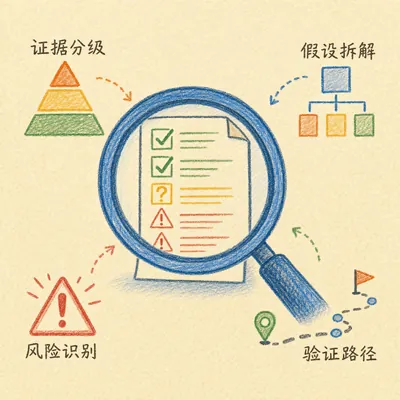
Bu beceri, girişim fikirlerini titiz doğrulama yollarına dönüştürür, varsayımları sistematik olarak parçalar, riskleri belirler ve uygulanabilir doğrulama planları oluşturarak deneme maliyetlerinizi verimli bir şekilde düşürmenize yardımcı olur.
Bu beceri, girişimciler, ürün yöneticileri ve yenilikçi ekipler için kapsamlı bir ürün veya proje doğrulama analizi sunar. Kullanıcıların yeni fikirlerinin pazar potansiyelini, risk noktalarını ve doğrulama yolunu derinlemesine incelemesine yardımcı olur; böylece büyük kaynaklar yatırmadan önce projenin temel varsayımları hakkında net bir anlayışa sahip olunur. Çok boyutlu analiz sayesinde bu beceri, projenin hangi aşamada olduğunu değerlendirir, temel varsayımları belirler ve bir varsayım bağımlılık grafiği oluşturarak projenin en kırılgan ve tehlikeli noktalarını ortaya çıkarır. Ayrıca hedef kullanıcı rol zincirini, mevcut alternatiflerin gücünü ve çözümünüzün '10 kat iyileştirme' potansiyeline sahip olup olmadığını analiz eder. Kullanıcıların potansiyel 'ölüm sorularını' tanımlamasına, karşı-olgusal başarısızlık analizi yapmasına ve daha fazla olasılık keşfetmek için birden fazla konumlandırma varyantı oluşturmasına yardımcı olur. Ticarileştirme açısından, bu beceri kullanıcıya uygun iş modelini seçme, kullanıcıların ödeme yapma nedenlerini ve satın alma tetikleyicilerini ayrıştırma ve başlangıç fiyatlandırma mantığı önerme konusunda yardımcı olur. Ayrıca Minimum Satılabilir Ürün (MVS) planlaması yapar, pazara giriş (GTM) başlangıç yolunu ve kaynak eşleştirme önerilerini belirler. Son olarak, bu beceri ayrıntılı analiz, 7 günlük ve 30 günlük doğrulama planı ile net aşama kapısı kararları ve sonraki adım kılavuzu içeren katmanlı bir rapor sunar; böylece kullanıcılar temel varsayımları minimum maliyetle hızlıca doğrulayabilir.
İlgili beceriler
Tümünü gör
Girişim Fırsatı Radarı
“Para kazandırabilir” düşüncesini “Hangi kanıtları doğrulamaya değer?” sorusuna dönüştürür. Tek kişilik şirketler, mikro SaaS ürünleri, yapay zekâ araçları, dijital ürünler, veri ürünleri, tedarik zincirine dayalı fiziksel ürünler ve işlem hizmetleri için erken aşamadaki iş fırsatlarını keşfedip filtrelemenize yardımcı olur. Gerçek kullanıcı sorunlarından, alternatif davranışlardan, ödeme eylemlerinden ve sektördeki değişimlerden yola çıkarak popüler trendleri, arama hacmini veya dağınık şikâyetleri yanlışlıkla talep sanmanızı önler. Yeni girişim alanlarını taratabilir ya da tek bir ürün fikrini, sektörü, bağlantıyı, ekran görüntüsünü, planı, satış geri bildirimini veya geçmiş fırsat listesini paylaşarak tekil değerlendirme, doğrulama tasarımı ya da dönemsel inceleme yaptırabilirsiniz. Analiz; gerçekleri, çıkarımları, varsayımları ve karşıt kanıtları birbirinden ayırır. Alıcıları, kullanım senaryolarını, rekabet farkını, veri ve tedarik zincirinin yasal uygunluğunu, müşteri edinme kanallarını, standardizasyon potansiyelini, bakım maliyetlerini ve ilgili sorumluluk risklerini inceler. Kanıt yetersiz olduğunda pazar büyüklüğü veya satın alma isteği uydurmak yerine bunu açıkça belirtir. Sonuç olarak net bir fırsat değerlendirmesi, fırsat kalitesi ve kullanıcılara ulaşmaya hazır olma düzeyi analizi alırsınız. Ayrıca en riskli varsayımlara odaklanan, doğrulama adımlarını, aşama bütçesini, kabul edilebilir azami kaybı, geçme eşiğini ve durdurma eşiğini içeren minimum doğrulama planı sunulur. Hangi fırsatların araştırılmaya devam etmeye değer olduğuna karar vermenize yardımcı olur; aynı zamanda “izle”, “daha fazla kanıt topla” veya “bu dönemde başlatma” sonucuna varmanıza olanak tanır. Böylece girişim yatırımını daha kontrol edilebilir hâle getirirken, zamanla tekrarlanabilir satışa ve uzun vadeli bir varlığa dönüşebilecek ürünler oluşturabilirsiniz.
Yurtdışı Araç Siteleri Analizi
Yurtdışı araç siteleri için düşük rekabetli, yüksek potansiyelli girişim fırsatları mı arıyorsunuz? Bu beceri, bağımsız geliştiriciler, SEO site yöneticileri ve AI araç girişimcileri için tasarlanmış olup, size büyük pazar verileri içinden gerçekten değerli yönleri hassas bir şekilde belirlemenize yardımcı olur. Pazar fikirlerinizi, anahtar kelimelerinizi veya rakip ürünlerinizi derinlemesine analiz ederek, kullanıcıların sorun noktalarını, kullanım senaryolarını ve potansiyel ticari değerini ortaya çıkarır. Ayrıntılı arama niyeti analizi sayesinde, 'jeneratör', 'dönüştürücü', 'denetleyici' gibi araç tipi anahtar kelimeleri genişletir ve net bir kullanıcı talebi, topluluk şikayetleri ve ticarileşme olasılığı olup olmadığını değerlendirir. Hangi fikirlerin SEO trafik girişi olarak uygun olduğunu, hangilerinin etkili bir şekilde potansiyel müşteri kazanabileceğini ve hangilerinin sürdürülebilir ücretli ürün veya SaaS'a dönüşme potansiyeline sahip olduğunu ayırt etmenize yardımcı olur, böylece körü körüne yatırım yapmaktan kaçınırsınız. Özellikle, bu beceri araçların tekrar kullanım potansiyeline odaklanır ve küçük ekiplere uygun, uygulaması basit ve karmaşık operasyonlara bağlı olmayan fırsatları önceliklendirir. Sonuç olarak, ayrıntılı kullanıcı profilleri, sorun noktaları, anahtar kelime stratejileri, rakip analizi, ticarileşme sinyalleri ve Minimum Uygulanabilir Ürün (MVP) önerileri içeren, net bir şekilde sıralanmış aday yönler listesi elde edersiniz. Bu, karar riskinizi azaltır ve girişim başarı şansınızı artırır.

Plan Zafiyet Tarayıcısı
🛡️ **Tek Cümlelik Değer**: Planını, projeni veya kararını gir; AI kırmızı takım uzmanı tüm potansiyel zafiyetleri sistematik olarak bulur, başarısızlıktan önce riskleri görmeni sağlar. 🔍 **Temel Özellikler**: - **Beş boyutlu kırmızı takım taraması**: Mantıksal varsayımlar, pazar ve kullanıcılar, rekabet ve ikameler, yürütme ve kaynaklar, finansal kârlılık — her açıdan saldırı. - **Ciddiyet derecelendirmesi**: Ölümcül🔴 / Ciddi🟠 / Orta🟡 / Hafif🟢 — önce neyi çözmen gerektiğini bilirsin. - **Şeffaf saldırı mantığı**: Her risk noktası, kırmızı takımın muhakeme sürecini içerir; uydurma değildir. - **Puanlama sistemi**: Beş ana boyut için bağımsız puanlama + toplam güvenilirlik puanı. - **Uygulanabilir azaltma önerileri**: Sadece kusur bulmaz, ne yapman gerektiğini de söyler. 🎯 **Kullanım Senaryoları**: - 📄 İş planı/BP: Yatırımcıya görüşmeden önce tüm mantık açıklarını kapat. - 🚀 Yeni ürün/yeni özellik onayı: Yayınlamadan önce kırmızı takım testi yaparak tuzaklardan kaçının. - 📊 Stratejik kararlar: Pazara giriş, birleşme ve satın alma, dönüşüm gibi büyük kararların risklerini değerlendir. - 💰 Fon toplama/bütçe planları: Finansal tahminlerdeki en zayıf varsayımları bul. - 🏗️ Proje yürütme planı: Başlamadan önce yürütme yolundaki tuzakları keşfet. 👩💼 **Hedef Kitle**: Girişimciler, ürün yöneticileri, strateji sorumluları, yatırımcılar, proje yöneticileri — plan kararları vermesi gereken herkes.
AI Proje Doğrulama Sistemi
Fikri Doğrula,Varsayımları Çöz,Maliyeti Azalt
Açıklama
Bu beceriyi neden öneriyoruz
Bu beceri, girişim fikirlerini titiz doğrulama yollarına dönüştürür, varsayımları sistematik olarak parçalar, riskleri belirler ve uygulanabilir doğrulama planları oluşturarak deneme maliyetlerinizi verimli bir şekilde düşürmenize yardımcı olur.
Bu beceri, girişimciler, ürün yöneticileri ve yenilikçi ekipler için kapsamlı bir ürün veya proje doğrulama analizi sunar. Kullanıcıların yeni fikirlerinin pazar potansiyelini, risk noktalarını ve doğrulama yolunu derinlemesine incelemesine yardımcı olur; böylece büyük kaynaklar yatırmadan önce projenin temel varsayımları hakkında net bir anlayışa sahip olunur. Çok boyutlu analiz sayesinde bu beceri, projenin hangi aşamada olduğunu değerlendirir, temel varsayımları belirler ve bir varsayım bağımlılık grafiği oluşturarak projenin en kırılgan ve tehlikeli noktalarını ortaya çıkarır. Ayrıca hedef kullanıcı rol zincirini, mevcut alternatiflerin gücünü ve çözümünüzün '10 kat iyileştirme' potansiyeline sahip olup olmadığını analiz eder. Kullanıcıların potansiyel 'ölüm sorularını' tanımlamasına, karşı-olgusal başarısızlık analizi yapmasına ve daha fazla olasılık keşfetmek için birden fazla konumlandırma varyantı oluşturmasına yardımcı olur. Ticarileştirme açısından, bu beceri kullanıcıya uygun iş modelini seçme, kullanıcıların ödeme yapma nedenlerini ve satın alma tetikleyicilerini ayrıştırma ve başlangıç fiyatlandırma mantığı önerme konusunda yardımcı olur. Ayrıca Minimum Satılabilir Ürün (MVS) planlaması yapar, pazara giriş (GTM) başlangıç yolunu ve kaynak eşleştirme önerilerini belirler. Son olarak, bu beceri ayrıntılı analiz, 7 günlük ve 30 günlük doğrulama planı ile net aşama kapısı kararları ve sonraki adım kılavuzu içeren katmanlı bir rapor sunar; böylece kullanıcılar temel varsayımları minimum maliyetle hızlıca doğrulayabilir.
İlgili beceriler
Tümünü görGirişim Fırsatı Radarı
“Para kazandırabilir” düşüncesini “Hangi kanıtları doğrulamaya değer?” sorusuna dönüştürür. Tek kişilik şirketler, mikro SaaS ürünleri, yapay zekâ araçları, dijital ürünler, veri ürünleri, tedarik zincirine dayalı fiziksel ürünler ve işlem hizmetleri için erken aşamadaki iş fırsatlarını keşfedip filtrelemenize yardımcı olur. Gerçek kullanıcı sorunlarından, alternatif davranışlardan, ödeme eylemlerinden ve sektördeki değişimlerden yola çıkarak popüler trendleri, arama hacmini veya dağınık şikâyetleri yanlışlıkla talep sanmanızı önler. Yeni girişim alanlarını taratabilir ya da tek bir ürün fikrini, sektörü, bağlantıyı, ekran görüntüsünü, planı, satış geri bildirimini veya geçmiş fırsat listesini paylaşarak tekil değerlendirme, doğrulama tasarımı ya da dönemsel inceleme yaptırabilirsiniz. Analiz; gerçekleri, çıkarımları, varsayımları ve karşıt kanıtları birbirinden ayırır. Alıcıları, kullanım senaryolarını, rekabet farkını, veri ve tedarik zincirinin yasal uygunluğunu, müşteri edinme kanallarını, standardizasyon potansiyelini, bakım maliyetlerini ve ilgili sorumluluk risklerini inceler. Kanıt yetersiz olduğunda pazar büyüklüğü veya satın alma isteği uydurmak yerine bunu açıkça belirtir. Sonuç olarak net bir fırsat değerlendirmesi, fırsat kalitesi ve kullanıcılara ulaşmaya hazır olma düzeyi analizi alırsınız. Ayrıca en riskli varsayımlara odaklanan, doğrulama adımlarını, aşama bütçesini, kabul edilebilir azami kaybı, geçme eşiğini ve durdurma eşiğini içeren minimum doğrulama planı sunulur. Hangi fırsatların araştırılmaya devam etmeye değer olduğuna karar vermenize yardımcı olur; aynı zamanda “izle”, “daha fazla kanıt topla” veya “bu dönemde başlatma” sonucuna varmanıza olanak tanır. Böylece girişim yatırımını daha kontrol edilebilir hâle getirirken, zamanla tekrarlanabilir satışa ve uzun vadeli bir varlığa dönüşebilecek ürünler oluşturabilirsiniz.
Yurtdışı Araç Siteleri Analizi
Yurtdışı araç siteleri için düşük rekabetli, yüksek potansiyelli girişim fırsatları mı arıyorsunuz? Bu beceri, bağımsız geliştiriciler, SEO site yöneticileri ve AI araç girişimcileri için tasarlanmış olup, size büyük pazar verileri içinden gerçekten değerli yönleri hassas bir şekilde belirlemenize yardımcı olur. Pazar fikirlerinizi, anahtar kelimelerinizi veya rakip ürünlerinizi derinlemesine analiz ederek, kullanıcıların sorun noktalarını, kullanım senaryolarını ve potansiyel ticari değerini ortaya çıkarır. Ayrıntılı arama niyeti analizi sayesinde, 'jeneratör', 'dönüştürücü', 'denetleyici' gibi araç tipi anahtar kelimeleri genişletir ve net bir kullanıcı talebi, topluluk şikayetleri ve ticarileşme olasılığı olup olmadığını değerlendirir. Hangi fikirlerin SEO trafik girişi olarak uygun olduğunu, hangilerinin etkili bir şekilde potansiyel müşteri kazanabileceğini ve hangilerinin sürdürülebilir ücretli ürün veya SaaS'a dönüşme potansiyeline sahip olduğunu ayırt etmenize yardımcı olur, böylece körü körüne yatırım yapmaktan kaçınırsınız. Özellikle, bu beceri araçların tekrar kullanım potansiyeline odaklanır ve küçük ekiplere uygun, uygulaması basit ve karmaşık operasyonlara bağlı olmayan fırsatları önceliklendirir. Sonuç olarak, ayrıntılı kullanıcı profilleri, sorun noktaları, anahtar kelime stratejileri, rakip analizi, ticarileşme sinyalleri ve Minimum Uygulanabilir Ürün (MVP) önerileri içeren, net bir şekilde sıralanmış aday yönler listesi elde edersiniz. Bu, karar riskinizi azaltır ve girişim başarı şansınızı artırır.
Plan Zafiyet Tarayıcısı
🛡️ **Tek Cümlelik Değer**: Planını, projeni veya kararını gir; AI kırmızı takım uzmanı tüm potansiyel zafiyetleri sistematik olarak bulur, başarısızlıktan önce riskleri görmeni sağlar. 🔍 **Temel Özellikler**: - **Beş boyutlu kırmızı takım taraması**: Mantıksal varsayımlar, pazar ve kullanıcılar, rekabet ve ikameler, yürütme ve kaynaklar, finansal kârlılık — her açıdan saldırı. - **Ciddiyet derecelendirmesi**: Ölümcül🔴 / Ciddi🟠 / Orta🟡 / Hafif🟢 — önce neyi çözmen gerektiğini bilirsin. - **Şeffaf saldırı mantığı**: Her risk noktası, kırmızı takımın muhakeme sürecini içerir; uydurma değildir. - **Puanlama sistemi**: Beş ana boyut için bağımsız puanlama + toplam güvenilirlik puanı. - **Uygulanabilir azaltma önerileri**: Sadece kusur bulmaz, ne yapman gerektiğini de söyler. 🎯 **Kullanım Senaryoları**: - 📄 İş planı/BP: Yatırımcıya görüşmeden önce tüm mantık açıklarını kapat. - 🚀 Yeni ürün/yeni özellik onayı: Yayınlamadan önce kırmızı takım testi yaparak tuzaklardan kaçının. - 📊 Stratejik kararlar: Pazara giriş, birleşme ve satın alma, dönüşüm gibi büyük kararların risklerini değerlendir. - 💰 Fon toplama/bütçe planları: Finansal tahminlerdeki en zayıf varsayımları bul. - 🏗️ Proje yürütme planı: Başlamadan önce yürütme yolundaki tuzakları keşfet. 👩💼 **Hedef Kitle**: Girişimciler, ürün yöneticileri, strateji sorumluları, yatırımcılar, proje yöneticileri — plan kararları vermesi gereken herkes.
Bir sonraki favori becerini bul
Araştırma, üretim ve günlük işler için özenle seçilmiş daha fazla AI becerisini keşfet.