80s Storyboard Prompt Gen(Full)
80s Storyboard Prompt Gen(Full)
Description
Generates extremely detailed video storyboard prompts for 80s realistic scripts. Includes precise time allocation, 5-7 layers of emotional progression, rich descriptions of micro-expressions and small gestures, and 80s visual guidelines (warm gray + beige tones). Suitable for various scenes including emotional drama, action, comedy, and romantic tension.
Related Skills
View all80s Realist Script Prompt Gen
Professional AI video storyboard prompts for 80s realism scripts. Strictly follows 80s visual aesthetics (warm gray + pale yellow tones), captures micro-expressions (5-7 levels of emotional progression), action sequences, camera movement design, and 80s music recommendations. Suitable for themes such as family emotions, workplace struggles, and social change, emphasizing realism and period atmosphere.
 Image
Image90s Storyboard Prompt Generator
Convert short drama scripts set in 1990s southern rural China into detailed AI video storyboard prompts. Suitable for AI video models like Runway, Luma, and Pika to generate short drama videos with a 1990s southern rural film texture. Supports 9:16 vertical format, including aspect ratio, duration, scene, lighting, color tone, character action control, storyboard content, camera movement, effects, and soundtrack suggestions.
AI Video & Storyboard Prompts
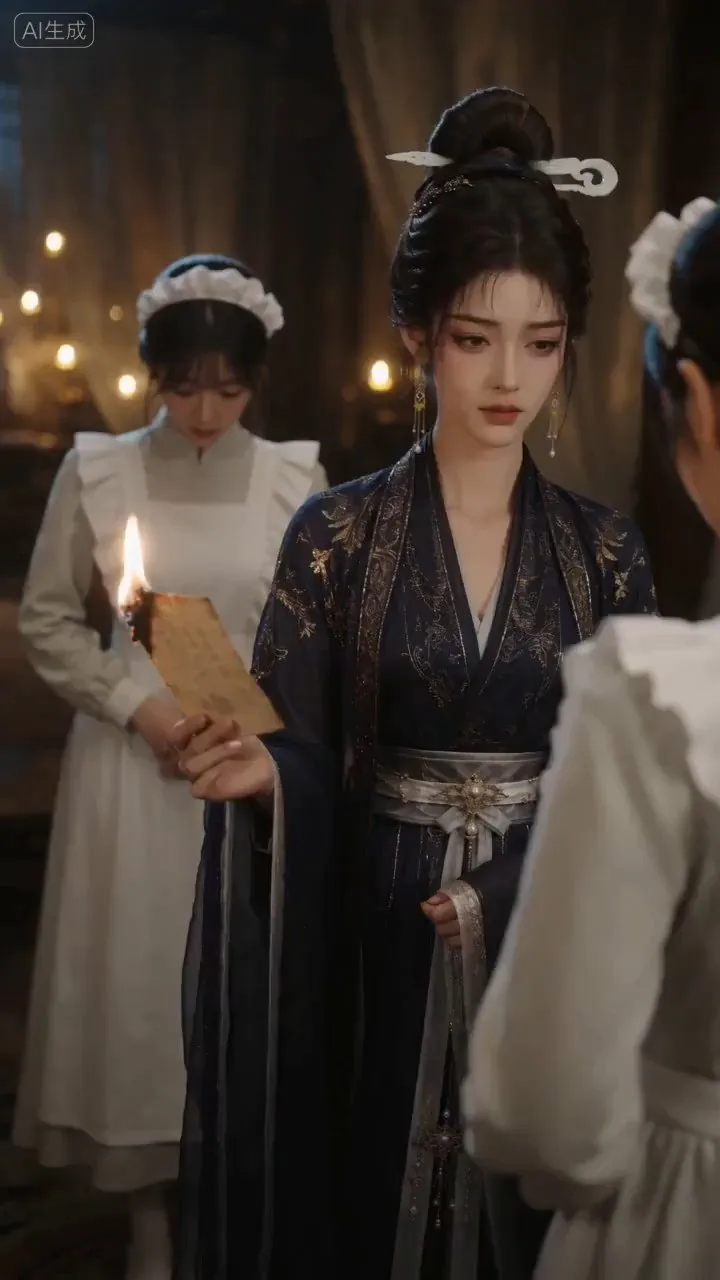
Turn storylines, character profiles, or existing video prompts into professional storyboards and ready-to-use shot prompts for AI video generation. Whether the scene involves contemporary life, historical drama, mystery, romance, or high-payoff drama, the skill focuses on character relationships, pacing, and emotional hooks. It clearly defines shot scale, camera position, perspective, camera movement, composition, lighting, ambient sound, and dialogue, giving every shot a clear visual focus and actionable movement. The skill pays close attention to character consistency and scene continuity. It helps lock in each character’s appearance, clothing logic, identity and status, and defining details, reducing generation issues such as facial changes, visual drift, spatial confusion, and unclear actions. A character’s gaze, expressions, breathing, hand movements, and physical reactions are also translated into visible performance changes, strengthening conflict, tension, twists, and emotional progression. You can start with a complete storyline or provide existing character assets, storyboards, or prompts for targeted optimization. When you already have an established character profile, it can be reused directly to avoid redesigning it. The complete sequence can then be organized into clips of 15 seconds or less for generation with mainstream AI video models, while preserving visual, audio, and duration details for easy copying, use, and further editing.