
Writing Terminator MAX
Writing
Writing Terminator MAX
Writing
Showcase
Description
This Skill is designed to provide deep content creators with a complete workflow for writing speculative and argumentative essays, helping users transform vague ideas into well-structured, persuasively argued, and verifiable long-form articles. Whether you are a WeChat public account writer, knowledge blogger, graduate student, commentator, or a writer focused on social observation, cultural criticism, business commentary, or reflections on the AI era, this Skill offers reusable, scalable, and high-quality writing support. It helps you diagnose topics, refine problem consciousness, collect and organize materials, extract high-value insights, and generate high-quality drafts. The core advantage of this Skill lies in its rigorous evidence-chain construction and citation verification mechanism. It not only helps add source-level citations to your writing, but also verifies the accuracy and supporting strength of those citations, ensuring that your arguments are grounded in solid materials. In addition, it can polish the style of your draft, reduce “AI-like traces,” and enhance the depth of reflection and sharpness of expression. You may enter the workflow at any stage according to your current writing progress, including ideation, material collection, insight extraction, draft writing, citation insertion, citation verification, and final polishing. The final output may include the core argument, main text, detailed notes, source list, and citation self-check report, ensuring that your work combines intellectual depth with academic rigor.
Recommended by
Nico@YouMind
Why we love this skill
This skill is a sophisticated full-workflow solution for deep content creation, offering rigorous citation and verification to elevate your speculative essays beyond typical AI-generated prose.
Related Skills
View all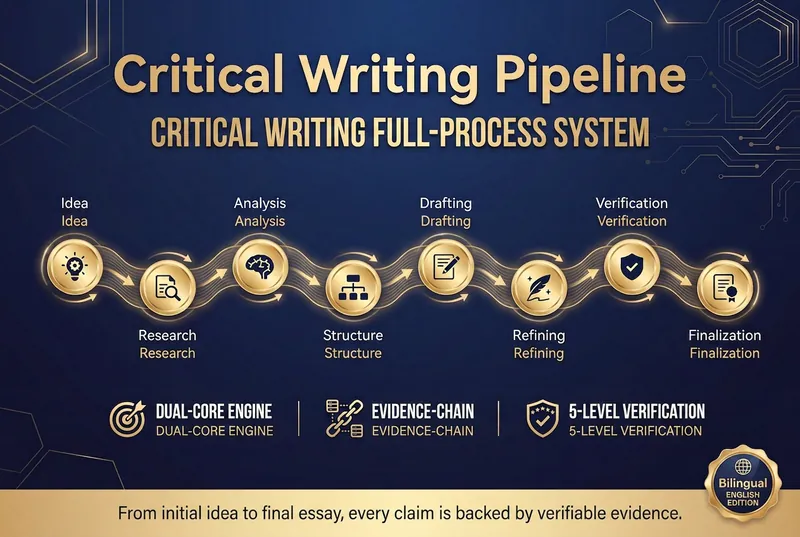
Critical Writing Pipeline
From a vague idea to a rigorous argumentative essay with verifiable evidence chains — a full-pipeline AI writing system supporting both Chinese and English. Optimized with AFP 3.1: five-step nested architecture, Core B 9-dimension quantified audit, adaptive pacing, ratchet version management, cross-session state persistence, and material verification downgrade strategy.
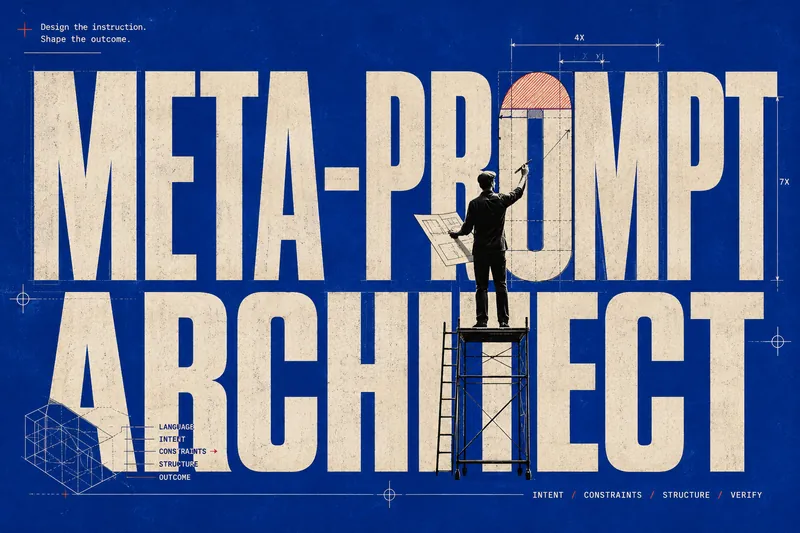
Meta-Prompt Architect
Transform your ideas into precise, high-performance AI prompts with the Meta-Prompt Architect. This skill goes beyond simple prompt generation, diving deep into your true objectives to craft AI instructions that are clear, executable, and resistant to common pitfalls like hallucination. Whether you're aiming for stable task execution, consistent output formats, or enhanced AI behavior control, this architect meticulously designs prompts that deliver. The Meta-Prompt Architect analyzes your request for underlying intent, identifying critical constraints and potential failure points to build safeguards directly into the prompt structure. It employs a robust framework to define AI roles, specific tasks, and desired output formats, ensuring every instruction is optimized for clarity and stability. You'll receive prompts that are not only ready to use but also include transparent design notes and suggestions for future optimization. Benefit from a rigorous internal review process that assesses clarity, structural completeness, and hallucination risk control, guaranteeing a high-quality prompt tailored to your needs. This skill is ideal for anyone looking to elevate their prompt engineering, from individuals seeking reliable content generation to teams requiring structured, reusable AI task systems for complex workflows.
 Research
Skill creator
Transform your raw ideas into a perfectly structured AI skill. This consultant guides you through every design stage, ensuring universal adaptability and professional-grade output.
Information
- Version
- v8
- Last updated
- Runtime credits
- Usage-based
- Models
- Auto