Art in Words, Allusions in Art
Idiom + style: 20 brush,meaning,allusion,mood
Art in Words, Allusions in Art
Idiom + style: 20 brush,meaning,allusion,mood
Description
Enter an idiom, choose from 20 illustration styles, and automatically generate an 'Idiom Analysis Card' (including pinyin, literal meaning, extended meaning, example sentences, and applicable scenarios) along with an 'Illustration Matching the Allusion's Mood'. Both are merged on the same image with a left-right layout.
Why we love this skill
This skill cleverly combines the rich cultural depth of Chinese idioms with 20 Chinese brush painting styles, providing comprehensive analysis of meanings, allusions, and imagery, bringing traditional culture to life with a fresh visual perspective.
Showcase
1 / 2
Related Skills
View all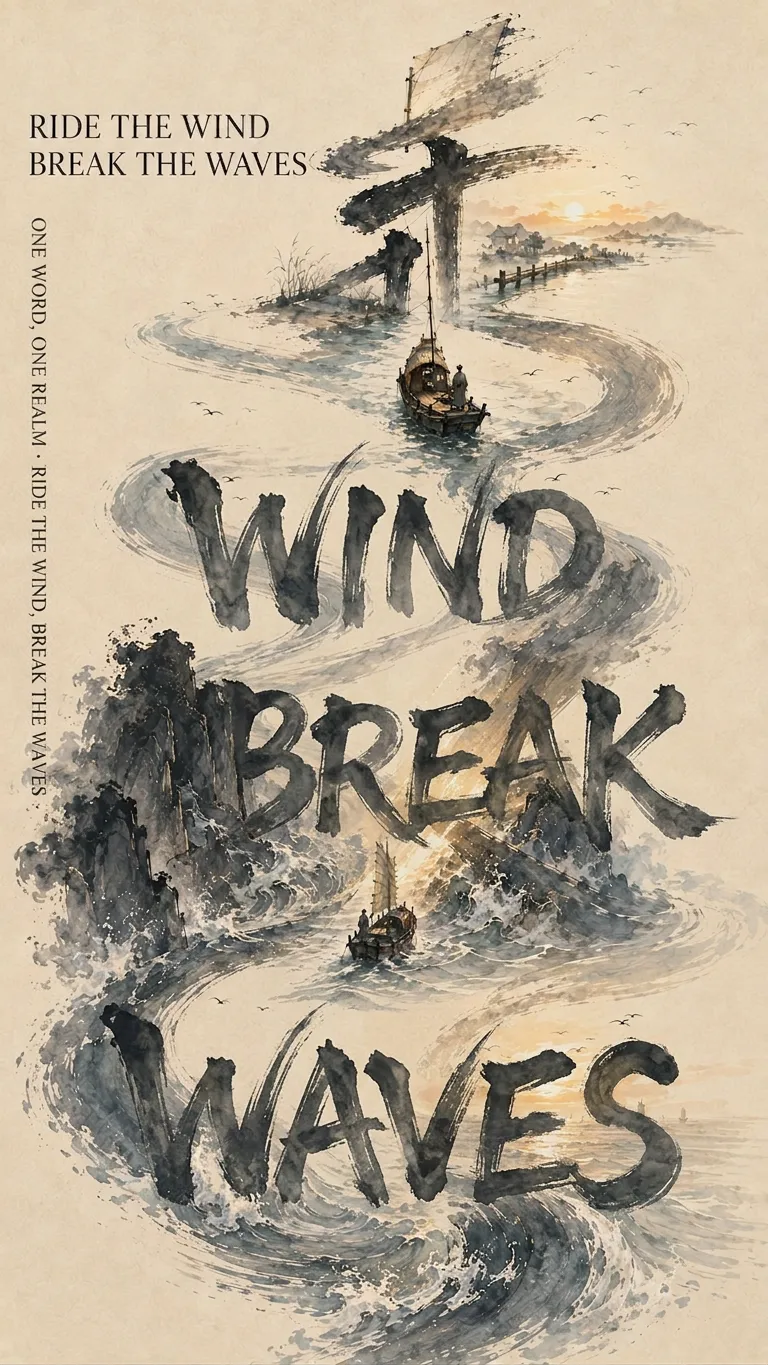 Image
ImageOne Character, One World
This Skill does not simply apply an ink-wash filter to Chinese characters. It first understands the core meaning of the text in its full context, then determines how the imagery, calligraphy, and layout should work together. Give it a Chinese character, name, place name, idiom, line of poetry, or public-domain classical Chinese poem or prose passage. It first interprets the meaning, then transforms the character’s strokes into mountains, rivers, bridges, figures, architecture, or narrative paths, making the calligraphy itself the framework of the composition. Different meanings automatically call for different brush movements, colors, and compositions, rather than being forced into a fixed template. It supports single-character posters, multi-character series, combined-character compositions, and storyboard sequences based on classical poetry and prose. Names, place names, and idioms can be turned into sequential series with one character per poster, or idioms, poetic lines, and parallel phrases can be combined into a single poster. Classical poetry and prose can be divided into 6–12 consecutive posters according to the original order and emotional arc, with nine posters by default for WeChat Moments, while naturally incorporating the corresponding original text into the imagery. The Skill actively avoids common failures: illegible characters, calligraphy that looks like a computer font, misinterpretations caused by checking characters one by one, forcing the entire image into a character-shaped mask, changing only the text while leaving the narrative unchanged across a series, placing the main text in an awkward standalone white box, and presenting garbled small text as a finished design. It is suited to Chinese posters, urban cultural visuals, name-based gifts, idiom and poetry projects, nine-image WeChat Moments posts, Xiaohongshu graphics, and collectible Eastern editorial design. The final result is influenced by YouMind’s current image model. When long text must be accurate character by character, the Skill prioritizes editable text layers for typesetting; when that is not possible, it clearly labels the result as a conceptual base and provides accurate typesetting specifications.
Idiom Painting Prompt Composer
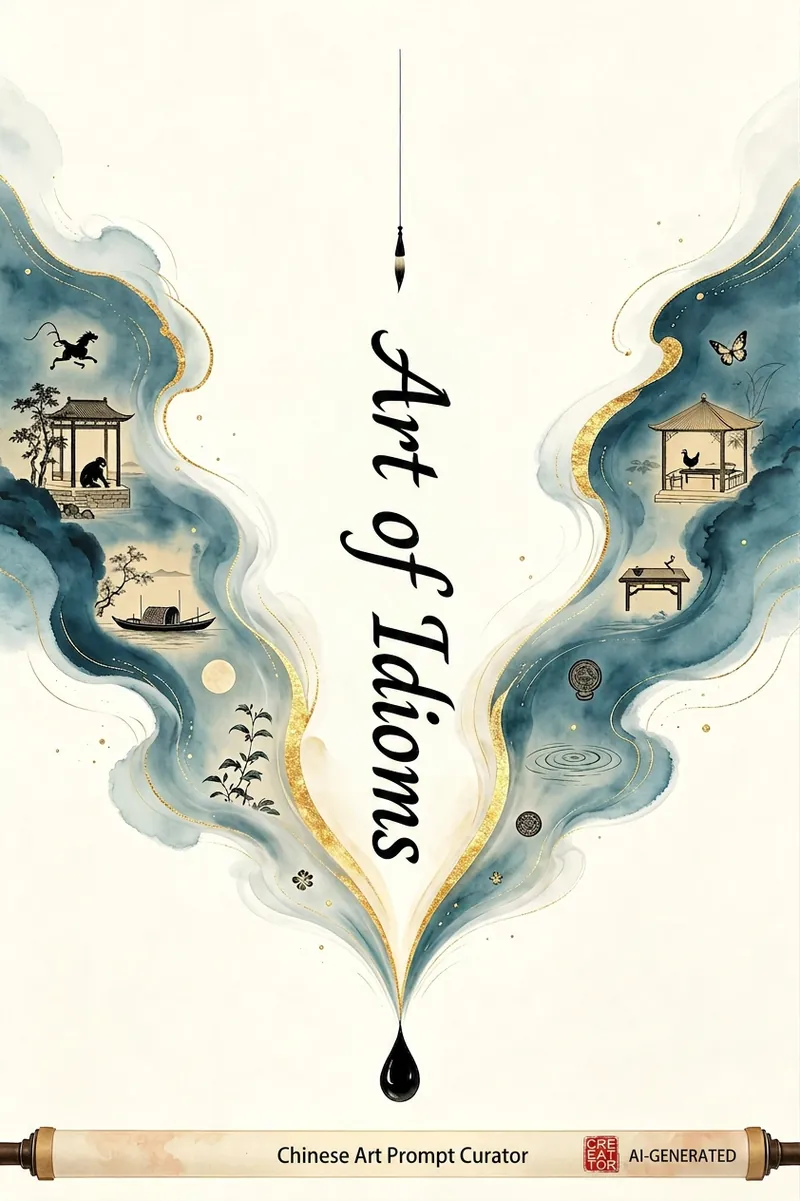
Four characters, one painting. You bring the idiom; I bring the art. Let AI paint the classical scene in your mind — not an AI template, but your own artistic vision. Enter a four-character idiom to get a Chinese-style prompt ready for AI painting platforms like 豆包, 即梦, and KIMI 3. Choose from 15 classical painting techniques, with four-dimensional style matching, three-level fallback to ensure image generation success, and a seven-dimensional review loop for iterative refinement. Scope: This skill only handles idioms (four-character fixed structures). For poetry/classical Chinese, use 「诗画同源」; for sequential art/storyboard narratives, use 「诗画连章」. In short, it precisely unpacks the semantic capsule of a four-character idiom into a prompt for a Chinese-style painting. What you'll get: • Semantic breakdown report (three layers of meaning + visualization path) • Style matching plan (four-dimensional scoring matrix: era × emotion × content × complexity) • Complete prompt (including technique definitions, color locking, character anchoring, negative declarations, and easter eggs) • Seven-dimensional evaluation (structure, color tone, style purity, characters/imagery, text/mounting, emotional arc, fixability)
 Image
ImageClassical Poem-Picture AI Pro
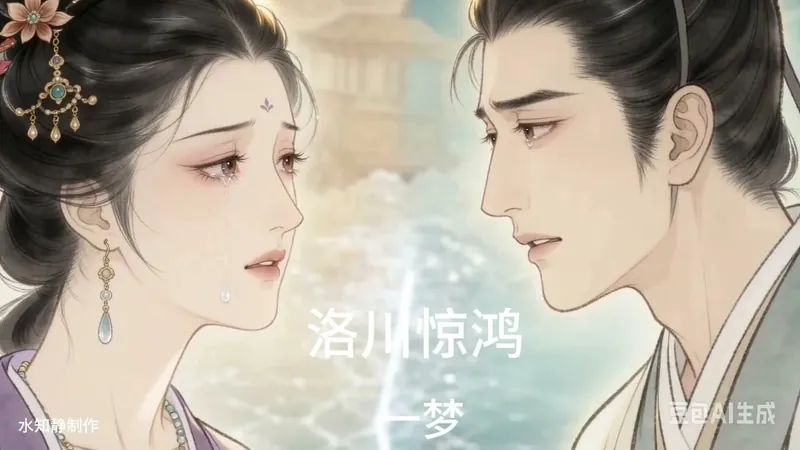
Convert classical Chinese poetry/prose into AI-generated comic strip storyboard solutions. Deep analysis of text → storyboard design → character locking → frame-by-frame prompt generation. Supports 14 ancient painting styles (Ode to the Goddess of the Luo River, A Thousand Li of Rivers and Mountains, Dwelling in the Fuchun Mountains, etc.), 7 layout schemes, and forced visual anchor reuse to ensure character consistency. Optional PRO version outputs dynamic video script + editing plan. Input a passage of classical text, and I output: ✓ Character design sheet (first decide what the character looks like, then reuse across every frame) ✓ 8-frame storyboard (shot type, mood, text placement—all designed) ✓ Frame-by-frame AI art prompts (bilingual Chinese and English, copy and paste ready) ✓ 14 ancient painting styles (Ode to the Goddess of the Luo River, A Thousand Li of Rivers and Mountains, Dwelling in the Fuchun Mountains… verifiable) ✓ Composite plan (facing pages/long scroll/webtoon—tell a story like flipping through a book) ✓ PRO version = comic strip + video storyboard + music + editing script