
Rental Risk Prevention
Screen listings and contracts, resolve disputes
Rental Risk Prevention
Screen listings and contracts, resolve disputes
Showcase
Description
A rental risk prevention and rights protection skill for tenants. Triggered when users ask about viewing leases, recovering withheld deposits, dealing with runaway subletters or shady agencies, handling early termination penalties, spotting unfair contract terms, avoiding rental pitfalls, reclaiming deposits, dealing with long-term apartment defaults, or protecting rental rights. Uses the 'Three-Stage Risk Prevention Method' (Viewing Inspection, Contract Review, Move-Out Defense) to generate three actionable rental checklists: the Viewing Pitfall Checklist, the Contract Traffic-Light Review Sheet, and Move-Out Rights-Protection Scripts & Evidence Lists. Version 1.0.0. **[Positioning in One Sentence]** Your personal rental risk generator: transforms fake listings, subletting traps, unfair contract clauses, and deposit withholding into three ready-to-use lists—deciding whether to rent, which clauses to change, and how to get your deposit back. **[How to Use · Three-Stage Risk Prevention Method]** 1. Viewing Inspection: Identify fake listings, unauthorized subletters, shady agencies, and hidden rental loans one by one, providing a red-yellow-green viewing pitfall checklist. 2. Contract Review: Review 10 key items including parties, deposits, payment cycles, maintenance, default, and move-out, providing traffic-light judgments and rewriting scripts to clear risks before signing. 3. Move-Out Defense: How to refuse deposit deductions, negotiate early termination, keep evidence, and where to complain (local hotlines, housing authorities, consumer protection, small claims courts), with direct advice to call the police for rental loan defaults. **[What You Get]** A viewing pitfall checklist + contract traffic-light review sheet (including rewriting scripts) + move-out rights-protection scripts and evidence checklist, ready to copy and use. **[Compliance Disclaimer]** This skill does not constitute legal advice, does not replace a lawyer, does not predict outcomes, and does not guarantee that deposits will be returned. All judgments are preliminary risk assessments based on your descriptions and materials, and must be verified against original contracts, transfer receipts, and local housing regulations. For suspected criminal cases involving rental loans or agency fund flight, report to the police immediately and retain all proofs. Outputs are AI-generated for risk prevention reference only.
Why we love this skill
Breaks down rental risks across viewing, contracts, and move-out stages, providing red-yellow-green checklists, contract rewrites, scripts, and evidence guides to turn deposit disputes into actionable steps.
Best for
Ideal for tenants currently viewing properties, preparing to sign leases, recovering deposits, or handling rental disputes.
How to use this Skill
Provide your input
Provide your city, budget, property type, and current rental stage, along with materials like contracts, payment receipts, deposit slips, and chat records.
Run the Skill
Identifies common risks across property viewing, contract signing, and move-out stages based on your input, organizing actionable verification tips and communication points.
Review your result
Receive a viewing risk checklist, contract risk review table, and move-out rights-protection scripts and evidence checklist for practical handling.
Related Skills
View all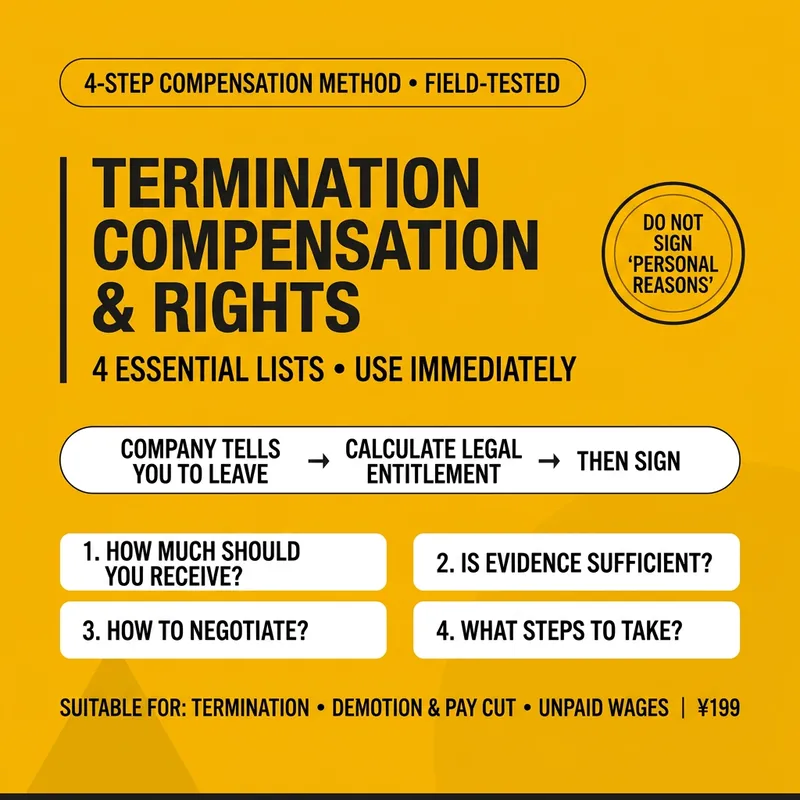
Severance & Rights Guide
A rights-protection skill for workers facing termination, job reassignments, or unpaid wages. Triggered when users ask questions about severance amounts, unlawful layoffs, N+1 calculations, forced voluntary resignation letters, pay cuts, required evidence for arbitration, or year-end optimizations. It uses a four-question framework (How much is owed / Is the evidence sufficient / What to say / What path to take) to generate four actionable rights-protection checklists. Version 1.0.0. Your personal rights-protection checklist generator: turns HR tactics, your evidence, and statutory compensation into four ready-to-use lists detailing what to claim, what you hold, how to respond, and where to go next. How to Use - Four-Question Framework: 1. How much is owed: Calculates N, N+1, or 2N tiers plus easily missed items such as notice pay, unpaid wages, overtime, unused annual leave, and commissions. 2. Is the evidence sufficient: Provides a prioritized checklist plus immediate 24-hour preservation steps (such as screenshotting attendance before deletion). 3. What to say: Matches HR pressure tactics with response guides, emphasizing the most crucial rule - never sign a "personal resignation" letter. 4. What path to take: Outlines a three-step route involving labor inspection (12333), arbitration (1-year statute of limitations, free), litigation, and legal aid (12348). What You Get: A compensation calculation table, evidence checklist, conversation scripts, and action route package ready for direct copying and use. Compliance Notice: This skill does not constitute legal advice, replace a lawyer, or predict case outcomes. All figures are estimates based on your account and must be verified against contracts, bank statements, and local regulations. For large monetary disputes or complex evidence, consult legal aid at 12348 or a labor arbitration committee.
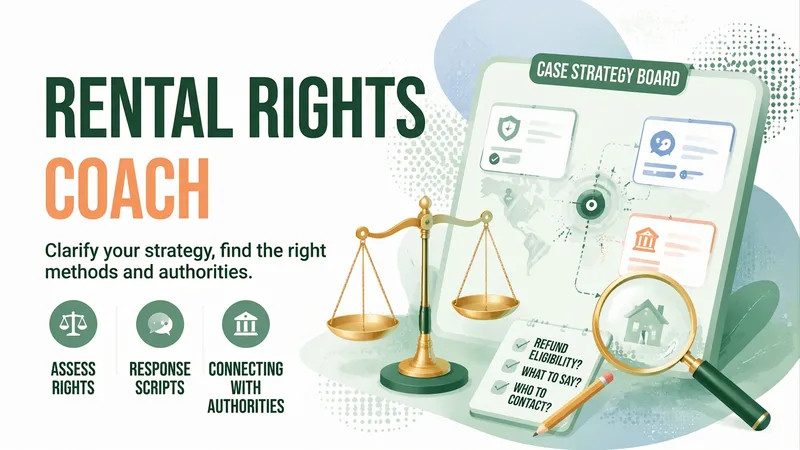
Rental Rights Coach
“Consumer Rights Coach” helps turn “I’ve been cheated” into “I know what to do next.” It doesn’t offer broad, generic legal education. Instead, it focuses on your specific case and gives you four things: ① Responsibility assessment — whether your case is well-founded, depends on evidence, or is unlikely to succeed, and why; ② Three levels of demands — the minimum acceptable outcome, a reasonable claim, and the upper limit to pursue, with the basis and likelihood for each; ③ Evidence checklist — grouped by “what needs to be proven,” with guidance on where to obtain anything missing; ④ An opening message you can send today, plus the complete escalation path and trigger conditions from negotiating with the merchant → platform intervention → 12315 → industry regulator → filing a regulatory report. Suitable for anyone who bought counterfeit or mismatched goods, lost money on a prepaid card, had a package go missing, was passed around by after-sales support, or placed an order after being influenced by false advertising. Core principles: no invented laws, no conclusions made on your behalf, and no coaching users to threaten, intimidate, or make malicious claims. Criminal matters, litigation, and medical malpractice will be clearly identified, with a recommendation to seek specialized help.
Information
- Version
- v3
- Last updated
- Runtime credits
- Usage-based
- Models
- Auto
- Use cases
- Research & analysis
- What you get
- DocumentPlan
