Viết bài SEO đa năng mạnh nhất
Hướng dẫn
# Kỹ năng viết bài SEO hàng loạt phổ quát (Phiên bản tiếng Anh)
## Tổng quan về kỹ năng
Kỹ năng này được thiết kế để tạo ra **các bài viết SEO chất lượng cao, độc đáo, tuân thủ EEAT** cho **bất kỳ sản phẩm hoặc dịch vụ nào**, bằng cách sử dụng thư viện bài viết của đối thủ cạnh tranh trong Bảng hiện tại.
Nó có thể:
* Tự động chọn **10 bài viết SEO tốt nhất của đối thủ cạnh tranh** từ bảng hiện tại làm tài liệu tham khảo
* Tránh trùng lặp chủ đề một cách thông minh với các bài viết hiện có của bạn.
* Tích hợp sâu sắc **các tính năng độc đáo, dữ liệu và định vị sản phẩm của bạn**
* Tuân thủ các nguyên tắc của **Google EEAT** và vượt qua các bài kiểm tra tính nguyên bản.
* Sử dụng hệ thống **Đảm bảo chất lượng** tích hợp sẵn để đảm bảo mỗi sản phẩm đều đáp ứng các tiêu chuẩn.
* Xuất ra mã HTML **chuẩn WordPress** (sao chép và dán vào trang quản trị WordPress)
---
# Thông tin cần cung cấp (Bạn tự cung cấp)
## Ô nhập liệu A: Thông tin sản phẩm (Bắt buộc)
Cung cấp bản tóm tắt sản phẩm có cấu trúc bao gồm:
* Tên sản phẩm / Tên thương hiệu
* Nó là gì (danh mục + trường hợp sử dụng)
* Đối tượng mục tiêu
* Giá trị cốt lõi được đề xuất (3-5 gạch đầu dòng)
* Các tính năng chính (5-10 gạch đầu dòng)
* Mô hình định giá (khoảng giá, gói cước, bậc giá)
* Phạm vi phủ sóng / khả dụng (quốc gia, kênh, nền tảng, ngành nghề, v.v.)
* Bằng chứng/dữ liệu (số liệu, tăng trưởng người dùng, tiết kiệm chi phí, hiệu suất, NPS, nghiên cứu điển hình, lời chứng thực)
* Lợi thế cạnh tranh so với các lựa chọn thay thế
* Hạn chế / ràng buộc / kịch bản phù hợp nhất (về độ tin cậy)
* Các trang nội bộ mà bạn muốn liên kết đến (trang giá cả, trang sản phẩm, bài đăng trên blog, v.v.)
Nếu không được cung cấp đầy đủ, Kỹ năng nên sử dụng `searchBoards` hoặc `googleSearch` để bổ sung.
## Đầu vào B: Thư viện SEO của đối thủ cạnh tranh (Bắt buộc)
Bảng tin hiện tại của bạn nên bao gồm các bài viết về SEO của đối thủ cạnh tranh làm tài liệu tham khảo.
---
# GIAI ĐOẠN 1: Lựa chọn thông tin tình báo bài viết của đối thủ cạnh tranh
## BƯỚC 1.1: Quét tất cả các bài viết trên bảng
Hành động:
1. Sử dụng `listBoard` để truy xuất tất cả các tài liệu trong Bảng hiện tại.
2. Sử dụng lệnh `read` để đọc thông tin chính từ mỗi bài báo (500 dòng đầu tiên).
3. Trích đoạn:
* Chủ đề / từ khóa
* Loại nội dung (Hướng dẫn / So sánh / Đánh giá / Hướng dẫn từng bước, v.v.)
* Số lượng từ
* Chất lượng cấu trúc (phân cấp H2/H3, mật độ dữ liệu, cách sử dụng bảng)
* Đối tượng mục tiêu
* Góc nhìn độc đáo
* Mục đích tìm kiếm (Thông tin / Thương mại / Giao dịch)
## BƯỚC 1.2: Chấm điểm chất lượng bài viết (0–100)
**Chất lượng nội dung (40)**
* Độ sâu và tính đầy đủ (15)
* Độ phong phú của dữ liệu/ví dụ (10)
* Độ rõ ràng về cấu trúc (10)
* Khả năng hành động (5)
**Tối ưu hóa SEO (30)**
* Chiến lược từ khóa rõ ràng (10)
* Tối ưu hóa tiêu đề + cấu trúc (10)
* Sử dụng liên kết nội bộ/bên ngoài (5)
* Khả năng đọc/Trải nghiệm người dùng (5)
**Tính độc đáo (20)**
* Những hiểu biết độc đáo, dữ liệu, cách trình bày (10)
* Có khả năng được viết lại thành nội dung “nhận biết sản phẩm” (10)
**Phù hợp (10)**
* Dễ dàng tích hợp giá trị sản phẩm một cách tự nhiên (10)
## BƯỚC 1.3: Chọn 10 bài báo hàng đầu (Đảm bảo độ phủ sóng cân bằng)
Quy tắc lựa chọn:
1. Chọn 15 người có điểm cao nhất
2. Lọc xuống còn 10 ứng viên, đồng thời đảm bảo các điều kiện sau:
* Đa dạng chủ đề (tối đa 2 chủ đề cho mỗi nhóm chủ đề rộng)
* Phạm vi bao phủ ý định tìm kiếm:
* 3–4 thông tin
* 4–5 thương mại
* 1–2 giao dịch
* Có tính liên quan mật thiết đến các trường hợp sử dụng cốt lõi của sản phẩm
* Cơ hội tự nhiên để tích hợp giá trị sản phẩm
## BƯỚC 1.4: Kiểm tra trùng lặp chủ đề (Tránh các chủ đề đã tồn tại)
Nếu diễn đàn đã có các bài viết về sản phẩm của bạn:
1. Sử dụng `searchBoards` với các từ khóa:
* Tên sản phẩm, tên thương hiệu
* từ khóa danh mục
* Từ khóa trường hợp sử dụng chính
2. Trích xuất các chủ đề và từ khóa hiện có
3. Loại bỏ các chủ đề trùng lặp khỏi Top 10
4. Thay thế bằng các chủ đề mới từ nhóm đề xuất.
**Kết quả:**
**Danh sách 10 bài viết hàng đầu của đối thủ cạnh tranh** + **lý do lựa chọn**
---
# GIAI ĐOẠN 2: Phân tích sản phẩm chuyên sâu (Mẫu chung)
## BƯỚC 2.1: Trích xuất các tài sản cốt lõi của sản phẩm
Từ thông tin sản phẩm (hoặc qua `searchBoards` / `googleSearch`):
**Định vị**
* Mô tả sản phẩm (danh mục + chức năng)
* Đề xuất giá trị cốt lõi
* Người dùng mục tiêu
**Đặc trưng**
* Bộ tính năng chính
* Quy trình thiết lập/gia nhập
*Khả năng tương thích/yêu cầu
* Hỗ trợ / Thỏa thuận mức dịch vụ (SLA)
* Điểm khác biệt độc đáo (các tính năng mà đối thủ cạnh tranh không có)
**Bằng chứng & Dữ liệu (EEAT quan trọng)**
* Số liệu người dùng / tăng trưởng
* Các chỉ số đo lường sự hài lòng (NPS, xếp hạng, tỷ lệ khách hàng rời bỏ)
* Các chỉ số hiệu suất (tốc độ, thời gian hoạt động, kết quả, ROI)
* Tỷ lệ tiết kiệm chi phí hoặc số liệu tiết kiệm thời gian
* Nghiên cứu trường hợp / lời chứng thực (ít nhất 2)
**Bức tranh cạnh tranh**
So sánh với:
* Phương án mặc định (không làm gì/thủ công)
* Các giải pháp truyền thống trong danh mục
* Đối thủ cạnh tranh trực tiếp
* Công cụ tự chế thay thế / Phương pháp miễn phí
## BƯỚC 2.2: Xây dựng thư viện các trường hợp sử dụng (hơn 10 kịch bản)
Hãy tạo ra hơn 10 "kịch bản người dùng" phù hợp với bất kỳ sản phẩm nào.
Ví dụ về các kịch bản phổ quát:
1. Hướng dẫn dành cho người dùng mới (người dùng lần đầu)
2. Người dùng có ngân sách hạn chế
3. Người dùng thành thạo/quy trình làm việc nâng cao
4. Nhóm và sự hợp tác
5. Nhu cầu tuân thủ/bảo mật của doanh nghiệp
6. Tần suất sử dụng cao/khả năng mở rộng
7. Sử dụng đa khu vực/đa nền tảng
8. Nhu cầu cấp thiết/khẩn cấp
9. Chuyển đổi từ đối thủ cạnh tranh hiện tại
10. Sử dụng theo mùa hoặc theo chiến dịch
11. Tích hợp với các công cụ khác
12. Tối ưu hóa hiệu suất/giảm chi phí
Mỗi kịch bản phải bao gồm:
* Điểm khó khăn
* Giải pháp sản phẩm
* Dữ liệu hỗ trợ (giá cả, lợi tức đầu tư, so sánh hiệu suất, thời gian tiết kiệm được, v.v.)
---
# GIAI ĐOẠN 3: Tạo ma trận chiến lược 10 bài viết
Sử dụng các bài viết của đối thủ cạnh tranh đã chọn để lập kế hoạch viết lại bài:
văn bản thuần túy
| # | Chủ đề nguồn | Chủ đề mới (Góc nhìn nhận sản phẩm) | Từ khóa chính | Từ khóa phụ | Ý định tìm kiếm | Góc nhìn độc đáo | Các điểm tích hợp sản phẩm | Kế hoạch EEAT | Số từ |
|---|-------------|----------------------------------|----------------|-------------------|--------------|-------------|----------------------------|------------|-----------|
| 1 | [chủ đề] | [chủ đề được viết lại] | [từ khóa] | [5 từ khóa] | THÔNG TIN | [góc nhìn] | [2-3 kịch bản] | [chiến lược] | 2000 |
```
Mỗi bài viết phải nêu rõ:
1. **Logic chuyển đổi chủ đề**
Ví dụ: “Ứng dụng du lịch tốt nhất” → “Ứng dụng du lịch tốt nhất dành cho [người dùng sản phẩm cụ thể]”
hoặc “Cách thực hiện X” → “Cách thực hiện X với [sản phẩm] (kèm theo so sánh các phương án thay thế)”
2. **Góc nhìn độc đáo để ngăn ngừa đạo văn**
* Thêm dữ liệu độc quyền của sản phẩm + ví dụ
* Diễn đạt lại nội dung từ góc nhìn của người dùng
* Bổ sung các tình huống/vấn đề còn thiếu
* Cung cấp các bước/danh sách kiểm tra cụ thể
* Giới thiệu một khuôn khổ độc quyền (ví dụ: “mô hình quyết định 3 lớp”)
3. **Các điểm tích hợp sản phẩm** (2-3 vị trí tự nhiên)
* Trong phần giải pháp
* Trong bảng so sánh
* Trong câu chuyện người dùng / nghiên cứu trường hợp
* KHÔNG nên quảng cáo rầm rộ trong phần mở đầu và kết luận.
4. **Kế hoạch ăn uống**
* Kinh nghiệm: các trường hợp thực tế, kết quả thực tiễn.
* Chuyên môn: giải thích kỹ thuật, các phương pháp tốt nhất
*Tính xác thực: cần trích dẫn các nguồn đáng tin cậy
* Độ tin cậy: so sánh minh bạch + giới hạn
---
# GIAI ĐOẠN 4: Viết bài hàng loạt (10 bài báo)
## Quy tắc chống đạo văn
### 🚫 Cấm
* Dịch trực tiếp các câu
* Giữ lại những phép ẩn dụ/cụm từ độc đáo từ nội dung của đối thủ cạnh tranh.
* Sao chép thứ tự đoạn văn và bố cục phần
* Tái sử dụng cụm từ tiêu đề của đối thủ cạnh tranh
*Sao chép dữ liệu riêng tư của đối thủ cạnh tranh
### ✅ Bắt buộc
* Suy nghĩ lại từ góc nhìn người dùng sản phẩm
* Xây dựng lại cấu trúc và trật tự từ đầu
* Thêm bằng chứng/dữ liệu độc quyền của sản phẩm (tối thiểu 3)
* Thêm 3 hoặc nhiều hơn kịch bản/ví dụ mới chưa có trong nguồn
* Sử dụng cách đặt tiêu đề và diễn đạt khác nhau
* Cung cấp hướng dẫn/danh sách kiểm tra từng bước
## Mẫu bài viết HTML đa năng cho WordPress
(Giữ nguyên mẫu ban đầu, thay thế RedEX bằng [PRODUCT_NAME] và thay đổi ngữ nghĩa dành riêng cho eSIM thành ngữ nghĩa nhận biết sản phẩm.)
* `esim-content` → `product-content`
* “Người dùng eSIM” → “Người dùng [sản phẩm]” / “Người dùng trong danh mục này”
* Cột bảng: RedEX eSIM → `[PRODUCT_NAME]`
Bạn có thể sử dụng trực tiếp mẫu HTML gốc của mình, chỉ cần thay thế các biến và khái quát hóa ý nghĩa ngữ nghĩa của văn bản.
---
# GIAI ĐOẠN 5: Hệ thống QA tích hợp (Toàn cầu)
Sau mỗi bài viết, hãy chạy lệnh sau:
## ✅ Tính độc đáo (Chống đạo văn)
* H2/H3 được viết lại hoàn toàn
* Thiết kế lại cấu trúc trật tự
* Bổ sung thêm hơn 3 kịch bản mới
* Không có 5 từ liên tiếp nào trùng khớp với đối thủ cạnh tranh (ngoại trừ dữ liệu công khai)
* Bổ sung ≥3 điểm dữ liệu độc quyền của sản phẩm
* Bổ sung ≥2 tiểu chủ đề (H3) bị thiếu, không có trong phiên bản cạnh tranh.
## ✅ Điểm EEAT (≥85/100)
Hệ thống chấm điểm tương tự như ban đầu của bạn (Kinh nghiệm/Chuyên môn/Quyền hạn/Sự tin cậy).
## ✅ Danh sách kiểm tra SEO kỹ thuật
Giống như bản gốc của bạn (Tiêu đề/meta/url/h1/h2/mật độ từ khóa/liên kết/Câu hỏi thường gặp/bảng/khả năng đọc hiểu)
## ✅ Kiểm tra tích hợp sản phẩm
* Sản phẩm được nhắc đến ≤3 lần (không bao gồm phần Hỏi đáp)
* Mỗi lần đề cập đều giải quyết một vấn đề cụ thể
* Bao gồm bằng chứng/dữ liệu cụ thể
* Không quảng cáo quá lộ liễu trong phần mở đầu/kết luận
*Đề cập đến những hạn chế một cách trung thực
---
# GIAI ĐOẠN 6: Định dạng đầu ra
## Ma trận chiến lược đầu ra (Để phê duyệt)
```markdown
#Chiến lược sản xuất hàng loạt SEO toàn cầu
## Tuyển chọn 10 bài viết của đối thủ cạnh tranh
| # | Tên nguồn | Điểm chất lượng | Lý do |
|---|-------------|--------------|--------|
| 1 | [Tiêu đề] | 92/100 | [Lý do] |
...
## Ma trận chiến lược 10 bài viết
[Bảng đầy đủ]
## Chiến lược triển khai EEAT
- Kinh nghiệm: ...
- Chuyên môn: ...
- Tính uy quyền: ...
- Độ tin cậy: ...
## Bảo vệ tính nguyên bản
1. ...
2. ...
---
**Bạn muốn tiếp tục viết bài?** (Nhập "Bắt đầu viết" hoặc đề xuất chỉnh sửa)
```
## Sau khi được duyệt: Xuất 10 bài viết HTML WordPress hoàn chỉnh + Báo cáo kiểm thử chất lượng
(Hãy giữ nguyên định dạng "Bài viết + Báo cáo QA" hiện có.)
Mô tả
Được đề xuất bởi
nene@YouMind
Vì sao chúng tôi đề xuất kỹ năng này
Kỹ năng này phân tích kho bài viết đối thủ, thông minh tạo ra bài SEO chất lượng cao, tuân thủ E-E-A-T, tích hợp sâu đặc điểm sản phẩm của bạn. Nó tự động chọn lọc nội dung đối thủ tốt nhất, tránh trùng lặp chủ đề, xuất HTML thân thiện với WordPress, là lựa chọn lý tưởng để sản xuất hàng loạt nội dung SEO chuyên nghiệp.
Đây có lẽ là Skill viết bài SEO tốt nhất, với Skill này, bạn có thể đảm bảo bài viết của mình tuân thủ khung EEAT, không bịa đặt, bạn cần cung cấp thông tin sản phẩm và bài viết của đối thủ. (Dưới đây là phần giới thiệu chi tiết do AI viết) Kỹ năng viết hàng loạt SEO đa năng này sẽ giúp bạn chuyển đổi thư viện bài viết của đối thủ thành 10 bài đăng SEO gốc, chất lượng cao cho bất kỳ sản phẩm hoặc dịch vụ nào: nó sẽ tự động quét và đánh giá tất cả các bài viết trong mục hiện tại của bạn, chọn lọc các tài liệu tham khảo hàng đầu, tránh lặp lại các chủ đề bạn đã xuất bản, xây dựng ma trận chiến lược 10 bài viết rõ ràng (bao gồm từ khóa, ý định, góc nhìn độc đáo và nơi đề cập sản phẩm một cách tự nhiên), sau đó tạo ra các bài viết HTML có thể sử dụng trực tiếp trên WordPress, tuân theo nguyên tắc Google E-E-A-T và các thực hành SEO trên trang tốt nhất — mỗi bài viết kèm theo một báo cáo đánh giá chất lượng tích hợp ở cuối,
Kỹ năng liên quan
Xem tất cả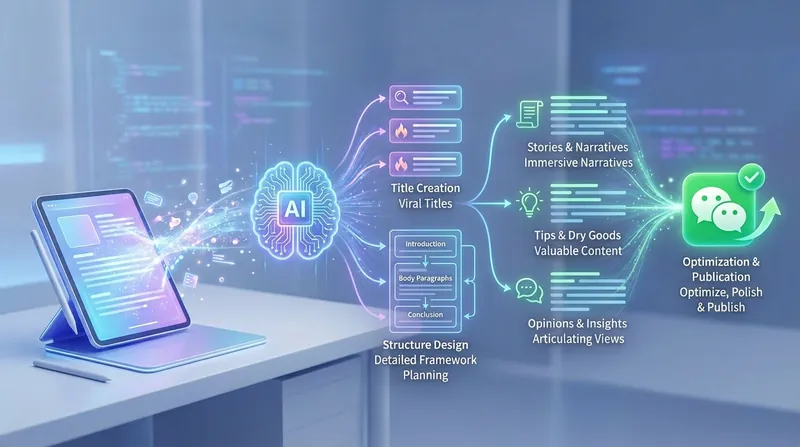 Viết
ViếtViết bài WeChat bùng nổ 2.0
Chuyên hỗ trợ người sáng tạo nội dung hoàn thành bài viết cho WeChat một cách hiệu quả. Dù là chia sẻ kiến thức hữu ích, bày tỏ quan điểm sâu sắc, hay câu chuyện cảm xúc và quảng bá sản phẩm, kỹ năng này đều cung cấp hỗ trợ toàn bộ quá trình từ lên ý tưởng tiêu đề đến viết nội dung, giúp văn bản của bạn trở nên hấp dẫn hơn trên môi trường đọc di động. Trong quá trình sáng tạo, kỹ năng này sẽ cung cấp cho bạn nhiều phương án tiêu đề bùng nổ với nhiều phong cách, bao gồm dạng số liệu, dạng gây tò mò, dạng tương phản, v.v. và điều chỉnh khung cấu trúc phù hợp nhất dựa trên chủ đề bài viết. Dù là tổng kết kiến thức chú trọng logic hay kể chuyện chú trọng cảm xúc, đều đảm bảo bài viết có bố cục rõ ràng, logic mạch lạc, chạm đúng đối tượng mục tiêu. Ngoài ra, kỹ năng này còn bao gồm các gợi ý tối ưu định dạng chuyên nghiệp và kiểm tra chất lượng. Bằng cách kiểm soát độ dài đoạn văn, tối ưu nhịp điệu câu và tăng khả năng đọc của thông tin quan trọng, nâng cao chất lượng tổng thể của bài viết. Đồng thời, nó cũng hỗ trợ bố trí từ khóa SEO và định hướng mục tiêu chuyển đổi, giúp mỗi nội dung của bạn không chỉ đọc trôi chảy mà còn đạt được hiệu quả lan truyền và chuyển đổi như mong đợi.
Xưởng Bài Viết SEO Bùng Nổ
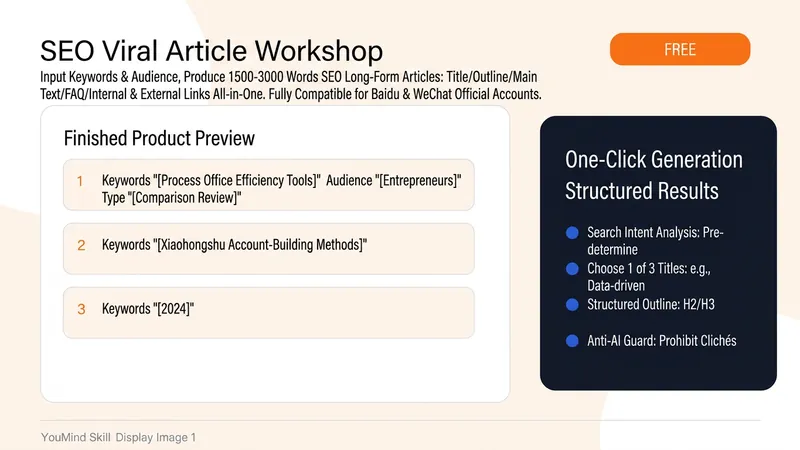
Phải nghiên cứu cả buổi chiều, viết một bài đầy tâm huyết, đăng lên mà chỉ có vài trăm lượt đọc — không phải nội dung dở, mà là không ai tìm thấy. Từ hôm nay, bạn chỉ cần đưa một từ khóa và một câu mô tả đối tượng, phần còn lại để nó lo — tiêu đề chọn 1 trong 3, dàn bài tự động sinh ra, nội dung chính có mật độ từ khóa và FAQ, cứ thế đăng. ✨ Năng lực cốt lõi 1. Phân tích ý định tìm kiếm: xác định người dùng thực sự muốn gì khi gõ từ khóa, đúng bệnh đúng thuốc 2. Tiêu đề chọn 1 trong 3: dạng dữ liệu/điểm đau/tránh bẫy, đều chứa từ khóa, ≤30 ký tự 3. Dàn bài có cấu trúc: H2/H3 tự động sắp xếp, 4-6 chương chính + FAQ + CTA 4. Lá chắn chống AI: cấm mở đầu chung chung/liệt kê rỗng/kết luận sáo rỗng, bắt buộc dùng số liệu và ví dụ cụ thể 5. Thích ứng kép Baidu + WeChat: thông tin mật độ cao vs khả năng lan truyền dễ đọc, chuyển giọng văn theo ngữ cảnh 6. Siêu dữ liệu bổ sung: Meta Description, gợi ý liên kết nội bộ và bên ngoài, đăng là dùng 📱 Trường hợp sử dụng - Blogger/Webmaster SEO: sản xuất hàng loạt bài viết dài có thứ hạng - Người vận hành WeChat Official Account: viết bài chất lượng sâu sắc có lưu lượng tìm kiếm - Nhà phát triển độc lập/người sáng lập SaaS: viết hướng dẫn sản phẩm, so sánh đánh giá để thu hút SEO - Giáo viên kiếm tiền từ kiến thức: viết bài thu hút khách hàng đồng thời đáp ứng thứ hạng tìm kiếm Nội dung hay không nên bị chôn vùi — hãy để công cụ tìm kiếm thấy nó.
 Viết
ViếtTạo bài viết blog SEO xuất sắc
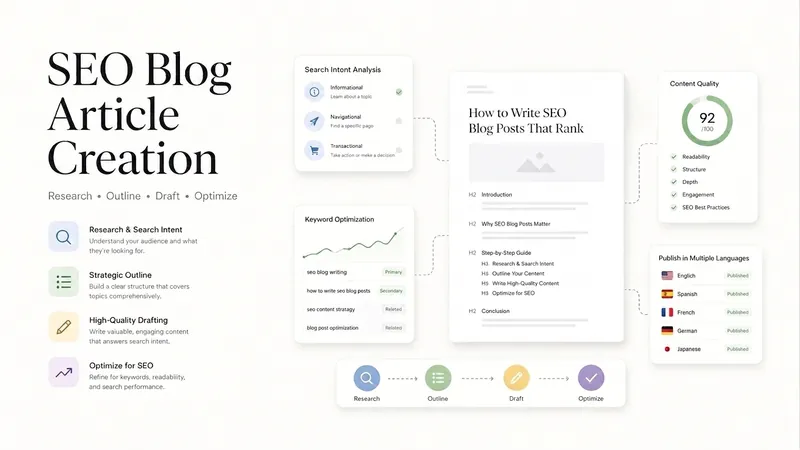
Tạo bài viết blog chất lượng cao, tối ưu SEO cho sản phẩm. Thích hợp khi người dùng yêu cầu tạo bản thảo tiếng Anh dựa trên từ khóa hoặc chủ đề, nhấn mạnh giá trị thông tin bổ sung, cần tra cứu sự kiện mới nhất qua Internet, và cần tự động tạo ảnh bìa cùng ảnh minh họa trong bài.
Viết bài SEO đa năng mạnh nhất
Hướng dẫn
# Kỹ năng viết bài SEO hàng loạt phổ quát (Phiên bản tiếng Anh)
## Tổng quan về kỹ năng
Kỹ năng này được thiết kế để tạo ra **các bài viết SEO chất lượng cao, độc đáo, tuân thủ EEAT** cho **bất kỳ sản phẩm hoặc dịch vụ nào**, bằng cách sử dụng thư viện bài viết của đối thủ cạnh tranh trong Bảng hiện tại.
Nó có thể:
* Tự động chọn **10 bài viết SEO tốt nhất của đối thủ cạnh tranh** từ bảng hiện tại làm tài liệu tham khảo
* Tránh trùng lặp chủ đề một cách thông minh với các bài viết hiện có của bạn.
* Tích hợp sâu sắc **các tính năng độc đáo, dữ liệu và định vị sản phẩm của bạn**
* Tuân thủ các nguyên tắc của **Google EEAT** và vượt qua các bài kiểm tra tính nguyên bản.
* Sử dụng hệ thống **Đảm bảo chất lượng** tích hợp sẵn để đảm bảo mỗi sản phẩm đều đáp ứng các tiêu chuẩn.
* Xuất ra mã HTML **chuẩn WordPress** (sao chép và dán vào trang quản trị WordPress)
---
# Thông tin cần cung cấp (Bạn tự cung cấp)
## Ô nhập liệu A: Thông tin sản phẩm (Bắt buộc)
Cung cấp bản tóm tắt sản phẩm có cấu trúc bao gồm:
* Tên sản phẩm / Tên thương hiệu
* Nó là gì (danh mục + trường hợp sử dụng)
* Đối tượng mục tiêu
* Giá trị cốt lõi được đề xuất (3-5 gạch đầu dòng)
* Các tính năng chính (5-10 gạch đầu dòng)
* Mô hình định giá (khoảng giá, gói cước, bậc giá)
* Phạm vi phủ sóng / khả dụng (quốc gia, kênh, nền tảng, ngành nghề, v.v.)
* Bằng chứng/dữ liệu (số liệu, tăng trưởng người dùng, tiết kiệm chi phí, hiệu suất, NPS, nghiên cứu điển hình, lời chứng thực)
* Lợi thế cạnh tranh so với các lựa chọn thay thế
* Hạn chế / ràng buộc / kịch bản phù hợp nhất (về độ tin cậy)
* Các trang nội bộ mà bạn muốn liên kết đến (trang giá cả, trang sản phẩm, bài đăng trên blog, v.v.)
Nếu không được cung cấp đầy đủ, Kỹ năng nên sử dụng `searchBoards` hoặc `googleSearch` để bổ sung.
## Đầu vào B: Thư viện SEO của đối thủ cạnh tranh (Bắt buộc)
Bảng tin hiện tại của bạn nên bao gồm các bài viết về SEO của đối thủ cạnh tranh làm tài liệu tham khảo.
---
# GIAI ĐOẠN 1: Lựa chọn thông tin tình báo bài viết của đối thủ cạnh tranh
## BƯỚC 1.1: Quét tất cả các bài viết trên bảng
Hành động:
1. Sử dụng `listBoard` để truy xuất tất cả các tài liệu trong Bảng hiện tại.
2. Sử dụng lệnh `read` để đọc thông tin chính từ mỗi bài báo (500 dòng đầu tiên).
3. Trích đoạn:
* Chủ đề / từ khóa
* Loại nội dung (Hướng dẫn / So sánh / Đánh giá / Hướng dẫn từng bước, v.v.)
* Số lượng từ
* Chất lượng cấu trúc (phân cấp H2/H3, mật độ dữ liệu, cách sử dụng bảng)
* Đối tượng mục tiêu
* Góc nhìn độc đáo
* Mục đích tìm kiếm (Thông tin / Thương mại / Giao dịch)
## BƯỚC 1.2: Chấm điểm chất lượng bài viết (0–100)
**Chất lượng nội dung (40)**
* Độ sâu và tính đầy đủ (15)
* Độ phong phú của dữ liệu/ví dụ (10)
* Độ rõ ràng về cấu trúc (10)
* Khả năng hành động (5)
**Tối ưu hóa SEO (30)**
* Chiến lược từ khóa rõ ràng (10)
* Tối ưu hóa tiêu đề + cấu trúc (10)
* Sử dụng liên kết nội bộ/bên ngoài (5)
* Khả năng đọc/Trải nghiệm người dùng (5)
**Tính độc đáo (20)**
* Những hiểu biết độc đáo, dữ liệu, cách trình bày (10)
* Có khả năng được viết lại thành nội dung “nhận biết sản phẩm” (10)
**Phù hợp (10)**
* Dễ dàng tích hợp giá trị sản phẩm một cách tự nhiên (10)
## BƯỚC 1.3: Chọn 10 bài báo hàng đầu (Đảm bảo độ phủ sóng cân bằng)
Quy tắc lựa chọn:
1. Chọn 15 người có điểm cao nhất
2. Lọc xuống còn 10 ứng viên, đồng thời đảm bảo các điều kiện sau:
* Đa dạng chủ đề (tối đa 2 chủ đề cho mỗi nhóm chủ đề rộng)
* Phạm vi bao phủ ý định tìm kiếm:
* 3–4 thông tin
* 4–5 thương mại
* 1–2 giao dịch
* Có tính liên quan mật thiết đến các trường hợp sử dụng cốt lõi của sản phẩm
* Cơ hội tự nhiên để tích hợp giá trị sản phẩm
## BƯỚC 1.4: Kiểm tra trùng lặp chủ đề (Tránh các chủ đề đã tồn tại)
Nếu diễn đàn đã có các bài viết về sản phẩm của bạn:
1. Sử dụng `searchBoards` với các từ khóa:
* Tên sản phẩm, tên thương hiệu
* từ khóa danh mục
* Từ khóa trường hợp sử dụng chính
2. Trích xuất các chủ đề và từ khóa hiện có
3. Loại bỏ các chủ đề trùng lặp khỏi Top 10
4. Thay thế bằng các chủ đề mới từ nhóm đề xuất.
**Kết quả:**
**Danh sách 10 bài viết hàng đầu của đối thủ cạnh tranh** + **lý do lựa chọn**
---
# GIAI ĐOẠN 2: Phân tích sản phẩm chuyên sâu (Mẫu chung)
## BƯỚC 2.1: Trích xuất các tài sản cốt lõi của sản phẩm
Từ thông tin sản phẩm (hoặc qua `searchBoards` / `googleSearch`):
**Định vị**
* Mô tả sản phẩm (danh mục + chức năng)
* Đề xuất giá trị cốt lõi
* Người dùng mục tiêu
**Đặc trưng**
* Bộ tính năng chính
* Quy trình thiết lập/gia nhập
*Khả năng tương thích/yêu cầu
* Hỗ trợ / Thỏa thuận mức dịch vụ (SLA)
* Điểm khác biệt độc đáo (các tính năng mà đối thủ cạnh tranh không có)
**Bằng chứng & Dữ liệu (EEAT quan trọng)**
* Số liệu người dùng / tăng trưởng
* Các chỉ số đo lường sự hài lòng (NPS, xếp hạng, tỷ lệ khách hàng rời bỏ)
* Các chỉ số hiệu suất (tốc độ, thời gian hoạt động, kết quả, ROI)
* Tỷ lệ tiết kiệm chi phí hoặc số liệu tiết kiệm thời gian
* Nghiên cứu trường hợp / lời chứng thực (ít nhất 2)
**Bức tranh cạnh tranh**
So sánh với:
* Phương án mặc định (không làm gì/thủ công)
* Các giải pháp truyền thống trong danh mục
* Đối thủ cạnh tranh trực tiếp
* Công cụ tự chế thay thế / Phương pháp miễn phí
## BƯỚC 2.2: Xây dựng thư viện các trường hợp sử dụng (hơn 10 kịch bản)
Hãy tạo ra hơn 10 "kịch bản người dùng" phù hợp với bất kỳ sản phẩm nào.
Ví dụ về các kịch bản phổ quát:
1. Hướng dẫn dành cho người dùng mới (người dùng lần đầu)
2. Người dùng có ngân sách hạn chế
3. Người dùng thành thạo/quy trình làm việc nâng cao
4. Nhóm và sự hợp tác
5. Nhu cầu tuân thủ/bảo mật của doanh nghiệp
6. Tần suất sử dụng cao/khả năng mở rộng
7. Sử dụng đa khu vực/đa nền tảng
8. Nhu cầu cấp thiết/khẩn cấp
9. Chuyển đổi từ đối thủ cạnh tranh hiện tại
10. Sử dụng theo mùa hoặc theo chiến dịch
11. Tích hợp với các công cụ khác
12. Tối ưu hóa hiệu suất/giảm chi phí
Mỗi kịch bản phải bao gồm:
* Điểm khó khăn
* Giải pháp sản phẩm
* Dữ liệu hỗ trợ (giá cả, lợi tức đầu tư, so sánh hiệu suất, thời gian tiết kiệm được, v.v.)
---
# GIAI ĐOẠN 3: Tạo ma trận chiến lược 10 bài viết
Sử dụng các bài viết của đối thủ cạnh tranh đã chọn để lập kế hoạch viết lại bài:
văn bản thuần túy
| # | Chủ đề nguồn | Chủ đề mới (Góc nhìn nhận sản phẩm) | Từ khóa chính | Từ khóa phụ | Ý định tìm kiếm | Góc nhìn độc đáo | Các điểm tích hợp sản phẩm | Kế hoạch EEAT | Số từ |
|---|-------------|----------------------------------|----------------|-------------------|--------------|-------------|----------------------------|------------|-----------|
| 1 | [chủ đề] | [chủ đề được viết lại] | [từ khóa] | [5 từ khóa] | THÔNG TIN | [góc nhìn] | [2-3 kịch bản] | [chiến lược] | 2000 |
```
Mỗi bài viết phải nêu rõ:
1. **Logic chuyển đổi chủ đề**
Ví dụ: “Ứng dụng du lịch tốt nhất” → “Ứng dụng du lịch tốt nhất dành cho [người dùng sản phẩm cụ thể]”
hoặc “Cách thực hiện X” → “Cách thực hiện X với [sản phẩm] (kèm theo so sánh các phương án thay thế)”
2. **Góc nhìn độc đáo để ngăn ngừa đạo văn**
* Thêm dữ liệu độc quyền của sản phẩm + ví dụ
* Diễn đạt lại nội dung từ góc nhìn của người dùng
* Bổ sung các tình huống/vấn đề còn thiếu
* Cung cấp các bước/danh sách kiểm tra cụ thể
* Giới thiệu một khuôn khổ độc quyền (ví dụ: “mô hình quyết định 3 lớp”)
3. **Các điểm tích hợp sản phẩm** (2-3 vị trí tự nhiên)
* Trong phần giải pháp
* Trong bảng so sánh
* Trong câu chuyện người dùng / nghiên cứu trường hợp
* KHÔNG nên quảng cáo rầm rộ trong phần mở đầu và kết luận.
4. **Kế hoạch ăn uống**
* Kinh nghiệm: các trường hợp thực tế, kết quả thực tiễn.
* Chuyên môn: giải thích kỹ thuật, các phương pháp tốt nhất
*Tính xác thực: cần trích dẫn các nguồn đáng tin cậy
* Độ tin cậy: so sánh minh bạch + giới hạn
---
# GIAI ĐOẠN 4: Viết bài hàng loạt (10 bài báo)
## Quy tắc chống đạo văn
### 🚫 Cấm
* Dịch trực tiếp các câu
* Giữ lại những phép ẩn dụ/cụm từ độc đáo từ nội dung của đối thủ cạnh tranh.
* Sao chép thứ tự đoạn văn và bố cục phần
* Tái sử dụng cụm từ tiêu đề của đối thủ cạnh tranh
*Sao chép dữ liệu riêng tư của đối thủ cạnh tranh
### ✅ Bắt buộc
* Suy nghĩ lại từ góc nhìn người dùng sản phẩm
* Xây dựng lại cấu trúc và trật tự từ đầu
* Thêm bằng chứng/dữ liệu độc quyền của sản phẩm (tối thiểu 3)
* Thêm 3 hoặc nhiều hơn kịch bản/ví dụ mới chưa có trong nguồn
* Sử dụng cách đặt tiêu đề và diễn đạt khác nhau
* Cung cấp hướng dẫn/danh sách kiểm tra từng bước
## Mẫu bài viết HTML đa năng cho WordPress
(Giữ nguyên mẫu ban đầu, thay thế RedEX bằng [PRODUCT_NAME] và thay đổi ngữ nghĩa dành riêng cho eSIM thành ngữ nghĩa nhận biết sản phẩm.)
* `esim-content` → `product-content`
* “Người dùng eSIM” → “Người dùng [sản phẩm]” / “Người dùng trong danh mục này”
* Cột bảng: RedEX eSIM → `[PRODUCT_NAME]`
Bạn có thể sử dụng trực tiếp mẫu HTML gốc của mình, chỉ cần thay thế các biến và khái quát hóa ý nghĩa ngữ nghĩa của văn bản.
---
# GIAI ĐOẠN 5: Hệ thống QA tích hợp (Toàn cầu)
Sau mỗi bài viết, hãy chạy lệnh sau:
## ✅ Tính độc đáo (Chống đạo văn)
* H2/H3 được viết lại hoàn toàn
* Thiết kế lại cấu trúc trật tự
* Bổ sung thêm hơn 3 kịch bản mới
* Không có 5 từ liên tiếp nào trùng khớp với đối thủ cạnh tranh (ngoại trừ dữ liệu công khai)
* Bổ sung ≥3 điểm dữ liệu độc quyền của sản phẩm
* Bổ sung ≥2 tiểu chủ đề (H3) bị thiếu, không có trong phiên bản cạnh tranh.
## ✅ Điểm EEAT (≥85/100)
Hệ thống chấm điểm tương tự như ban đầu của bạn (Kinh nghiệm/Chuyên môn/Quyền hạn/Sự tin cậy).
## ✅ Danh sách kiểm tra SEO kỹ thuật
Giống như bản gốc của bạn (Tiêu đề/meta/url/h1/h2/mật độ từ khóa/liên kết/Câu hỏi thường gặp/bảng/khả năng đọc hiểu)
## ✅ Kiểm tra tích hợp sản phẩm
* Sản phẩm được nhắc đến ≤3 lần (không bao gồm phần Hỏi đáp)
* Mỗi lần đề cập đều giải quyết một vấn đề cụ thể
* Bao gồm bằng chứng/dữ liệu cụ thể
* Không quảng cáo quá lộ liễu trong phần mở đầu/kết luận
*Đề cập đến những hạn chế một cách trung thực
---
# GIAI ĐOẠN 6: Định dạng đầu ra
## Ma trận chiến lược đầu ra (Để phê duyệt)
```markdown
#Chiến lược sản xuất hàng loạt SEO toàn cầu
## Tuyển chọn 10 bài viết của đối thủ cạnh tranh
| # | Tên nguồn | Điểm chất lượng | Lý do |
|---|-------------|--------------|--------|
| 1 | [Tiêu đề] | 92/100 | [Lý do] |
...
## Ma trận chiến lược 10 bài viết
[Bảng đầy đủ]
## Chiến lược triển khai EEAT
- Kinh nghiệm: ...
- Chuyên môn: ...
- Tính uy quyền: ...
- Độ tin cậy: ...
## Bảo vệ tính nguyên bản
1. ...
2. ...
---
**Bạn muốn tiếp tục viết bài?** (Nhập "Bắt đầu viết" hoặc đề xuất chỉnh sửa)
```
## Sau khi được duyệt: Xuất 10 bài viết HTML WordPress hoàn chỉnh + Báo cáo kiểm thử chất lượng
(Hãy giữ nguyên định dạng "Bài viết + Báo cáo QA" hiện có.)
Mô tả
Được đề xuất bởi
nene@YouMind
Vì sao chúng tôi đề xuất kỹ năng này
Kỹ năng này phân tích kho bài viết đối thủ, thông minh tạo ra bài SEO chất lượng cao, tuân thủ E-E-A-T, tích hợp sâu đặc điểm sản phẩm của bạn. Nó tự động chọn lọc nội dung đối thủ tốt nhất, tránh trùng lặp chủ đề, xuất HTML thân thiện với WordPress, là lựa chọn lý tưởng để sản xuất hàng loạt nội dung SEO chuyên nghiệp.
Đây có lẽ là Skill viết bài SEO tốt nhất, với Skill này, bạn có thể đảm bảo bài viết của mình tuân thủ khung EEAT, không bịa đặt, bạn cần cung cấp thông tin sản phẩm và bài viết của đối thủ. (Dưới đây là phần giới thiệu chi tiết do AI viết) Kỹ năng viết hàng loạt SEO đa năng này sẽ giúp bạn chuyển đổi thư viện bài viết của đối thủ thành 10 bài đăng SEO gốc, chất lượng cao cho bất kỳ sản phẩm hoặc dịch vụ nào: nó sẽ tự động quét và đánh giá tất cả các bài viết trong mục hiện tại của bạn, chọn lọc các tài liệu tham khảo hàng đầu, tránh lặp lại các chủ đề bạn đã xuất bản, xây dựng ma trận chiến lược 10 bài viết rõ ràng (bao gồm từ khóa, ý định, góc nhìn độc đáo và nơi đề cập sản phẩm một cách tự nhiên), sau đó tạo ra các bài viết HTML có thể sử dụng trực tiếp trên WordPress, tuân theo nguyên tắc Google E-E-A-T và các thực hành SEO trên trang tốt nhất — mỗi bài viết kèm theo một báo cáo đánh giá chất lượng tích hợp ở cuối,
Kỹ năng liên quan
Xem tất cảViếtViết bài WeChat bùng nổ 2.0
Chuyên hỗ trợ người sáng tạo nội dung hoàn thành bài viết cho WeChat một cách hiệu quả. Dù là chia sẻ kiến thức hữu ích, bày tỏ quan điểm sâu sắc, hay câu chuyện cảm xúc và quảng bá sản phẩm, kỹ năng này đều cung cấp hỗ trợ toàn bộ quá trình từ lên ý tưởng tiêu đề đến viết nội dung, giúp văn bản của bạn trở nên hấp dẫn hơn trên môi trường đọc di động. Trong quá trình sáng tạo, kỹ năng này sẽ cung cấp cho bạn nhiều phương án tiêu đề bùng nổ với nhiều phong cách, bao gồm dạng số liệu, dạng gây tò mò, dạng tương phản, v.v. và điều chỉnh khung cấu trúc phù hợp nhất dựa trên chủ đề bài viết. Dù là tổng kết kiến thức chú trọng logic hay kể chuyện chú trọng cảm xúc, đều đảm bảo bài viết có bố cục rõ ràng, logic mạch lạc, chạm đúng đối tượng mục tiêu. Ngoài ra, kỹ năng này còn bao gồm các gợi ý tối ưu định dạng chuyên nghiệp và kiểm tra chất lượng. Bằng cách kiểm soát độ dài đoạn văn, tối ưu nhịp điệu câu và tăng khả năng đọc của thông tin quan trọng, nâng cao chất lượng tổng thể của bài viết. Đồng thời, nó cũng hỗ trợ bố trí từ khóa SEO và định hướng mục tiêu chuyển đổi, giúp mỗi nội dung của bạn không chỉ đọc trôi chảy mà còn đạt được hiệu quả lan truyền và chuyển đổi như mong đợi.
Xưởng Bài Viết SEO Bùng Nổ
Phải nghiên cứu cả buổi chiều, viết một bài đầy tâm huyết, đăng lên mà chỉ có vài trăm lượt đọc — không phải nội dung dở, mà là không ai tìm thấy. Từ hôm nay, bạn chỉ cần đưa một từ khóa và một câu mô tả đối tượng, phần còn lại để nó lo — tiêu đề chọn 1 trong 3, dàn bài tự động sinh ra, nội dung chính có mật độ từ khóa và FAQ, cứ thế đăng. ✨ Năng lực cốt lõi 1. Phân tích ý định tìm kiếm: xác định người dùng thực sự muốn gì khi gõ từ khóa, đúng bệnh đúng thuốc 2. Tiêu đề chọn 1 trong 3: dạng dữ liệu/điểm đau/tránh bẫy, đều chứa từ khóa, ≤30 ký tự 3. Dàn bài có cấu trúc: H2/H3 tự động sắp xếp, 4-6 chương chính + FAQ + CTA 4. Lá chắn chống AI: cấm mở đầu chung chung/liệt kê rỗng/kết luận sáo rỗng, bắt buộc dùng số liệu và ví dụ cụ thể 5. Thích ứng kép Baidu + WeChat: thông tin mật độ cao vs khả năng lan truyền dễ đọc, chuyển giọng văn theo ngữ cảnh 6. Siêu dữ liệu bổ sung: Meta Description, gợi ý liên kết nội bộ và bên ngoài, đăng là dùng 📱 Trường hợp sử dụng - Blogger/Webmaster SEO: sản xuất hàng loạt bài viết dài có thứ hạng - Người vận hành WeChat Official Account: viết bài chất lượng sâu sắc có lưu lượng tìm kiếm - Nhà phát triển độc lập/người sáng lập SaaS: viết hướng dẫn sản phẩm, so sánh đánh giá để thu hút SEO - Giáo viên kiếm tiền từ kiến thức: viết bài thu hút khách hàng đồng thời đáp ứng thứ hạng tìm kiếm Nội dung hay không nên bị chôn vùi — hãy để công cụ tìm kiếm thấy nó.
ViếtTạo bài viết blog SEO xuất sắc
Tạo bài viết blog chất lượng cao, tối ưu SEO cho sản phẩm. Thích hợp khi người dùng yêu cầu tạo bản thảo tiếng Anh dựa trên từ khóa hoặc chủ đề, nhấn mạnh giá trị thông tin bổ sung, cần tra cứu sự kiện mới nhất qua Internet, và cần tự động tạo ảnh bìa cùng ảnh minh họa trong bài.
Tìm kỹ năng yêu thích tiếp theo của bạn
Khám phá thêm các kỹ năng AI được tuyển chọn cho nghiên cứu, sáng tạo và công việc hằng ngày.