Most robot demos you see online are rehearsed. A clean table, one object, one perfect grab, cut.
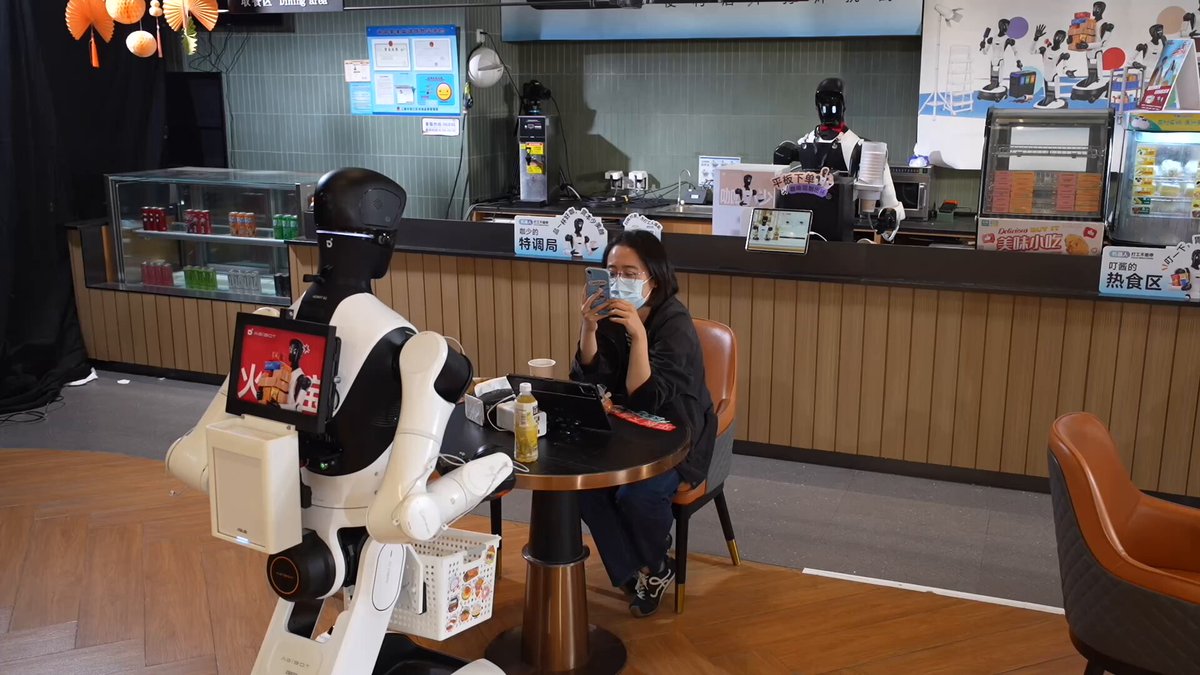
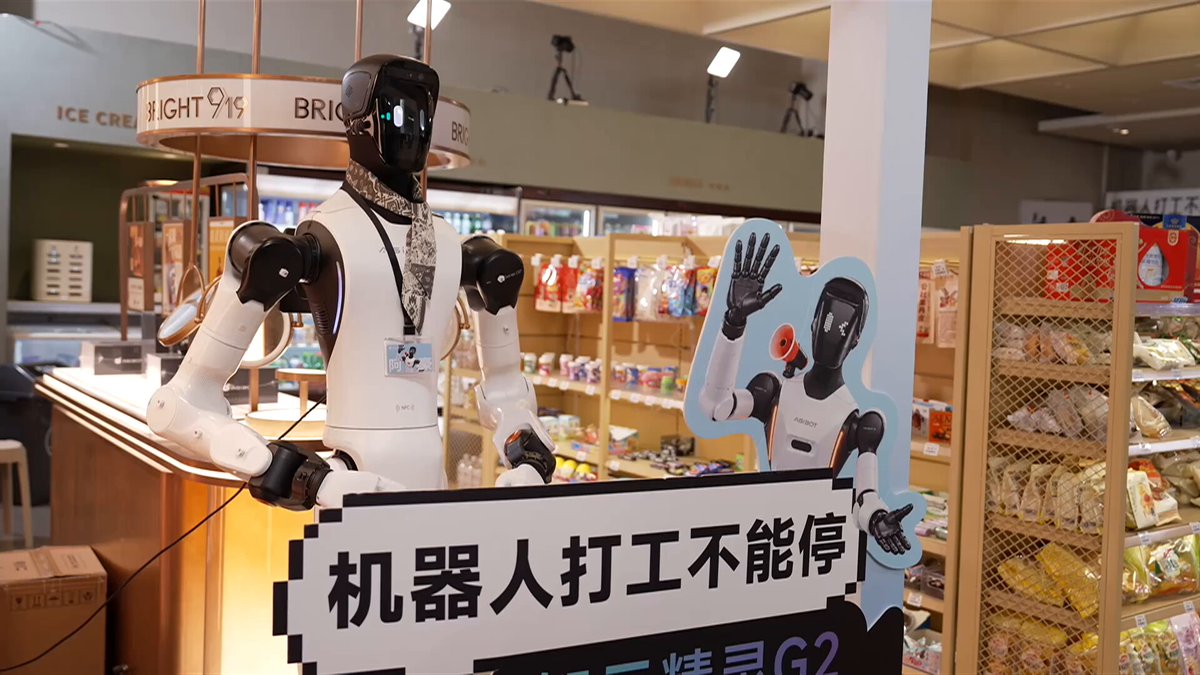
So when AGIBOT put six G2 wheeled humanoid robots inside a working convenience store in Shanghai and let them run it for 24 hours straight, livestreamed to more than two million viewers, I paid attention.
Here's what happened, what the numbers actually mean, and why I think the failures matter more than the wins.
The setup
The trial ran from 10 a.m. on November 2 to 10 a.m. on November 3, in an operating store in Shanghai's Xuhui District. Real customers, real products, real mess.
Each of the six G2 robots had its own job:
- Customer assistance
- Shelf inspection
- Restocking
- Coffee preparation
- Checkout and hot food
- Store cleaning
And they didn't just work one easy shift. The 24 hours covered the lunchtime rush, the evening peak, the overnight shift and the next morning's breakfast rush. Four very different kinds of pressure.
The numbers
Together, the six robots completed 1,730 tasks:
- 683 customer-service interactions
- 369 product pickups and deliveries
- 277 shelf inspections and restocking tasks
- 147 coffee orders
- 128 table cleanings
- 126 breakfast servings

The tests that tried to trip them up
Two evaluators didn’t just watch. They actively tried to break things:
They ordered regular and sugar-free Coca-Cola, to see if the robots could tell two near-identical cans apart
They shuffled packs of chewing gum on a shelf and asked the robots to put them back in the right spots
They blocked an aisle with a person and a box, to see if the robots could spot the obstacle and find a way around it
This is the part I’d want to see in every robot demo. Not “look what it can do” but “here’s what happens when we make it hard.”
This is the part I'd want to see in every robot demo. Not "look what it can do" but "here's what happens when we make it hard."
The two robots that didn't pass
At the end, each robot was assessed on time on duty, task completion, customer feedback, response time and how it handled unexpected situations.
Four of the six passed. Two didn't meet all the criteria.
Honestly, that's what makes this trial believable to me. A press event where every robot scores 100% tells you nothing. Publishing that a third of them fell short tells you the test was real, and it shows exactly where the technology still has work to do.
The brain behind the team: Genie Master
The part I find most interesting isn't any single robot. It's the system coordinating all six.
AGIBOT uses a framework called Genie Master. Through what it calls the Embodied Execution Protocol (EEP), it connects three steps:
- Planning: assigning tasks based on each robot's abilities and what's happening in the store
- Execution: robots do the work using their action policies and what they see in real time
- Feedback: results go back to Genie Master for analysis and troubleshooting.

This is the part I'd want to see in every robot demo. Not "look what it can do" but "here's what happens when we make it hard."
The two robots that didn't pass
At the end, each robot was assessed on time on duty, task completion, customer feedback, response time and how it handled unexpected situations.
Four of the six passed. Two didn't meet all the criteria.
Honestly, that's what makes this trial believable to me. A press event where every robot scores 100% tells you nothing. Publishing that a third of them fell short tells you the test was real, and it shows exactly where the technology still has work to do.
The brain behind the team: Genie Master
The part I find most interesting isn't any single robot. It's the system coordinating all six.
AGIBOT uses a framework called Genie Master. Through what it calls the Embodied Execution Protocol (EEP), it connects three steps:
- Planning: assigning tasks based on each robot's abilities and what's happening in the store
- Execution: robots do the work using their action policies and what they see in real time
- Feedback: results go back to Genie Master for analysis and troubleshooting.


