名言カード

名言カード

テキストから活版印刷風の名言カードを生成。多言語対応。

インストール数
43
カテゴリ画像
出典YouMind
YouMind Product Manager: 1.0, the choices we made

Labeling a product as 1.0 is more than just moving the version number forward one digit; it's a sense of confirmation: YouMind has finally come to fruition. So, taking this opportunity, I'd like to share some candid thoughts from a startup team's perspective on our recent product, team, and development.

The current state of survival for small teams

We recently did a cost breakdown, and the good news is that YouMind's overall investment and returns are currently in a very healthy state. However, we sometimes need to plan ahead, because the healthier the situation, the more important it is to carefully consider whether this health can continue.

Here's the situation: let's start by looking at the costs. We found that heavy users of YouMind were spending far more each month than we expected. On one hand, we're happy because the product is very popular with users and creates value for them. On the other hand, we're also considering how to gradually optimize the cost structure while maintaining quality.

Optimizing the cost structure is essentially about giving us more initiative in our future development. Offering trial services to new users is always a significant expense, and if these users don't pay, spread the word, or provide feedback, it represents a direct loss for us.

This isn't a complaint; it's the reality for most startups.

The AI ​​era has changed the economic models of many software products. The traditional approach of "building a large user base first and then monetizing" is becoming increasingly inapplicable. The reason is simple: every time an AI product interacts with another user and generates an image, it incurs costs. Often, it doesn't operate mechanically according to a program, but rather it consumes real money.

If a startup doesn't have very strong capital backing, then the "burn money first, then monetize" model is no longer reliable. We must find a healthy growth curve in the early stages.

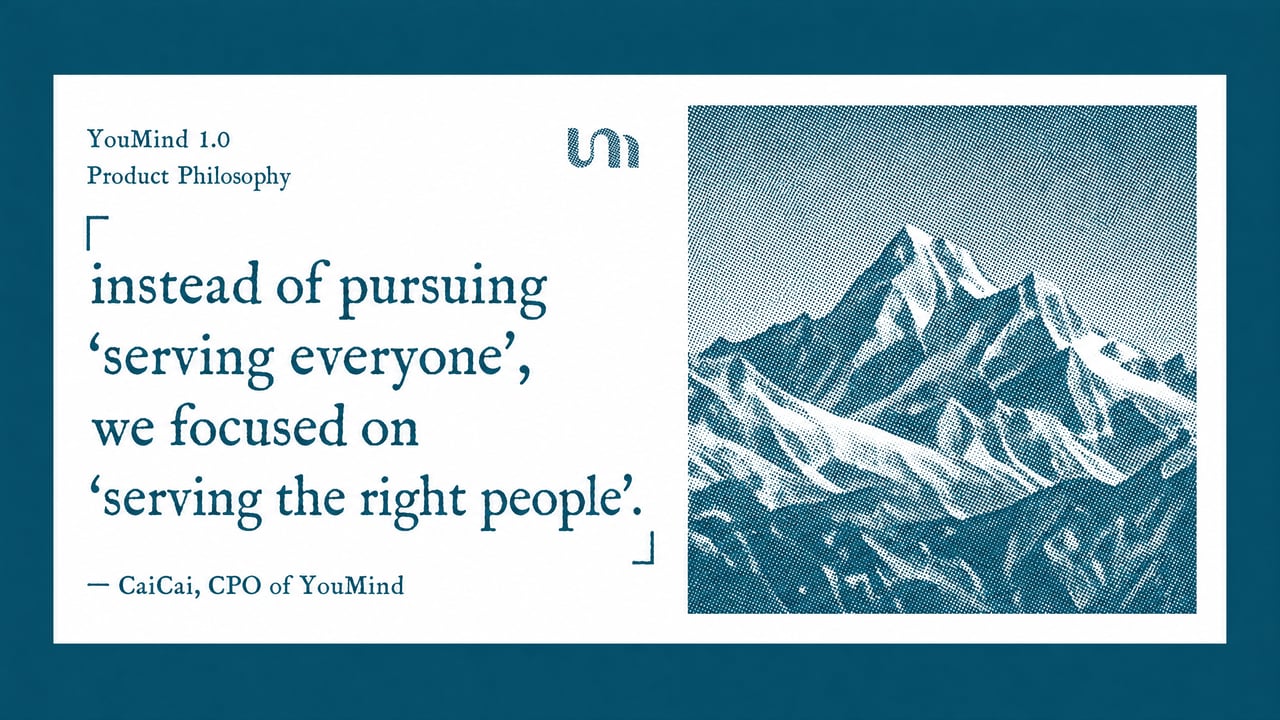
So we made a choice: instead of pursuing "serving everyone", we focused on "serving the right people".

{"alt":"Quote Card: Serving the Right People","id":"imageId-68a9f005-6622-48e5-b63e-f6f88a78a1f9","width":1066,"height":600}

<EMPTY_PARAGRAPH>

If "serving the right people" is our choice on the user side, then on the product side, we face another kind of anxiety.It's not that I can't think of what to do, but rather that there are too many things I want to do and can do.

AI amplifies possibilities and improves everyone's output efficiency, making everyone eager to try new ideas, and innovation surges. However, for small teams, what is truly scarce is never ideas, but time.

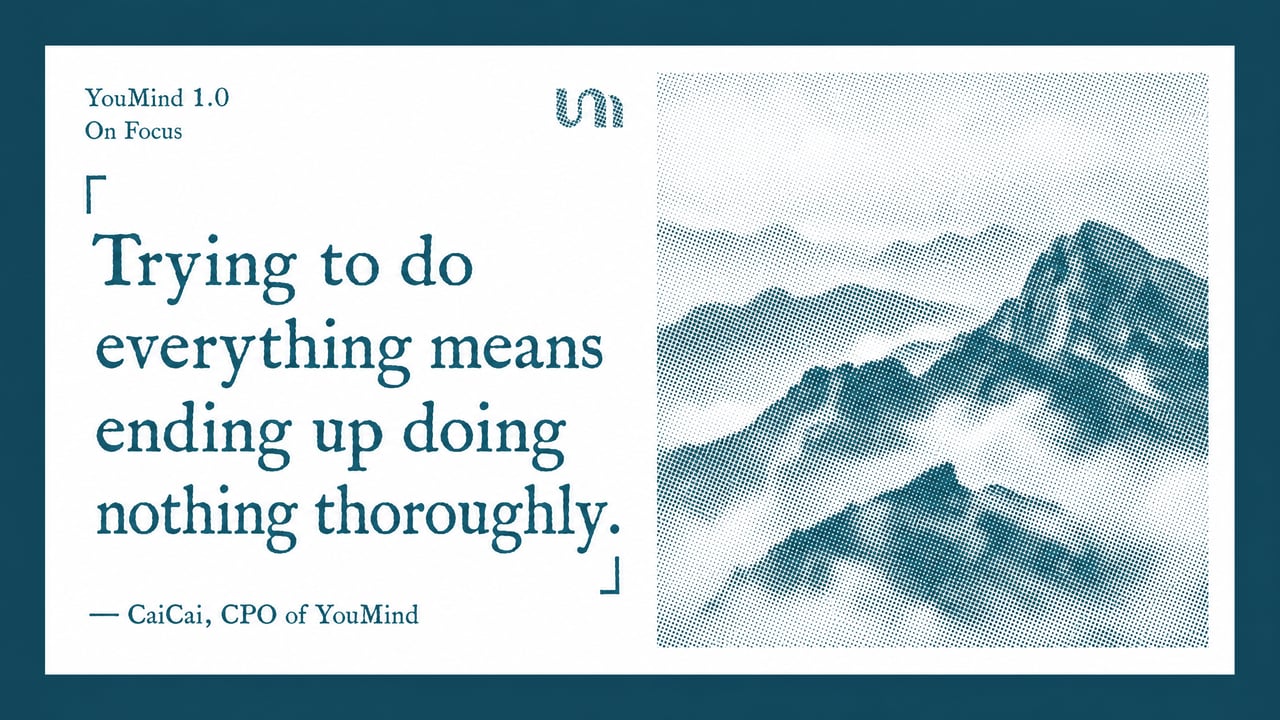
Trying to do everything means ending up doing nothing thoroughly.

{"alt":"Quote Card: Doing Nothing Thoroughly","id":"imageId-28ae376b-f655-40e8-a1f7-036473ae782e","width":1066,"height":600}

So when making choices, one topic we have to discuss is how to ensure we're still on the right track.

In a world of infinite possibilities, hold fast to the main storyline.

Over the past month, we've experimented with some new iteration methods, dividing R&D into several groups that can independently advance their tasks and directions. The experiments have yielded some benefits, but have also exposed some iteration-related issues.

Trying multiple groups has the most direct impact of multiple breakthroughs, which seems to speed up the iteration process. However, people will gradually forget our main focus and core principles because they are often more interested in trying new things than anything else.

The most fascinating, yet also the most dangerous, aspect of the AI ​​era is that every path seems correct, and every idea could become the next opportunity. We often cling to the hope that "it might just work out." But the problem is, most ideas don't actually lead to anything. Small teams also don't have the resources to gamble. Resources are finite; no matter how many agents you deploy, individual bandwidth is ultimately limited. If you can't even think through the intricacies of a single issue, scaling up the process is meaningless.

説明

このスキルをおすすめする理由

テキストや記事を優雅なレタープレス風名言カードに変換します。独自のヴィンテージ美観は、ハーフトーンの山岳風景と多言語対応の専門的なタイポグラフィを組み合わせ、最も影響力のある洞察を洗練された印刷品質のビジュアルに仕上げます。

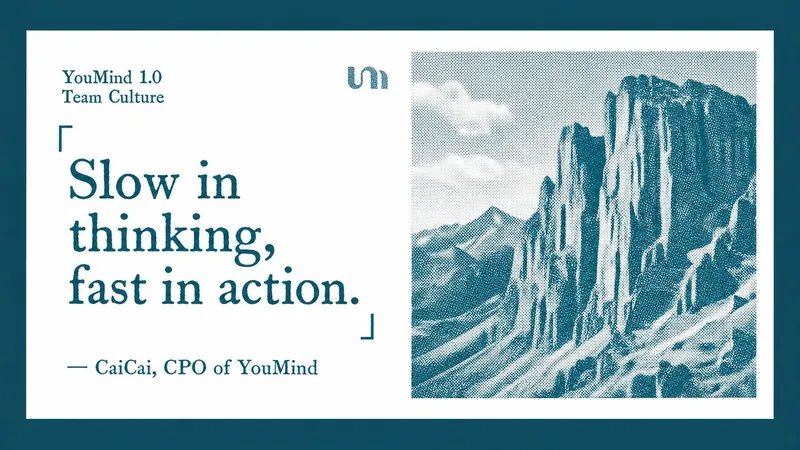
お気に入りの名言や示唆に富む文章を、美しく仕上げた活版印刷風のカードに変えます。このスキルは、提供された記事テキスト、ウェブページのURL、またはドキュメントから「黄金の名言」を抽出し、ヴィンテージ印刷の美学を備えた、優雅で横向きの名言カードを一連に生成することに特化しています。 各カードは真っ白な背景に、選んだ名言を左側に配置し、インクの抜けや不均一な線など、本格的な活版印刷の風合いを再現します。右側には、霧がかった山々の尾根から雪を頂いた峰まで、特徴的なハーフトーンの風景写真が自然の静けさを添え、すべてが上品なアクセントカラーで彩られています。 長いレポートから知恵を厳選する場合でも、オンライン記事の重要なポイントを強調する場合でも、このツールはすべてのカードが一貫性のある洗練されたデザインを維持することを保証します。生成された各名言カードは、ドキュメント内の元の文脈または新しく作成した記事に丁寧に配置され、タイムレスな視覚的魅力で深いアイデアを共有したり、再訪したりするのが容易になります。

関連スキル

すべて表示
画像

リアルな手書き画像生成

ユーザーが提供した中国語・英語の文案、人物の筆跡設定、紙、筆記具、環境、撮影に関する要望を、高い臨場感のある「実在する人の手書き内容」画像用プロンプトに変換します。画像生成機能を直接呼び出して、完成画像を生成することもできます。目指すのは、フォント素材のような印象や書道作品らしさ、明らかなAI感を避け、具体的な人物が、具体的な時間に、具体的な媒体へ実際に書き残した跡のような文字を再現することです。対応シーン:手書き、手書きの手紙、手書き画像、手書きメモ、メモ書き、便箋、日記の手書き、筆跡、手書き文案の画像化。

P
21k
画像

うちの子アイコン Pro

一枚の写真から、うちの子の変身アイコン。 愛するペットの写真を1枚アップロードすると、AIが毛色、模様、目など、その子ならではの特徴を自動で捉えます。どのスタイルでも、同じ子だとすぐ分かる仕上がりです。 ワンタップで生成: - 1:1アイコン:ステッカー風/リアル風。豊富なアクセサリーで、かわいく上品に - スマホ/パソコン用壁紙:デフォルトは3:4。9:16、16:9などのサイズも選択でき、さまざまなスタイルで画面を彩ります 線と色調に統一感を持たせ、どの一枚も精巧で見分けやすい仕上がりに。SNSアイコンからスマホ壁紙まで、これひとつで作れます。 同じペットが、さまざまなスタイルに。

B
22k
画像

雪原ロマン・チベット風祝福カード

中国語の祝福メッセージを入力して第三言語を選ぶと、固定のスタイル見本画像を参考に、9:16の縦型チベット風祝福カードを生成します。世界中の友人に、幸運と祝福を届けられます。

1200

次のお気に入りスキルを見つけよう

リサーチ、制作、日々の作業に役立つ厳選AIスキルをさらに探しましょう。

すべてのスキルを見る