I Made $4,100 On Roblox This Month. I Haven't Played Since 2009
AI features
- Views
- 315K
- Likes
- 163
- Reposts
- 5
- Comments
- 24
- Bookmarks
- 344
TL;DR
This article explores the massive earning potential of the Roblox platform, detailing four income streams and an AI-driven workflow to scale game production.
Reading the ENGLISH translation
Teenagers are pulling $30,000/month from a platform built on virtual plastic blocks. Most adults scroll past it without a second thought. That's the opportunity.
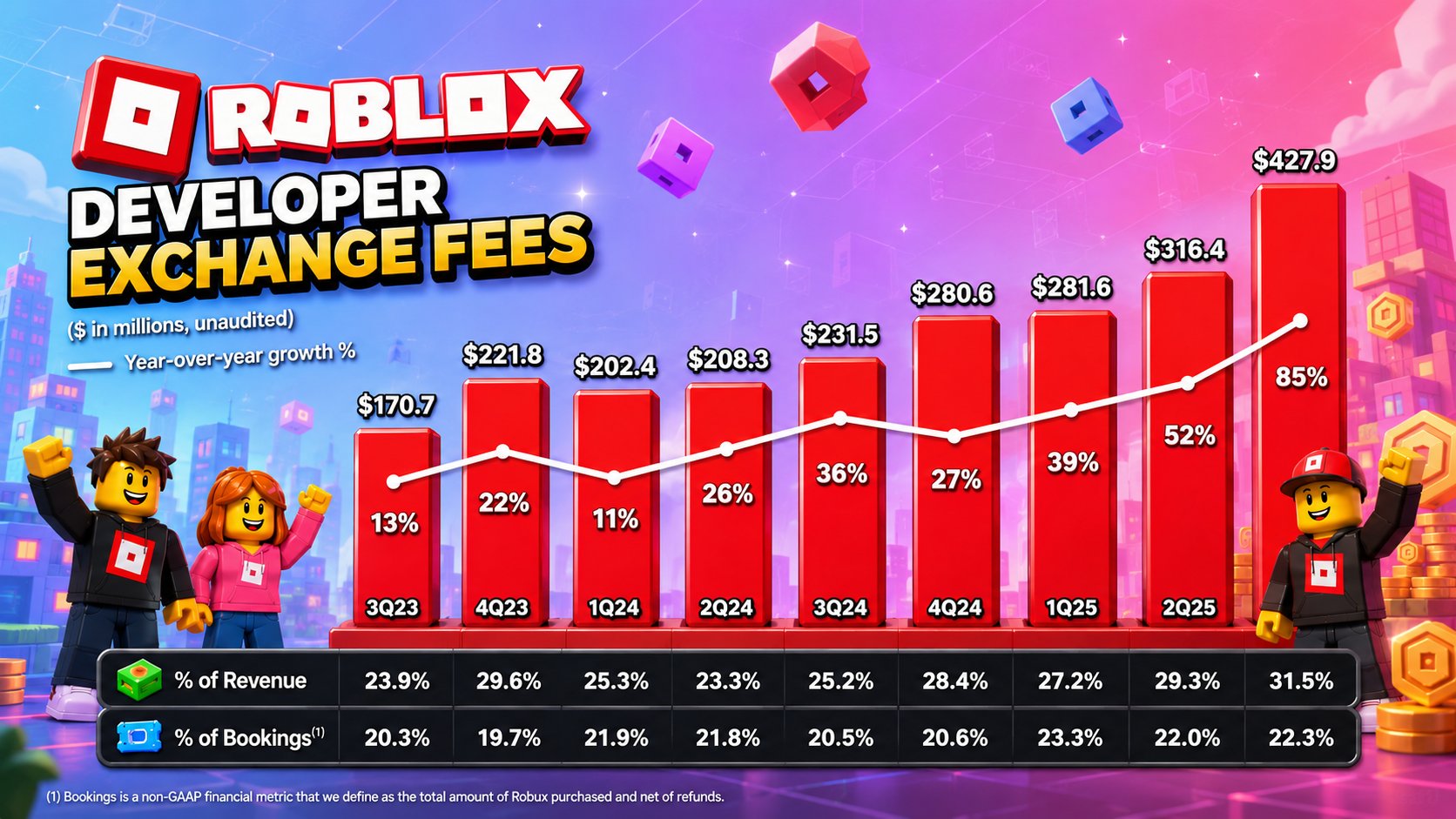
A 17-year-old in Ohio made $400,000 last year building Roblox games in his bedroom. A 15-year-old in the UK cleared $2.1M from a single obby game with a $3 gamepass.
These aren't anomalies. Roblox's DevEx program - the system that converts Robux into real dollars - processed over $1 billion in creator payouts in 2025.
The platform has 88 million daily active users. Average session: 2.4 hours. These people are not going anywhere.
And the creators capturing most of that $1B are teenagers who figured out the system before adults took it seriously.
That window is still open. Barely.
1. How the money actually works
Roblox runs on Robux - the internal currency. Players buy Robux with real money. They spend it on your games, your items, your passes.
You collect Robux. Then you convert through DevEx:
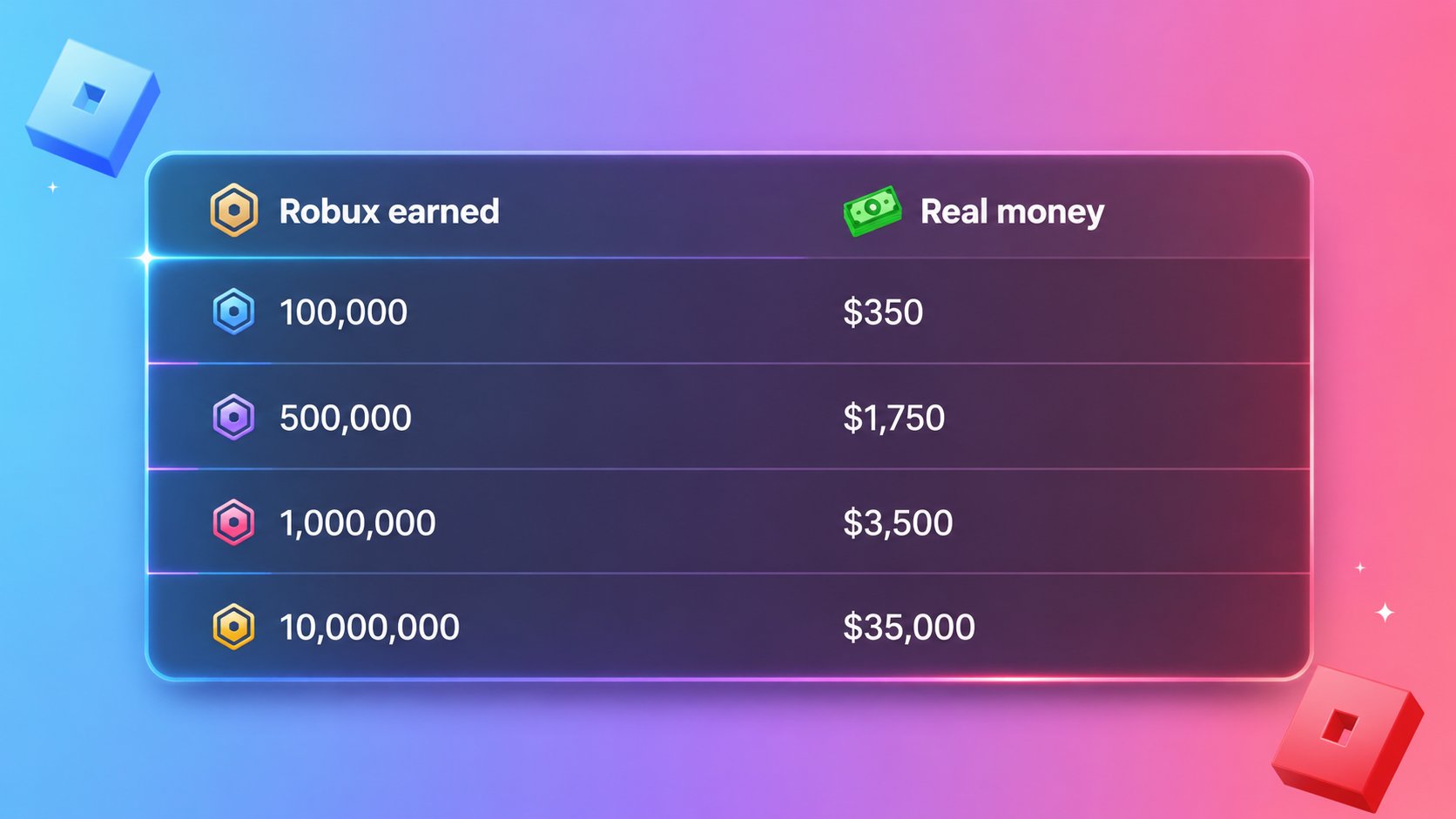
Roblox takes 30% on most transactions. You keep 70%.
The math changes completely when you understand that one good game keeps earning for years. The asset compounds. A game built in 2024 is still paying its creator in 2026 if the retention loop is right.
2. Four income streams inside Roblox. Ranked by speed of return
Gamepasses - the highest margin product on the platform
A gamepass is a one-time purchase inside your game. $1 to $25 each. Players buy them to unlock abilities, areas, cosmetics, or advantages.
Top games sell thousands of gamepasses per day.
The math on a mid-tier game: Daily active users: 5,000 Gamepass conversion rate: 3% Average gamepass price: $5 Daily revenue: 150 × $5 = $750 Monthly revenue: $22,500 Your cut (70%): $15,750/month
Claude builds the entire gamepass system in Lua. You design what the pass unlocks. Claude writes the code that enforces it.
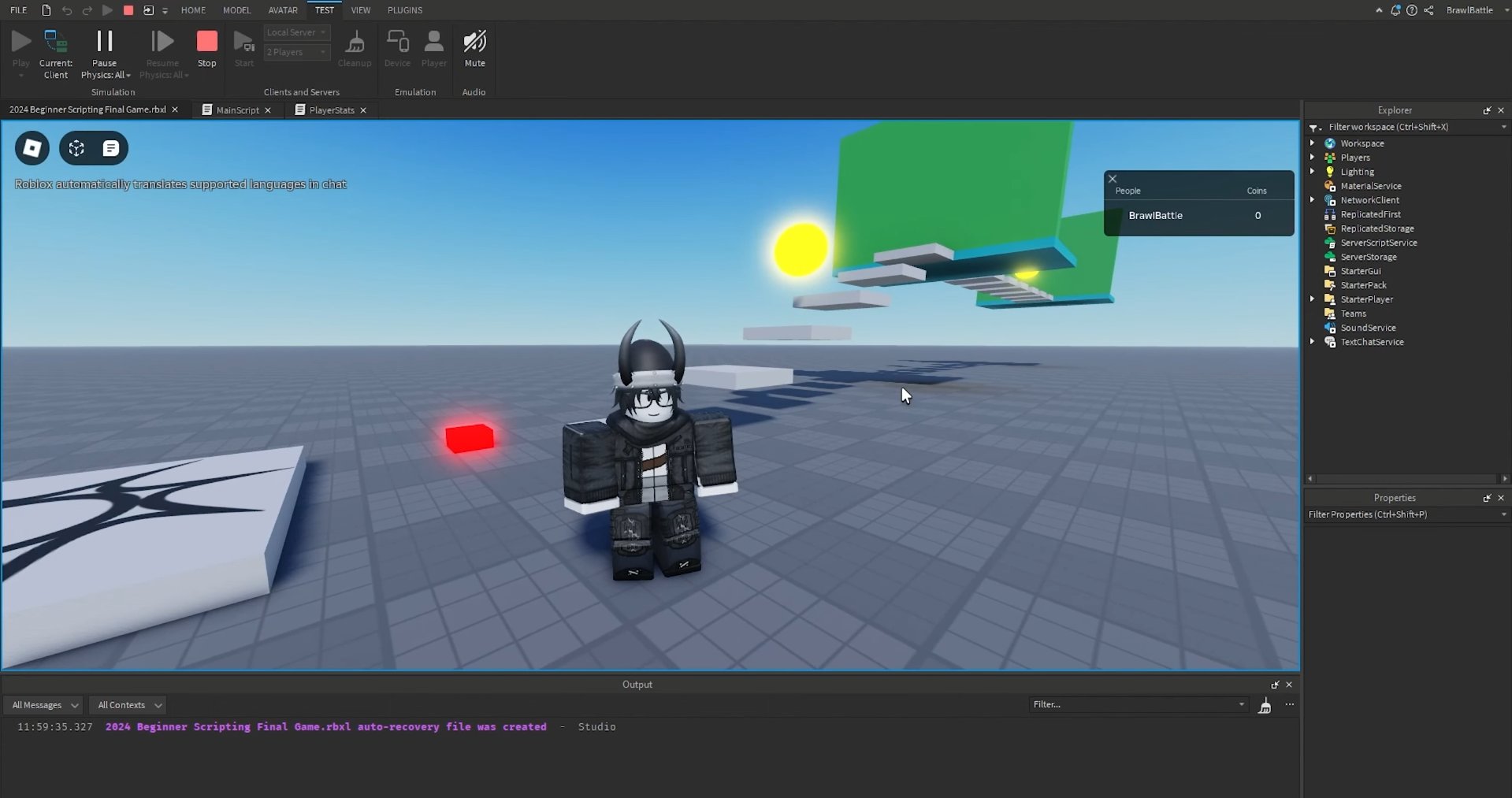
Every editable value is a slider you tune without touching code. Claude generates this in under a minute. You adjust the gamepass IDs and prices. Done.
3. Avatar items - passive income from the marketplace
Roblox has 88 million daily users. Every single one has an avatar. Every single one customizes it.
The Avatar Marketplace lets you sell:
- Shirts and pants ($1-5 each)
- Accessories and hats ($5-50 each)
- Bundles ($10-100 each)
You upload once. It sells indefinitely. Royalty on every transaction.
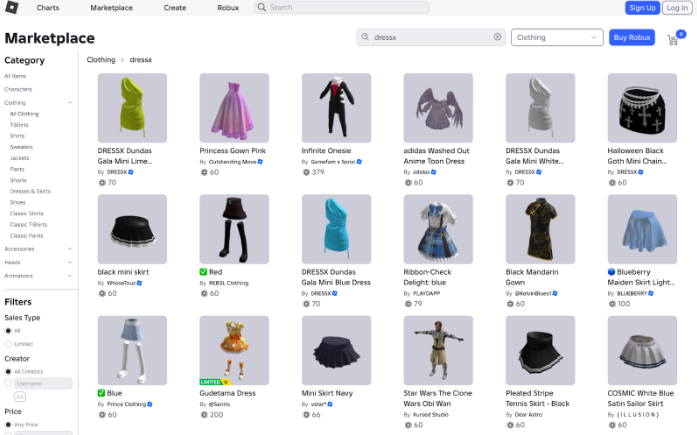
Mid-tier accessory with 10,000 sales at $5 = $35,000 (after Roblox cut).
Claude designs the concept. You execute in Blender or use a 3D asset generator. Claude also writes the upload automation:
4. Private servers - recurring revenue from one game
Players pay a monthly fee to rent a private server inside your game. You set the price. Roblox handles billing.
50 private servers × $10/month = $500/month 200 private servers × $10/month = $2,000/month 500 private servers × $10/month = $5,000/month
From one game. While you sleep.
The games with the strongest private server revenue share one trait: they're inherently social. Friend groups want their own space. Roleplay games, simulator games, tycoon games - all benefit from private servers.
Claude builds the private server management system:
5. Creator Store - selling to other developers
This is the least talked about stream and one of the most consistent.
Other Roblox developers need:
- Pre-built UI systems
- NPC AI scripts
- Economy frameworks
- Combat systems
- Inventory systems
They buy them from Creator Store instead of building from scratch. Prices range from $5 to $500 per asset.
Claude builds the asset. You list it. Every developer who buys it is another passive transaction.
A well-built combat system listed at $50 with 200 sales = $7,000 from one product.
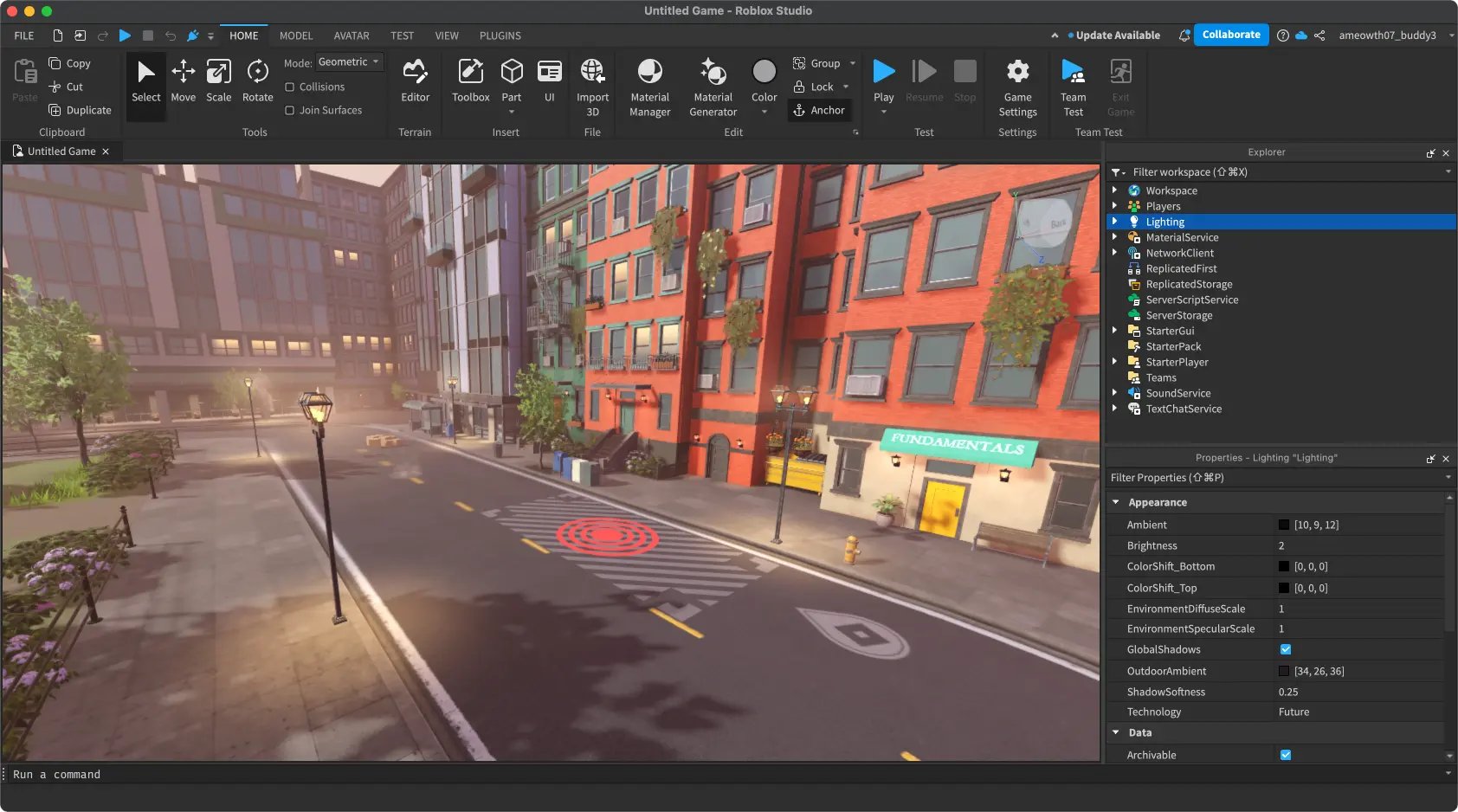
6. The AI workflow that changes everything
The bottleneck for solo Roblox developers has always been time. Scripting a full game from scratch takes months. With Claude the pipeline compresses dramatically.
Week 1: 20 ideas → top 3 → Claude builds the Lua loop Week 2: Build and test prototype → Claude writes all systems Week 3: Publish → monitor → Claude diagnoses drop-off points Week 4: Iterate based on data → start concept 2 in parallel
Manual developers ship 2-3 games per year. With this pipeline: 1 game per month.
The compounding effect:
7. The retention formula that separates $500/month from $15,000/month
Most games die in week 2. Not because the concept is bad - because the retention loop has holes.
Claude prompt for retention analysis:
8. Realistic numbers and timeline
No guarantee. No projection. Just what the math looks like when the system runs correctly:
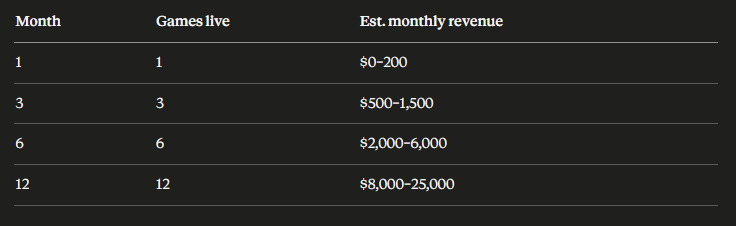
The first month will be nearly zero. That's expected and normal. The compounding starts at month 4-5 when your catalog has reviews, organic discovery, and retention data to optimize against.
9. What this actually requires
Not coding skills - Claude handles Lua. Not design skills - Claude generates concepts and asset briefs. Not a team - one person with a system beats a team without one.
What it actually requires:
Research - understanding what Roblox's audience wants right now Consistency - one game per month for six months minimum Patience - the compounding doesn't show until month 3-4 Speed - the platform rewards early movers in every trend cycle
The teenagers clearing $30,000/month on Roblox aren't more talented. They started earlier and they shipped more. Claude closes both gaps.
The bottom line
Roblox paid $1,000,000,000 to creators in 2025. The platform has 88 million daily users and is growing. The DevEx program is transparent, the payouts are real, and the tools to build competitively now exist for anyone with an internet connection.
The question was never whether the opportunity is real. It clearly is.
The question is whether you treat it like a business from day one - or scroll past it the same way everyone scrolled past Roblox for the last ten years while teenagers got rich.
This is purely my personal perspective on how the Roblox creator economy works - not financial advice. Everything here is based on publicly available data and my own observations. Results vary enormously based on game quality, timing, and execution.
Do your own research. Start small. The rest compounds.
Thank you for reading.