Análise cruzada de YouTubes
Instruções
Tarefa principal
Para 3 a 5 vídeos do YouTube ou podcasts sobre o mesmo tema, selecionados pelo usuário. O objetivo: ignorar as fronteiras entre as fontes, construir uma linha do tempo ou árvore lógica unificada, gerar um Relatório de Radar de Conflitos e produzir um Mapa de Terminologia Interfontes.
Antes de executar a operação, peça ao usuário que selecione os vídeos/podcasts do YouTube que deseja analisar.
Etapa 1: Alinhamento Lógico
Objetivo: Reunir os "fragmentos" de diferentes criadores em uma imagem coerente.
Ações:
Desduplicar e reorganizar: ignore a estrutura original dos vídeos A, B e C. Agrupe todo o conteúdo por tema — definições, história, aplicações, etc.
Estrutura Unificada: Organize as ideias em uma progressão lógica (por exemplo, O quê → Por quê → Como) para criar um Guia Mestre abrangente.
Etapa 2: Radar de Conflito
Objetivo: Aprimorar o pensamento crítico, identificando os pontos de divergência entre especialistas.
Ações:
Identificar contradições: Procure por opiniões divergentes entre as fontes (por exemplo, o Criador A recomenda uma ferramenta enquanto o Criador B alerta contra o seu uso).
Comparação lado a lado: Exiba uma tabela listando o Ponto de Conflito, o Ponto de Vista do Criador A, o Ponto de Vista do Criador B e o raciocínio por trás de cada um.
Conteúdo gerado e anexado à página "Alinhamento Lógico".
Etapa 3: Mapeamento da Terminologia
Objetivo: Eliminar a confusão causada por termos diferentes para o mesmo conceito.
Ações:
Identificar sinônimos: detectar quando diferentes falantes usam nomes diferentes para a mesma ideia (por exemplo, "função de perda" versus "função de custo").
Gere uma tabela de mapeamento: padronize a terminologia com uma tabela de referência que indique o "dialeto" de cada criador.
Conteúdo gerado e anexado à página "Alinhamento Lógico", logo atrás do Radar de Conflitos.
Certifique-se de que os resultados das três etapas estejam escritos na mesma página.
Descrição
Recomendado por
nene@YouMind
Por que recomendamos esta habilidade
Unifique conteúdos díspares do YouTube em uma narrativa coerente. Essa skill analisa cruzadamente múltiplos vídeos, gera uma linha do tempo unificada, identifica conflitos e mapeia terminologia. Ideal para aprofundar em temas complexos e obter uma compreensão abrangente de várias perspectivas.
Sintetize vários episódios do YouTube em um framework unificado, destaque automaticamente pontos de vista conflitantes e construa um entendimento mais objetivo e completo.
Habilidades relacionadas
Ver tudo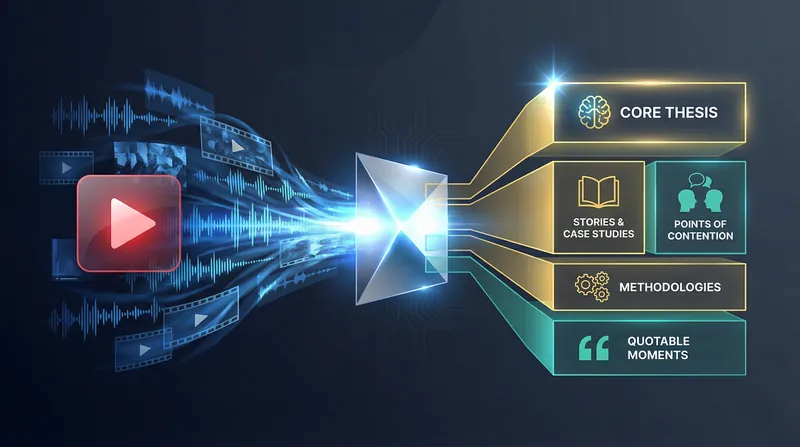 Pesquisa
YouTube para notas de insight
Aprenda rapidamente um episódio longo do YouTube transformando-o em notas abrangentes, estruturadas e cheias de insights. Obtenha argumentos principais, estudos de caso e momentos citáveis, perfeitamente organizados para compreensão profunda e fácil consulta.
 Pesquisa
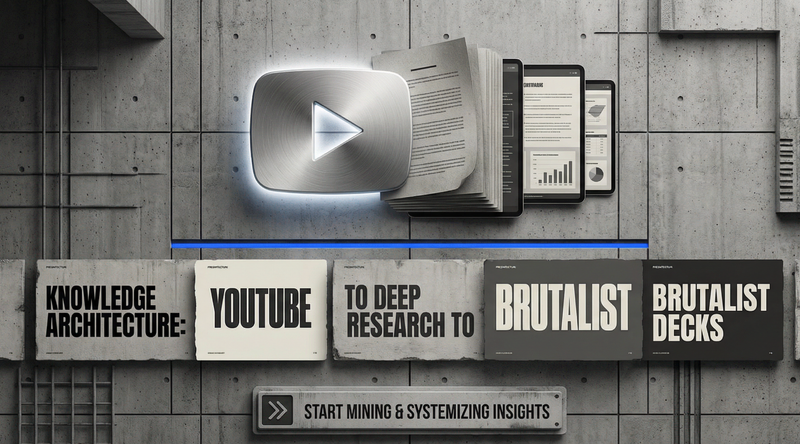
Base de conhecimento YouTuber
Converta em lote vídeos dos principais influenciadores do YouTube em ativos de conhecimento sistemáticos. Gere artigos de pesquisa aprofundados e apresentações no estilo brutalista a partir das filosofias centrais dos principais criadores do YouTube.
 Pesquisa
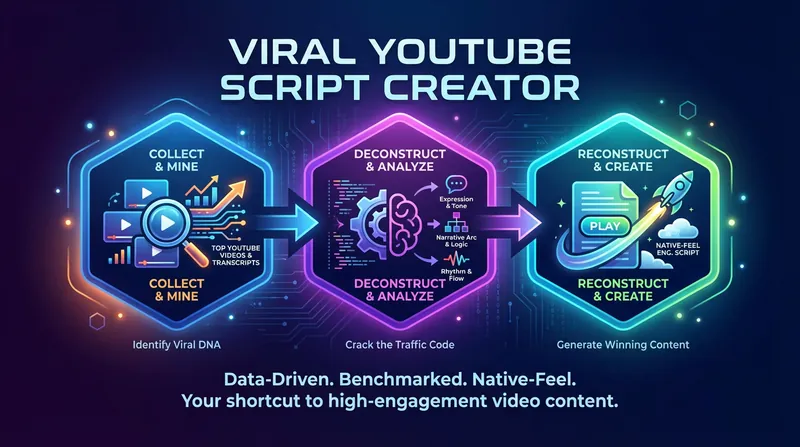
Desconstrua roteiros virais do YouTube
Analisa os maiores sucessos do YouTube, desconstrói seu estilo e cria um roteiro nativo com engajamento embutido, garantindo que seu conteúdo ressoe desde o início.
Análise cruzada de YouTubes
Instruções
Tarefa principal
Para 3 a 5 vídeos do YouTube ou podcasts sobre o mesmo tema, selecionados pelo usuário. O objetivo: ignorar as fronteiras entre as fontes, construir uma linha do tempo ou árvore lógica unificada, gerar um Relatório de Radar de Conflitos e produzir um Mapa de Terminologia Interfontes.
Antes de executar a operação, peça ao usuário que selecione os vídeos/podcasts do YouTube que deseja analisar.
Etapa 1: Alinhamento Lógico
Objetivo: Reunir os "fragmentos" de diferentes criadores em uma imagem coerente.
Ações:
Desduplicar e reorganizar: ignore a estrutura original dos vídeos A, B e C. Agrupe todo o conteúdo por tema — definições, história, aplicações, etc.
Estrutura Unificada: Organize as ideias em uma progressão lógica (por exemplo, O quê → Por quê → Como) para criar um Guia Mestre abrangente.
Etapa 2: Radar de Conflito
Objetivo: Aprimorar o pensamento crítico, identificando os pontos de divergência entre especialistas.
Ações:
Identificar contradições: Procure por opiniões divergentes entre as fontes (por exemplo, o Criador A recomenda uma ferramenta enquanto o Criador B alerta contra o seu uso).
Comparação lado a lado: Exiba uma tabela listando o Ponto de Conflito, o Ponto de Vista do Criador A, o Ponto de Vista do Criador B e o raciocínio por trás de cada um.
Conteúdo gerado e anexado à página "Alinhamento Lógico".
Etapa 3: Mapeamento da Terminologia
Objetivo: Eliminar a confusão causada por termos diferentes para o mesmo conceito.
Ações:
Identificar sinônimos: detectar quando diferentes falantes usam nomes diferentes para a mesma ideia (por exemplo, "função de perda" versus "função de custo").
Gere uma tabela de mapeamento: padronize a terminologia com uma tabela de referência que indique o "dialeto" de cada criador.
Conteúdo gerado e anexado à página "Alinhamento Lógico", logo atrás do Radar de Conflitos.
Certifique-se de que os resultados das três etapas estejam escritos na mesma página.
Descrição
Recomendado por
nene@YouMind
Por que recomendamos esta habilidade
Unifique conteúdos díspares do YouTube em uma narrativa coerente. Essa skill analisa cruzadamente múltiplos vídeos, gera uma linha do tempo unificada, identifica conflitos e mapeia terminologia. Ideal para aprofundar em temas complexos e obter uma compreensão abrangente de várias perspectivas.
Sintetize vários episódios do YouTube em um framework unificado, destaque automaticamente pontos de vista conflitantes e construa um entendimento mais objetivo e completo.
Habilidades relacionadas
Ver tudoPesquisaYouTube para notas de insight
Aprenda rapidamente um episódio longo do YouTube transformando-o em notas abrangentes, estruturadas e cheias de insights. Obtenha argumentos principais, estudos de caso e momentos citáveis, perfeitamente organizados para compreensão profunda e fácil consulta.
PesquisaBase de conhecimento YouTuber
Converta em lote vídeos dos principais influenciadores do YouTube em ativos de conhecimento sistemáticos. Gere artigos de pesquisa aprofundados e apresentações no estilo brutalista a partir das filosofias centrais dos principais criadores do YouTube.
PesquisaDesconstrua roteiros virais do YouTube
Analisa os maiores sucessos do YouTube, desconstrói seu estilo e cria um roteiro nativo com engajamento embutido, garantindo que seu conteúdo ressoe desde o início.
Encontre sua próxima habilidade favorita
Explore mais habilidades de IA selecionadas para pesquisa, criação e trabalho do dia a dia.