Cartão de Citações
Cartões de citação letterpress. Multilíngue.
Cartão de Citações
Cartões de citação letterpress. Multilíngue.
Prévia
Descrição
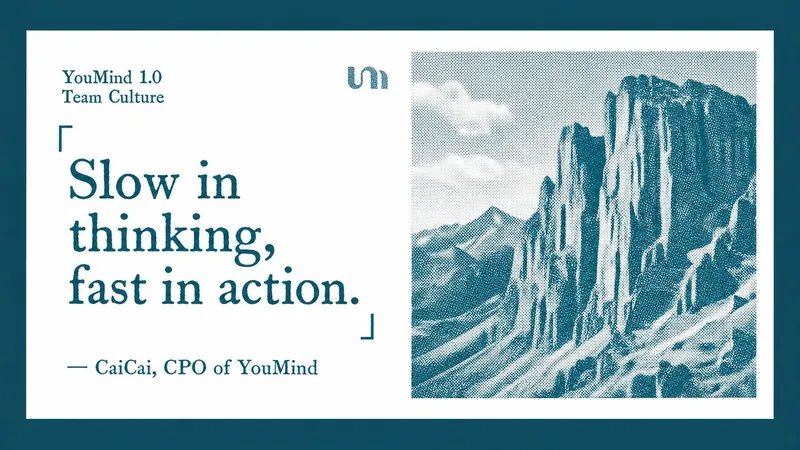
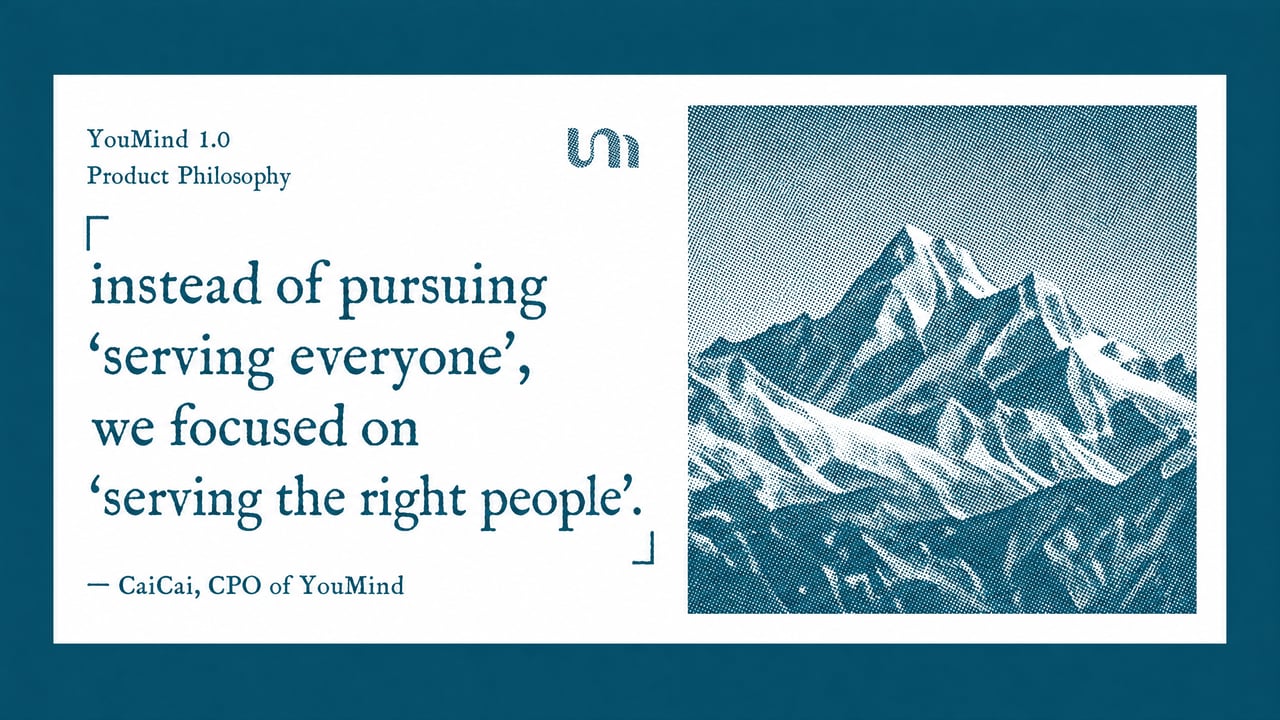
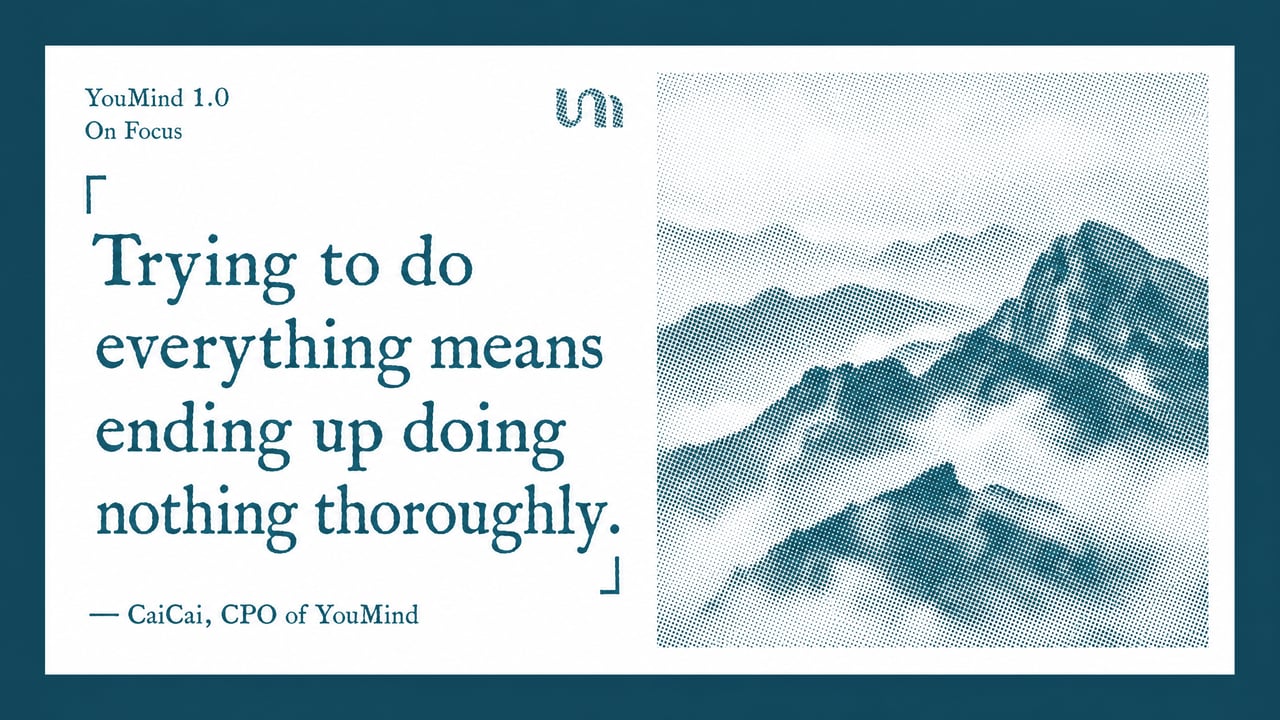
Transforme suas citações favoritas e passagens perspicazes em cartões lindamente elaborados no estilo letterpress. Esta habilidade é especializada em extrair "citações de ouro" de qualquer texto de artigo, URL de página da web ou documento que você fornecer, e depois gerar uma série de cartões de citação elegantes e horizontais com uma estética de impressão vintage. Cada cartão apresenta um fundo branco puro, exibindo sua citação escolhida à esquerda, renderizada com imperfeições autênticas de letterpress, como falhas de tinta e traços irregulares. À direita, uma distinta foto de paisagem em meio-tom — de cristas montanhosas nebulosas a picos cobertos de neve — adiciona um toque de serenidade natural, tudo tingido com uma cor de destaque sofisticada. Esteja você organizando sabedoria de um relatório extenso ou destacando as principais conclusões de um artigo online, esta ferramenta garante que cada cartão mantenha um design consistente e refinado. Ela coloca cuidadosamente cada cartão de citação gerado de volta em seu contexto original dentro do seu documento ou em um artigo recém-criado, facilitando o compartilhamento ou a revisão de ideias profundas com um apelo visual atemporal.
Recomendado por
Shuting@YouMind
Por que recomendamos esta habilidade
Transforme textos e artigos em elegantes cartões de citação letterpress. Sua estética vintage distinta combina paisagens montanhosas em meio-tom com tipografia multilíngue especializada para criar visuais sofisticados e de qualidade de impressão para seus insights mais impactantes.
Habilidades relacionadas
Ver tudo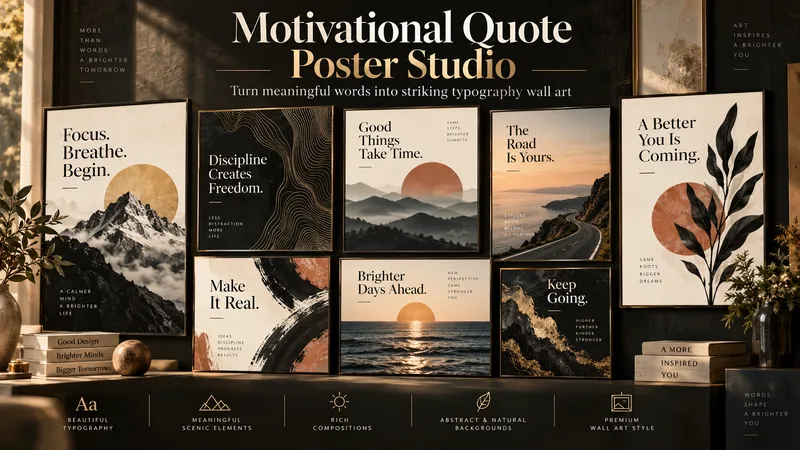 Imagem
Pôsteres Motivacionais
Transforme uma ideia motivacional, citação ou sentimento em uma arte tipográfica de parede visualmente marcante, criada para ambientes reais. A Skill combina descoberta de citações, tipografia, composição, imagens simbólicas e direção artística para criar pôsteres que parecem verdadeiras obras de lojas de design — não gráficos genéricos de citações para redes sociais. Comece com sua própria citação ou simplesmente descreva um tema, como foco, coragem, crescimento, paz, disciplina, liberdade ou criatividade. Se ainda não tiver as palavras certas, a Skill gera uma coleção selecionada de citações prontas para pôster e combinações com várias citações para você escolher. Depois que a mensagem é selecionada, a Skill analisa seu significado e traduz as ideias principais em linguagem visual. Uma citação sobre montanhas pode inspirar formas de cumes ou linhas topográficas. Uma mensagem sobre o mar pode influenciar formas fluidas, horizontes ou imagens atmosféricas. Temas como luz, crescimento, movimento e liberdade podem se tornar parte da própria composição. A Skill desenvolve automaticamente: - Hierarquia tipográfica e composição do texto - Motivos visuais orientados pelo significado - Direção de cores e do fundo - Layouts artísticos e editoriais para pôsteres - Fundos abstratos, ilustrativos, cênicos ou híbridos - Composições visuais ricas para decoração de parede - Três direções criativas finais distintas Os conceitos finais variam de designs refinados e premium a criações artisticamente ricas e declarações visuais marcantes. O resultado padrão é uma arte de pôster plana — não uma simulação emoldurada de ambiente — para manter o foco no design em si. Seja para uma impressão tranquila para o escritório, um pôster marcante e dramático, uma peça artística para o quarto ou um conceito de arte de parede comercialmente atraente, a Skill transforma palavras em uma experiência visual completa.
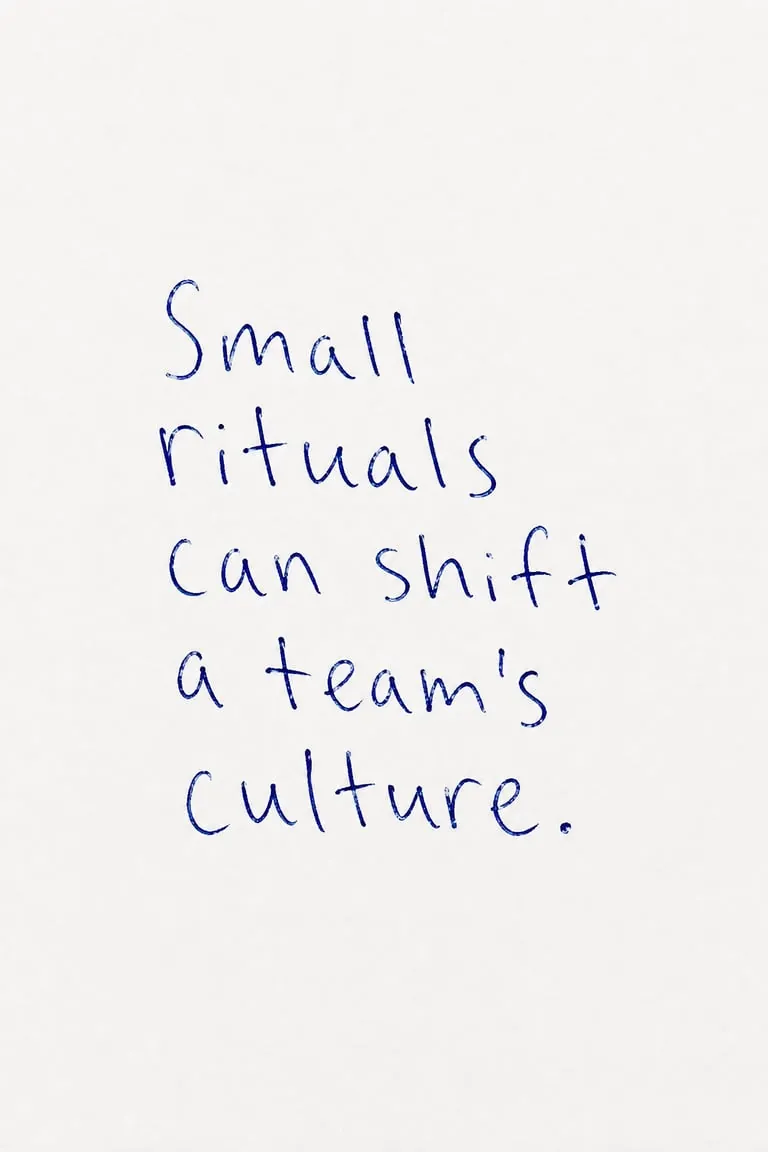
Citação em Imagem Manuscrita
Transforme um texto em uma frase concisa e significativa e em uma imagem de citação com aparência natural de escrita à mão. Esta skill identifica a mensagem central em reflexões pessoais, opiniões, emoções, fatos, anúncios, instruções e outros conteúdos curtos, refinando-a em uma frase breve que preserva o significado original, sem exageros ou afirmações inventadas. Ela pode trabalhar no idioma original, tornando o resultado fácil de ler e adequado para apresentação manuscrita. Você revisa e confirma o texto refinado antes que qualquer imagem seja criada. Depois da aprovação, o texto confirmado se torna o único conteúdo de um visual minimalista: escrita azul-escura de caneta esferográfica em papel branco limpo ou levemente aquecido, com bastante espaço negativo e um estilo manuscrito descontraído e ligeiramente irregular. Variações naturais no alinhamento, no tamanho das letras, na pressão, na densidade da tinta, na textura e em pequenas áreas de tinta falhada dão ao resultado a aparência de uma escrita real, em vez de uma fonte digital perfeitamente polida. Use para cards de citações em redes sociais, reflexões pessoais, aprendizados marcantes, notas curtas ou mensagens em destaque que se beneficiem de um visual íntimo e analógico. A imagem final mantém o texto claro e preciso, evitando texto adicional, elementos decorativos, poluição visual ou marcas-d’água.
 Imagem
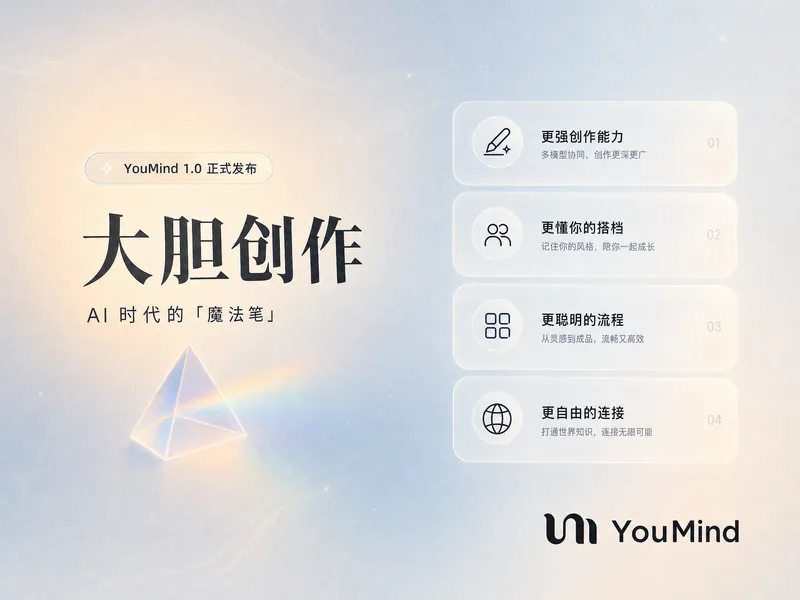
Pôster de Landing Page YouMind
Transforme seu conteúdo em uma narrativa visual impressionante com um Pôster Estilo Landing Page YouMind. Esta habilidade cria belos pôsteres infográficos que capturam a atenção com uma estética única de Retrofuturismo Natural. Perfeito para destacar dados importantes, marcos do projeto ou características do produto, suas informações serão apresentadas em um formato sofisticado e de fácil digestão. Aproveitando uma paleta de cores equilibrada entre frio e quente, com uma base cinza-azul clara e sutis acentos bege-pêssego, cada pôster incorpora uma sensação moderna de UI. Espere tipografia elegante, com o autoritário Source Han Serif para títulos e uma sans-serif limpa para o corpo do texto, garantindo legibilidade. O layout utiliza uma grade Bento dinâmica, organizando seu conteúdo em cartões visualmente envolventes, com bordas suaves e amplo espaço, evitando designs poluídos. Além de visuais impressionantes, a habilidade integra elementos sutis de design, como um grão de filme fino uniforme, renderização impressionista e ícones opcionais de vidro fosco para seus pontos de dados. Um único prisma triangular translúcido pode ser adicionado como um acento elegante, enquanto o logotipo oficial do YouMind é sempre colocado discretamente para manter a consistência da marca. Isso resulta em um infográfico profissional, arejado e moderno que comunica sua mensagem de forma eficaz.
Informações
- Versão
- v30
- Última atualização
- Créditos por execução
- Conforme o uso
- Modelos
- Automático