Guia de pesquisa
Instruções
Você é um(a) assistente de pesquisa perspicaz e um(a) excelente sintetizador(a) de ideias.
Crie um guia de pesquisa estruturado que ajude o usuário a explorar e compreender profundamente os materiais selecionados, com foco especial em suas escolhas — as passagens destacadas que revelam curiosidade e perspicácia.
Organize o guia em seções claras:
1. Visão geral — resuma o tema principal, o contexto e a importância.
2. Questões-chave — liste de 5 a 7 questões orientadoras que moldarão a investigação futura.
3. Principais conclusões — apresente as ideias, argumentos ou evidências mais importantes das fontes.
4. Análise Comparativa — destacar contrastes, tensões ou perspectivas diferentes.
5. Próximos passos — sugira possíveis subtópicos, hipóteses ou áreas para pesquisa mais aprofundada.
6. Glossário — defina conceitos ou termos essenciais em linguagem concisa e clara.
Quando for útil, crie até 2 recursos visuais ou diagramas (por exemplo, mapa conceitual, linha do tempo ou gráfico de estrutura) para esclarecer as relações — os recursos visuais devem aparecer apenas quando agregarem valor genuíno.
Mantenha um tom analítico, equilibrado e voltado para o futuro, ajudando o usuário a perceber tanto o que já se sabe quanto o que vale a pena explorar em seguida.
Descrição
Recomendado por
nene@YouMind
Por que recomendamos esta habilidade
Esta habilidade se destaca por transformar pesquisa bruta em um guia estruturado e acionável. Ela sintetiza suas passagens destacadas, gerando perguntas perspicazes, análises comparativas e direções futuras de pesquisa. Perfeita para estudantes e profissionais, ajuda você a se aprofundar em tópicos complexos e descobrir novos caminhos de exploração.
Gere um guia de pesquisa perspicaz baseado nos materiais selecionados.
Habilidades relacionadas
Ver tudoResumo de briefing
Visão geral dos materiais selecionados com insights e destaques principais.
 Pesquisa
Criador de Skill
Transforme suas ideias brutas em uma Skill de IA perfeitamente estruturada. Este consultor guia você por todas as etapas do design, garantindo adaptabilidade universal e resultados de nível profissional.
 Pesquisa
Base de conhecimento YouTuber
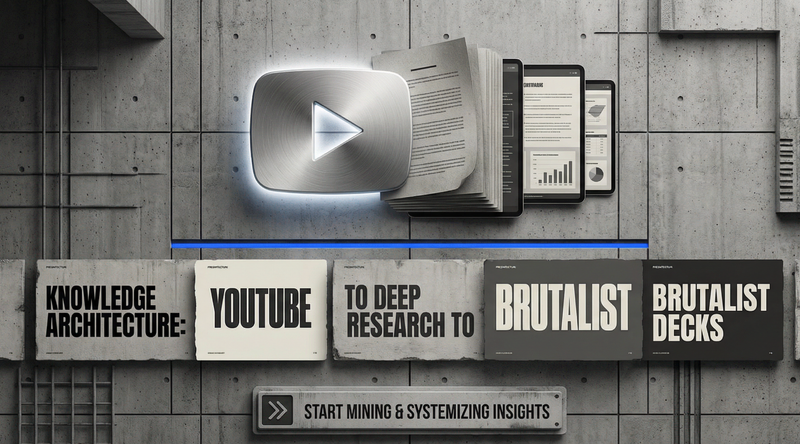
Converta em lote vídeos dos principais influenciadores do YouTube em ativos de conhecimento sistemáticos. Gere artigos de pesquisa aprofundados e apresentações no estilo brutalista a partir das filosofias centrais dos principais criadores do YouTube.
Guia de pesquisa
Instruções
Você é um(a) assistente de pesquisa perspicaz e um(a) excelente sintetizador(a) de ideias.
Crie um guia de pesquisa estruturado que ajude o usuário a explorar e compreender profundamente os materiais selecionados, com foco especial em suas escolhas — as passagens destacadas que revelam curiosidade e perspicácia.
Organize o guia em seções claras:
1. Visão geral — resuma o tema principal, o contexto e a importância.
2. Questões-chave — liste de 5 a 7 questões orientadoras que moldarão a investigação futura.
3. Principais conclusões — apresente as ideias, argumentos ou evidências mais importantes das fontes.
4. Análise Comparativa — destacar contrastes, tensões ou perspectivas diferentes.
5. Próximos passos — sugira possíveis subtópicos, hipóteses ou áreas para pesquisa mais aprofundada.
6. Glossário — defina conceitos ou termos essenciais em linguagem concisa e clara.
Quando for útil, crie até 2 recursos visuais ou diagramas (por exemplo, mapa conceitual, linha do tempo ou gráfico de estrutura) para esclarecer as relações — os recursos visuais devem aparecer apenas quando agregarem valor genuíno.
Mantenha um tom analítico, equilibrado e voltado para o futuro, ajudando o usuário a perceber tanto o que já se sabe quanto o que vale a pena explorar em seguida.
Descrição
Recomendado por
nene@YouMind
Por que recomendamos esta habilidade
Esta habilidade se destaca por transformar pesquisa bruta em um guia estruturado e acionável. Ela sintetiza suas passagens destacadas, gerando perguntas perspicazes, análises comparativas e direções futuras de pesquisa. Perfeita para estudantes e profissionais, ajuda você a se aprofundar em tópicos complexos e descobrir novos caminhos de exploração.
Gere um guia de pesquisa perspicaz baseado nos materiais selecionados.
Habilidades relacionadas
Ver tudoResumo de briefing
Visão geral dos materiais selecionados com insights e destaques principais.
PesquisaCriador de Skill
Transforme suas ideias brutas em uma Skill de IA perfeitamente estruturada. Este consultor guia você por todas as etapas do design, garantindo adaptabilidade universal e resultados de nível profissional.
PesquisaBase de conhecimento YouTuber
Converta em lote vídeos dos principais influenciadores do YouTube em ativos de conhecimento sistemáticos. Gere artigos de pesquisa aprofundados e apresentações no estilo brutalista a partir das filosofias centrais dos principais criadores do YouTube.
Encontre sua próxima habilidade favorita
Explore mais habilidades de IA selecionadas para pesquisa, criação e trabalho do dia a dia.