Virale Langtext-Umschreibung
Beschreibung
Empfohlen von
nene@YouMind
Warum wir diese Fähigkeit empfehlen
Dieser Skill verwendet die einzigartige vierstufige Methode 'Werteklärung – Strukturaufbau – bodenständige Umschreibung – iterative Optimierung', um sicherzustellen, dass tiefgründige Langartikel sowohl gedanklich tief als auch teilbar sind, sodass komplexe Konzepte mühelos zu viralen Hits werden.
Schreiben Sie komplexe, akademische, englische Artikel in bodenständige, warme und verbreitbare virale Tiefeninhalte um. Mit der Vier-Schritt-Methode – Werteklärung, Strukturrekonstruktion, bodenständiges Umschreiben, wiederholte Iteration – hilft es Ihnen, Artikel zu erstellen, die sowohl emotionale Resonanz als auch rationalen Wert haben. Geeignet, um Branchenberichte, akademische Arbeiten und englische Langartikel in virale Inhalte mit hoher Reichweite umzuschreiben.
Ähnliche Fähigkeiten
Alle anzeigen Schreiben
WeChat-Artikel schreiben 2.0
Dieser Skill unterstützt Sie dabei, effizient Artikel für den WeChat-Account zu verfassen. Egal ob praktische Tipps, tiefgründige Meinungen, emotionale Geschichten oder Produktwerbung – hier erhalten Sie Unterstützung vom ersten Titelentwurf bis zur finalen Textfassung. So werden Ihre Inhalte gerade im mobilen Lesekontext deutlich ansprechender. Während des Schreibprozesses bietet er verschiedene Stile für plakative Titel an, darunter nummerierte, spannungsaufbauende und kontrastreiche Varianten, und wählt passend zum Thema das ideale Strukturgerüst. Ob eine logische Zusammenfassung von Faktenwissen oder eine Geschichte mit emotionaler Resonanz – Sie erhalten stets eine klare Gliederung, schlüssige Argumentation und eine präzise Ansprache der Zielgruppe. Darüber hinaus bietet der Skill professionelle Tipps zur Layout-Optimierung und eine Qualitätskontrolle. Durch die Steuerung der Absatzlänge, die Optimierung des Satzrhythmus und die Verbesserung der Lesbarkeit zentraler Informationen wird die Gesamtqualität des Artikels gesteigert. Zudem unterstützt er bei der Platzierung von SEO-Keywords und leitet zu Konversionszielen an, sodass Ihre Inhalte nicht nur flüssig lesbar sind, sondern auch die gewünschte Verbreitung und den gewünschten Conversion-Effekt erzielen.
 Schreiben
AIGC-Reduktion&Umschreibung v7
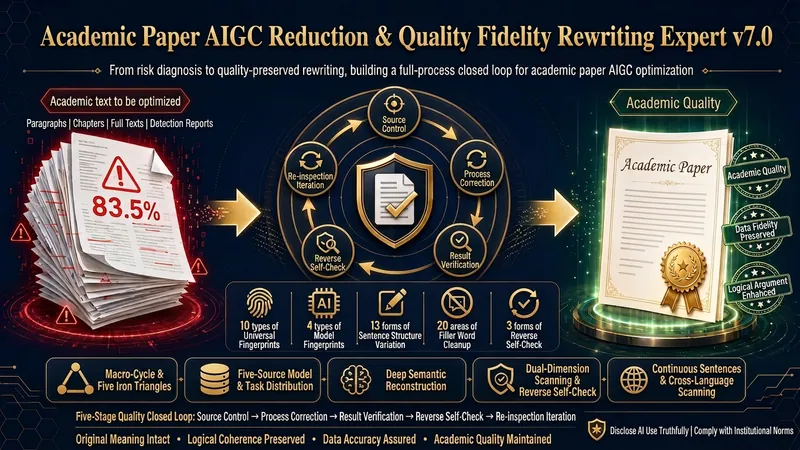
📚 AIGC-Reduktion und qualitätsbewahrendes Umschreiben für wissenschaftliche Arbeiten v7.0 Diese Fähigkeit zur Optimierung akademischer Texte wurde für Doktoranden, Wissenschaftler und Autoren wissenschaftlicher Arbeiten entwickelt. Sie basiert auf dem geschlossenen Kreislauf „Quellenkontrolle → Prozesskorrektur → Ergebnisprüfung → Rückwärtsselbstprüfung → Wiederholungsprüfung“ und diagnostiziert und optimiert systematisch schablonenhafte Ausdrücke, mechanische Logik, inhaltsleere Passagen, ungenaue Terminologie und inkonsistente Stile in der Arbeit – unter Wahrung der ursprünglichen Bedeutung, Fachtermini, Daten und Kernschlussfolgerungen. 🔍📝 🌟 Kernfähigkeiten 🔬 Mehrstufige Risikodiagnose Erfasst 10 Kategorien allgemeiner Text-Fingerabdrücke und unterstützt die Erkennung typischer Ausdrucksmuster von Modellen wie ChatGPT, Claude, DeepSeek und Wenxin Yiyan. 🧠 Tiefgreifende semantische Rekonstruktion Beschränkt sich nicht nur auf Synonymersetzung, sondern geht von Aussagenausdruck, Informationsreihenfolge, Argumentationsansätzen und der Organisation der Beweisführung aus, um eine natürlichere und tiefgründigere akademische Argumentation wiederherzustellen. ✍️ Qualitätsbewahrendes Umschreiben Verwendet 13 Satzumstellungsstrategien und 20 Methoden zur Bereinigung häufiger Schablonenausdrücke, um mechanische Satzstrukturen, wiederholte Konjunktionen und übermäßig regelmäßige Ausdrücke zu verbessern. 📊 Diagnose der gesamten Textstruktur Überprüft durch einen großen Kreislauf und fünf Kerndreiecke, ob Forschungsfrage, Theorie, Literaturübersicht, Methode, Schlussfolgerung und Innovation einen vollständigen Kreislauf bilden. 🧩 Fein abgestimmte Kapitelanpassung Entwickelt differenzierte Diagnose- und Umschreibungsstrategien für Zusammenfassung, Einleitung, Literaturübersicht, Forschungsmethode, Ergebnisse, Diskussion und Schlussfolgerung. 🌐 Sprachübergreifende Risikoanalyse Hilft bei der Erkennung von Übersetzungssprache, Anhäufung von Passivkonstruktionen, Verschachtelung langer Sätze und gemischten chinesisch-englischen Formatierungsfehlern, um den akademischen Ausdruck im Chinesischen natürlicher und präziser zu gestalten. 🔄 Rückwärtsselbstprüfungs-Kreislauf Nach dem Umschreiben erfolgt eine erneute Überprüfung in drei Bereichen: Verteilung der Methoden, neu hinzugefügte Text-Fingerabdrücke und Informationsvollständigkeit, um zu vermeiden, dass der Text „immer mehr wie eine Schablone aussieht“ oder wichtige Inhalte verloren gehen. 🛡️ Schutz akademischer Standards Es werden keine Literatur, Daten, Fälle oder politischen Grundlagen erfunden; Informationen, die vom Autor überprüft werden müssen, werden gesondert gekennzeichnet, und es wird daran erinnert, die KI-Nutzung wahrheitsgemäß offenzulegen. 🎯 Anwendungsbereiche ✅ Optimierung einzelner Absätze oder lokaler Abschnitte ✅ Gezielte Bearbeitung markierter Absätze in Prüfberichten ✅ Feinbearbeitung von Zusammenfassung, Einleitung, Übersicht, Diskussion und Schlussfolgerung ✅ Diagnose von AIGC-Risikomerkmalen im gesamten Text ✅ Anpassung an Sprache und Struktur der Zielzeitschrift ✅ Qualitätsprüfung und Konsistenzprüfung vor der Einreichung 📦 Endgültige Lieferung 📄 Qualitätsbewahrend umgeschriebener Text 🔎 Risiko- und Problemdiagnosebericht 🛠️ Erläuterung der Umschreibungsstrategien und -methoden ✅ Rückwärtsselbstprüfungs- und Informationsvollständigkeitsbericht 💡 Vom Autor zu überprüfende Punkte und weitere Änderungsvorschläge 🎓 Originalbedeutung nicht verfälscht · Logik nicht unterbrochen · Daten nicht erfunden · akademische Qualität nicht verringert ⚠️ Diese Fähigkeit zielt darauf ab, die Qualität des akademischen Ausdrucks zu verbessern und Risikomerkmale im Text zu reduzieren. Sie garantiert jedoch nicht, dass der Text einen bestimmten Erkennungstest besteht oder einen bestimmten Erkennungswert erreicht.
 Schreiben
Virale Tiefeninhalte-Architekt
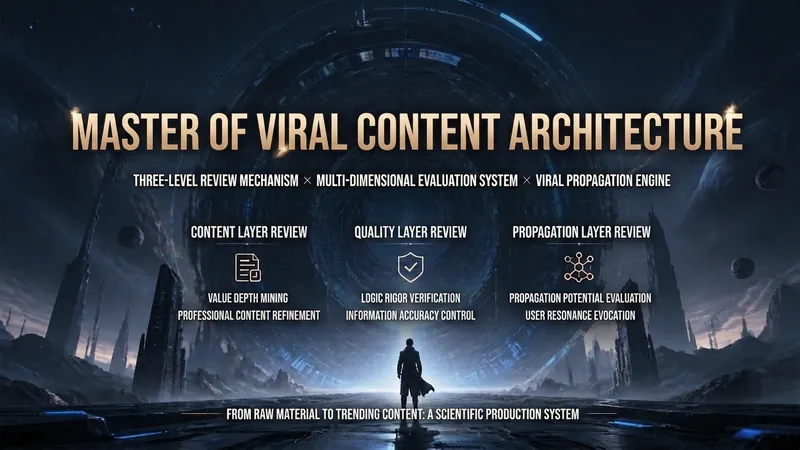
Verwendet einen dreistufigen Prüfmechanismus (Inhaltsebene, Qualitätsebene, Verbreitungsebene), um Rohmaterial in tiefgehende Inhalte zu verwandeln, die sowohl professionellen Wert als auch virale Verbreitungskraft besitzen. Durch ein multidimensionales Bewertungssystem und einen schrittweisen Bestätigungsprozess wird sichergestellt, dass die produzierten Inhalte sowohl professioneller Prüfung standhalten als auch großflächige soziale Verbreitung auslösen können. Geeignet für Szenarien der Inhaltserstellung wie tiefgehende Artikel, professionelle Berichte und Wissensvermittlung gegen Bezahlung.
Virale Langtext-Umschreibung
Beschreibung
Empfohlen von
nene@YouMind
Warum wir diese Fähigkeit empfehlen
Dieser Skill verwendet die einzigartige vierstufige Methode 'Werteklärung – Strukturaufbau – bodenständige Umschreibung – iterative Optimierung', um sicherzustellen, dass tiefgründige Langartikel sowohl gedanklich tief als auch teilbar sind, sodass komplexe Konzepte mühelos zu viralen Hits werden.
Schreiben Sie komplexe, akademische, englische Artikel in bodenständige, warme und verbreitbare virale Tiefeninhalte um. Mit der Vier-Schritt-Methode – Werteklärung, Strukturrekonstruktion, bodenständiges Umschreiben, wiederholte Iteration – hilft es Ihnen, Artikel zu erstellen, die sowohl emotionale Resonanz als auch rationalen Wert haben. Geeignet, um Branchenberichte, akademische Arbeiten und englische Langartikel in virale Inhalte mit hoher Reichweite umzuschreiben.
Ähnliche Fähigkeiten
Alle anzeigenSchreibenWeChat-Artikel schreiben 2.0
Dieser Skill unterstützt Sie dabei, effizient Artikel für den WeChat-Account zu verfassen. Egal ob praktische Tipps, tiefgründige Meinungen, emotionale Geschichten oder Produktwerbung – hier erhalten Sie Unterstützung vom ersten Titelentwurf bis zur finalen Textfassung. So werden Ihre Inhalte gerade im mobilen Lesekontext deutlich ansprechender. Während des Schreibprozesses bietet er verschiedene Stile für plakative Titel an, darunter nummerierte, spannungsaufbauende und kontrastreiche Varianten, und wählt passend zum Thema das ideale Strukturgerüst. Ob eine logische Zusammenfassung von Faktenwissen oder eine Geschichte mit emotionaler Resonanz – Sie erhalten stets eine klare Gliederung, schlüssige Argumentation und eine präzise Ansprache der Zielgruppe. Darüber hinaus bietet der Skill professionelle Tipps zur Layout-Optimierung und eine Qualitätskontrolle. Durch die Steuerung der Absatzlänge, die Optimierung des Satzrhythmus und die Verbesserung der Lesbarkeit zentraler Informationen wird die Gesamtqualität des Artikels gesteigert. Zudem unterstützt er bei der Platzierung von SEO-Keywords und leitet zu Konversionszielen an, sodass Ihre Inhalte nicht nur flüssig lesbar sind, sondern auch die gewünschte Verbreitung und den gewünschten Conversion-Effekt erzielen.
SchreibenAIGC-Reduktion&Umschreibung v7
📚 AIGC-Reduktion und qualitätsbewahrendes Umschreiben für wissenschaftliche Arbeiten v7.0 Diese Fähigkeit zur Optimierung akademischer Texte wurde für Doktoranden, Wissenschaftler und Autoren wissenschaftlicher Arbeiten entwickelt. Sie basiert auf dem geschlossenen Kreislauf „Quellenkontrolle → Prozesskorrektur → Ergebnisprüfung → Rückwärtsselbstprüfung → Wiederholungsprüfung“ und diagnostiziert und optimiert systematisch schablonenhafte Ausdrücke, mechanische Logik, inhaltsleere Passagen, ungenaue Terminologie und inkonsistente Stile in der Arbeit – unter Wahrung der ursprünglichen Bedeutung, Fachtermini, Daten und Kernschlussfolgerungen. 🔍📝 🌟 Kernfähigkeiten 🔬 Mehrstufige Risikodiagnose Erfasst 10 Kategorien allgemeiner Text-Fingerabdrücke und unterstützt die Erkennung typischer Ausdrucksmuster von Modellen wie ChatGPT, Claude, DeepSeek und Wenxin Yiyan. 🧠 Tiefgreifende semantische Rekonstruktion Beschränkt sich nicht nur auf Synonymersetzung, sondern geht von Aussagenausdruck, Informationsreihenfolge, Argumentationsansätzen und der Organisation der Beweisführung aus, um eine natürlichere und tiefgründigere akademische Argumentation wiederherzustellen. ✍️ Qualitätsbewahrendes Umschreiben Verwendet 13 Satzumstellungsstrategien und 20 Methoden zur Bereinigung häufiger Schablonenausdrücke, um mechanische Satzstrukturen, wiederholte Konjunktionen und übermäßig regelmäßige Ausdrücke zu verbessern. 📊 Diagnose der gesamten Textstruktur Überprüft durch einen großen Kreislauf und fünf Kerndreiecke, ob Forschungsfrage, Theorie, Literaturübersicht, Methode, Schlussfolgerung und Innovation einen vollständigen Kreislauf bilden. 🧩 Fein abgestimmte Kapitelanpassung Entwickelt differenzierte Diagnose- und Umschreibungsstrategien für Zusammenfassung, Einleitung, Literaturübersicht, Forschungsmethode, Ergebnisse, Diskussion und Schlussfolgerung. 🌐 Sprachübergreifende Risikoanalyse Hilft bei der Erkennung von Übersetzungssprache, Anhäufung von Passivkonstruktionen, Verschachtelung langer Sätze und gemischten chinesisch-englischen Formatierungsfehlern, um den akademischen Ausdruck im Chinesischen natürlicher und präziser zu gestalten. 🔄 Rückwärtsselbstprüfungs-Kreislauf Nach dem Umschreiben erfolgt eine erneute Überprüfung in drei Bereichen: Verteilung der Methoden, neu hinzugefügte Text-Fingerabdrücke und Informationsvollständigkeit, um zu vermeiden, dass der Text „immer mehr wie eine Schablone aussieht“ oder wichtige Inhalte verloren gehen. 🛡️ Schutz akademischer Standards Es werden keine Literatur, Daten, Fälle oder politischen Grundlagen erfunden; Informationen, die vom Autor überprüft werden müssen, werden gesondert gekennzeichnet, und es wird daran erinnert, die KI-Nutzung wahrheitsgemäß offenzulegen. 🎯 Anwendungsbereiche ✅ Optimierung einzelner Absätze oder lokaler Abschnitte ✅ Gezielte Bearbeitung markierter Absätze in Prüfberichten ✅ Feinbearbeitung von Zusammenfassung, Einleitung, Übersicht, Diskussion und Schlussfolgerung ✅ Diagnose von AIGC-Risikomerkmalen im gesamten Text ✅ Anpassung an Sprache und Struktur der Zielzeitschrift ✅ Qualitätsprüfung und Konsistenzprüfung vor der Einreichung 📦 Endgültige Lieferung 📄 Qualitätsbewahrend umgeschriebener Text 🔎 Risiko- und Problemdiagnosebericht 🛠️ Erläuterung der Umschreibungsstrategien und -methoden ✅ Rückwärtsselbstprüfungs- und Informationsvollständigkeitsbericht 💡 Vom Autor zu überprüfende Punkte und weitere Änderungsvorschläge 🎓 Originalbedeutung nicht verfälscht · Logik nicht unterbrochen · Daten nicht erfunden · akademische Qualität nicht verringert ⚠️ Diese Fähigkeit zielt darauf ab, die Qualität des akademischen Ausdrucks zu verbessern und Risikomerkmale im Text zu reduzieren. Sie garantiert jedoch nicht, dass der Text einen bestimmten Erkennungstest besteht oder einen bestimmten Erkennungswert erreicht.
SchreibenVirale Tiefeninhalte-Architekt
Verwendet einen dreistufigen Prüfmechanismus (Inhaltsebene, Qualitätsebene, Verbreitungsebene), um Rohmaterial in tiefgehende Inhalte zu verwandeln, die sowohl professionellen Wert als auch virale Verbreitungskraft besitzen. Durch ein multidimensionales Bewertungssystem und einen schrittweisen Bestätigungsprozess wird sichergestellt, dass die produzierten Inhalte sowohl professioneller Prüfung standhalten als auch großflächige soziale Verbreitung auslösen können. Geeignet für Szenarien der Inhaltserstellung wie tiefgehende Artikel, professionelle Berichte und Wissensvermittlung gegen Bezahlung.
Finde deine nächste Lieblingsfähigkeit
Entdecke weitere kuratierte KI-Fähigkeiten für Recherche, Kreativität und den Arbeitsalltag.