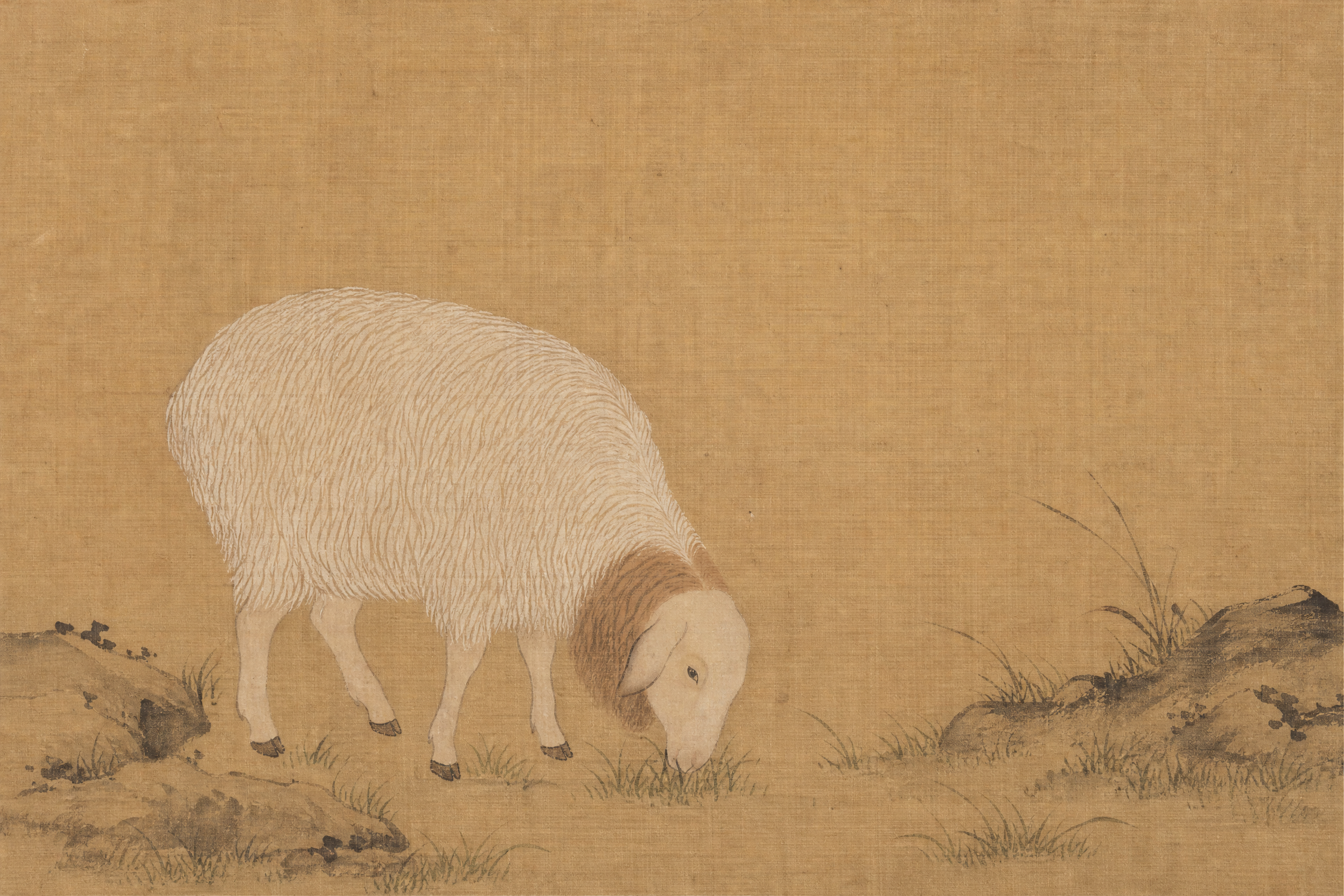
Ancient Cat Painting
Paint cats and plants in ancient styles
Ancient Cat Painting
Paint cats and plants in ancient styles
Showcase
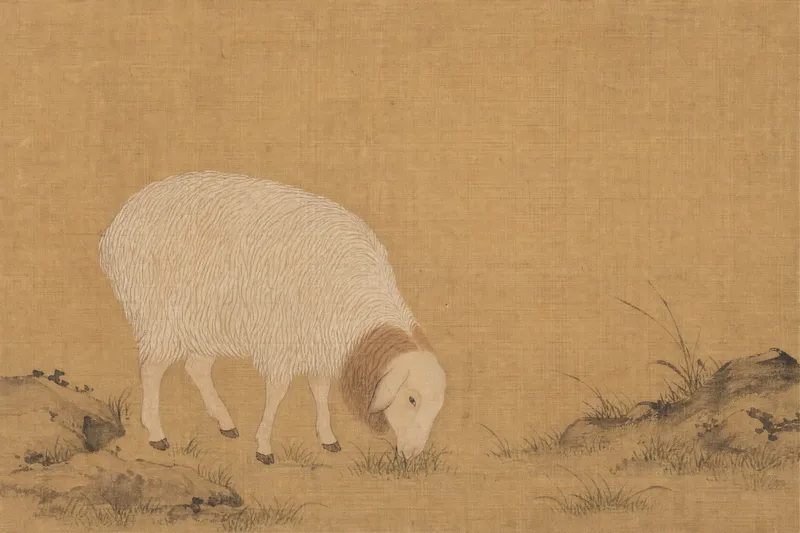
古画灵猫技能·动物测试
古画灵羊·吃草测试
古画灵猫技能·动物测试
古画灵羊·吃草测试
Description
Mimicking the painting style of Ming Dynasty Emperor Zhu Zhanji, this uses traditional Chinese ink and color washes, fine hair-stroking techniques, and antique expressive cat faces as a fixed style to create cat paintings or painting prompts based on text or reference images.
Why we love this skill
Rooted in ancient Chinese cat and bird-and-flower paintings, this skill captures large silhouettes, delicate hair-stroke detailing, and naive facial features to transform pet photos into cohesive silk-on-ink artworks. It excels at multi-cat distinction, thoughtful negative space, and non-photographic composition, delivering distinctive and classical feline art.
Best for
Best for content and visual creators who need to produce ancient Chinese painting-style cat artwork or image generation prompts.
How to use this Skill
Provide your input
Provide a text description, photo, or composition request for the cats, including quantity, coat color, pose, plant environment, format, and purpose; you can also specify whether you want an image or prompts.
Run the Skill
The system first organizes each cat's appearance, action, expression, layout, and reference image usage, proposes a creation plan for confirmation, and then creates the artwork or writes prompts based on the confirmed content.
Review your result
Receive a cat painting featuring Chinese ancient ink and color wash, fine brush hair rendering, and expressive facial features, or a set of positive and negative prompts for image generation.
Related Skills
View all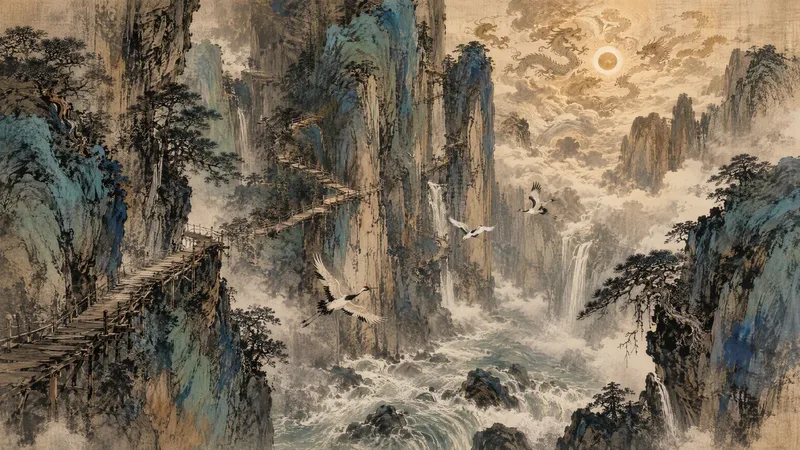 Image
Poetry Sketch Studio
Enter any modern poem or classical verse. The Skill extracts its core imagery, time and place, and emotional tone, then creates atmospheric illustrations in hand-drawn styles such as watercolor, pen-and-wash, and expressive ink wash—with the tactile warmth of handmade paper.
 Image
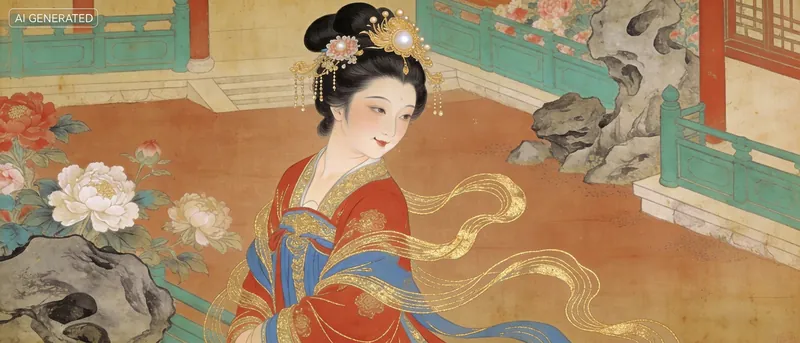
Classical Lit to Painting AI
Turn your thoughts, stories, emotions, ancient poems, and classical texts into AI painting prompts in the style of ancient Chinese paintings. Currently supports seven classic styles including Along the River During the Qingming Festival, A Thousand Li of Rivers and Mountains, Dwelling in the Fuchun Mountains, The Nymph of the Luo River, and Tang Yin's Beauties. Provides four output formats: long scroll, single painting, series, and storyboard. Bilingual in Chinese and English, compatible with mainstream AI painting platforms such as Midjourney, Kling, Jimeng, etc. You can also generate images directly via YouMind—tested and works well, especially with Doubao for stable performance. What can Poetry and Painting do? In one sentence: you provide the text, and you get an ancient painting that matches it. What can you input? - A line of ancient poetry (e.g., 'When will the moon be clear and bright?') - The name of an ancient text (e.g., 'The Red Cliffs') - Your own poem or essay (the 'Eloquence' skill is also available) - A scene description (e.g., 'A person watching the sunset by the river') - An emotion or story (e.g., 'Very lonely, but don't want anyone to know') - Directly specify a style (e.g., 'Use A Thousand Li of Rivers and Mountains for this') What will you get? - An ancient painting style that matches the mood of your text (one of seven: The Nymph of the Luo River, A Thousand Li of Rivers and Mountains, Dwelling in the Fuchun Mountains, etc.) - A bilingual Chinese-English Prompt that you can copy directly to any AI painting platform like Midjourney, Doubao, Kling, or Jimeng - The image includes: main theme, spatial composition, color scheme, technique explanation, blank space ratio, and emotional tone - Core logic: Text → Emotion → Visual Imagery → Classical Painting Style → Prompt. Whether you're reciting ancient poems, writing new ones, or describing a scene in your mind, everything becomes a well-grounded classical Chinese painting. Can't choose? Let me choose for you! Not sure which style suits your text? Tell me the text or emotion, and I'll analyze: - 'Very lonely' → might suit Bada Shanren's splashed ink indignation, or the reclusive tranquility of Dwelling in the Fuchun Mountains - 'Very majestic' → might suit the grand blue-green of A Thousand Li of Rivers and Mountains, or the delicate lines of The Nymph of the Luo River - 'Seeing off a friend' → might suit the narrative heavy colors of The Night Revels of Han Xizai, or the bustling life of Along the River During the Qingming Festival Analysis logic: Text emotion → Visual imagery → Classical painting style matching. You feel, I translate.
 Image
Starryear Rumeli Word Painting
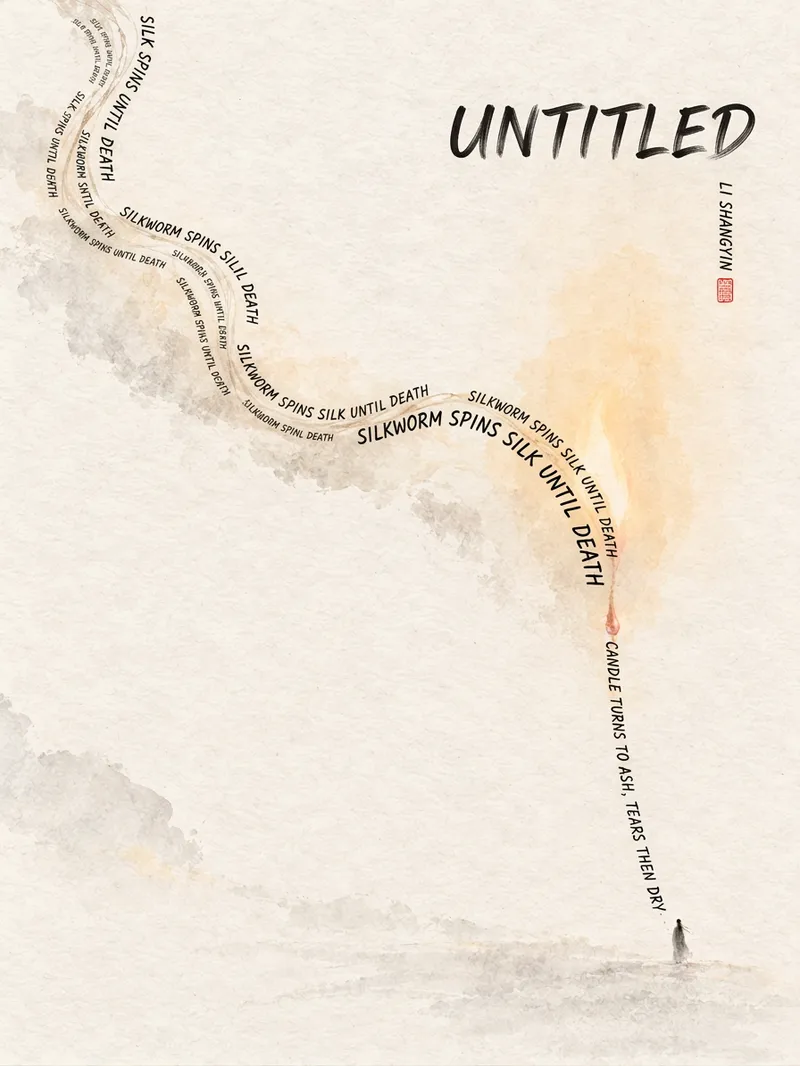
Transform your favorite Chinese poetry into a 3:4 ink and watercolor text painting with an Eastern aesthetic. The artwork uses clear, fine Chinese character groups as the structural framework, allowing words to naturally cluster and flow along with the mountains, rivers, wind, moon, travels, and emotions of the poem. This creates a visual structure unique to the verse rather than applying a fixed traditional illustration template. The artwork features a bright, warm white paper texture, subtle ink bleeding, and gentle watercolor touches, combined with well-spaced character groups, negative space, and minimalist imagery to preserve a sense of handwriting, breath, and poetry. By default, it includes subtle poetry titles, authors, small red seals, and tiny figures integrated into the scene. You can also specify whether to keep these elements or provide your own poetry, titles, and author details. Ultimately, you receive a single high-definition vertical artwork suitable for saving, sharing, or using as a literary visual creation. Whether it is classic famous lines, original poetry, or a piece of Chinese text conveying emotion, it transforms into an Eastern artistic image formed by character groups while keeping the original text as recognizable as possible.
Information
- Version
- v14
- Last updated
- Runtime credits
- Usage-based
- Models
- Auto
- Use cases
- Images & design
- What you get
- ImagePrompt
- Visual styles
- Ink washTraditional Chinese
