Yan Liu
 Image
ImageMono-Color Editorial
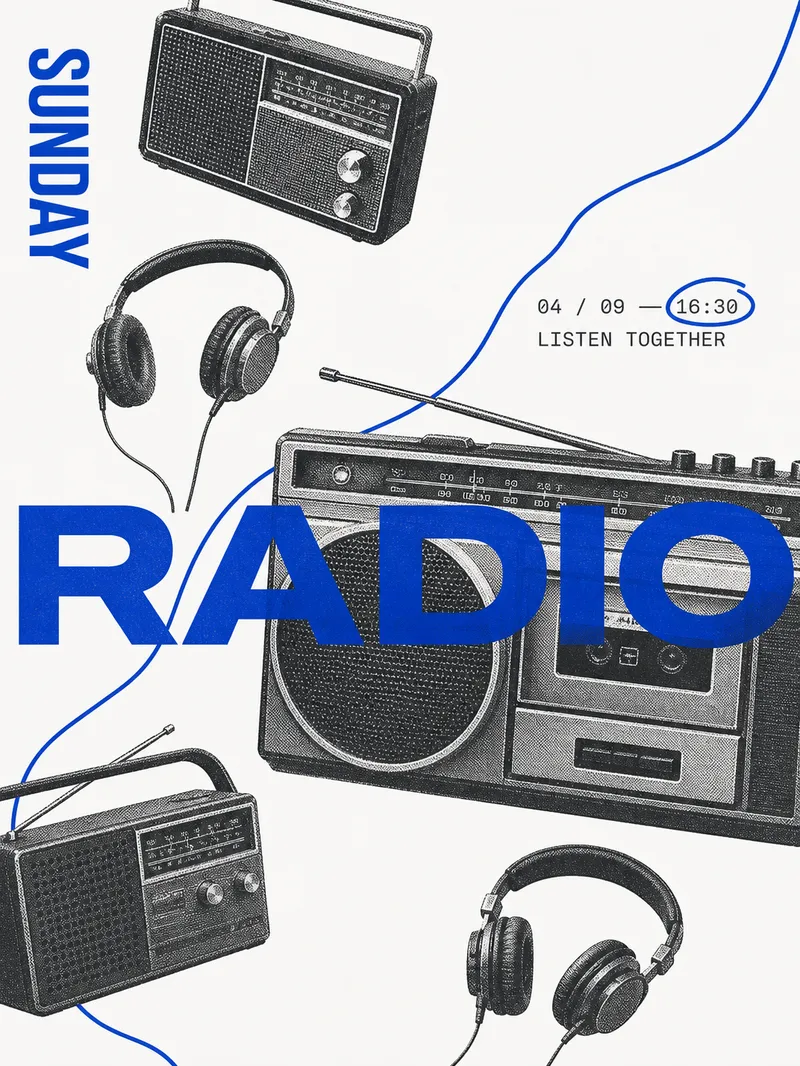
Mono-color Editorial Print 🎨 A visual Skill that brings together editorial design language, print texture, and restrained color. It does not simply “turn an image into a monochrome image.” Instead, it first understands your subject, images, text, and intended mood, then rebuilds the visual system of the entire composition around the content. Its core visual language includes: One or two ink colors + a neutral paper background + generous whitespace + high-contrast typography + Halftone / Risograph / Screen Print texture + intentional imperfection. It does not mechanically copy the composition, text, or style of a single reference image. Instead, it extracts the underlying design rules and recombines them for each input: Color → Composition → Typography → Image Treatment → Print Texture As a result, the same Skill can generate entirely different works while maintaining a stable, recognizable visual language. Ideal for: Posters / social media covers / event visuals / Editorial Graphics / branded content / album covers / Zines / photographic reinterpretations What I find most interesting about it—and the original purpose behind creating this Design Skill—is this: It is not about making AI remember a reference image, but about teaching AI a set of aesthetic rules. Turn Taste → Design Language → Skill. Example Triggers - “Create a poster about a summer walk using mono-color.” - “Turn this coffee photo into a blue halftone editorial cover.” - “Create a green, plant-themed screen print poster.” - “Continue the same monochrome, whitespace-filled, vintage print aesthetic as before.” - “Make this portrait into a one-ink editorial zine cover.” - “Create a visual for a city cycling event using blue-and-orange overprinting.” - “Turn this product into a two-color screen print cover with a repeated-object composition.” - “Use green photos and black body text to create a page from an observation journal.”