Five-Style Character Evolution
See one character evolve from oracle to regular script
Five-Style Character Evolution
See one character evolve from oracle to regular script
Showcase
Description
Why is a Chinese character written that way? Most people have never seen the answer. 【Five-Style Character Evolution】 takes any commonly used Chinese character and produces a finished evolution chart: oracle bone script, bronze script, small seal script, clerical script, and regular script displayed side by side, along with its character-formation method (pictograph, indicative, associative compound, or phono-semantic compound), original meaning and common extended meanings, and an explanation of “why it is drawn that way” in the character’s form. It is suited to Chinese character education, language teaching, and launching Chinese-style content. Ground rule: character forms are described only according to widely accepted theories of Chinese philology. Where scholars disagree, it is labeled “scholarly opinions differ.” No oracle bone inscription numbers or excavation details are invented.
Recommended by
Dancang
Why we love this skill
Turn one Chinese character into a publish-ready 3:4 evolution image, connecting five script stages, character formation, and meanings with clear layout and honest source-criticism notes.
Best for
Ideal for Chinese character education, language teaching, and creators making Chinese-style text content.
How to use this Skill
Provide your input
Enter one Chinese character. You can also specify traditional/simplified comparison, an English explanation, canvas ratio, or target audience. For words or short phrases, the most central character will be selected.
Run the Skill
Creates a 3:4 portrait evolution chart showing five stages: oracle bone script, bronze script, small seal script, clerical script, and regular script, with the writing method, meaning development, and character-form notes.
Review your result
Get a finished five-script evolution chart ready to use, with the character, writing method, and format details. Academic disagreements are clearly labeled.
Related Skills
View all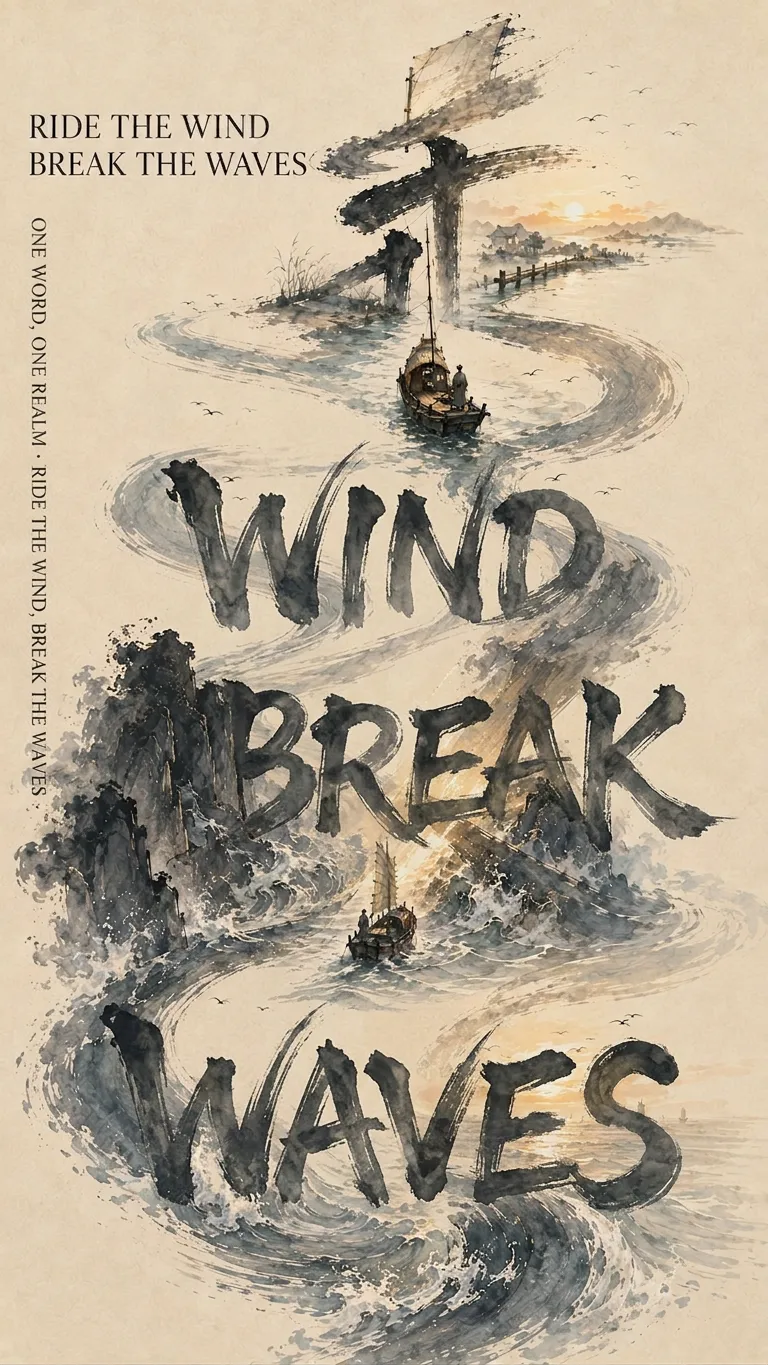 Image
ImageOne Character, One World
This Skill does not simply apply an ink-wash filter to Chinese characters. It first understands the core meaning of the text in its full context, then determines how the imagery, calligraphy, and layout should work together. Give it a Chinese character, name, place name, idiom, line of poetry, or public-domain classical Chinese poem or prose passage. It first interprets the meaning, then transforms the character’s strokes into mountains, rivers, bridges, figures, architecture, or narrative paths, making the calligraphy itself the framework of the composition. Different meanings automatically call for different brush movements, colors, and compositions, rather than being forced into a fixed template. It supports single-character posters, multi-character series, combined-character compositions, and storyboard sequences based on classical poetry and prose. Names, place names, and idioms can be turned into sequential series with one character per poster, or idioms, poetic lines, and parallel phrases can be combined into a single poster. Classical poetry and prose can be divided into 6–12 consecutive posters according to the original order and emotional arc, with nine posters by default for WeChat Moments, while naturally incorporating the corresponding original text into the imagery. The Skill actively avoids common failures: illegible characters, calligraphy that looks like a computer font, misinterpretations caused by checking characters one by one, forcing the entire image into a character-shaped mask, changing only the text while leaving the narrative unchanged across a series, placing the main text in an awkward standalone white box, and presenting garbled small text as a finished design. It is suited to Chinese posters, urban cultural visuals, name-based gifts, idiom and poetry projects, nine-image WeChat Moments posts, Xiaohongshu graphics, and collectible Eastern editorial design. The final result is influenced by YouMind’s current image model. When long text must be accurate character by character, the Skill prioritizes editable text layers for typesetting; when that is not possible, it clearly labels the result as a conceptual base and provides accurate typesetting specifications.
 Image
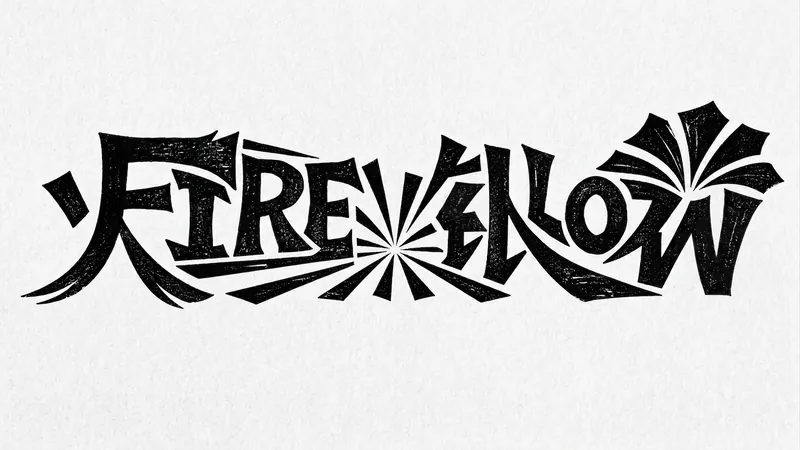
ImageCharacter Imagery Design
Chinese characters are essentially pictures. Having been written for thousands of years, they have become abstract symbols. This skill lets you rediscover the scene behind the characters. — Enter any Chinese characters or short words, and the AI will find the most suitable strokes, using illustrations to let the character grow into its original shape. Black-and-white woodcut style, output as you type. Try other languages for surprises!
 Image
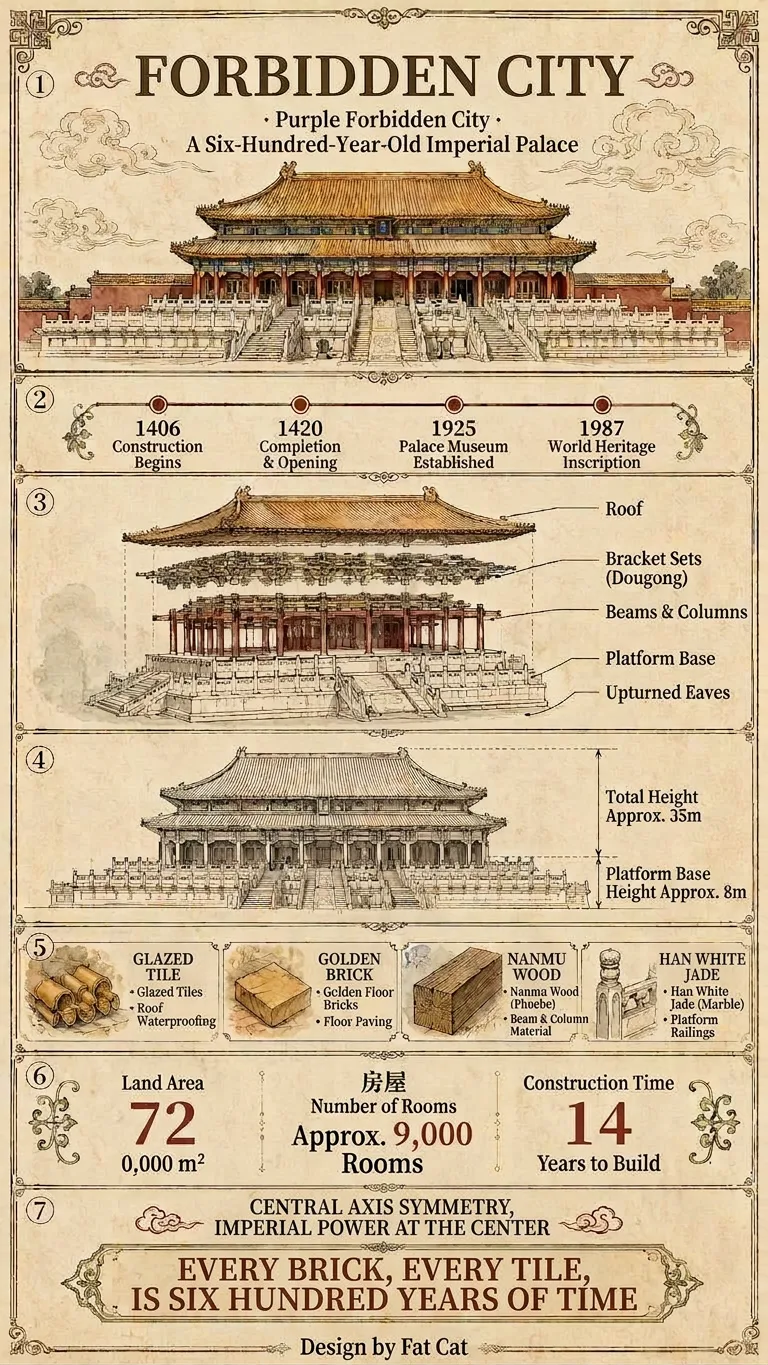
ImageViral Everything Infographic
Enter a topic, and it will automatically identify the category, verify key facts online, and generate the copy. By default, it outputs a vertical, extra-long “Universal Deep-Dive” infographic (9:16) that explains “timeline · structure · diagrams · legend · data · humanities” in seven fixed sections. The diagrams adapt to the category: architecture gets engineering drawings, animals get anatomy and distribution maps, and people get relationship and achievement charts. When you need something lighter, you can switch to the “Standard Science” version (3:4). Both versions use the same style, fonts, colors, and borders, so they can be posted directly on Douyin or Xiaohongshu to start building your account.
Information
- Version
- v2
- Last updated
- Runtime credits
- Usage-based
- Models
- Auto
- Use cases
- Images & designLearning & education
- What you get
- Image
- Visual styles
- MinimalistTraditional Chinese