Classical Poem to Illustration
Turn a classical poem into an artistic illustration
Classical Poem to Illustration
Turn a classical poem into an artistic illustration
Showcase
Description
Turn a classical poem directly into an atmospheric illustration. Classical Poem to Illustration takes a poem, breaks down its imagery line by line, and weaves it into a single picture. Negative space, color tone, and composition all follow the poetic mood, complete with suggestions for poem typesetting placement. It is well-suited for Chinese literature courseware, poetry sharing, and cultural-creative merchandise materials. Hard rules: imagery comes strictly from the poem with no outside additions; no preset traditional painting templates are used; no text appears inside the image so verses can be layered on later.
Recommended by
Dancang
Why we love this skill
Translates classical poetry into an evocative illustration with clear focal points and thoughtful negative space. It breaks down imagery and mood first, then plans composition and text placement. Staying loyal to the original verse without templates or intrusive text, it lets the poetic mood naturally take shape as a ready-to-use visual.
Best for
Ideal for Chinese language teachers, poetry sharers, and cultural-creative creators looking to turn classical poems into visual content.
How to use this Skill
Provide your input
Enter a classical poem and specify requirements such as image orientation and usage scenario.
Run the Skill
Translates the imagery and mood in the poem into an illustration layout, arranging the subject, elements, and negative space.
Review your result
Generates a text-free atmospheric illustration accompanied by imagery breakdown, layout plan, and suggestions for typesetting the poem later.
Related Skills
View all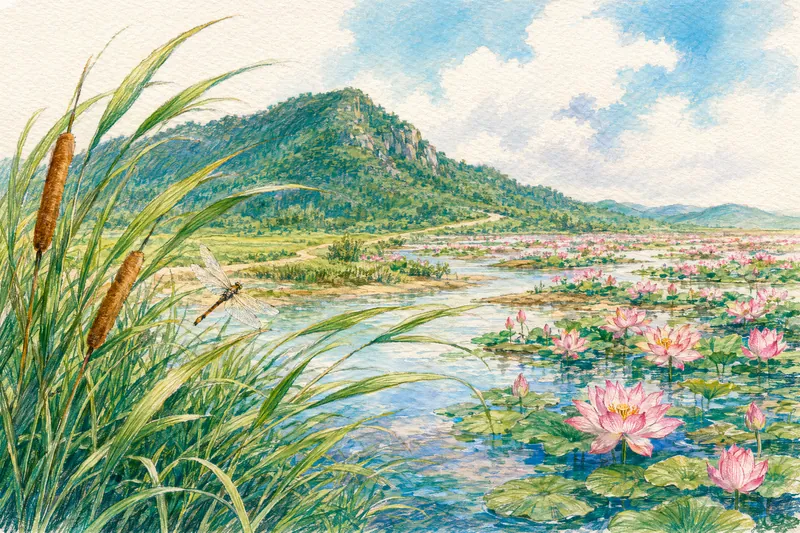
Poem into Painting
Input a line of ancient Chinese poetry, and receive an ink-wash painting with artistic conception. First, the system analyzes the imagery, designs the composition, plans the ink shades, and generates a complete poetry-painting analysis report. After your confirmation, it proceeds to generate the ink-wash painting. Two-step confirmation ensures no blind output. It adopts the traditional Chinese ink-wash painting 'Three Distances Method' for composition, five levels of ink shades, with highlights of light color and 30%-50% white space. This is not a simple filter overlay—the painting 'grows' from the poem according to the aesthetic logic of Chinese painting. Suitable for ancient poetry enthusiasts, Chinese language teachers, and cultural content creators.
 Image
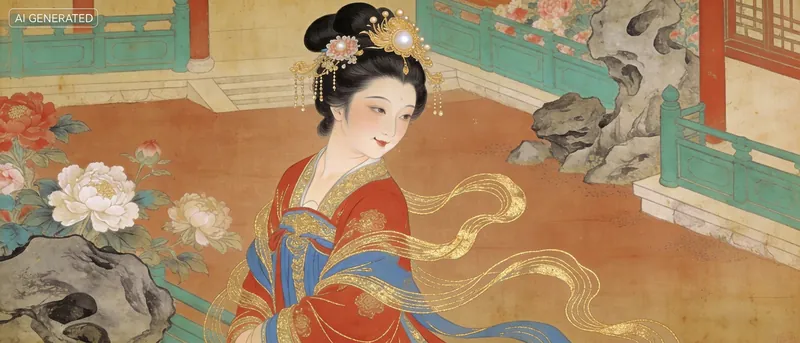
Classical Lit to Painting AI
Turn your thoughts, stories, emotions, ancient poems, and classical texts into AI painting prompts in the style of ancient Chinese paintings. Currently supports seven classic styles including Along the River During the Qingming Festival, A Thousand Li of Rivers and Mountains, Dwelling in the Fuchun Mountains, The Nymph of the Luo River, and Tang Yin's Beauties. Provides four output formats: long scroll, single painting, series, and storyboard. Bilingual in Chinese and English, compatible with mainstream AI painting platforms such as Midjourney, Kling, Jimeng, etc. You can also generate images directly via YouMind—tested and works well, especially with Doubao for stable performance. What can Poetry and Painting do? In one sentence: you provide the text, and you get an ancient painting that matches it. What can you input? - A line of ancient poetry (e.g., 'When will the moon be clear and bright?') - The name of an ancient text (e.g., 'The Red Cliffs') - Your own poem or essay (the 'Eloquence' skill is also available) - A scene description (e.g., 'A person watching the sunset by the river') - An emotion or story (e.g., 'Very lonely, but don't want anyone to know') - Directly specify a style (e.g., 'Use A Thousand Li of Rivers and Mountains for this') What will you get? - An ancient painting style that matches the mood of your text (one of seven: The Nymph of the Luo River, A Thousand Li of Rivers and Mountains, Dwelling in the Fuchun Mountains, etc.) - A bilingual Chinese-English Prompt that you can copy directly to any AI painting platform like Midjourney, Doubao, Kling, or Jimeng - The image includes: main theme, spatial composition, color scheme, technique explanation, blank space ratio, and emotional tone - Core logic: Text → Emotion → Visual Imagery → Classical Painting Style → Prompt. Whether you're reciting ancient poems, writing new ones, or describing a scene in your mind, everything becomes a well-grounded classical Chinese painting. Can't choose? Let me choose for you! Not sure which style suits your text? Tell me the text or emotion, and I'll analyze: - 'Very lonely' → might suit Bada Shanren's splashed ink indignation, or the reclusive tranquility of Dwelling in the Fuchun Mountains - 'Very majestic' → might suit the grand blue-green of A Thousand Li of Rivers and Mountains, or the delicate lines of The Nymph of the Luo River - 'Seeing off a friend' → might suit the narrative heavy colors of The Night Revels of Han Xizai, or the bustling life of Along the River During the Qingming Festival Analysis logic: Text emotion → Visual imagery → Classical painting style matching. You feel, I translate.
 Image
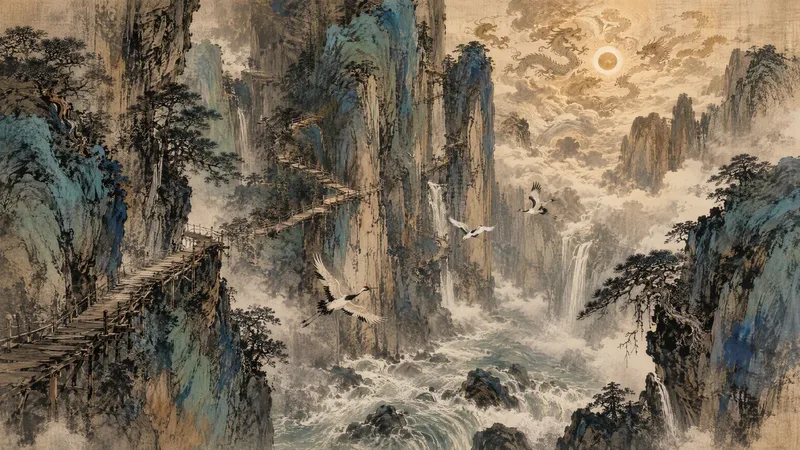
Poetry Sketch Studio
Enter any modern poem or classical verse. The Skill extracts its core imagery, time and place, and emotional tone, then creates atmospheric illustrations in hand-drawn styles such as watercolor, pen-and-wash, and expressive ink wash—with the tactile warmth of handmade paper.
Information
- Version
- v2
- Last updated
- Runtime credits
- Usage-based
- Models
- Auto
- Use cases
- Images & designLearning & education
- What you get
- ImageBrief
