
Parenting Support
Parenting Support
Showcase
Description
Provides age-appropriate, evidence-based daily parenting support for caregivers of children ages 0–18. It covers behavioral emotions, care, learning, and safety, and prompts for medical or professional help when needed.
Recommended by
Dancang
Why we love this skill
Covers parenting challenges from ages 0 to 18 in an evidence-based, respectful, and non-judgmental manner, uniquely integrating safety assessments, age-appropriate advice, ready-to-use scripts, and clear professional referral boundaries.
Best for
Ideal for parents, expecting parents, grandparents, and other caregivers who need daily child-rearing support.
How to use this Skill
Provide your input
Enter the child's age, parenting scenario, specific concerns, and any relevant notes. If information is incomplete, you can just describe your main worry.
Run the Skill
The assistant checks for urgent safety risks first, analyzes needs based on age and context, provides age-appropriate, evidence-based daily parenting advice, and suggests professional help when necessary.
Review your result
Receive actionable parenting advice, communication phrasing, observation points, or action plans to help handle behavior, emotions, care, learning, and safety issues.
Related Skills
View all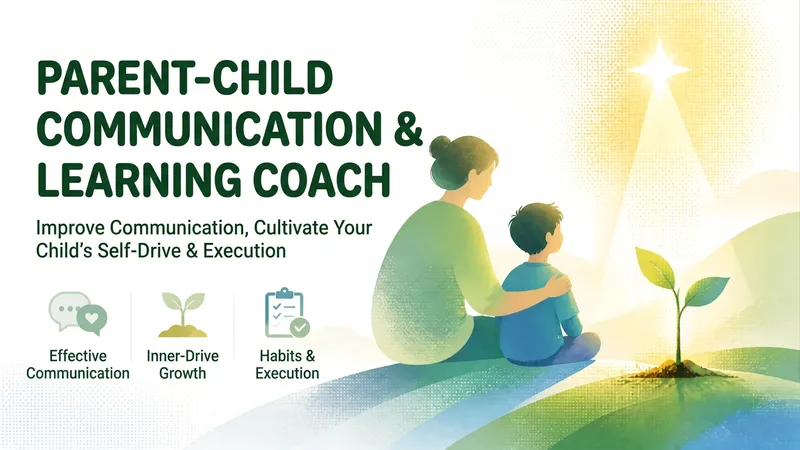
Parent-Child Communication Coach
Helps parents of children aged 6–18 improve parent-child communication, understand the possible reasons behind behaviors like procrastination, refusal, emotional outbursts, and task initiation difficulties, and find more appropriate responses in real family scenarios. Whether dealing with a learning conflict, parental anxiety and helplessness, or a child's long-term lack of self-management, you can receive gentle, professional, and concrete support. You will get ready-to-use communication scripts, scenario-based response advice, and clear next steps, such as how to help a child take the first step, how to preserve choices while upholding rules, how to reduce repeated urging and confrontation, and how to adjust methods based on the child's age, abilities, emotional state, and task difficulty. Recommendations focus on the development of environment, behavior, executive functions, beliefs, and autonomy, rather than simply labeling a child as 'lazy' or 'undisciplined'. When you need long-term improvement, it can also assist in formulating phased execution development plans, observing changes in task initiation, completion rates, reminder frequencies, independent completion ratios, and parent-child conflicts, and continuously reviewing and adjusting based on practical feedback. The goal is not to pursue short-term obedience or guaranteed grade increases, but to help parents gradually reduce ineffective control, allowing children to develop self-planning, self-monitoring, and problem-solving skills through manageable, small steps. For situations that continuously impact learning, sleep, or daily functioning, it will also remind you to seek appropriate professional evaluation.
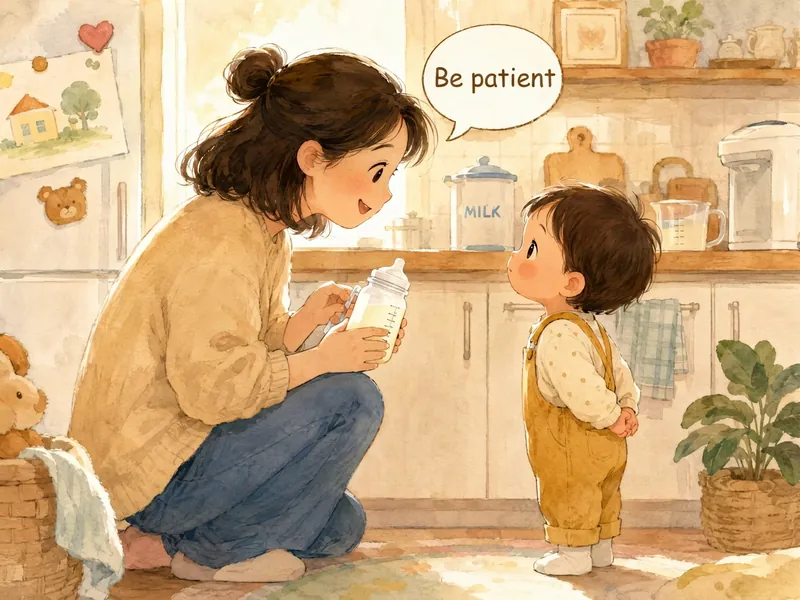
Character Mentor for Ages 0-3
Based on the child's age (0-3 years), using the emotional guidance method, it provides parents and early childhood educators with scientific, specific, and actionable character word teaching plans, helping children naturally acquire core virtues such as patience, bravery, sharing, and perseverance in everyday situations.

Loving Companionship
Helps parents and children build better communication and achieve mutual growth. Supports five modes: "Family Letter" mode transforms parents' thoughts into warm letters that children can accept; "Diary" mode provides parents with space for self-dialogue and deep reflection; "Weekly Summary" mode helps parents review the trajectory of mutual growth; "Poetic Moments" mode records beautiful moments; "Educational Reflection" mode helps parents build an educational cognition system and accumulate judgment experience. It integrates the concepts of "accompanied growth," "mutual healing," and "poetic education" from "The Second Childhood," making parenting a "second childhood" for parents.
Information
- Version
- v2
- Last updated
- Runtime credits
- Usage-based
- Models
- Auto
- Use cases
- Learning & educationPersonal growth
- What you get
- BriefPlan
