
Game UA Creative Teardown
Diagnose conversion and retention issues
Game UA Creative Teardown
Diagnose conversion and retention issues
Showcase
Description
Analyze game user acquisition creatives, including Guangdiantong/Tencent Ads, from two perspectives: the seven-module emotional psychology framework and the four-part campaign diagnosis framework. First, complete a factual creative checklist and grade the evidence. Then analyze emotional psychology—first-three-second hook, emotional curve, closing call to action, monetization points, psychological needs, human insights, and iteration direction—before applying C-E-B-A labels and a seven-layer diagnosis to identify problems and turn them into campaign actions (targeting, bidding, and a promise-reduction SOP). The final output is a nine-section teardown report. Core principles: conclusions at the creative level must be supported by A-grade visual-frame evidence; dual-layer conclusions must be based on actual user experience; users brought in by the creative must not be treated as the game's true target audience; and the main text should use plain campaign-buying language.
Related Skills
View all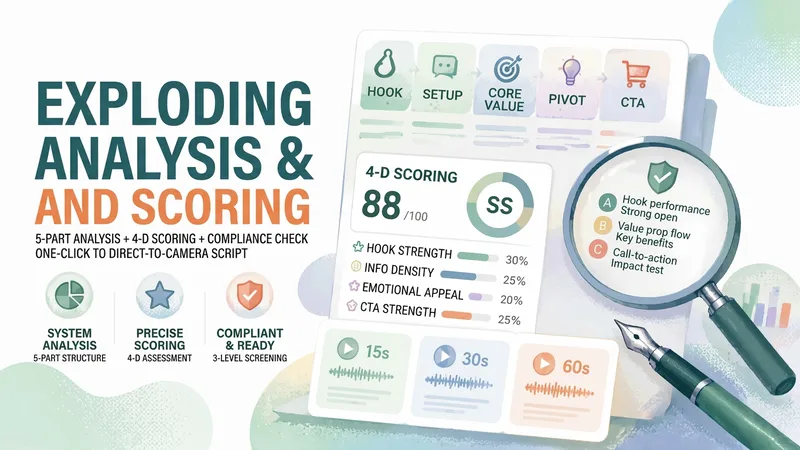 Write
Hit Script Breakdown and Scoring
Organize short video links, spoken scripts, or image text into analyzable content profiles while restoring the original text, platform, word count, speaking rate, and estimated duration. Whether for Douyin, Kuaishou, Xiaohongshu, Channels, Bilibili, or YouTube, it identifies e-commerce, science popularization, storytelling, tutorial, emotional, or paid knowledge types based on specific signals in the script. When the original text is unavailable, it explicitly states so without guessing based on titles or covers. On this basis, the Skill breaks down short video structures across five stages: hook, setup, core, pivot, and CTA. It diagnoses the function of each segment, the performance of key seconds, and structural order. It scores dimensions such as hook strength, information density, emotional tension, and action guidance, providing clear score deduction reasons and actionable improvement steps. Compliance screening flags risks such as absolute expressions, false promises, earnings and efficacy claims, and private traffic redirection, while offering directly replaceable wording. When script revision is needed, it generates 15-second, 30-second, and 60-second spoken versions tailored to different video durations based on the original text, retaining core information and explaining compression trade-offs without inventing facts or promises. It supports batch comparison of multiple scripts, horizontal analysis of competing or reference drafts, and delivery in Markdown, JSON, CSV, and plain text. This makes it suitable for content operations, directors, media buyers, and independent creators to review hit content, conduct compliance checks, and revise scripts before shooting.
Xiaohongshu Lazy Starter Tool
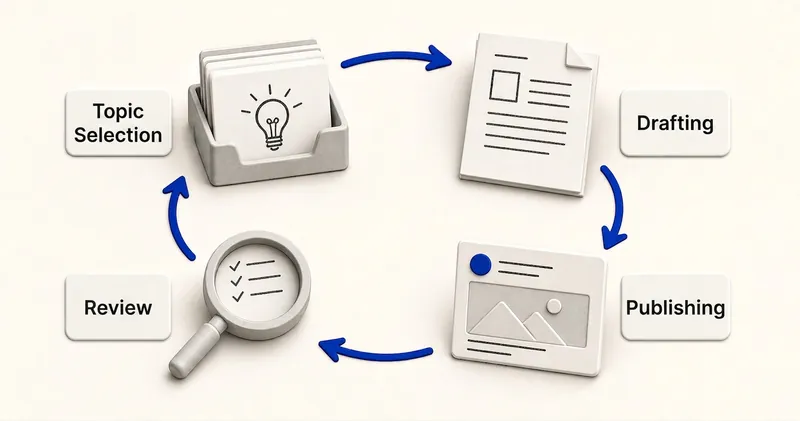
1. wb-xhs-monetization-backsolve Integration: Reverse engineering the monetization path, account positioning, and content direction for Xiaohongshu accounts. yanliudreamer's timing judgment, personal IP route, long-term expression ability, and 10-20 validation ideas. Visual Director's judgment that 'different trust paths require different visual trust cues'. Core change: Instead of just asking 'how to monetize', it also answers 'why now, why you, can you keep talking long-term, and what visual trust needs to be built'. 2. wb-xhs-low-follower-pattern Integration: Analysis of low-follower high-engagement samples on Xiaohongshu. yanliudreamer's click rate × dwell time × interaction rate, and five types of user underlying needs. dbskill's benchmark filtering, propagation reasons, and resonance mechanism judgment. Visual Director's cover composition, main visual, page rhythm, and mobile readability checks. Core change: Instead of just imitating sample forms, it judges which data link is effective and which content and visual mechanisms can be transferred. 3. wb-xhs-account-profile Integration: Xiaohongshu account profile and long-term memory. yanliudreamer's trust assets, personal IP story, persona consistency, and feedback from comments/DMs written back. dbskill's personal language samples, credible evidence, and AI style calibration. Visual Director's frame, color, font, components, and anti-patterns forming visual identity. Core change: Account profile evolves from a static style guide to a continuously updated 'trust business card + content and visual memory'. 4. wb-xhs-topic-bank Integration: Xiaohongshu topic matrix and title formulas. yanliudreamer's five user needs and three pre-posting questions. dbskill's title triggers, strict title checks, and traceable trigger reasons. Visual Director's cover hook, main visual direction, information density, and page count suggestions. Core change: Topics not only generate titles but also provide user needs, content promises, and a brief ready for visual production. 5. wb-xhs-humanize-compliance Integration: Xiaohongshu draft calibration and pre-publish checks. dbskill's hooks, single core mechanism, diagnose before rewrite, and 5-second opening. Visual Director's 6-8 page image-text structure, information hierarchy, and mobile readability. Core change: Removing AI feel isn't just about conversational tone; it makes content more human, easier to finish, and clearly divisible into image-text pages. 6. wb-xhs-schedule-review Integration: WorkBuddy's first 10 posts, 7-day, and 30-day scheduling and review cycle. yanliudreamer's system profile, 10-20 validation, and deepening after a hit. dbskill's status recording and conclusion writing back. Visual Director's master template, visual approval images, final images, and visual review nodes. Core change: Scheduling not only arranges posting times but also content and visual production; it saves visual constraints but does not replace visual routing or image delivery. 7. wb-xhs-visual-router Integration: Existing project outputs from topic selection, revision, and scheduling: titles, pages, and visual constraints. New additions: shared Visual Brief, fact boundaries, real runtime status, and QA recording conventions. Core change: Visual requests have a single entry point; it first fills in cover titles, evidence, and fact boundaries, then routes to the appropriate expert, without writing 'image tool not yet called' as delivered images. 8. wb-xhs-cover-anchor Integration: ponyodong2026/ponyo-cover-anchor-system's information density × visual anchor, conflict/number/screenshot/emotion four template types, old cover diagnosis, and completed cover prompts. Lifestyle cover variations: doodle outline fresh, sunlight film collage white outline, and 3:4 thumbnail readability rules. Xiaohongshu fact boundaries: numbers, screenshots, cases, and subjects only used when confirmed or authorized. Core change: Cover is not just a title skeleton but a publishable finished cover with quantifiable diagnosis; when evidence is missing, it still retains a credible title and composition, never drawing unverified data, cases, or results as facts. 9. wb-xhs-xiaohei-illustration Integration: helloianneo/ian-xiaohei-illustrations' Xiaohei character, 16:9 body illustrations, shot list, white background hand-drawn style, and grotesque cognitive metaphors. Pure white background, black thin lines, limited red-orange-blue annotations, and QA that 'Xiaohei must perform the core action'. Core change: Convert judgments, processes, states, and metaphors in articles into instantly readable cognitive illustrations; retain MIT source attribution, recreate each illustration's metaphor, and do not copy existing images or compositions. 10. wb-xhs-material-illustration Integration: op7418/guizang-material-illustration's materialized central explanatory images, chart semantic redrawing, reference-only facts, and outer card division of labor. Mechanisms, processes, cycles, hierarchies, comparisons, charts, and components extracted from central images: objects, arrows, badges, and explanatory parts. Core change: First let a wide central image explain relationships or data, then extract reusable components; when both 'material' and 'cover' are needed, first confirm the precise cover title, then complete both deliverables separately.
 Research
Competitor Content Strategy
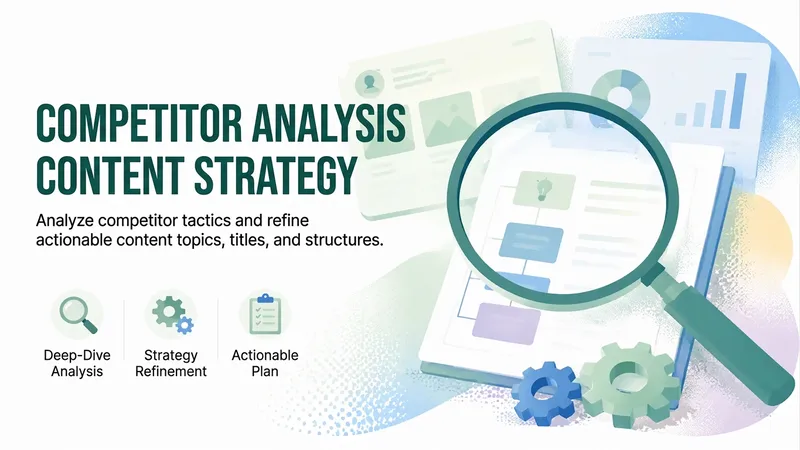
Turn content from competitor or benchmark accounts into an evidence-based, appropriately scoped content strategy report that you can put into action. Whether you provide local materials, article links, pasted text, or only an account name, the analysis can first build a source inventory, check sample coverage, time span, column and format distribution, and flag failed retrievals, missing information, or insufficient samples to avoid drawing overly certain conclusions from limited evidence. From there, it breaks down the benchmark account's topic angles, headline construction, opening promise, body pacing, and closing actions. It extracts reusable topic patterns, headline formulas, and structural frameworks while distinguishing consistently recurring tactics from isolated examples. The analysis goes beyond general judgments such as “worth learning from.” It considers your account positioning, platform format, stage, production capacity, category, and compliance boundaries to determine what can be adopted directly, what needs to be adapted, and what risks may come from copying it. It also provides practical adaptation directions and an action checklist for this week. If you provide content from your own account, the analysis can further compare it with your existing style, capability gaps, and audience expectations, then arrange a more suitable order for transferring applicable approaches. In the end, you can receive a conversation overview and a complete content strategy report. When needed, it can also generate a single-file HTML report that is easy to save, print, and share. Suitable for content creators, social media operators, and brand teams conducting competitor content analysis, planning topics, and building an account system.
Information
- Version
- v2
- Last updated
- Runtime credits
- Usage-based
- Models
- Auto
