
Xiaohongshu Kolay Hesap Aracı
Xiaohongshu Yeni Başlayanlara Viral İçerik
Açıklama
1. wb-xhs-monetization-backsolve Entegrasyon: Xiaohongshu hesabının para kazanma yolunun tersine mühendisliği, hesap konumlandırması ve içerik yönü. yanliudreamer'ın zamanlama, kişisel IP rotası, uzun vadeli ifade yeteneği ve 10-20 gönderi doğrulama yaklaşımı. Görsel yönetmenin "farklı güven yollarının farklı görsel güven gerektirdiği" değerlendirmesi. Temel değişiklik: Sadece "nasıl para kazanılır" değil, aynı zamanda "neden şimdi, neden sen, uzun vadede anlatabilir misin ve ne tür bir görsel güven oluşturmalısın" sorularına yanıt vermek. 2. wb-xhs-low-follower-pattern Entegrasyon: Xiaohongshu'daki düşük takipçili yüksek etkileşimli örneklerin analizi. yanliudreamer'ın tıklama oranı × kalma süresi × etkileşim oranı ve beş kullanıcı temel ihtiyacı. dbskill'in karşılaştırma filtresi, yayılma nedeni ve ortak duygu mekanizması değerlendirmesi. Görsel yönetmenin kapak kompozisyonu, ana görsel, sayfa arası ritim ve mobil okunabilirlik kontrolü. Temel değişiklik: Artık sadece örneklerin biçimini taklit etmek değil, hangi veri aşamasında etkili olduğunu ve hangi içerik-görsel mekanizmalarının aktarılabileceğini belirlemek. 3. wb-xhs-account-profile Entegrasyon: Xiaohongshu hesap profili ve uzun vadeli hafıza. yanliudreamer'ın güven varlıkları, kişisel IP hikayesi, niş kişilik ve yorum/özel mesaj geri bildirimlerinin kaydedilmesi. dbskill'in kişisel dil örnekleri, güvenilir kanıtlar ve AI yazım stili kalibrasyonu. Görsel yönetmenin çerçeve, renk, yazı tipi, bileşenler ve yasak anti-desenlerden oluşan görsel kimlik. Temel değişiklik: Hesap profili statik bir stil tanımından, sürekli güncellenebilen bir "güven kartviziti + içerik ve görsel hafıza"ya dönüşüyor. 4. wb-xhs-topic-bank Entegrasyon: Xiaohongshu konu matrisi ve başlık formülleri. yanliudreamer'ın beş kullanıcı ihtiyacı ve gönderi öncesi üç soru. dbskill'in başlık tetikleyicileri, başlık doğrulama ve izlenebilir tetikleme nedenleri. Görsel yönetmenin kapak kancası, ana görsel yönü, bilgi yoğunluğu ve sayfa sayısı önerileri. Temel değişiklik: Konu seçimi sadece başlık üretmek değil, aynı anda kullanıcı ihtiyacı, içerik vaadi ve görsel üretime yönelik bir Brief sağlamak. 5. wb-xhs-humanize-compliance Entegrasyon: Xiaohongshu taslak kalibrasyonu ve yayın öncesi kontrol. dbskill'in kanca, tek temel mekanizma, önce teşhis sonra yeniden yazma ve 5 saniyelik giriş. Görsel yönetmenin 6-8 sayfalık görsel metin yapısı, bilgi hiyerarşisi ve mobil okunabilirlik. Temel değişiklik: AI hissini gidermek sadece konuşma diline geçmek değil, içeriğin aynı anda daha insani, daha kolay okunabilir ve net bir şekilde görsel sayfalara ayrılabilir olmasını sağlamak. 6. wb-xhs-schedule-review Entegrasyon: WorkBuddy'nin ilk 10, 7 gün, 30 günlük planlama ve gözden geçirme döngüsü. yanliudreamer'ın sistem profili, 10-20 gönderi doğrulama ve viral sonrası derinleşme. dbskill'in durum kaydı ve sonuç yazma mekanizması. Görsel yönetmenin ana şablon, görsel onay görseli, final görsel ve görsel gözden geçirme noktaları. Temel değişiklik: Planlama sadece yayın zamanını değil, aynı zamanda içerik ve görsel üretimini de düzenler; sadece görsel kısıtlamaları kaydeder, görsel yönlendirme veya görsel teslimatın yerini almaz. 7. wb-xhs-visual-router Entegrasyon: Bu projenin mevcut konu seçimi, düzeltme ve planlama çıktıları (başlıklar, sayfalar, görsel kısıtlamalar). Yeni eklenen ortak Görsel Brief, gerçek sınırlar, gerçek çalışma durumu ve QA kayıt sözleşmesi. Temel değişiklik: Görsel taleplerin tek bir girişi var; önce kapak başlığı, kanıt ve gerçek sınırları tamamlar, sonra ilgili uzmana yönlendirir; "görsel aracı henüz çağrılmadı" durumunu görsel teslim edilmiş gibi yazmaz. 8. wb-xhs-cover-anchor Entegrasyon: ponyodong2026/ponyo-cover-anchor-system'den bilgi yoğunluğu × görsel çapa, çatışma/rakam/ekran görüntüsü/duygu olmak üzere dört şablon, eski kapak teşhisi ve tamamlanmış kapak promptu. Yaşam tarzı kapakları için karalama kenarlı pastel, güneşli film kolajı beyaz kenar varyantı ve 3:4 küçük resim okunabilirlik kuralı. Xiaohongshu gerçek sınırı: Rakamlar, ekran görüntüleri, örnekler ve konular yalnızca onaylandığında veya yetkilendirildiğinde kullanılır. Temel değişiklik: Kapak sadece bir başlık iskeleti değil, yayınlanabilir tam kapak ve ölçülebilir teşhis sunar; kanıt eksik olduğunda güvenilir başlık ve kompozisyon korunur, doğrulanmamış veri, örnek veya sonuç gerçekmiş gibi çizilmez. 9. wb-xhs-xiaohei-illustration Entegrasyon: helloianneo/ian-xiaohei-illustrations'dan Xiaohei karakteri, 16:9 gövde görseli, çekim listesi, beyaz zemin üzerine el çizimi ve tuhaf bilişsel metaforlar. Tamamen beyaz arka plan, siyah ince çizgiler, az miktarda kırmızı-turuncu-mavi notlar ve "Xiaohei ana eylemi üstlenmelidir" QA kuralı. Temel değişiklik: Makaledeki yargılar, süreçler, durumlar ve metaforlar, bir bakışta okunabilen gövde bilişsel görsellerine dönüştürülür; MIT kaynak atıfı korunur, her görselin metaforu yeniden oluşturulur, örnek görseller veya kompozisyonlar kopyalanmaz. 10. wb-xhs-material-illustration Entegrasyon: op7418/guizang-material-illustration'dan malzeme tabanlı merkez açıklama görseli, grafik semantiğinin yeniden çizilmesi, referans yalnızca gerçekleri tamamlama ve dış kart görev dağılımı. Mekanizma, süreç, döngü, hiyerarşi, karşılaştırma, grafikler ve merkez görselden çıkarılan nesneler, oklar, köşe etiketleri ve açıklama bileşenleri. Temel değişiklik: Önce geniş bir merkez görselle ilişkiyi veya veriyi anlatmak, ardından yeniden kullanılabilir bileşenler oluşturmak; aynı anda "malzeme + kapak" gerektiğinde önce kapak başlığını doğrulamak, sonra iki teslimatı ayrı ayrı tamamlamak.
İlgili beceriler
Tümünü gör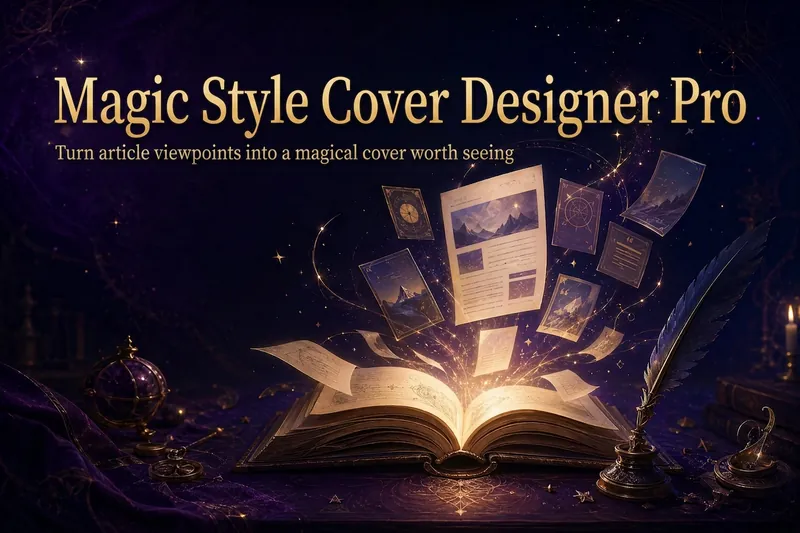 Görsel
Büyülü Kapak Tasarımcısı Pro
Makale başlığını, fikirlerin görünür olmasını sağlayan büyülü bir kapağa dönüştürür. 「Büyülü Kapak Tasarımcısı Pro」rastgele görsel üreten bir araç değil; “içeriği anlama → başlığı doğrulama → fikri görselleştirme → platforma uyarlama → kapak oluşturma” adımlarından oluşan bir görsel paketleme iş akışıdır. Gerçek başlığınızı ve alt başlığınızı korumanıza yardımcı olurken makalenin temel fikrini, duygusunu ve anlatı ilişkilerini etkileyici, canlı ve ayırt edilebilir büyülü görsellere dönüştürür. Twitter uzun makalelerini veya Thread gönderilerini, WeChat makalelerini, Xiaohongshu notlarını, ürün tanıtımlarını, bilgi paylaşımlarını, gelişim değerlendirmelerini ve kişisel marka içeriklerini destekler. Skill önce makalenin özgün başlığını, özgün alt başlığını ve temel fikrini belirler: Özgün başlık varsayılan olarak kapağın ana başlığı, özgün alt başlık ise öncelikli olarak kapağın alt başlığı olur. Temel fikir, kapak metninin yerine doğrudan kullanılmaz; bunun yerine görselin ana konusunu, sembollerini, kompozisyonunu, ışık-gölge kullanımını ve görsel metaforlarını belirler. İçerik türüne göre görsel stratejiyi eşleştirir: Yöntem anlatımları için büyülü planlar veya adım parşömenleri, gelişim değerlendirmeleri için yolculuklar ve aydınlatılmış yollar, karşı-sezgisel fikirler için ışık ve karanlık çatışması ya da mührün kırılması, ürün tanıtımları için büyülü atölyeler ve temel aygıtlar, bilgi paylaşımları için akademi arşivleri ve büyü kitapları, vaka hikâyeleri için önce-sonra değişimleri ve anlatı sahneleri kullanılır. Başlık çok uzunsa, onaylamanız için özgün başlık ve kısaltılmış sürüm birlikte sunulur; izinsiz yeniden yazılmaz. Alt başlık yoksa önce aday metinler sunulur; onaylanmamış bir fikir cümlesi doğrudan görsele eklenmez. Varsayılan olarak retro fantezi × büyülü günlük görsel dilini kullanır: koyu mor, gece mavisi, siyaha çalan kahverengi, antik bronz ve bej-altın tonlarını; parşömen, kuş tüyü kalem, büyü kitabı, mühür mumu ve yıldız tozu gibi dokusal unsurlarla birleştirir. Referans görsellerden ortak renkleri, malzemeleri, ışık-gölge kullanımını ve anlatı atmosferini de çıkarabilir; ancak tek bir görselin özgün kompozisyonunu, karakterlerini, logosunu veya ayırt edici unsurlarını kopyalamaz. Farklı platformlarda gerçek okuma senaryosuna göre oranı, metin yoğunluğunu, ana konunun boyutunu, boşluk kullanımını ve küçük görselde ayırt edilebilirliği uyarlar. Bilgi paylaşan içerik üreticileri, kişisel marka sahipleri, ürün yazarları ve tutarlı bir görsel kimlik oluşturmak isteyen içerik üreticileri için uygundur. Sayıları, sonuçları, kişilerin kimliklerini veya marka desteklerini uydurmaz; viral başarı vaat etmez. Yalnızca görselin gerçek içeriği daha doğru ve canlı biçimde desteklemesini sağlar.
Xiaohongshu Viral Üretici
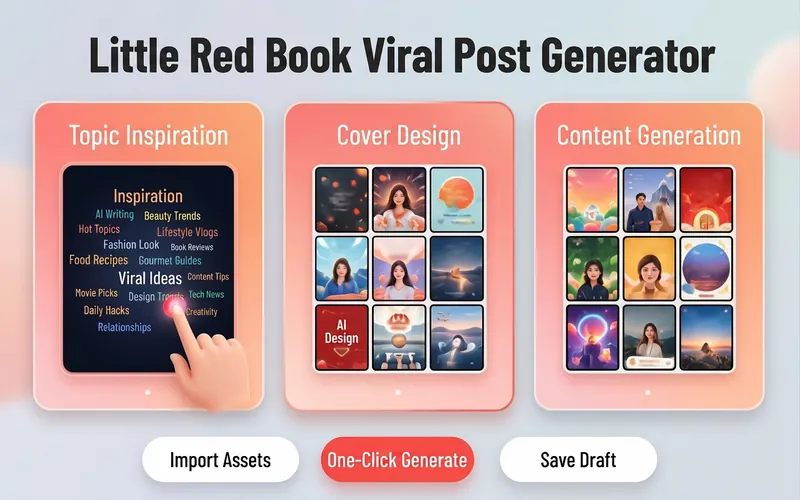
Xiaohongshu'da daha fazla trafik ve etkileşim mi istiyorsunuz? Bu araç, içerik üreticilerine özel olarak ilgi çekici başlıklardan yapılandırılmış gövde metnine kadar notlarınızın kalitesini artıran kapsamlı bir içerik planlama çözümü sunar. Tek yapmanız gereken, yaratıcı konunuzu veya ürün bilgilerinizi girmek; platformun tonuna uygun, size özel yüksek değerli içerikler hazırlanır. Görsel sunumda, kısa ve etkili kapak metinleri tasarlar; büyük tipografi, kişi içeren görseller, ürün yakın çekimleri ve sade ve ferah gibi çeşitli görsel stil önerileri sunar. Ayrıca, içerik türüne göre otomatik olarak birden fazla viral başlık formülü eşleştirir; sayısal listelerden duygusal bağ kuran türlere kadar hedef kitlenize hassas şekilde ulaşır. Metin oluşturmada, bilgi paylaşımı, ürün incelemeleri, rehberler ve mekân deneyimleri gibi profesyonel şablonlar desteklenir. Yapılandırılmış paragraf düzeni, yerinde emoji kullanımı ve farklı alanlara yönelik hedefli etiket stratejileriyle içerikleriniz hem pratik değer hem de okuma zevki sunar. Güzellik modası, yemek mekânları veya kariyer gelişimi gibi konularda yüksek beğeni ve kaydedilme alan kaliteli notlar kolayca oluşturabilirsiniz.
 Görsel
Çöp Adam Görsel Anlatımı
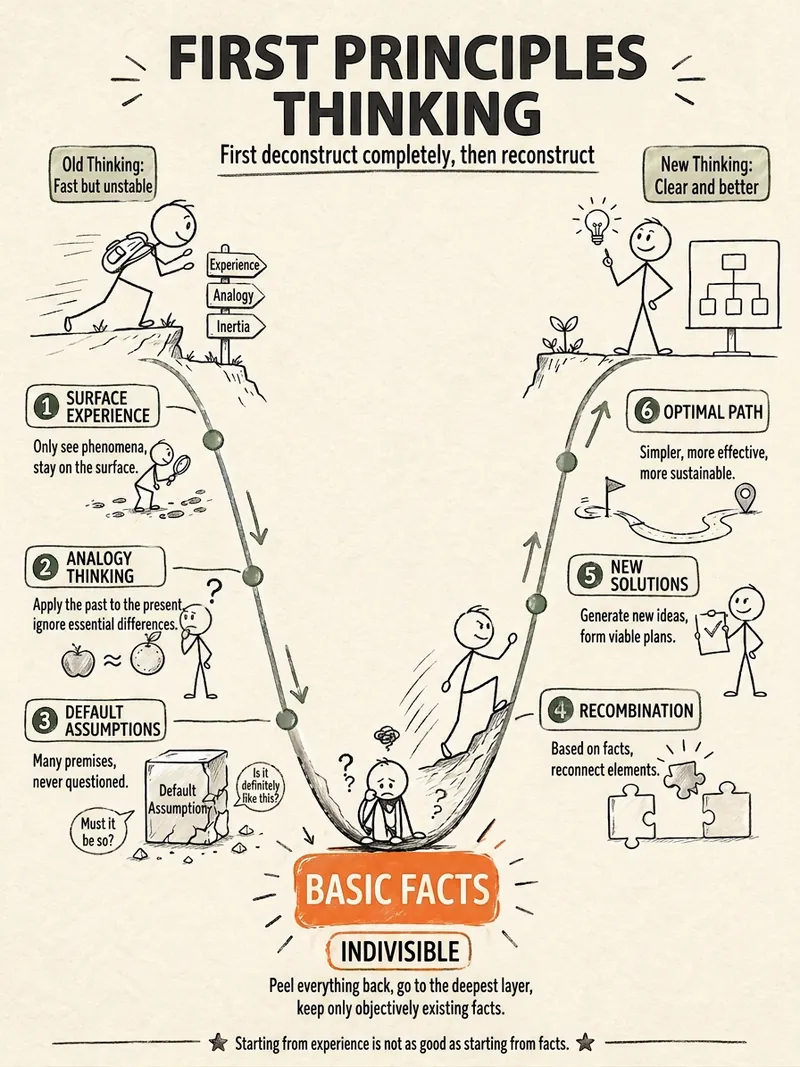
Karmaşık kavramları, soyut teorileri, uzun süreçleri, bilgi notlarını, iş analizlerini veya gelişim hikâyelerini GPT-Image 2 ile oluşturulmaya uygun dikey bilgi kartlarına, infografiklere ve el çizimi görsel anlatım Prompt'larına dönüştürür. Süreçleri düzenleme, öncesi ve sonrası karşılaştırması, neden analizi, bilgi sınıflandırması ya da dibe vurmaktan atılım yapmaya uzanan gelişim anlatıları fark etmeksizin; temel sonuçları çıkarır, uygun kompozisyonu, görsel metaforları ve okuma akışını belirler. Böylece içerik tek bakışta daha kolay anlaşılır ve hatırlanır. Çince kart yapısı açıklamaları ve görsel sistem önerileri elde edersiniz. Bunlar; kompozisyonu, el çizimi stilini, renk yaklaşımını, yazı karakterinin havasını ve doğrudan kopyalanıp kullanılabilecek İngilizce bir görsel üretim Prompt'unu kapsar. Varsayılan olarak 3:4 dikey tuval kullanılır; bu format bilgi kartları, Xiaohongshu kartları, dikey infografikler ve posterler için uygundur. Temaya göre durumları, hareketleri ve duyguları göstermek için çöp adamlar, sadeleştirilmiş karakterler veya ikonlar seçilebilir. Aynı zamanda bilgi modüllerinin sayısı kontrol edilerek görselin kalabalıklaşması, metnin çok küçük olması veya odağın dağılması önlenir. Kitap notlarını, metodolojileri, iş becerilerini, psikoloji ve gelişim konularını, iş içgörülerini, ürün süreçlerini ve karmaşık kavramları; anlaşılır, anlatı duygusu taşıyan ve uygulanabilir görsel ifadelere hızla dönüştürmek için uygundur.
Xiaohongshu Kolay Hesap Aracı
Xiaohongshu Yeni Başlayanlara Viral İçerik
Açıklama
1. wb-xhs-monetization-backsolve Entegrasyon: Xiaohongshu hesabının para kazanma yolunun tersine mühendisliği, hesap konumlandırması ve içerik yönü. yanliudreamer'ın zamanlama, kişisel IP rotası, uzun vadeli ifade yeteneği ve 10-20 gönderi doğrulama yaklaşımı. Görsel yönetmenin "farklı güven yollarının farklı görsel güven gerektirdiği" değerlendirmesi. Temel değişiklik: Sadece "nasıl para kazanılır" değil, aynı zamanda "neden şimdi, neden sen, uzun vadede anlatabilir misin ve ne tür bir görsel güven oluşturmalısın" sorularına yanıt vermek. 2. wb-xhs-low-follower-pattern Entegrasyon: Xiaohongshu'daki düşük takipçili yüksek etkileşimli örneklerin analizi. yanliudreamer'ın tıklama oranı × kalma süresi × etkileşim oranı ve beş kullanıcı temel ihtiyacı. dbskill'in karşılaştırma filtresi, yayılma nedeni ve ortak duygu mekanizması değerlendirmesi. Görsel yönetmenin kapak kompozisyonu, ana görsel, sayfa arası ritim ve mobil okunabilirlik kontrolü. Temel değişiklik: Artık sadece örneklerin biçimini taklit etmek değil, hangi veri aşamasında etkili olduğunu ve hangi içerik-görsel mekanizmalarının aktarılabileceğini belirlemek. 3. wb-xhs-account-profile Entegrasyon: Xiaohongshu hesap profili ve uzun vadeli hafıza. yanliudreamer'ın güven varlıkları, kişisel IP hikayesi, niş kişilik ve yorum/özel mesaj geri bildirimlerinin kaydedilmesi. dbskill'in kişisel dil örnekleri, güvenilir kanıtlar ve AI yazım stili kalibrasyonu. Görsel yönetmenin çerçeve, renk, yazı tipi, bileşenler ve yasak anti-desenlerden oluşan görsel kimlik. Temel değişiklik: Hesap profili statik bir stil tanımından, sürekli güncellenebilen bir "güven kartviziti + içerik ve görsel hafıza"ya dönüşüyor. 4. wb-xhs-topic-bank Entegrasyon: Xiaohongshu konu matrisi ve başlık formülleri. yanliudreamer'ın beş kullanıcı ihtiyacı ve gönderi öncesi üç soru. dbskill'in başlık tetikleyicileri, başlık doğrulama ve izlenebilir tetikleme nedenleri. Görsel yönetmenin kapak kancası, ana görsel yönü, bilgi yoğunluğu ve sayfa sayısı önerileri. Temel değişiklik: Konu seçimi sadece başlık üretmek değil, aynı anda kullanıcı ihtiyacı, içerik vaadi ve görsel üretime yönelik bir Brief sağlamak. 5. wb-xhs-humanize-compliance Entegrasyon: Xiaohongshu taslak kalibrasyonu ve yayın öncesi kontrol. dbskill'in kanca, tek temel mekanizma, önce teşhis sonra yeniden yazma ve 5 saniyelik giriş. Görsel yönetmenin 6-8 sayfalık görsel metin yapısı, bilgi hiyerarşisi ve mobil okunabilirlik. Temel değişiklik: AI hissini gidermek sadece konuşma diline geçmek değil, içeriğin aynı anda daha insani, daha kolay okunabilir ve net bir şekilde görsel sayfalara ayrılabilir olmasını sağlamak. 6. wb-xhs-schedule-review Entegrasyon: WorkBuddy'nin ilk 10, 7 gün, 30 günlük planlama ve gözden geçirme döngüsü. yanliudreamer'ın sistem profili, 10-20 gönderi doğrulama ve viral sonrası derinleşme. dbskill'in durum kaydı ve sonuç yazma mekanizması. Görsel yönetmenin ana şablon, görsel onay görseli, final görsel ve görsel gözden geçirme noktaları. Temel değişiklik: Planlama sadece yayın zamanını değil, aynı zamanda içerik ve görsel üretimini de düzenler; sadece görsel kısıtlamaları kaydeder, görsel yönlendirme veya görsel teslimatın yerini almaz. 7. wb-xhs-visual-router Entegrasyon: Bu projenin mevcut konu seçimi, düzeltme ve planlama çıktıları (başlıklar, sayfalar, görsel kısıtlamalar). Yeni eklenen ortak Görsel Brief, gerçek sınırlar, gerçek çalışma durumu ve QA kayıt sözleşmesi. Temel değişiklik: Görsel taleplerin tek bir girişi var; önce kapak başlığı, kanıt ve gerçek sınırları tamamlar, sonra ilgili uzmana yönlendirir; "görsel aracı henüz çağrılmadı" durumunu görsel teslim edilmiş gibi yazmaz. 8. wb-xhs-cover-anchor Entegrasyon: ponyodong2026/ponyo-cover-anchor-system'den bilgi yoğunluğu × görsel çapa, çatışma/rakam/ekran görüntüsü/duygu olmak üzere dört şablon, eski kapak teşhisi ve tamamlanmış kapak promptu. Yaşam tarzı kapakları için karalama kenarlı pastel, güneşli film kolajı beyaz kenar varyantı ve 3:4 küçük resim okunabilirlik kuralı. Xiaohongshu gerçek sınırı: Rakamlar, ekran görüntüleri, örnekler ve konular yalnızca onaylandığında veya yetkilendirildiğinde kullanılır. Temel değişiklik: Kapak sadece bir başlık iskeleti değil, yayınlanabilir tam kapak ve ölçülebilir teşhis sunar; kanıt eksik olduğunda güvenilir başlık ve kompozisyon korunur, doğrulanmamış veri, örnek veya sonuç gerçekmiş gibi çizilmez. 9. wb-xhs-xiaohei-illustration Entegrasyon: helloianneo/ian-xiaohei-illustrations'dan Xiaohei karakteri, 16:9 gövde görseli, çekim listesi, beyaz zemin üzerine el çizimi ve tuhaf bilişsel metaforlar. Tamamen beyaz arka plan, siyah ince çizgiler, az miktarda kırmızı-turuncu-mavi notlar ve "Xiaohei ana eylemi üstlenmelidir" QA kuralı. Temel değişiklik: Makaledeki yargılar, süreçler, durumlar ve metaforlar, bir bakışta okunabilen gövde bilişsel görsellerine dönüştürülür; MIT kaynak atıfı korunur, her görselin metaforu yeniden oluşturulur, örnek görseller veya kompozisyonlar kopyalanmaz. 10. wb-xhs-material-illustration Entegrasyon: op7418/guizang-material-illustration'dan malzeme tabanlı merkez açıklama görseli, grafik semantiğinin yeniden çizilmesi, referans yalnızca gerçekleri tamamlama ve dış kart görev dağılımı. Mekanizma, süreç, döngü, hiyerarşi, karşılaştırma, grafikler ve merkez görselden çıkarılan nesneler, oklar, köşe etiketleri ve açıklama bileşenleri. Temel değişiklik: Önce geniş bir merkez görselle ilişkiyi veya veriyi anlatmak, ardından yeniden kullanılabilir bileşenler oluşturmak; aynı anda "malzeme + kapak" gerektiğinde önce kapak başlığını doğrulamak, sonra iki teslimatı ayrı ayrı tamamlamak.
İlgili beceriler
Tümünü görGörselBüyülü Kapak Tasarımcısı Pro
Makale başlığını, fikirlerin görünür olmasını sağlayan büyülü bir kapağa dönüştürür. 「Büyülü Kapak Tasarımcısı Pro」rastgele görsel üreten bir araç değil; “içeriği anlama → başlığı doğrulama → fikri görselleştirme → platforma uyarlama → kapak oluşturma” adımlarından oluşan bir görsel paketleme iş akışıdır. Gerçek başlığınızı ve alt başlığınızı korumanıza yardımcı olurken makalenin temel fikrini, duygusunu ve anlatı ilişkilerini etkileyici, canlı ve ayırt edilebilir büyülü görsellere dönüştürür. Twitter uzun makalelerini veya Thread gönderilerini, WeChat makalelerini, Xiaohongshu notlarını, ürün tanıtımlarını, bilgi paylaşımlarını, gelişim değerlendirmelerini ve kişisel marka içeriklerini destekler. Skill önce makalenin özgün başlığını, özgün alt başlığını ve temel fikrini belirler: Özgün başlık varsayılan olarak kapağın ana başlığı, özgün alt başlık ise öncelikli olarak kapağın alt başlığı olur. Temel fikir, kapak metninin yerine doğrudan kullanılmaz; bunun yerine görselin ana konusunu, sembollerini, kompozisyonunu, ışık-gölge kullanımını ve görsel metaforlarını belirler. İçerik türüne göre görsel stratejiyi eşleştirir: Yöntem anlatımları için büyülü planlar veya adım parşömenleri, gelişim değerlendirmeleri için yolculuklar ve aydınlatılmış yollar, karşı-sezgisel fikirler için ışık ve karanlık çatışması ya da mührün kırılması, ürün tanıtımları için büyülü atölyeler ve temel aygıtlar, bilgi paylaşımları için akademi arşivleri ve büyü kitapları, vaka hikâyeleri için önce-sonra değişimleri ve anlatı sahneleri kullanılır. Başlık çok uzunsa, onaylamanız için özgün başlık ve kısaltılmış sürüm birlikte sunulur; izinsiz yeniden yazılmaz. Alt başlık yoksa önce aday metinler sunulur; onaylanmamış bir fikir cümlesi doğrudan görsele eklenmez. Varsayılan olarak retro fantezi × büyülü günlük görsel dilini kullanır: koyu mor, gece mavisi, siyaha çalan kahverengi, antik bronz ve bej-altın tonlarını; parşömen, kuş tüyü kalem, büyü kitabı, mühür mumu ve yıldız tozu gibi dokusal unsurlarla birleştirir. Referans görsellerden ortak renkleri, malzemeleri, ışık-gölge kullanımını ve anlatı atmosferini de çıkarabilir; ancak tek bir görselin özgün kompozisyonunu, karakterlerini, logosunu veya ayırt edici unsurlarını kopyalamaz. Farklı platformlarda gerçek okuma senaryosuna göre oranı, metin yoğunluğunu, ana konunun boyutunu, boşluk kullanımını ve küçük görselde ayırt edilebilirliği uyarlar. Bilgi paylaşan içerik üreticileri, kişisel marka sahipleri, ürün yazarları ve tutarlı bir görsel kimlik oluşturmak isteyen içerik üreticileri için uygundur. Sayıları, sonuçları, kişilerin kimliklerini veya marka desteklerini uydurmaz; viral başarı vaat etmez. Yalnızca görselin gerçek içeriği daha doğru ve canlı biçimde desteklemesini sağlar.
Xiaohongshu Viral Üretici
Xiaohongshu'da daha fazla trafik ve etkileşim mi istiyorsunuz? Bu araç, içerik üreticilerine özel olarak ilgi çekici başlıklardan yapılandırılmış gövde metnine kadar notlarınızın kalitesini artıran kapsamlı bir içerik planlama çözümü sunar. Tek yapmanız gereken, yaratıcı konunuzu veya ürün bilgilerinizi girmek; platformun tonuna uygun, size özel yüksek değerli içerikler hazırlanır. Görsel sunumda, kısa ve etkili kapak metinleri tasarlar; büyük tipografi, kişi içeren görseller, ürün yakın çekimleri ve sade ve ferah gibi çeşitli görsel stil önerileri sunar. Ayrıca, içerik türüne göre otomatik olarak birden fazla viral başlık formülü eşleştirir; sayısal listelerden duygusal bağ kuran türlere kadar hedef kitlenize hassas şekilde ulaşır. Metin oluşturmada, bilgi paylaşımı, ürün incelemeleri, rehberler ve mekân deneyimleri gibi profesyonel şablonlar desteklenir. Yapılandırılmış paragraf düzeni, yerinde emoji kullanımı ve farklı alanlara yönelik hedefli etiket stratejileriyle içerikleriniz hem pratik değer hem de okuma zevki sunar. Güzellik modası, yemek mekânları veya kariyer gelişimi gibi konularda yüksek beğeni ve kaydedilme alan kaliteli notlar kolayca oluşturabilirsiniz.
GörselÇöp Adam Görsel Anlatımı
Karmaşık kavramları, soyut teorileri, uzun süreçleri, bilgi notlarını, iş analizlerini veya gelişim hikâyelerini GPT-Image 2 ile oluşturulmaya uygun dikey bilgi kartlarına, infografiklere ve el çizimi görsel anlatım Prompt'larına dönüştürür. Süreçleri düzenleme, öncesi ve sonrası karşılaştırması, neden analizi, bilgi sınıflandırması ya da dibe vurmaktan atılım yapmaya uzanan gelişim anlatıları fark etmeksizin; temel sonuçları çıkarır, uygun kompozisyonu, görsel metaforları ve okuma akışını belirler. Böylece içerik tek bakışta daha kolay anlaşılır ve hatırlanır. Çince kart yapısı açıklamaları ve görsel sistem önerileri elde edersiniz. Bunlar; kompozisyonu, el çizimi stilini, renk yaklaşımını, yazı karakterinin havasını ve doğrudan kopyalanıp kullanılabilecek İngilizce bir görsel üretim Prompt'unu kapsar. Varsayılan olarak 3:4 dikey tuval kullanılır; bu format bilgi kartları, Xiaohongshu kartları, dikey infografikler ve posterler için uygundur. Temaya göre durumları, hareketleri ve duyguları göstermek için çöp adamlar, sadeleştirilmiş karakterler veya ikonlar seçilebilir. Aynı zamanda bilgi modüllerinin sayısı kontrol edilerek görselin kalabalıklaşması, metnin çok küçük olması veya odağın dağılması önlenir. Kitap notlarını, metodolojileri, iş becerilerini, psikoloji ve gelişim konularını, iş içgörülerini, ürün süreçlerini ve karmaşık kavramları; anlaşılır, anlatı duygusu taşıyan ve uygulanabilir görsel ifadelere hızla dönüştürmek için uygundur.
Bir sonraki favori becerini bul
Araştırma, üretim ve günlük işler için özenle seçilmiş daha fazla AI becerisini keşfet.