Half Real, Half Outline
Specimen-style poster with photo and sketch
Half Real, Half Outline
Specimen-style poster with photo and sketch
Description
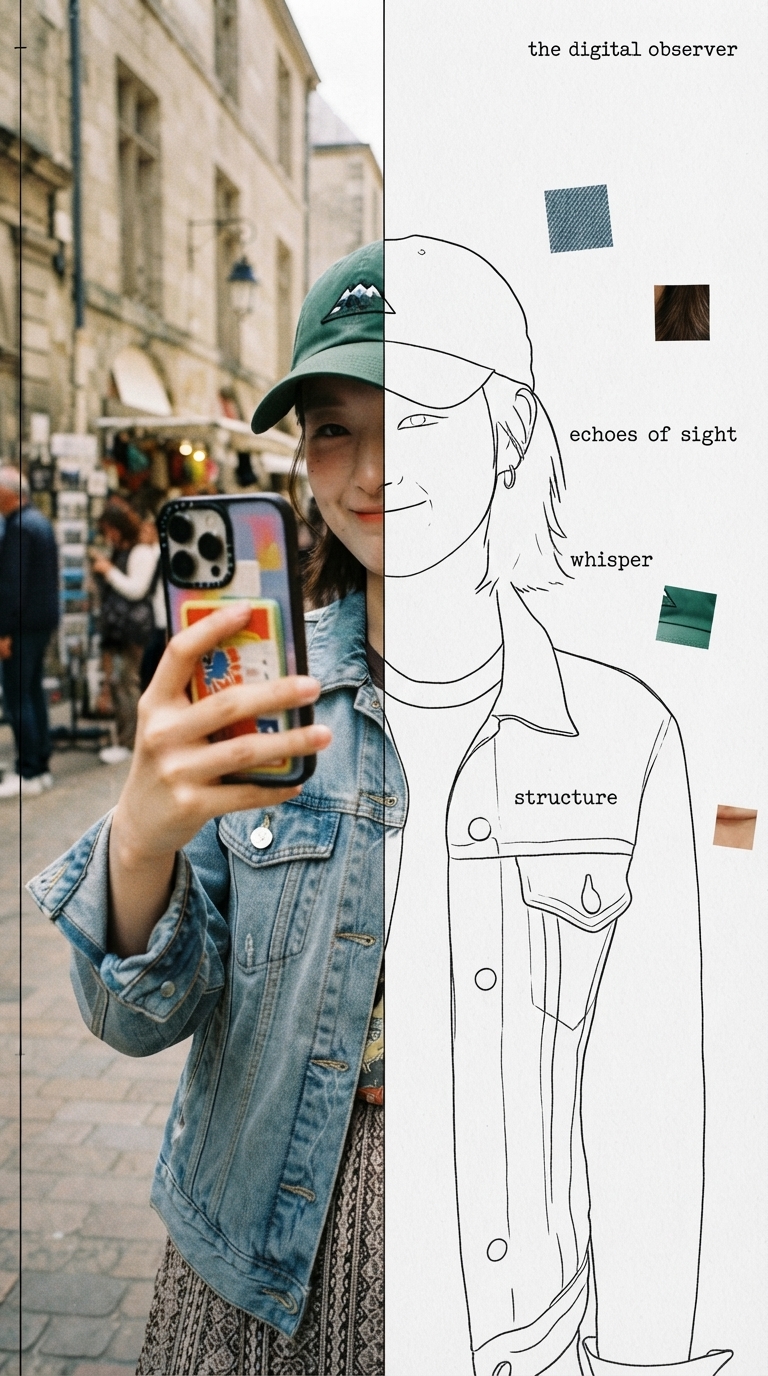
Upload a photo to automatically identify the subject and composition, then generate an experimental editorial-style specimen poster: one half is a real color photo, while the other half is a hand-drawn outline on white paper. The photo area retains its natural color with reduced saturation and a subtle film-grain feel; the white-paper mask continues the shape of the obscured area with fine black hand-drawn contour lines. The poster also includes 2–4 sensory or imagery keywords, 3–5 colored textured fragment squares, a vertical binding line along the left side, and a small poetic subtitle in the corner. Suitable for portraits, still lifes, animals, plants, and other types of photos. By default, it follows the original image proportions without changing the aspect ratio, cropping, converting to black and white, or creating an infographic.
Recommended by
淡苍
Why we love this skill
Transforms a real photo into a specimen-style editorial poster split between restrained photography and hand-drawn outlines.
Showcase
1 / 3
Best for
For creators who want to turn portrait, still life, animal, plant, or scene photos into restrained experimental editorial posters.
How to use this Skill
Provide your input
Upload a photo, and optionally provide the aspect ratio, masked half, title, or keywords.
Run the Skill
The system analyzes the subject and composition, then proposes poster copy and layout for your review. Once confirmed, it generates the finished poster.
Review your result
Get an experimental editorial-style poster with half real color photo and half white-paper hand-drawn outline.
Related Skills
View all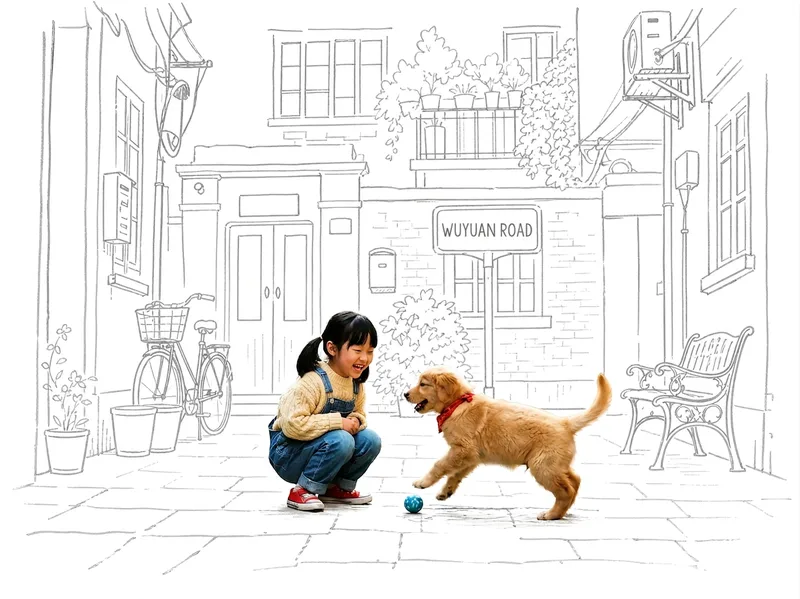 Image
ImagePhoto Meets Hand-Drawn
Turn any photo into a contrast-style poster featuring a photo-realistic subject set against a monochrome, hand-drawn line-art environment: people or other subjects are preserved 100% from the original image—no redrawing, outfit changes, or pose changes—while the surrounding scene and background are translated into casual sketch lines on warm white paper in a single ink color. The default output is a 3:4 portrait layout, with other aspect ratios available on request. Supports single-person photos, group shots, pets, still life, and other non-human subjects, as well as pure landscapes with automatic fallback processing. You can also fine-tune the line-art color, paper background color, amount of whitespace, and line weight while preserving the core structure.
 Image
Imagexiaoxiaodong P108 Folk Cut
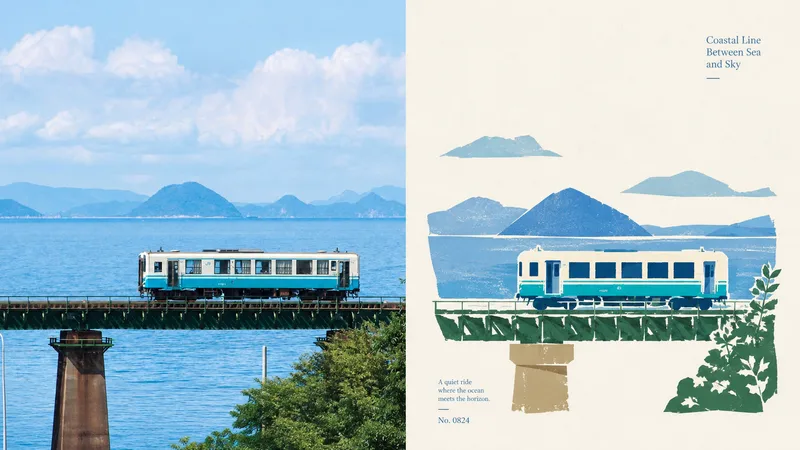
When the subject of a photo is highly recognizable but weakened by a complex background, excessive decoration, or ordinary filters, 108 reorganizes the information through new folk-art paper cutting: the real photo remains above, while the section below keeps only the subject, outline, pose, and narrative relationships, transforming them into flat paper-cut forms, a seal-like main visual, and printmaking texture. Best suited for Art posters, publication covers, or exhibition images that preserve the identity of a photo while adding cultural and handcrafted character. A preference for silhouettes, color blocks, engraved lines, positive and negative space, and paper grain over realistic illustration, smooth vectors, or 3D. Stable output in the same style across top-and-bottom, side-by-side, pure design, wallpaper, multiple aspect ratios, and catalog batch processing. What it solves for you Removes irrelevant backgrounds and duplicate objects so the subject is not overwhelmed by decoration. Extracts the 2–4 most distinctive colors from the photo to create vivid but restrained folk-art color blocks. Unifies the two-zone structure of every finished piece: a strict 50:50 split, with no added title bar, footer, or third band. Quick check: Is Panel 108 right for you? What you get: A complete poster with the real photo on top and a new folk-art paper-cut design below At-a-glance characteristics: A small-scale, seal-like subject; flat paper-cut color blocks; printmaking grain; and generous warm-white space How the original image is respected: Identity, structure, pose, lighting, and color are preserved; the lower section only simplifies and symbolically reconstructs them
 Image
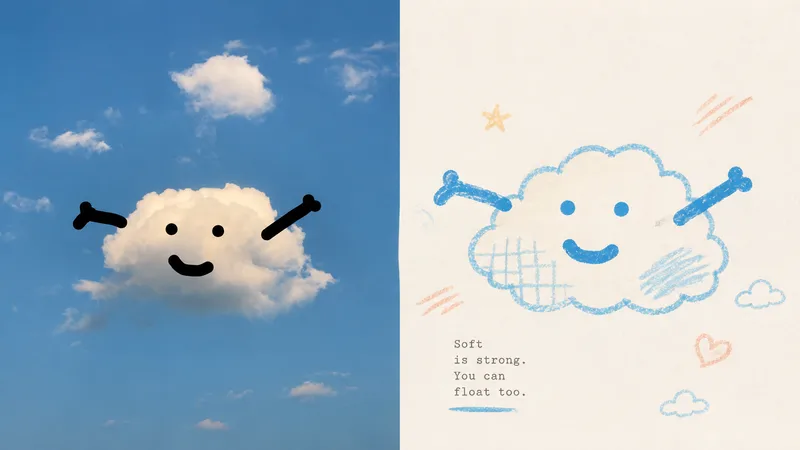
Imagexiaoxiaodong P116 | Doodle
Some photos are truly moving not because of how much information they contain, but because of a single subject, a particular pose, a few colors, and the emotion captured in the image. Panel 116 keeps the real photo in the upper half, then translates the lower half into pastel crayon doodles on an extremely light paper surface: coarse-grain outlines, a few soft color blocks, minimal symbols, and small-scale subjects that leave room to breathe. Ideal for these situations You want to preserve the photo’s identity and natural texture while creating a lighter poster that feels more like an art publication. You don’t want to trace every object, create a realistic redraw, or fill the background with details. You only want to retain the core subject, relationships, and visual memories. You like bright, soothing pastel colors but don’t want anything gloomy, low-contrast, fluorescent, or cheaply candy-colored. You need the same style to produce consistent results across top-and-bottom layouts, left-and-right layouts, pure designs, multiple aspect ratios, four-end wallpapers, or catalog batch processing. What it solves for you It removes secondary information from complex photos so the subject isn’t overwhelmed by details and decoration. It uses clear colored lines and a light paper background to maintain recognizability and keep the subject from blending into the background. It ensures the split composition contains exactly two 50:50 regions, with no title strip, bottom bar, or third section. Each image is generated directly from the current original in a single pass, without sending samples, intermediate results, or work from other Panels back into the model.
Information
- Last updated
- Runtime credits
- Usage-based
- Models
- Auto
- Use cases
- Images & design
- What you get
- Image
- Visual styles
- MinimalistEditorialPhotorealistic