xiaoxiaodong P104 | Zen
Created by xiaoxiaodong
Description
Recommended by
淡苍
Why we love this skill
Featured for treating the original visual brief as the sole aesthetic authority, separating creative from delivery variables, supporting independent top/bottom, left/right, pure-design, and multi-device wallpaper outputs, and validating each image in isolation.
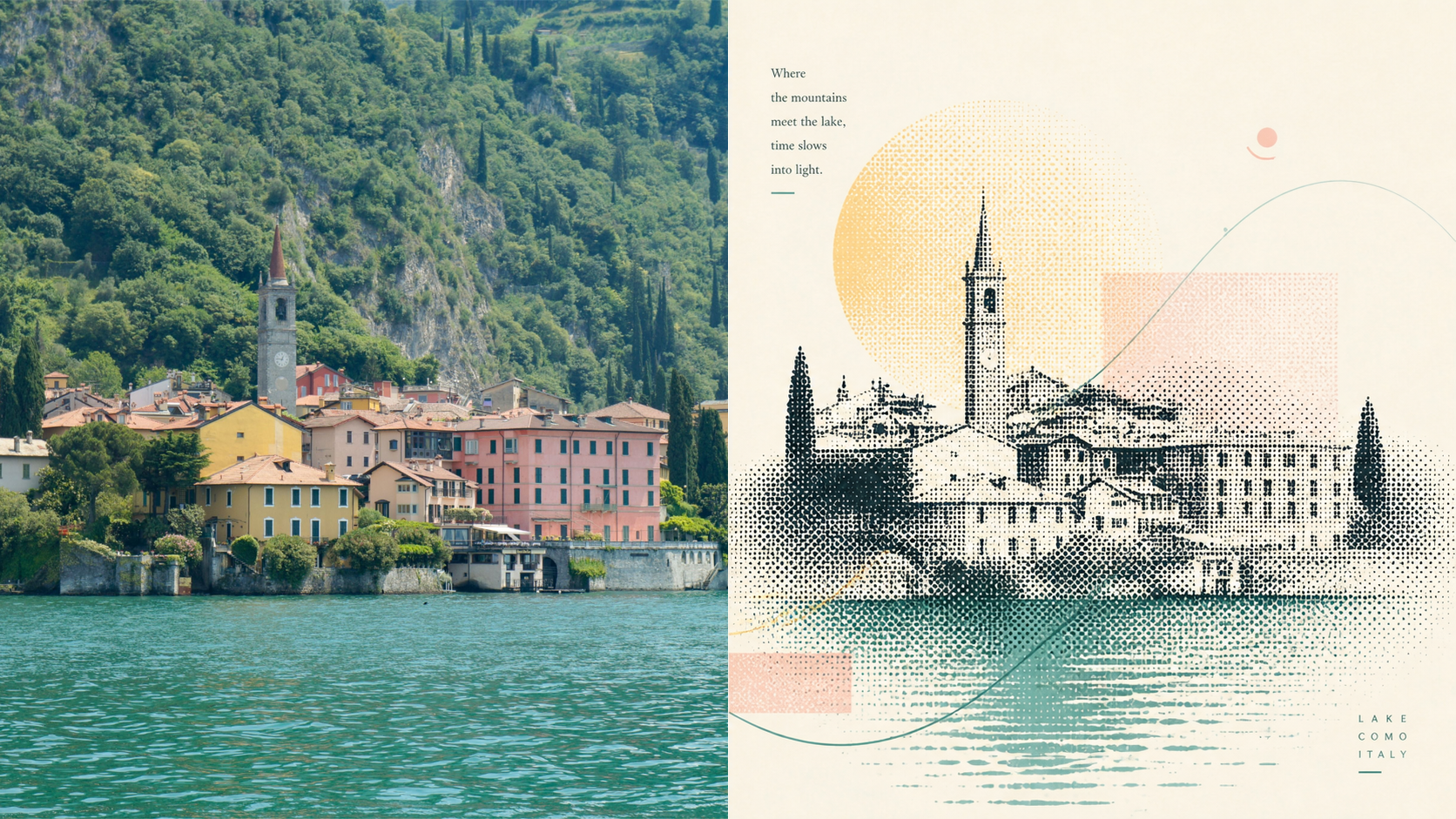
When a photo deserves to be redesigned but not covered in decoration, Panel 104 preserves the original photo and compresses its most memorable subject into a halftone form within the design area. A few colored lines, negative space, and light typography then establish a sense of order. The result is quiet and perceptive, with a printed quality that preserves the mood and sense of time in the original scene. Suitable for these situations The content has a story, but a busy background steals attention: Extract the subject, contours, and relationships worth preserving, then retell them through halftone layers. You want an experimental print feel without visual clutter: Use halftone forms as the framework, while colored lines convey only direction, emotion, and a sense of time. You need calm, refined negative space rather than emptiness: Create tension through visual focus, varying density, and layout order, allowing the blank space itself to carry impact. You need flexible deliverables: Suitable for exhibition posters, editorial visuals, art covers, design-only graphics, multi-aspect-ratio outputs, four-device wallpapers, and batch catalog processing. Quick start Send an image to the Agent and say: Use XXD Panel 104 to process this image. First, recommend the most suitable composition and dimensions.
Related Skills
View all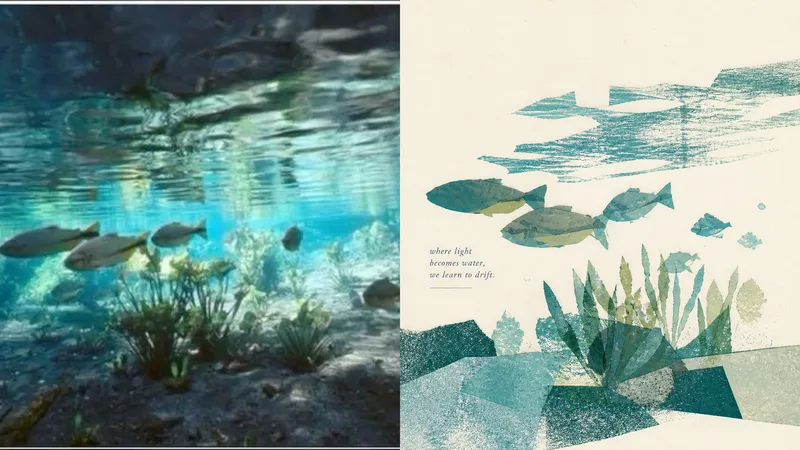
xiaoxiaodong P105 | Poetic Set
Some photos are truly moving not because they reveal every detail, but because of a gesture, a relationship, or a moment meant to live only in memory. Panel 105 is designed to turn such photos into quiet, refined visual excerpts: it first identifies what is most worth preserving, then reconstructs the image with paper shapes, blocks of color, negative space, and print textures instead of mechanically tracing the original as an illustration. Ideal for these situations Your photo contains too much information, but you only want to preserve the feeling: Select one central subject and only the essential supporting details from a complex scene. You want a poster or cover with room to breathe: Use a single visual focus and generous paper-white space to create rhythm between the subject, text, and negative space. You prefer real paper over a smooth digital look: Preserve collage edges, grain, ink gaps, dry-brush marks, uneven ink coverage, and subtle misregistration. You need flexible delivery in a consistent style: Support top-and-bottom comparisons, side-by-side comparisons, design-only layouts, multiple aspect ratios, wallpapers for four device formats, and batch processing of image directories. What it solves for you It no longer packs cluttered backgrounds, duplicate objects, and details with no narrative value into the frame. You do not have to decide which elements to keep or remove; the model makes an aesthetic selection based on the photo's beauty and recognizability. The colors are not sampled evenly. Instead, the most memorable color relationships are preserved and refined into a soft, clear, harmonious limited palette. Get started quickly Use XXD Panel 105 to process this image for me, and first recommend the most suitable composition and dimensions.
 Image
Imagexiaoxiaodong P117 | Fine Line
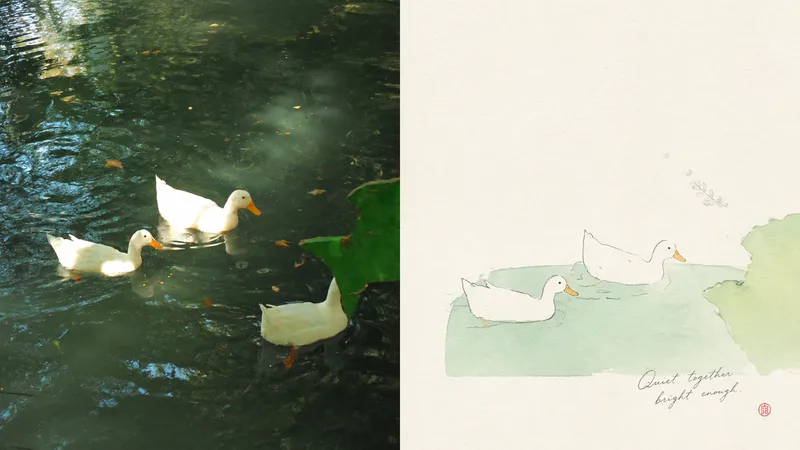
When a photo is cluttered or ordinarily composed but still contains a subject worth keeping, Panel 117 first identifies one core subject, one visual anchor, and one emotional relationship, then re-directs them into a small-scale image made of fine lines, pale colors, paper texture, and light collage. The original photo can remain in the comparison area, while the design area gains an independent expression through generous, intentional negative space. Best for Keeping the original subject recognizable while rearranging its position, scale, direction, and crop. Creating an artistic poster with few elements and a strong theme, without tracing every object or retaining a cluttered background. Using delicate lines, soft pastels, and the breathing quality of paper while avoiding realistic detail and smooth vector styling. Producing the same style in top-and-bottom, side-by-side, design-only, multiple aspect ratios, four-end wallpapers, or catalog batch processing. What it solves for you Selects the truly important visual anchor from complex source material and removes secondary information. Lets negative space shape positive and negative forms, distance, and asymmetrical balance instead of filling the entire canvas. Keeps the comparison image strictly divided into two areas, each occupying 50%, with no third band or inset panel. Generates each output independently from the current original image in a single round, avoiding the re-rendering of intermediate results.
 Image
ImageXiaodong x Screenprint x P086
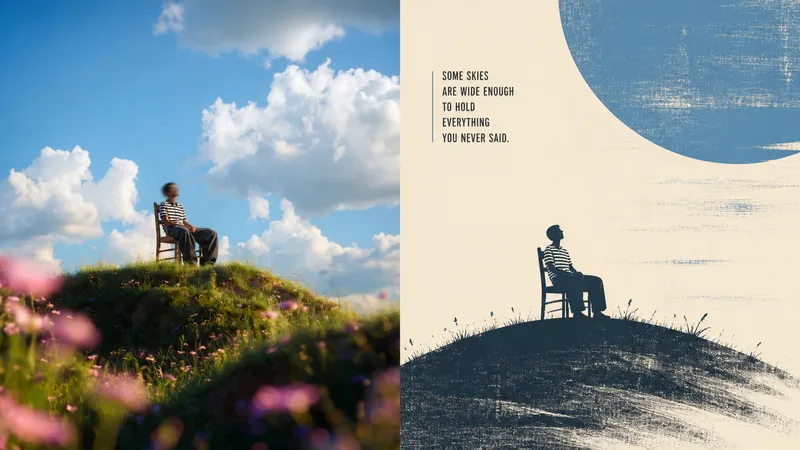
Panel 086 keeps only the 3–5 visual details that make an image work. It reshapes the subject with silhouettes, geometric forms, and simple color blocks, then uses 2–4 spot colors drawn from the photo, dry-brush, brayer texture, dragged ink, broken ink, and uneven coverage to create a medieval modernist screen print. The composition always seeks one clear focal point, one dominant direction, and one meaningful area of negative space. Best for Wanting more visual order from a photo: Keep only 3–5 key visual details, using silhouettes, geometric forms, and color blocks to establish a clear focal point. Wanting an authentic printmaking feel: Let dry-brush, rolled ink, dragged ink, broken ink, and uneven coverage become part of the visual language. Wanting vivid but restrained color: Compress the most energetic relationships in the original image into 2–4 spot colors, allowing the paper and negative space to actively shape the composition. Needing flexible deliverables: Supports portrait, landscape, design-only, multiple aspect ratios, and four-edge wallpapers, and can also process image directories in batches.
xiaoxiaodong P104 | Zen
Created by xiaoxiaodong
Description
Recommended by
淡苍
Why we love this skill
Featured for treating the original visual brief as the sole aesthetic authority, separating creative from delivery variables, supporting independent top/bottom, left/right, pure-design, and multi-device wallpaper outputs, and validating each image in isolation.
When a photo deserves to be redesigned but not covered in decoration, Panel 104 preserves the original photo and compresses its most memorable subject into a halftone form within the design area. A few colored lines, negative space, and light typography then establish a sense of order. The result is quiet and perceptive, with a printed quality that preserves the mood and sense of time in the original scene. Suitable for these situations The content has a story, but a busy background steals attention: Extract the subject, contours, and relationships worth preserving, then retell them through halftone layers. You want an experimental print feel without visual clutter: Use halftone forms as the framework, while colored lines convey only direction, emotion, and a sense of time. You need calm, refined negative space rather than emptiness: Create tension through visual focus, varying density, and layout order, allowing the blank space itself to carry impact. You need flexible deliverables: Suitable for exhibition posters, editorial visuals, art covers, design-only graphics, multi-aspect-ratio outputs, four-device wallpapers, and batch catalog processing. Quick start Send an image to the Agent and say: Use XXD Panel 104 to process this image. First, recommend the most suitable composition and dimensions.
Related Skills
View allxiaoxiaodong P105 | Poetic Set
Some photos are truly moving not because they reveal every detail, but because of a gesture, a relationship, or a moment meant to live only in memory. Panel 105 is designed to turn such photos into quiet, refined visual excerpts: it first identifies what is most worth preserving, then reconstructs the image with paper shapes, blocks of color, negative space, and print textures instead of mechanically tracing the original as an illustration. Ideal for these situations Your photo contains too much information, but you only want to preserve the feeling: Select one central subject and only the essential supporting details from a complex scene. You want a poster or cover with room to breathe: Use a single visual focus and generous paper-white space to create rhythm between the subject, text, and negative space. You prefer real paper over a smooth digital look: Preserve collage edges, grain, ink gaps, dry-brush marks, uneven ink coverage, and subtle misregistration. You need flexible delivery in a consistent style: Support top-and-bottom comparisons, side-by-side comparisons, design-only layouts, multiple aspect ratios, wallpapers for four device formats, and batch processing of image directories. What it solves for you It no longer packs cluttered backgrounds, duplicate objects, and details with no narrative value into the frame. You do not have to decide which elements to keep or remove; the model makes an aesthetic selection based on the photo's beauty and recognizability. The colors are not sampled evenly. Instead, the most memorable color relationships are preserved and refined into a soft, clear, harmonious limited palette. Get started quickly Use XXD Panel 105 to process this image for me, and first recommend the most suitable composition and dimensions.
Imagexiaoxiaodong P117 | Fine Line
When a photo is cluttered or ordinarily composed but still contains a subject worth keeping, Panel 117 first identifies one core subject, one visual anchor, and one emotional relationship, then re-directs them into a small-scale image made of fine lines, pale colors, paper texture, and light collage. The original photo can remain in the comparison area, while the design area gains an independent expression through generous, intentional negative space. Best for Keeping the original subject recognizable while rearranging its position, scale, direction, and crop. Creating an artistic poster with few elements and a strong theme, without tracing every object or retaining a cluttered background. Using delicate lines, soft pastels, and the breathing quality of paper while avoiding realistic detail and smooth vector styling. Producing the same style in top-and-bottom, side-by-side, design-only, multiple aspect ratios, four-end wallpapers, or catalog batch processing. What it solves for you Selects the truly important visual anchor from complex source material and removes secondary information. Lets negative space shape positive and negative forms, distance, and asymmetrical balance instead of filling the entire canvas. Keeps the comparison image strictly divided into two areas, each occupying 50%, with no third band or inset panel. Generates each output independently from the current original image in a single round, avoiding the re-rendering of intermediate results.
ImageXiaodong x Screenprint x P086
Panel 086 keeps only the 3–5 visual details that make an image work. It reshapes the subject with silhouettes, geometric forms, and simple color blocks, then uses 2–4 spot colors drawn from the photo, dry-brush, brayer texture, dragged ink, broken ink, and uneven coverage to create a medieval modernist screen print. The composition always seeks one clear focal point, one dominant direction, and one meaningful area of negative space. Best for Wanting more visual order from a photo: Keep only 3–5 key visual details, using silhouettes, geometric forms, and color blocks to establish a clear focal point. Wanting an authentic printmaking feel: Let dry-brush, rolled ink, dragged ink, broken ink, and uneven coverage become part of the visual language. Wanting vivid but restrained color: Compress the most energetic relationships in the original image into 2–4 spot colors, allowing the paper and negative space to actively shape the composition. Needing flexible deliverables: Supports portrait, landscape, design-only, multiple aspect ratios, and four-edge wallpapers, and can also process image directories in batches.
Find your next favorite skill
Explore more curated AI skills for research, creation, and everyday work.