xiaoxiaodong P139 | Line Codes
By xiaoxiaodong
xiaoxiaodong P139 | Line Codes
By xiaoxiaodong
Description
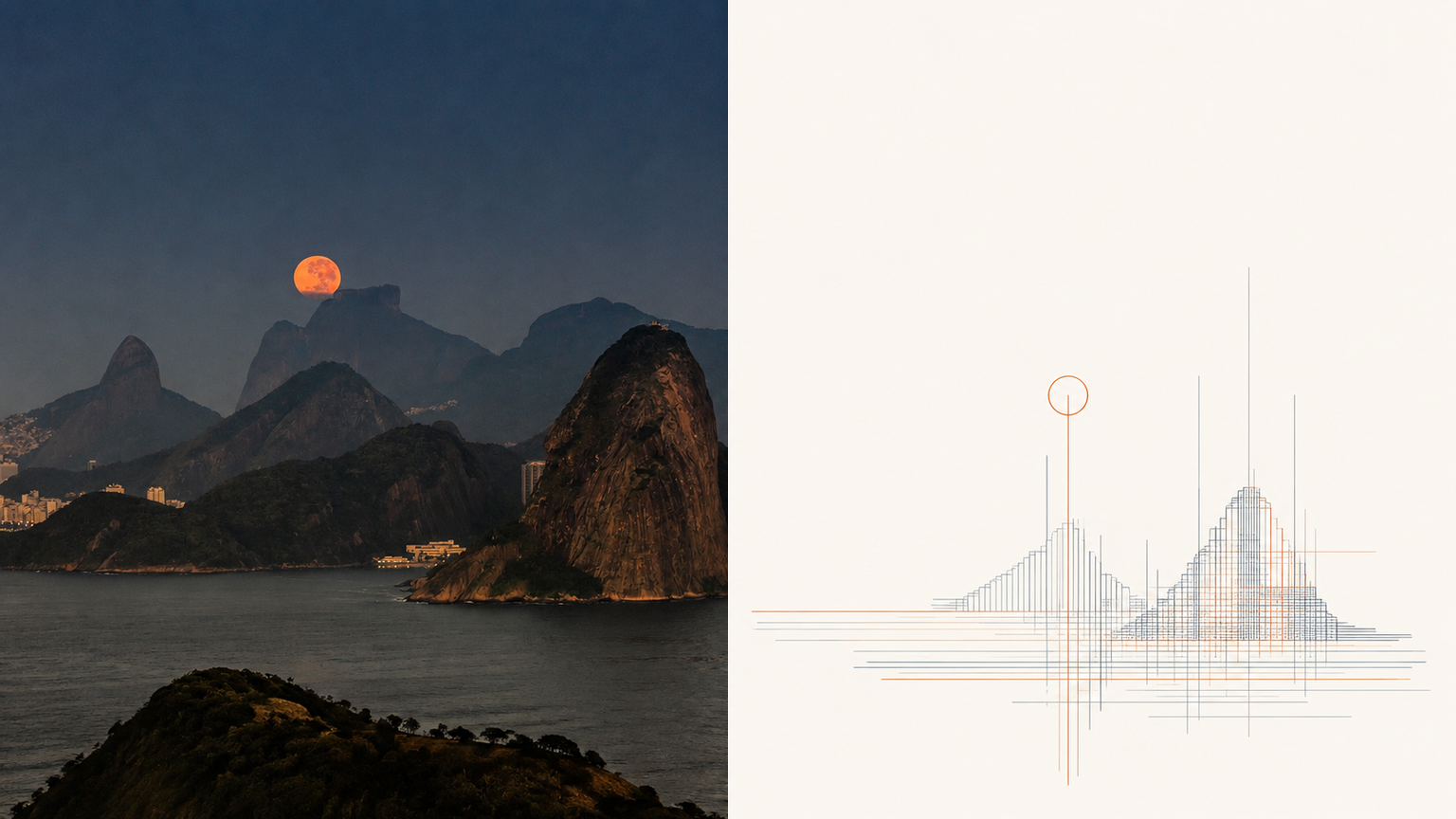
Suitable for personal photography curation, independent publishing, exhibition exercises, and lifestyle visual creation. Even when the original composition is ordinary, the background is cluttered, or the subject is too small, you can reestablish visual focus through reduction, recombination, cropping, and changes in scale—instead of simply applying a filter to the photo. The second half extracts only the most recognizable subjects, contours, structures, poses, and narrative relationships from the photo, then reinterprets them as generative linear abstractions based on text encoding and an orthogonal grid. Do not trace the photo or preserve the complete scene. Remove most representational details, allowing only the essential contours, directions, proportions, and spatial relationships to gradually emerge through numerous ultra-fine horizontal and vertical lines, repeated sequences, and localized bends. From a distance, the image appears as a set of rational abstract structures; only up close does the original subject become faintly recognizable.
Recommended by
淡苍
Why we love this skill
Transforms user photos into production-ready PNGs from a complete Chinese creative brief, with strict layout, text, wallpaper, composition, and metadata checks.
Showcase
1 / 4
Related Skills
View all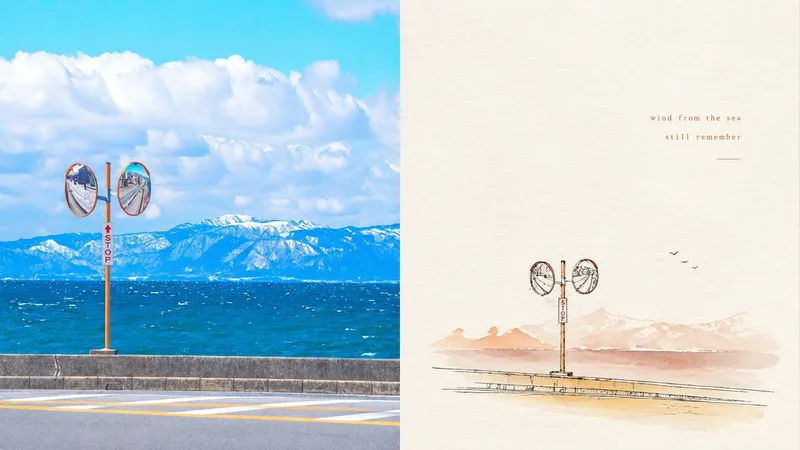 Image
Imagexiaoxiaodong P132 Travel Sketch
Suitable for organizing personal photography, independent publishing, exhibition practice, and lifestyle-focused visual creation. Even when the original photo has an ordinary composition, a cluttered background, or a small subject, you can reestablish its visual focus through subtraction, reorganization, cropping, and changes in scale—instead of simply applying a filter. The lower section extracts only the most recognizable subjects, contours, structures, poses, and narrative relationships from the photo, then reconstructs them as architectural and scene illustrations in a pen-and-ink watercolor style. Do not copy the photo in full, redraw every object individually, or retain all objects and background details. Remove most irrelevant details and keep only the structures, visual flow, and visual cues that best represent the original subject and theme, so the connection between the illustration and the photo above is immediately recognizable.
 Image
Imagexiaoxiaodong P153 | Mono Doodle
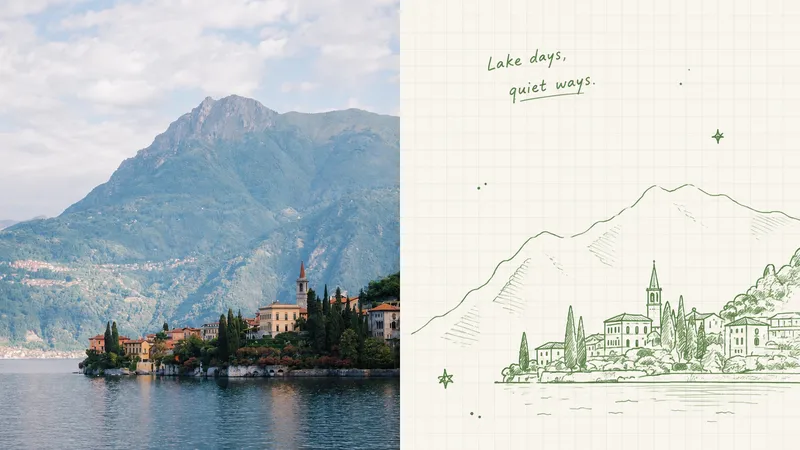
Ideal for organizing personal photography, independent publishing, exhibition studies, and lifestyle visual creation. Even when the original composition is ordinary, the background is cluttered, or the subject is too small, you can reestablish the visual focus through reduction, rearrangement, cropping, and changes in scale—instead of simply applying a filter to the photo. The lower half extracts only the most recognizable subjects, outlines, structures, poses, and narrative relationships from the photo, reconstructing them as a monochrome hand-drawn doodle illustration / journal-style playful illustration. Do not fully reproduce the photo, retain every object, or redraw each item individually. Remove unrelated details and keep only the structures, visual flow, and visual cues that best represent the original, then reframe them with bold contour lines, continuous linework, flat monochrome fills, white space, and a few decorative symbols. The result should make the connection to the photo above immediately recognizable.
 Image
Imagexiaoxiaodong P142 | Type Mask
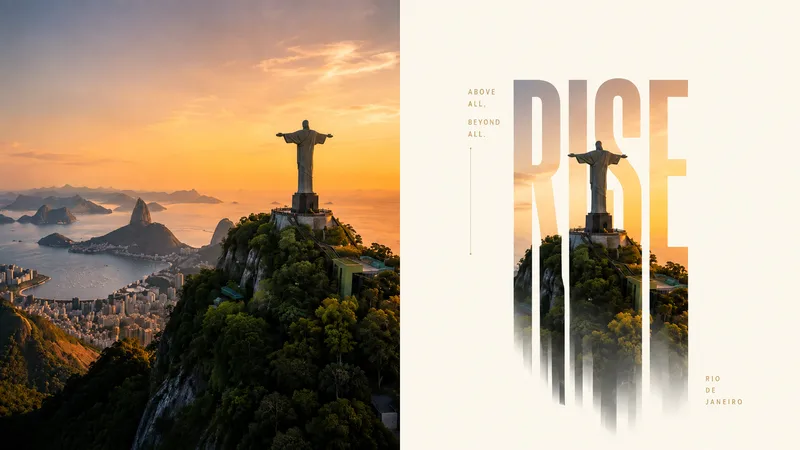
Suitable for organizing personal photography, independent publishing, exhibition studies, and lifestyle-oriented visual work. Even when the original composition is ordinary, the background is cluttered, or the subject is too small, you can reestablish a visual focus through subtraction, rearrangement, cropping, and changes in scale—rather than simply applying a filter to the photo. The lower section extracts only the most recognizable subject, outline, structure, pose, and narrative relationships from the photo. It then applies fresh artistic judgment to reconstruct them as a conceptual poster centered on type-as-image, type masks, and type–image fusion. Do not reproduce the photo in full or simply place the entire photo inside the text. Instead, remove most of the background and irrelevant information, retaining only the key visual memories so the subject remains clearly connected to the photo above.