Ink Rubbing P157 | xiaoxiaodong
By xiaoxiaodong
Ink Rubbing P157 | xiaoxiaodong
By xiaoxiaodong
Description
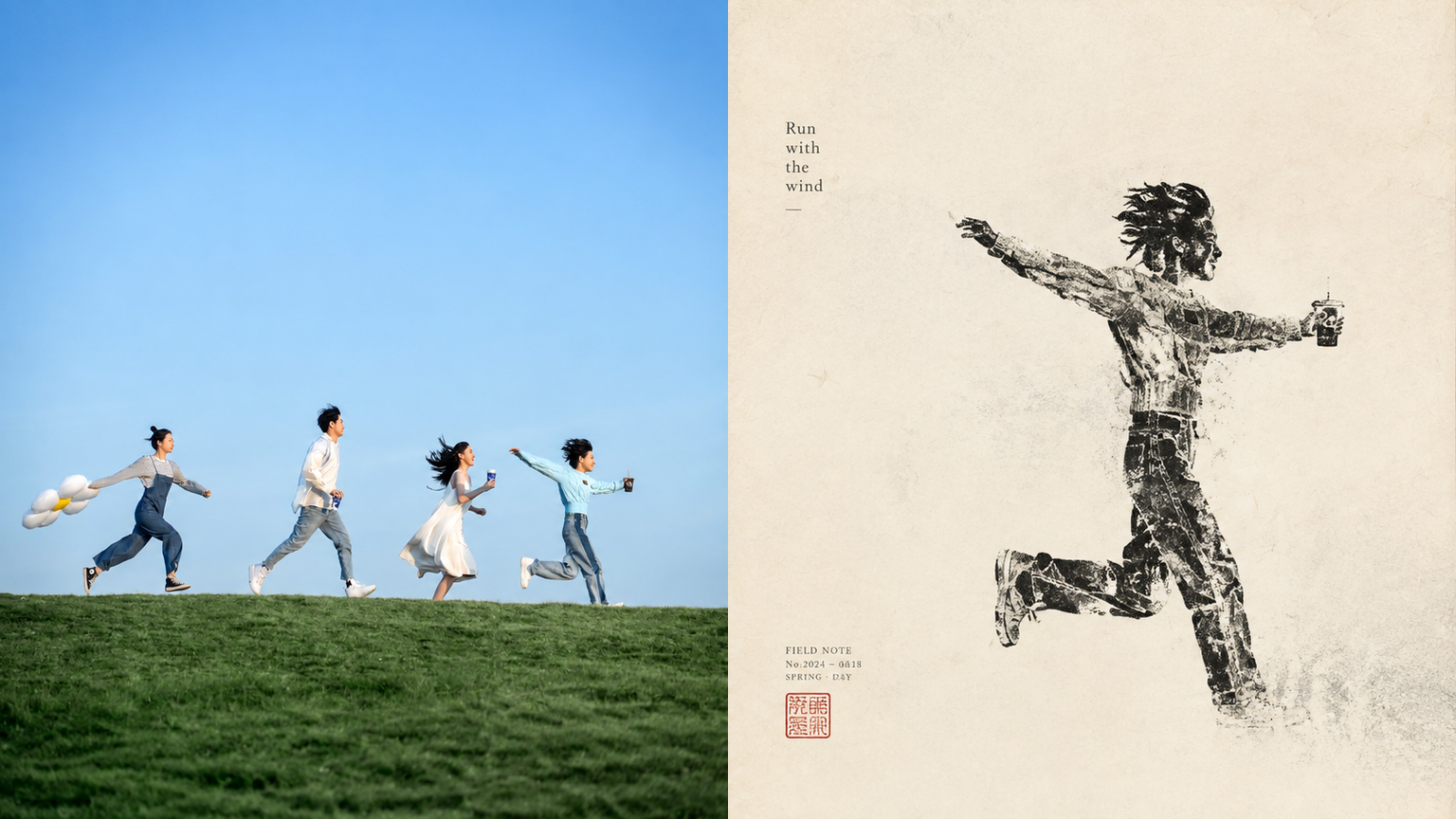
Suitable for organizing personal photography, independent publishing, exhibition exercises, and lifestyle visual creation. Even when the original composition is ordinary, the background is cluttered, or the subject is too small, you can reestablish a focal point through subtraction, rearrangement, cropping, and changes in scale instead of simply applying a filter to the photo. The lower section extracts only the most recognizable subjects, contours, structures, poses, and narrative relationships from the photo, reconstructing them as a visual style inspired by ancient Chinese artifact ink rubbings and archaeological rubbings. Do not reproduce the photo in full, retain every object, or create an ordinary black-and-white filter or traced line drawing. Actively remove irrelevant details, keeping only the structures, directions, and visual memory cues that best represent the original objects. Compress them into core forms resembling stone carvings, shallow reliefs, or ancient decorative motifs, then re-present them through the logic of traditional rubbing so viewers can immediately recognize their correspondence with the photo above.
Recommended by
淡苍
Why we love this skill
Transforms user photos into negative-space artworks with the character of artifact ink rubbings, preserving the ordered relationship between the original image and the creative section. Residual ink, wear, paper texture, and restrained focus create a sense of history, with finished outputs suited to wallpapers and varied compositions.
Showcase
1 / 4
Related Skills
View all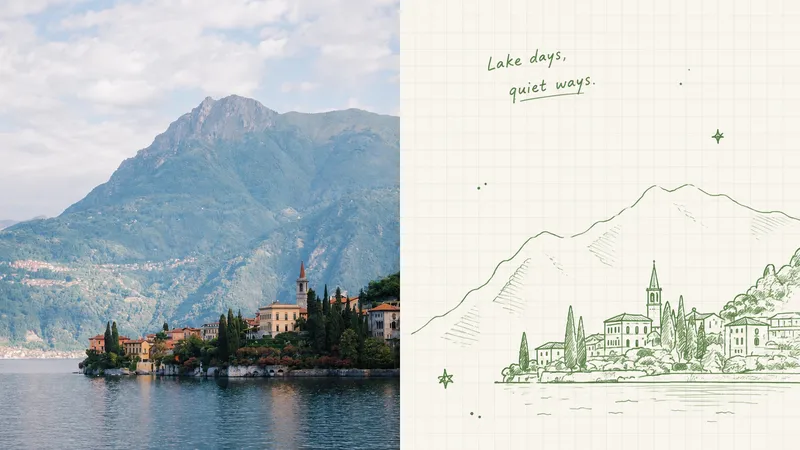 Image
Imagexiaoxiaodong P153 | Mono Doodle
Ideal for organizing personal photography, independent publishing, exhibition studies, and lifestyle visual creation. Even when the original composition is ordinary, the background is cluttered, or the subject is too small, you can reestablish the visual focus through reduction, rearrangement, cropping, and changes in scale—instead of simply applying a filter to the photo. The lower half extracts only the most recognizable subjects, outlines, structures, poses, and narrative relationships from the photo, reconstructing them as a monochrome hand-drawn doodle illustration / journal-style playful illustration. Do not fully reproduce the photo, retain every object, or redraw each item individually. Remove unrelated details and keep only the structures, visual flow, and visual cues that best represent the original, then reframe them with bold contour lines, continuous linework, flat monochrome fills, white space, and a few decorative symbols. The result should make the connection to the photo above immediately recognizable.
 Image
Imagexiaoxiaodong P132 Travel Sketch
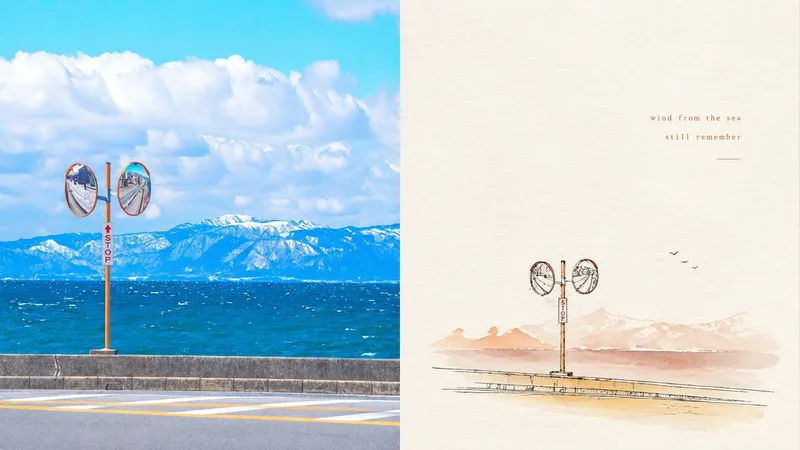
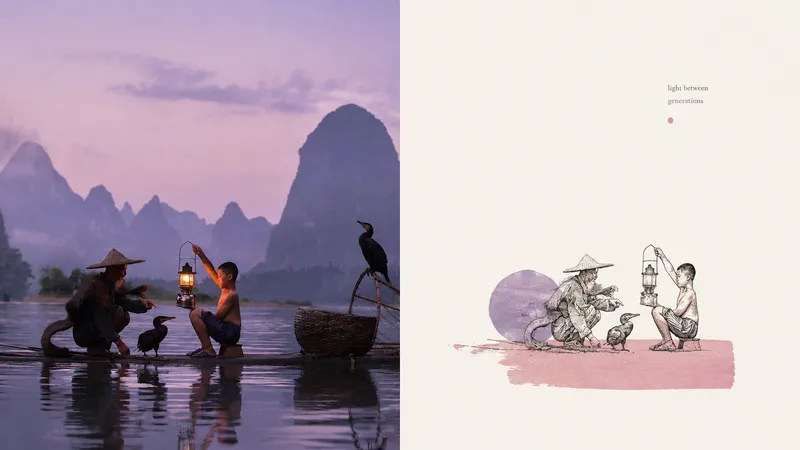
Suitable for organizing personal photography, independent publishing, exhibition practice, and lifestyle-focused visual creation. Even when the original photo has an ordinary composition, a cluttered background, or a small subject, you can reestablish its visual focus through subtraction, reorganization, cropping, and changes in scale—instead of simply applying a filter. The lower section extracts only the most recognizable subjects, contours, structures, poses, and narrative relationships from the photo, then reconstructs them as architectural and scene illustrations in a pen-and-ink watercolor style. Do not copy the photo in full, redraw every object individually, or retain all objects and background details. Remove most irrelevant details and keep only the structures, visual flow, and visual cues that best represent the original subject and theme, so the connection between the illustration and the photo above is immediately recognizable.
 Image
Imagexiaoxiaodong P137 Collage
Ideal for organizing personal photography, independent publishing, exhibition studies, and lifestyle-focused visual projects. Even when the original composition is ordinary, the background is cluttered, or the subject is too small, you can reestablish a focal point through reduction, recombination, cropping, and changes in scale—not by simply applying a filter. The lower section extracts only the most recognizable subjects, contours, structures, gestures, and narrative relationships from the photo, reconstructing them as retro etched-print linework combined with modern textured color-block collage. Do not preserve the complete scene or redraw every object individually. As a rule, remove the background, setting, decoration, and secondary objects entirely; retain only a very small number of supporting forms when they are genuinely necessary to the narrative, so the original subject remains instantly recognizable with minimal information.