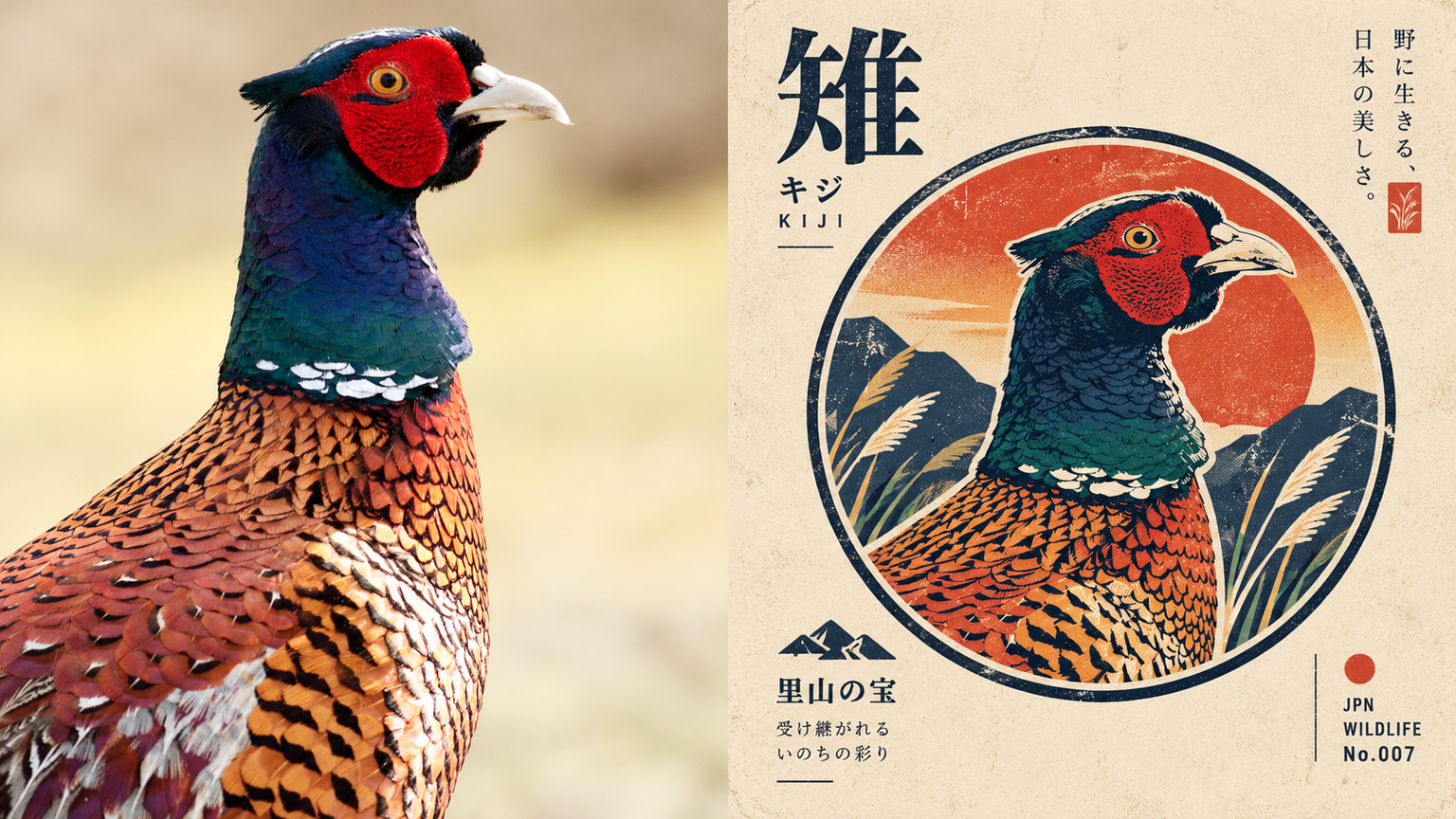
Scientific Badge | xiaoxiaodong P285
Created by xiaoxiaodong
Scientific Badge | xiaoxiaodong P285
Created by xiaoxiaodong
Showcase
Description
Ideal for turning an ordinary photo into a scientific badge worthy of a museum collection. The upper half shows the original image; the lower half compresses the subject into a bold, simplified silhouette with a few engraved lines, halftone dots, and uneven ink, like a graphic from an old stamp or aviation archive. The symbol is small, surrounded by generous negative space, with text formatted as a compact archive number or short label. Colors are vivid and dignified, reworked from the original image into deep blue, cosmic blue, warm red, orange-yellow, ivory, ink black, or teal green, with a sense of the print era. Avoid complete scenes, cinematic sci-fi, neon, modern commercial logos, muddy gray-muted palettes, and the feel of a tourist souvenir.
Recommended by
淡苍
Why we love this skill
Transforms photos into scientific archival badges with vintage print texture, combining simplified silhouettes, engraved lines, halftone dots, and uneven ink while maintaining a consistent visual identity.
Best for
For content creators and visual designers who want to turn photos into vintage scientific archive-style badges.
How to use this Skill
Provide your input
Provide a photo or image subject as the source material.
Run the Skill
Transform the source into an archival scientific badge composition, preserving the subject and adding a simplified silhouette, engraved lines, halftone dots, and a vintage print texture.
Review your result
Generate a savable PNG scientific badge image.
Related Skills
View all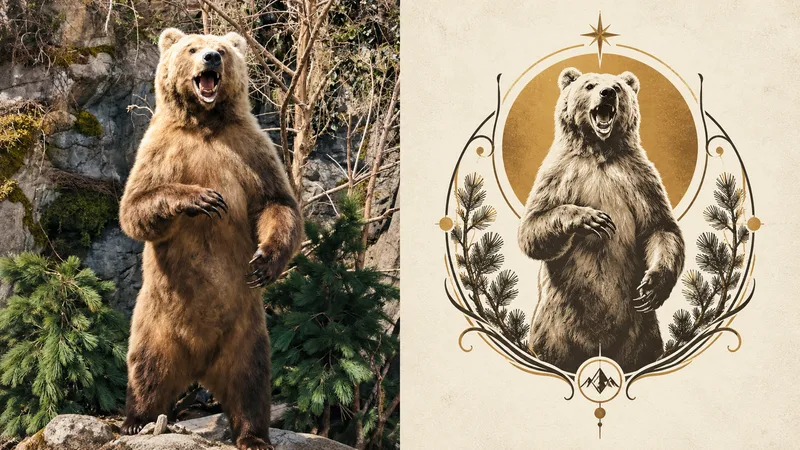 Image
ImageNouveau Badge · xiaoxiaodong
Ideal for turning an ordinary photo into a visual badge in the Art Nouveau style. The top half shows the original photo; the bottom compresses the subject into a sophisticated visual symbol, totem-like logo, or artistic badge with symbolic meaning. A standalone symbol is reconstructed using minimal lines, decorative curves, geometric structures, and symbolic elements. The subject resembles a carefully designed brand mark, with a small scale, generous negative space, and a strong visual focal point. The result is stable, balanced, and restrained. Use black, gray, warm white, or a low-saturation background, extracting just one of the original image’s most vibrant colors as the sole accent. Preserve delicate linework, a subtle printmaking feel, and paper texture. Avoid complete scenes, excessive botanical detail, generic logo templates, commercial icon styling, and cheap decoration.
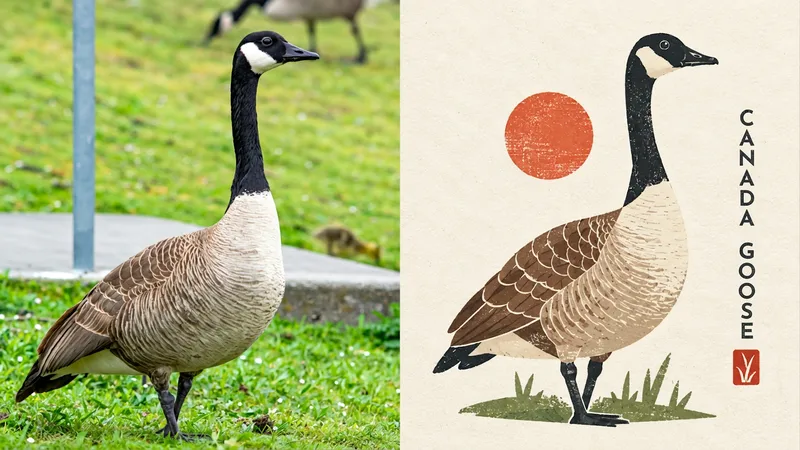
Cultural Silhouette|xiaoxiaodong P278
Turn an ordinary photo into a cultural emblem with a collectible feel. The upper half shows the original photo; the lower half compresses the subject into a memorable miniature identity system. Geometric simplification, paper-cut collage, flat color blocks, and symbolic forms create an abstract graphic reminiscent of a cultural institution mark, art badge, or design studio logo. The subject resembles a carefully designed miniature cultural seal, centered or slightly offset with clean space around it. Large areas of solid color, clear contours, and a few internal structure lines preserve a simulated print texture inspired by screen printing, Riso overprint misalignment, and uneven ink coverage. The palette uses warm ivory and beige paper as the background, with forest green, cobalt blue, soft yellow, and coral red shaping the subject. Avoid complex scenes, cartoon characters, commercial logo templates, and sleek corporate vector styling.
 Image
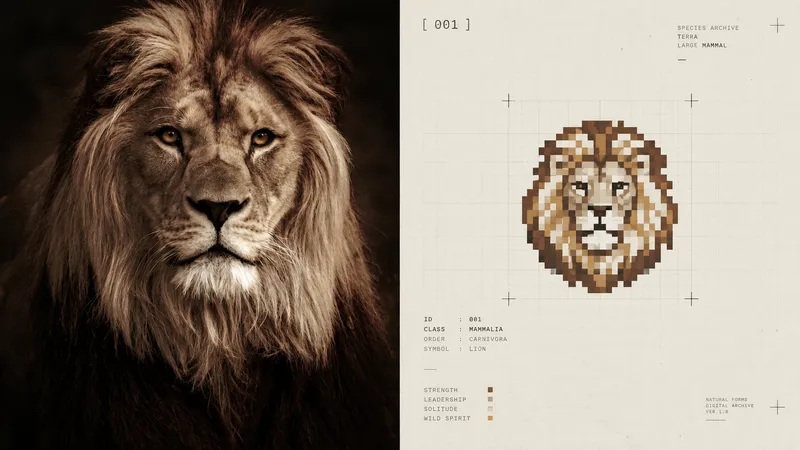
ImagePixel Specimen | xiaoxiaodong
Ideal for turning an ordinary photo into a small signal on an archival page. The original image appears on top; below it, the subject is distilled into an abstract pixel badge with a hard grid, minimal tonal levels, and almost no dithering—like a pixel specimen preserved in a collection book. The badge is very small, set in generous warm-white or light-gray negative space, with an optional tiny monospaced number beside it. The overall design uses low-saturation industrial neutrals, retaining only one sparse signal color derived from the original image. Avoid complete scenes, pixel illustrations, game interfaces, icon collections, nine-grid templates, noisy retro effects, and cheap tech aesthetics.
Information
- Version
- v3
- Last updated
- Runtime credits
- Usage-based
- Models
- Auto
- Use cases
- Images & design
- What you get
- Image
- Visual styles
- RetroFlatPrintmaking