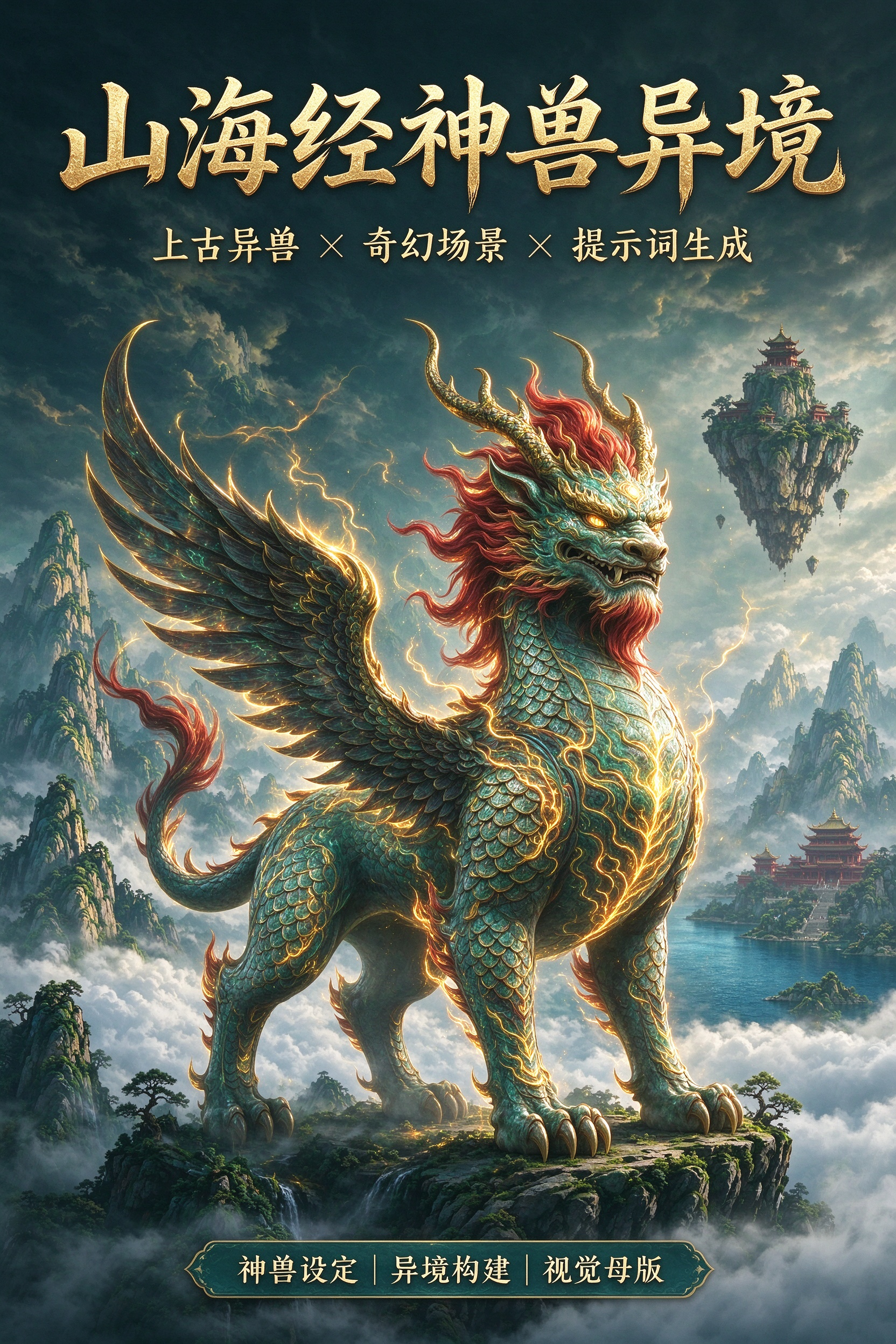
Classic of Mountains and Seas
Generate and refine Chinese style myth prompts
Classic of Mountains and Seas
Generate and refine Chinese style myth prompts
Showcase
Description
Transform a single scene concept into Classic of Mountains and Seas style mythological image prompts featuring moonlit sea of clouds, celestial palaces, and colossal beasts. Ideal for scenes like beasts descending, ancient people looking up, crowds watching ceremonies, solitary beast portraits, and scenic views. Beast anatomy, colors, and patterns are clearly described based on historical records or user settings to avoid western dragons or generic fantasy creatures. The visuals maintain the oriental textures, fine brushwork, cold-warm lighting, and epic feel of the reference images. Users can specify locations, times, weather, character counts, aspect ratios, and beast actions, or start with a vague idea to flesh out visual details. Outputs can include complete Midjourney English prompts, Chinese explanations, and negative constraints for beast form, character scale, moon disc, color temperature, and architectural style. Sets of prompts with consistent settings can also be generated when needed. For ImageGen, native Chinese prompts without Midjourney parameters are provided. After receiving images, you can refine beast count and structure, character scale, moon position, color, and oriental brushwork based on actual deviations to make subsequent prompts match your expectations.
Recommended by
Dancang
Why we love this skill
Combines textual descriptions from the Classic of Mountains and Seas with epic myth compositions like moonlit sea clouds and descending beasts to generate complete prompts from simple ideas or precisely fix visual discrepancies.
Best for
Ideal for creators looking to turn Classic of Mountains and Seas mythical beast concepts into Chinese style myth prompts.
How to use this Skill
Provide your input
Provide a brief idea of a mythical beast scene, and optionally include beast details, location, time of day, weather, character count, aspect ratio, or image deviations.
Run the Skill
Organizes the beast's anatomy, character scale, environment, lighting, and composition according to your settings, and refines existing image issues as needed.
Review your result
Receive complete image prompts suitable for generation tools, including Chinese explanations and constraints on beast structure, scale, color, and art style.
Related Skills
View all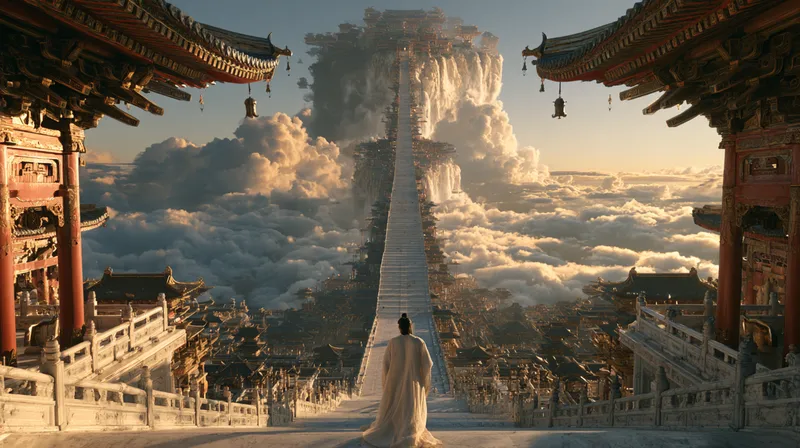 Image
Colossal Celestial Palace
Turn a Chinese scene concept into a Chinese colossal celestial-palace prompt ready for AI image generation. Preserve the number of people, their actions, key objects, location, era constraints, and mood so the image stays true to the original intent while gaining a grand Eastern sense of scale. Whether the scene features tea, music, meetings, banquets, or reading in a palace—or a celestial landscape of cloud seas, colossal pillars, moon gates, and supersized architecture—you get clear relationships between activities, coherent architectural logic, and layered depth between mountains, water, and empty space. The Skill defaults to a Chinese celestial-palace aesthetic inspired by white-jade-and-gold palaces and solitary cities above a sea of clouds. It combines traditional palace order, cinematic widescreen composition, low-angle golden light, and colors such as ivory white, cinnabar, antique gold, and blue-green. It adjusts character scale, viewpoint, lighting, and negative space to fit each scene. It will not let colossal scenery obscure the narrative actions you specify, and it avoids modern cities, neon sci-fi, cluttered text, and common problems with building or character generation. Each run provides a visual design brief, prompts tailored separately for ImageGen and Midjourney 8.2, and a few possible directions for adjustment. It is suited to concept development, storyboard planning, Chinese-style scene creation, celestial-palace architecture visualization, and optimizing Chinese image-generation prompts.
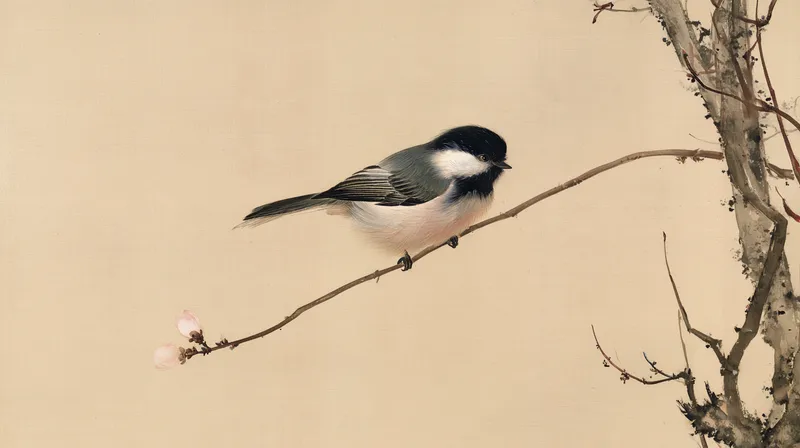
Gongbi Silk Bird & Flower
Turn a text concept or reference image into still-image prompts for Eastern gongbi-style bird-and-flower art with fine lines on a silk ground. Plan bird-and-flower, object, figure, or architectural scenes with greater consistency. The image uses a warm ivory silk ground with gray-green, pale pink, and small amounts of deep ink, along with fine continuous outlines, transparent washes, and generous negative space to create a light, refined, restrained composition with a traditional gongbi character. You will receive a clear Chinese composition description, along with matching prompts for Chinese ImageGen and English Midjourney. The number of subjects, actions, proportions, layout, color roles, and material rendering remain consistent, making it easier to create a single image or a unified series. Reference images can also help distinguish style, subject identity, and compositional function, and support targeted transfers across figure environments, bird-and-flower scenes, and object-based settings. This skill is suited to Eastern aesthetic illustration, classical bird-and-flower visuals, character and environment concept art, and still-image series creation. It is not intended for video production, card layout, or automatic image generation without an explicit request. For results that feel overly photographic or have overly heavy outlines, it can also suggest targeted adjustments to linework, washes, lighting and color, and the relationships among elements in the image.
 Image
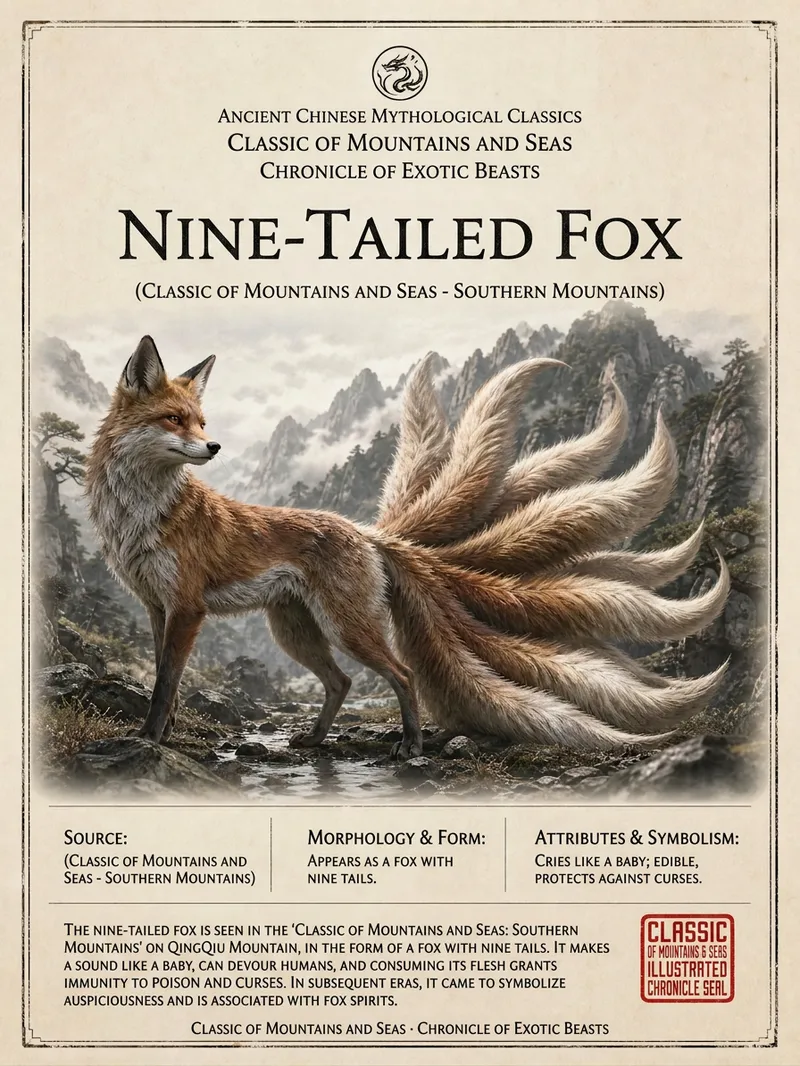
Shan Hai Jing Bestiary Cards
Turn beasts, strange birds, plants, deities, and other supernatural beings from the Shan Hai Jing (Classic of Mountains and Seas) into collectible, hyperreal Eastern natural history cards. Whether you provide a creature’s name, a passage from the original text, a custom theme, or a reference image, the Skill organizes its classical source, physical traits, and supernatural attributes into a clear design. If you provide only a name, it can also develop the visual concept directly from the original classic, with no additional explanation needed. Each finished card uses a 3:4 vertical collectible format with a consistent layout, aged ivory and blue-gray ink-black tones, antique paper texture, fine-line borders, seal stamps, and Chinese information panels. The featured creature is reconstructed with credible bones, muscles, skin, fur, feathers, or scales, then presented from an observational angle inspired by nature documentaries, with realistic weight, environmental lighting, and cinematic CG detail. The result avoids chibi, cartoon, and generic game-character illustration styles. The visual language draws from Shang and Zhou bronze vessels, classical book design, stone reliefs, jade artifacts, seal carving, and traditional natural history, without relying on clichéd xianxia or fantasy decoration. Each card brings together the creature’s name, source, appearance, traits, and a concise introduction, while clearly distinguishing original records from later cultural interpretations. It is suited to creating individual collectible images, a series of Shan Hai Jing bestiary cards, or an ongoing body of work built around the same aesthetic of ancient Eastern artifacts.
Information
- Version
- v2
- Last updated
- Runtime credits
- Usage-based
- Models
- Auto
- Use cases
- Images & design
- What you get
- Prompt
- Visual styles
- Traditional Chinese
