xiaoxiaodong P109 | Soft Geo
By xiaoxiaodong
xiaoxiaodong P109 | Soft Geo
By xiaoxiaodong
Description
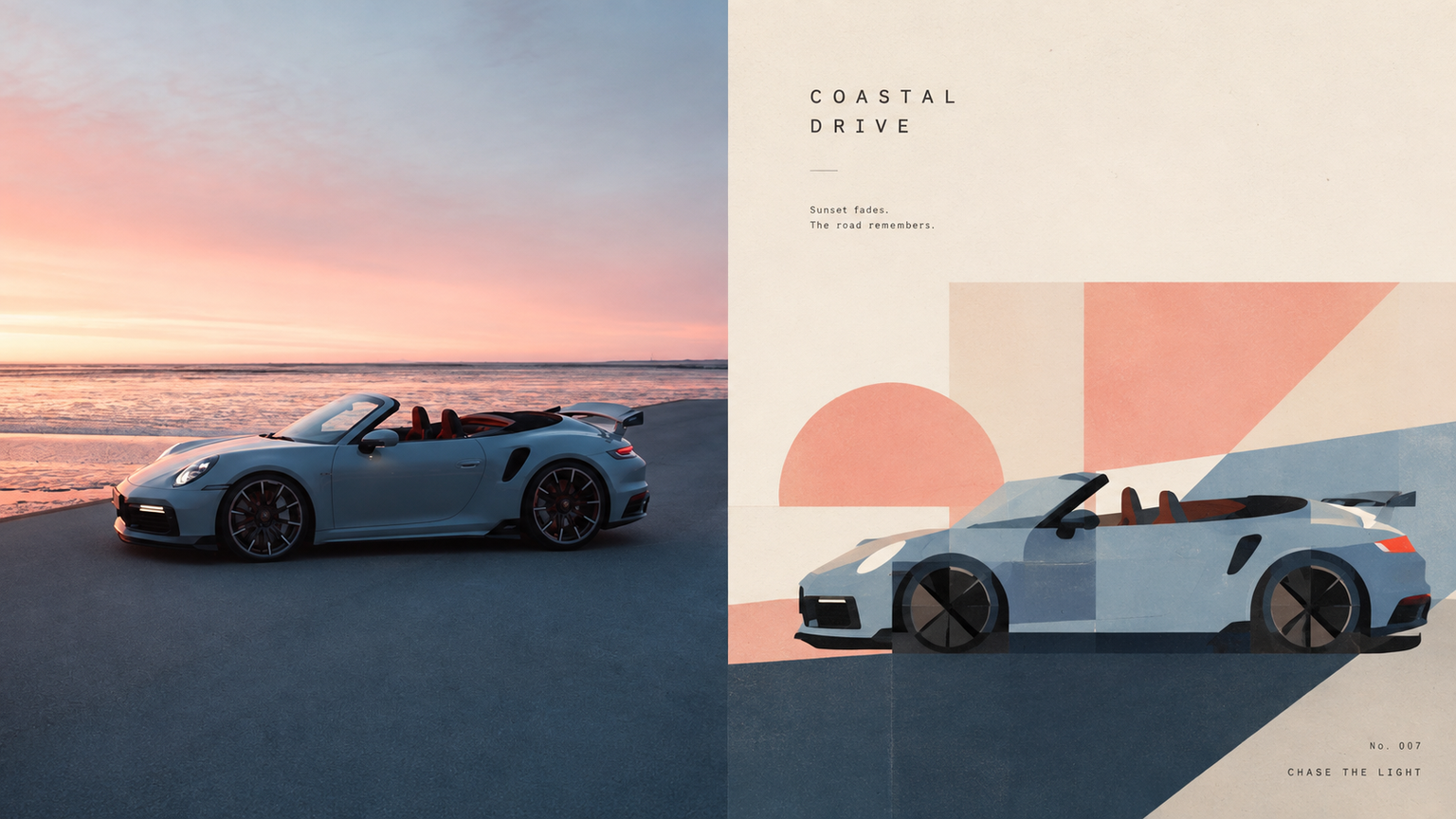
When a photo has a clear structure but feels overloaded with information, 109 reinterprets it using large, cohesive shapes: the real-world photo remains above, while a small number of rectangles, rounded blocks, ellipses, triangles, and irregular planes rebuild its geometric memory below—preserving identity without becoming a fragmented collage. Best for You want a modernist geometric poster, publication cover, or exhibition visual while preserving the recognizability of the original subject. You prefer large modules, flat color blocks, paper grain, and soft, sophisticated colors—not realistic rendering or cartoon styling. You need consistent output for top-and-bottom, left-and-right, design-only, wallpaper, multiple aspect ratios, and catalog batch processing. What it solves for you Reduces complex scenes to a small number of cohesive modules, avoiding fragmentation and a competing secondary focal point. Extracts 2–4 colors from the photo and organizes them into a timeless, warm, stylish color-block system. Keeps the two-zone logic consistent in every finished piece: a strict 50:50 split with no added third band. Quick check: Is Panel 109 right for you? What you get: One complete poster with a real photo on top and a large-scale geometric deconstruction below Key visual traits: A small number of cohesive geometric modules, soft sophisticated colors, paper grain, and editorial negative space How it respects the original: Preserves identity, structure, pose, and relationships; changes only the information density and organization
Recommended by
淡苍
Why we love this skill
Uses the original image as the sole creative source, organizing real photography and soft geometric deconstruction into a strict split composition with multiple layout, text, and wallpaper modes.
Showcase
1 / 4
Related Skills
View all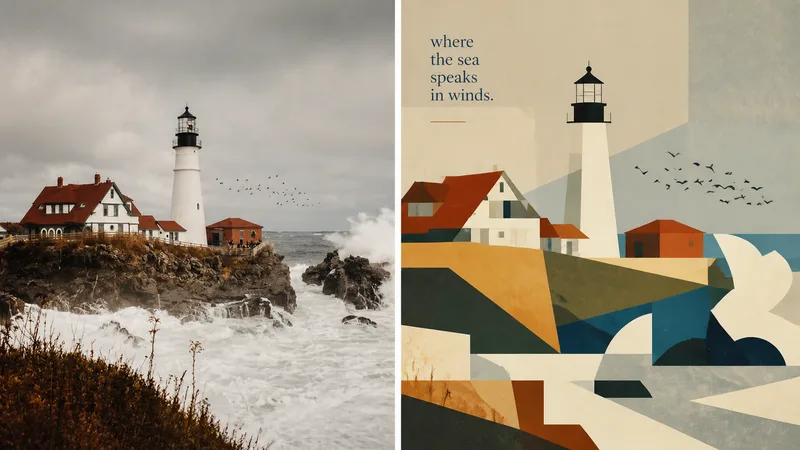
Xiaoxiaodong × Collage P093
Panel 093 preserves the subject, contours, pose, and narrative relationships from a photo, then distills them into rectangles, trapezoids, triangles, circles, and a small number of freeform planes. Space is created not through realistic perspective or complex shadows, but through occlusion, changes in scale, layered color blocks, and positional relationships. Bright colors, lightly hand-drawn edges, and a matte gouache texture give the result both the flatness of paper cutouts and the polish of an independent publication. Suitable for these situations Want to make a complex photo instantly readable: Merge repeated elements while preserving the key identity-defining features with as few shapes as possible. Need vivid yet sophisticated colors: Start with the brightest, most memorable colors in the original image, then reorganize them into a limited, clear palette of combined color blocks. Seeking a refined modernist simplicity: Use flat space, lightly irregular edges, and a matte gouache/acrylic finish to avoid a glossy vector look or template-like feel. Need flexible delivery: Supports top-to-bottom, left-to-right, design-only, multiple aspect ratios, and four-edge wallpapers, as well as batch processing for image directories.
 Image
Imagexiaoxiaodong P102 | Healing Geometry
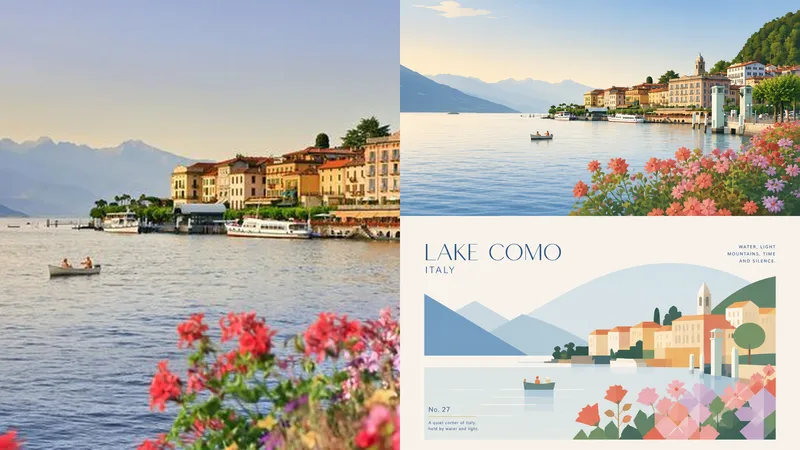
Panel 102 is for anyone who wants to keep the subject recognizable while moving away from cluttered backgrounds, realistic replication, and cheap-looking filters. It distills the subject’s most important contours, structure, pose, and relationships into a few geometric color blocks, creating a quiet, modern, and vibrant healing-style editorial poster with clear, open space. Great for these situations Too much information in the photo, and the subject doesn’t stand out: Keep only the most recognizable contours, structure, pose, and narrative relationships, and reduce them to clear geometric forms. Want a modern, premium look without feeling cold and rigid: Use positive and negative space, visual hierarchy, and generous white space to create a polished sense of order while preserving a soft, warm, healing quality. Common filters make colors look muddy, dark, or cheap: Extract bright, vibrant colors from the original image, increasing lightness and purity while avoiding a fluorescent or plastic look. Need flexible output options: Supports vertical, horizontal, design-only, multiple aspect ratios, and four-sided wallpaper formats, and can also process image directories in batches. Get started quickly Send an image to the Agent and say: Use XXD Panel 102 to process this image. First, recommend the most suitable composition and dimensions.
 Image
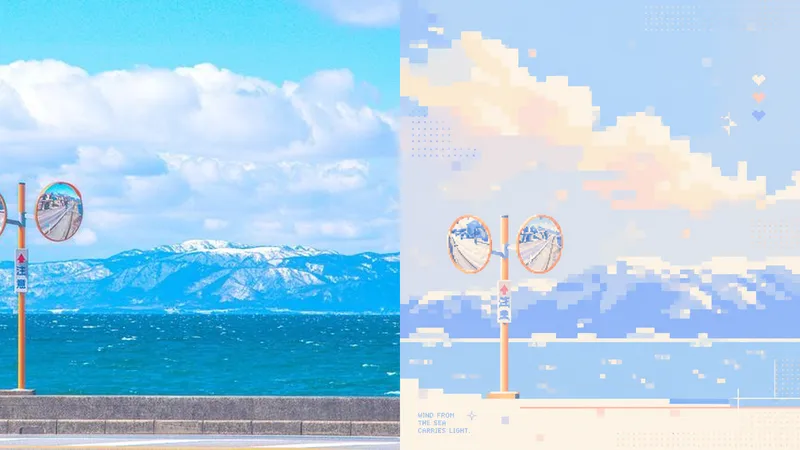
Imagexiaoxiaodong P106: Soft Pixel
Photos often contain too many details, yet what stays memorable may be just a silhouette, a gesture, a sense of distance, or a patch of color. Panel 106 selects 2–4 visual anchors that define the subject’s identity from the original image, then reconstructs them as a soft, clear pixel memory with geometric order: from a distance, it looks like a refined abstract composition; up close, you can still tell that it is your photo. Works well when Your photo is complex, but you don’t want to lose its identity: Remove secondary objects and trivial structures, keeping only the silhouettes, poses, directions, and color relationships that truly define the image. You want an abstract poster without turning it into unrecognizable decoration: Use a regular grid, hard-edged color blocks, localized dithering, and positive and negative space to let the subject gradually emerge from the abstract order. You like a fresh, soothing look but dislike a cheap candy-like feel: Recompose a soft, bright limited palette from the original image, using colors such as creamy white, peach pink, milky blue, and mint green for a sweet but balanced result. You need flexible delivery in a consistent style: Supports top-and-bottom comparisons, side-by-side comparisons, pure designs, multiple aspect ratios, four-device wallpapers, and batch processing of image folders. What it solves for you It does not simply shrink the photo, apply a filter, or pixelate each object individually. Instead, it reorganizes the visual memory directly from the original image in a single pass. The 2–4 anchors work together to form one single-focus image, rather than being split into cards, grids, or a collage wall. Comparison mode always has exactly two 50:50 areas: top-and-bottom places the original image on top and the design below; side-by-side places the original on the left and the design on the right, with no extra third strip. Get started quickly Use XXD Panel 106 to process this image for me, starting by recommending the most suitable composition and size.