名言引用卡片
从文本生成凸版印刷风格的引文卡片。支持多语言。
描述
为什么我们推荐这个技能
将文本和文章转化为优雅的活版印刷名言卡片。其独特的复古美学结合半色调山景与专门的多语言排版,为你最有影响力的见解打造精致、印刷品质的视觉作品。
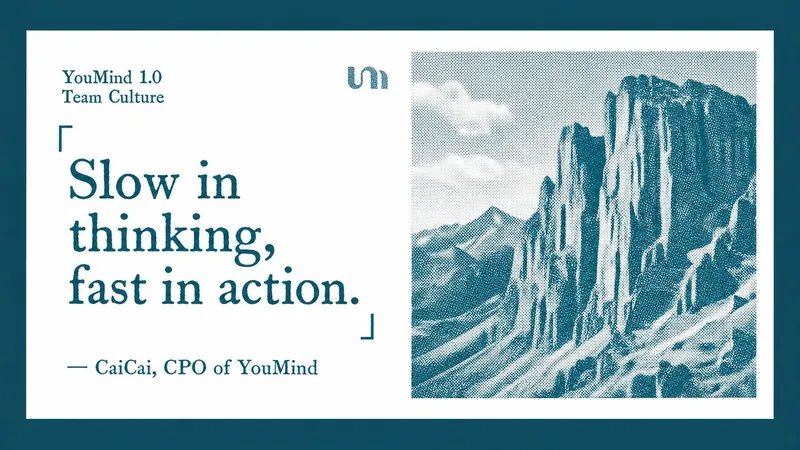
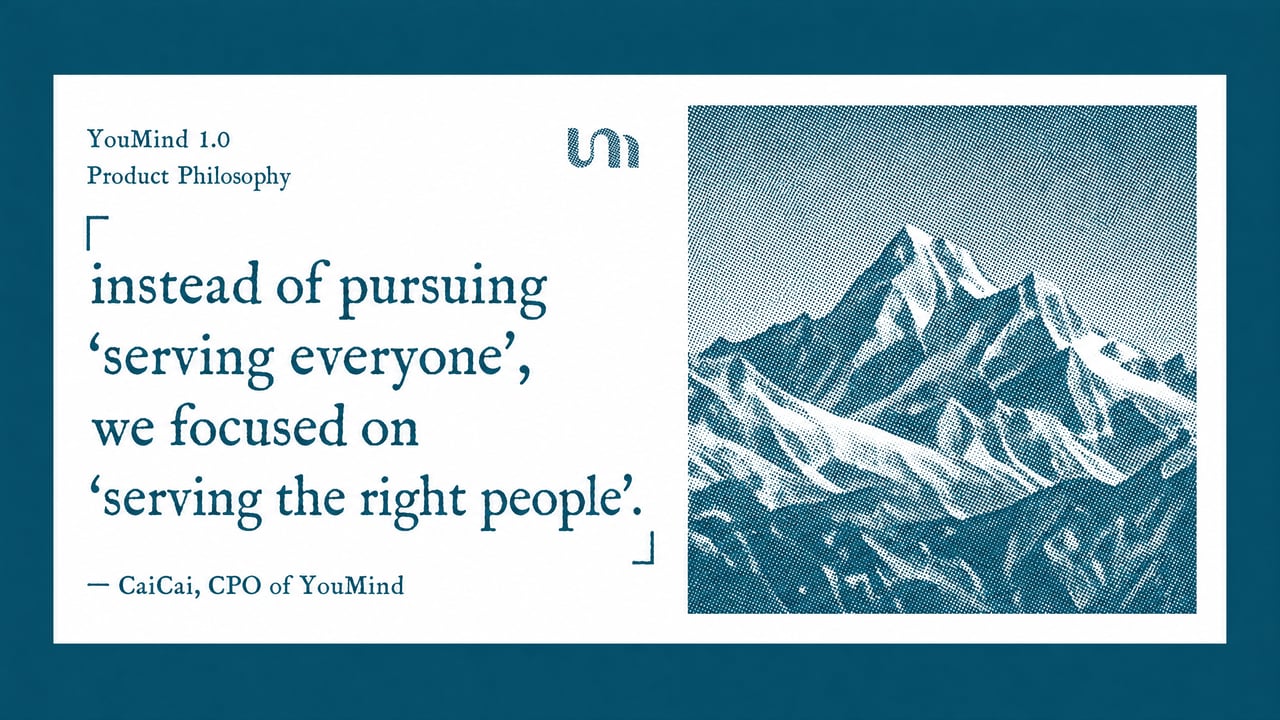
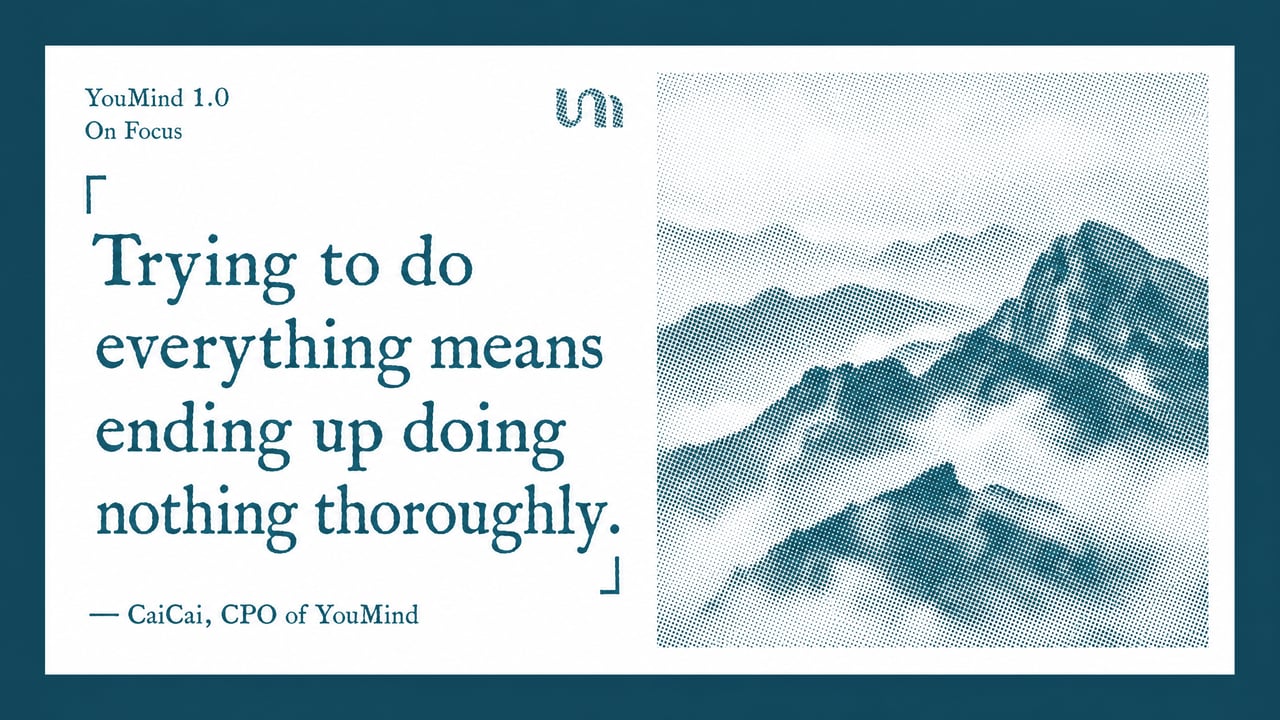
将您最喜爱的名言和富有洞见的段落转化为精美制作的凸版印刷风格卡片。此技能擅长从您提供的任何文章文本、网页URL或文档中提取“金句”,然后生成一系列优雅的横向名言卡片,具有复古印刷美学。 每张卡片采用纯白背景,左侧展示您选定的名言,并呈现真实的凸版印刷瑕疵,如墨迹空白和不均匀的笔画。右侧是一幅独特的半调风景照片——从雾霭弥漫的山脊到白雪皑皑的山峰——增添了一丝自然宁静,并全部染上精致的点缀色。 无论您是从长篇报告中整理智慧,还是从在线文章中提炼关键要点,此工具都能确保每张卡片保持统一、精致的设计。它会将每张生成的名言卡片巧妙地放回您文档中的原始上下文,或放入新创建的文章中,让您轻松分享或重新审视这些深刻的思想,并具有永恒的视觉吸引力。
相关技能
查看全部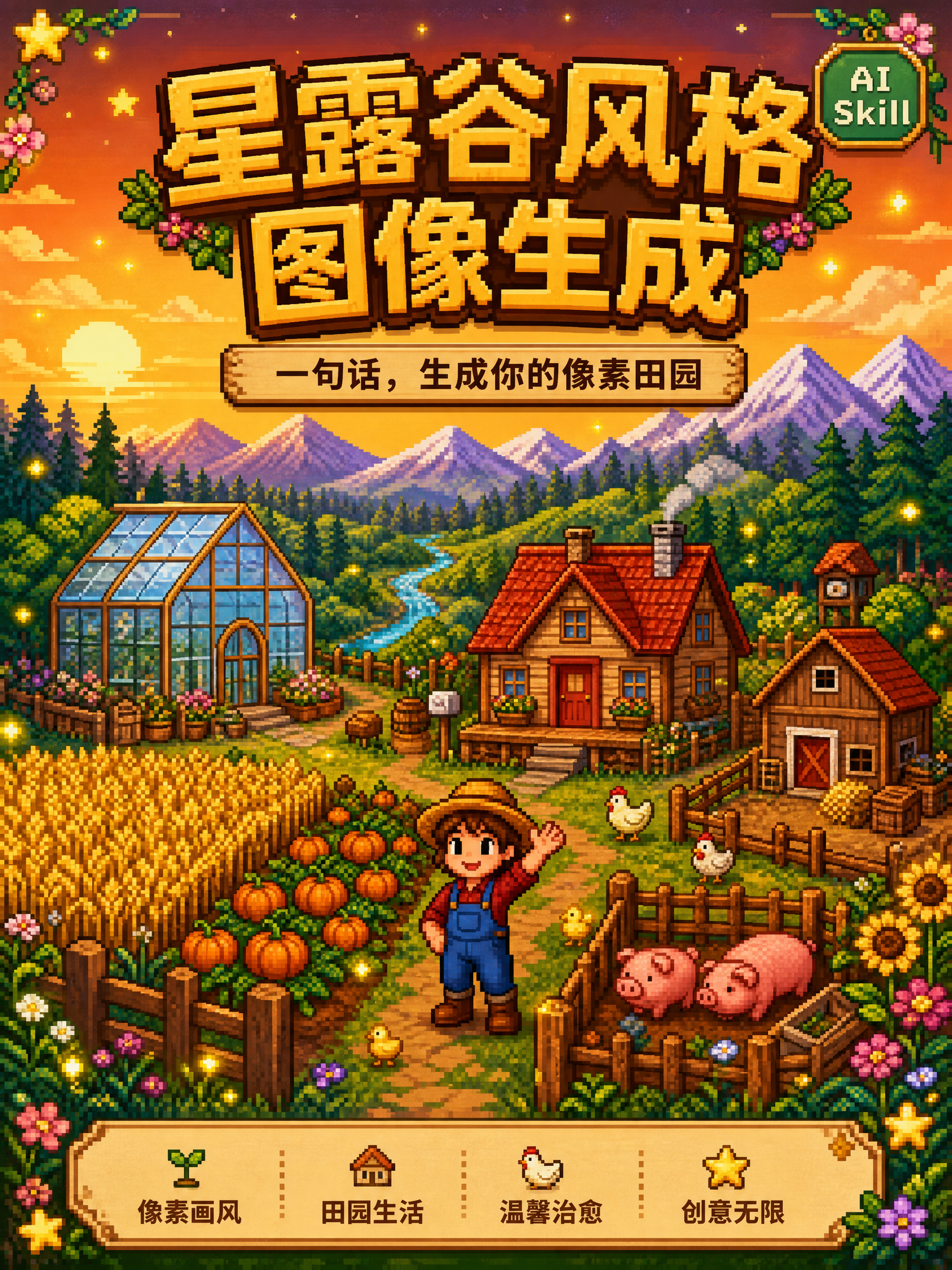 图片
图片星露谷风格图像生成
用户上传一张图片,快速生成星露谷(Stardew Valley)像素艺术风格的图像。自适应支持单张正面像、正面+经典动作多张及自定义需求,背景可选纯色或星露谷田园场景。
 图片
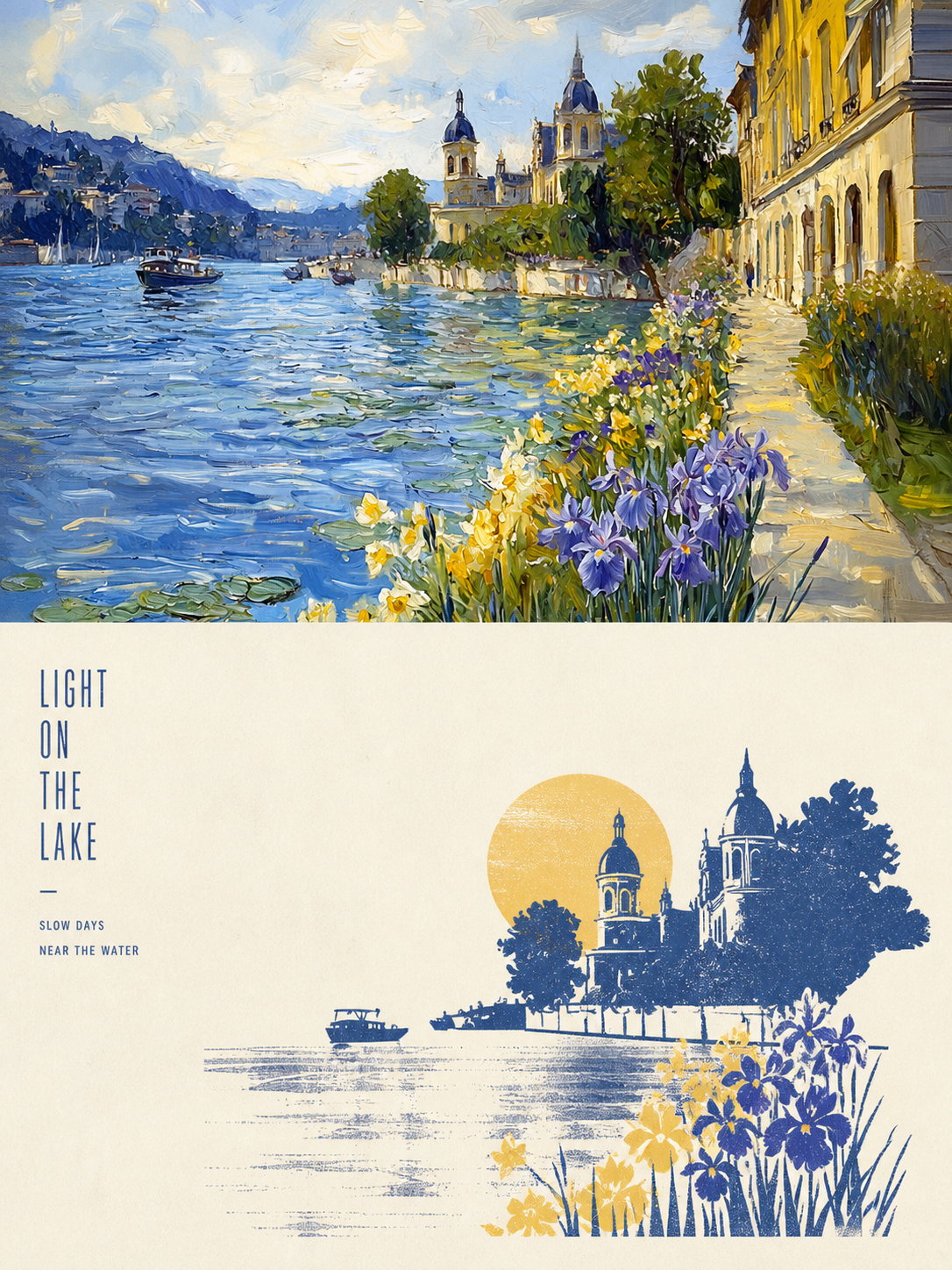
图片小小东 x 丝网 x 版画 x P086
Panel 086 只留下 3–5 个决定画面成立的视觉信息,以剪影、几何形和简洁色块重新塑造主体,再用 2–4 种源自照片的专色、dry-brush、brayer texture、dragged ink、broken ink 与 uneven coverage 形成中世纪现代主义丝网版画。构图始终追求一个明确焦点、一个主要方向和一片有意义的空白。 适合这些情况 希望照片更有视觉秩序: 只保留 3–5 个关键视觉信息,用剪影、几何形与色块建立明确焦点。 想要真实版画触感: 让干刷、滚墨、横向拖墨、飞白、断墨与不均匀覆盖成为画面语言。 希望颜色鲜明但克制: 将原图最有生命力的关系压缩为 2–4 种专色,并让纸基与留白真正参与构图。 需要灵活交付: 支持上下、左右、纯设计、多比例和四端壁纸,也能批量处理图片目录。
 图片
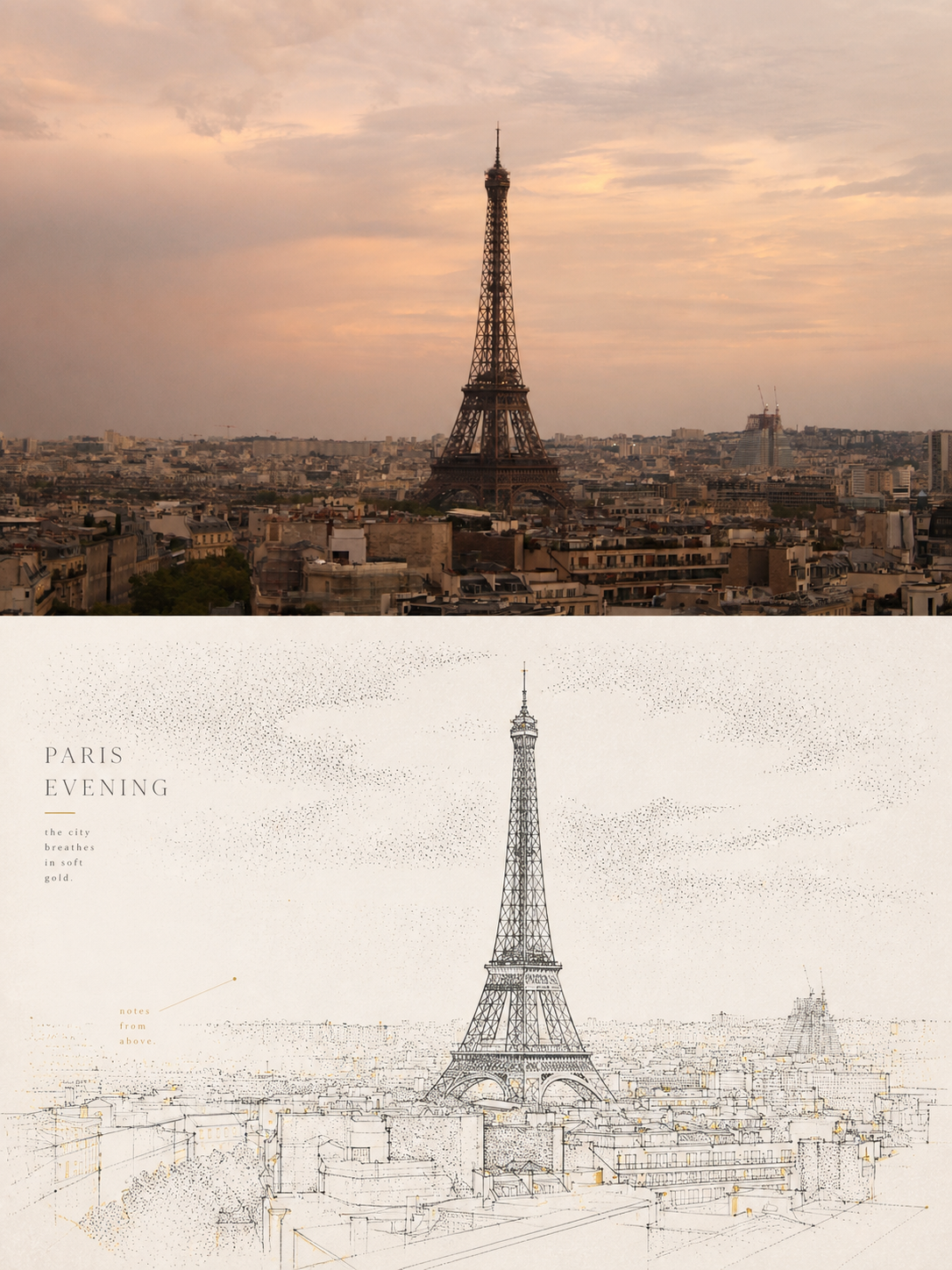
图片小小东 x 线描 x 点描 x P084
Panel 084 用黑色或深色细线提炼主体、建筑、道路与空间关系,以竖线、横线、折线、弧线和透视引导线建立几何骨架;再用 stippling/dotted texture 的疏密变化塑造天空、地面、远景、树影、灯光与主体周围的空气层次。复杂背景被主动删减,留下清楚焦点、大面积留白与少量来源明确的强调色。 适合这些情况 城市、建筑与空间关系需要被看清: 用几何细线、透视引导线和关键轮廓提炼道路、建筑与场景结构。 想表现空气、光和景深而不铺满纹理: 通过 stippling/dotted texture 的疏密渐变塑造安静层次。 偏爱克制的限制色: 以蓝灰、米白、暖白为主,只让少量来自原图的 spot color 点亮焦点。 需要灵活交付: 支持上下、左右、纯设计、多比例和四端壁纸,也能批量处理图片目录。
名言引用卡片
从文本生成凸版印刷风格的引文卡片。支持多语言。
描述
为什么我们推荐这个技能
将文本和文章转化为优雅的活版印刷名言卡片。其独特的复古美学结合半色调山景与专门的多语言排版,为你最有影响力的见解打造精致、印刷品质的视觉作品。
将您最喜爱的名言和富有洞见的段落转化为精美制作的凸版印刷风格卡片。此技能擅长从您提供的任何文章文本、网页URL或文档中提取“金句”,然后生成一系列优雅的横向名言卡片,具有复古印刷美学。 每张卡片采用纯白背景,左侧展示您选定的名言,并呈现真实的凸版印刷瑕疵,如墨迹空白和不均匀的笔画。右侧是一幅独特的半调风景照片——从雾霭弥漫的山脊到白雪皑皑的山峰——增添了一丝自然宁静,并全部染上精致的点缀色。 无论您是从长篇报告中整理智慧,还是从在线文章中提炼关键要点,此工具都能确保每张卡片保持统一、精致的设计。它会将每张生成的名言卡片巧妙地放回您文档中的原始上下文,或放入新创建的文章中,让您轻松分享或重新审视这些深刻的思想,并具有永恒的视觉吸引力。
相关技能
查看全部图片星露谷风格图像生成
用户上传一张图片,快速生成星露谷(Stardew Valley)像素艺术风格的图像。自适应支持单张正面像、正面+经典动作多张及自定义需求,背景可选纯色或星露谷田园场景。
图片小小东 x 丝网 x 版画 x P086
Panel 086 只留下 3–5 个决定画面成立的视觉信息,以剪影、几何形和简洁色块重新塑造主体,再用 2–4 种源自照片的专色、dry-brush、brayer texture、dragged ink、broken ink 与 uneven coverage 形成中世纪现代主义丝网版画。构图始终追求一个明确焦点、一个主要方向和一片有意义的空白。 适合这些情况 希望照片更有视觉秩序: 只保留 3–5 个关键视觉信息,用剪影、几何形与色块建立明确焦点。 想要真实版画触感: 让干刷、滚墨、横向拖墨、飞白、断墨与不均匀覆盖成为画面语言。 希望颜色鲜明但克制: 将原图最有生命力的关系压缩为 2–4 种专色,并让纸基与留白真正参与构图。 需要灵活交付: 支持上下、左右、纯设计、多比例和四端壁纸,也能批量处理图片目录。
图片小小东 x 线描 x 点描 x P084
Panel 084 用黑色或深色细线提炼主体、建筑、道路与空间关系,以竖线、横线、折线、弧线和透视引导线建立几何骨架;再用 stippling/dotted texture 的疏密变化塑造天空、地面、远景、树影、灯光与主体周围的空气层次。复杂背景被主动删减,留下清楚焦点、大面积留白与少量来源明确的强调色。 适合这些情况 城市、建筑与空间关系需要被看清: 用几何细线、透视引导线和关键轮廓提炼道路、建筑与场景结构。 想表现空气、光和景深而不铺满纹理: 通过 stippling/dotted texture 的疏密渐变塑造安静层次。 偏爱克制的限制色: 以蓝灰、米白、暖白为主,只让少量来自原图的 spot color 点亮焦点。 需要灵活交付: 支持上下、左右、纯设计、多比例和四端壁纸,也能批量处理图片目录。
发现下一个适合你的技能
继续探索更多精选 AI 技能,用于研究、创作和日常工作。