
สามขั้นแยก: เข้าใจบทความ
รู้จักองค์ประกอบ • เข้าใจวงเล็ก • ควบคุมวงใหญ่
คำอธิบาย
เหตุผลที่เราแนะนำทักษะนี้
ทักษะนี้ใช้ 'วิธีการแยกวิเคราะห์สามองค์ประกอบ' ที่เป็นเอกลักษณ์ในการวิเคราะห์บทความวิชาการอย่างลึกซึ้ง ตั้งแต่การระบุองค์ประกอบไปจนถึงวงจรย่อยและวงจรใหญ่ นอกจากนี้ยังมีโหมดการสอนแบบโต้ตอบ ช่วยให้คุณเข้าใจบทความอย่างแท้จริง และพัฒนาความคิดเชิงวิพากษ์
ใช้วิธีการวิเคราะห์สามขั้นตอน 'รู้จักองค์ประกอบ - เข้าใจวงเล็ก - ควบคุมวงใหญ่' เพื่อแยกโครงสร้างการโต้แย้งของบทความใดๆ โดยอัตโนมัติหรือแบบโต้ตอบ พร้อมเทมเพลต AI Prompt 14 แบบ เหมาะสำหรับผู้อ่านวิชาการทุกคน
ทักษะที่เกี่ยวข้อง
ดูทั้งหมด วิจัย
วิจัยถอดรหัสเจาะลึกบทความวารสารหลัก
อ่านบทความทางวิชาการที่ผู้ใช้ให้มาอย่างละเอียด ผ่านกระบวนการ 3 ขั้นตอน 'การระบุกระบวนทัศน์ → การแยกโครงสร้าง → การสกัดแม่แบบ' เพื่อสร้างรายงานการถอดรหัสเชิงลึกที่ประกอบด้วยแผนภาพตรรกะการโต้แย้ง คลังแม่แบบการเขียน และความคิดเห็นตรวจสอบอย่างมีวิจารณญาณ
อ่านงานวิจัย 3 ขั้นตอนเข้าใจง่าย
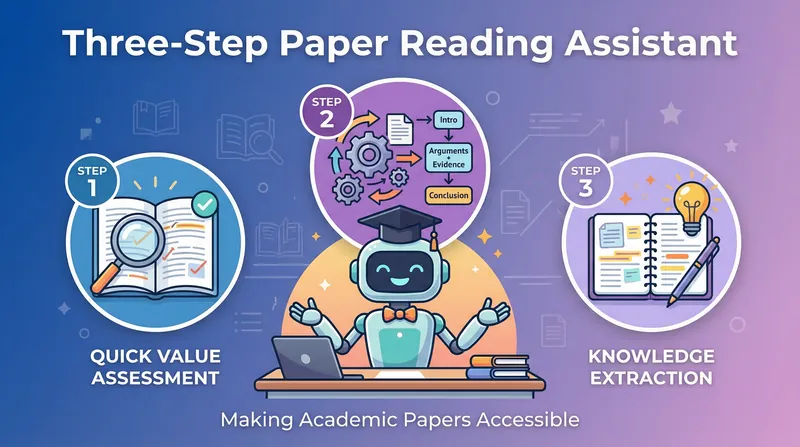
ช่วยให้ผู้ที่ไม่ใช่ผู้เชี่ยวชาญเข้าใจบทความทางวิชาการด้วยวิธีการอ่าน 3 ขั้นตอน ออกแบบตามแนวคิด 'การอ่านสามรอบ' ใช้การโต้ตอบแบบสนทนา รองรับการถามคำถามตลอดเวลา เพื่อให้คนนอกสาขาสามารถอ่านเอกสารทางวิชาการที่ซับซ้อนได้ ขั้นที่หนึ่ง: จับแนวคิดหลัก ประเมินคุณค่าของบทความอย่างรวดเร็ว ขั้นที่สอง: แยกแยะตรรกะหลักของข้อโต้แย้ง ขั้นที่สาม: สกัดประเด็นสำคัญและเลือกสร้างบันทึกส่วนตัวได้
 เขียน
เขียนเครื่องมือเขียนบทความวารสาร
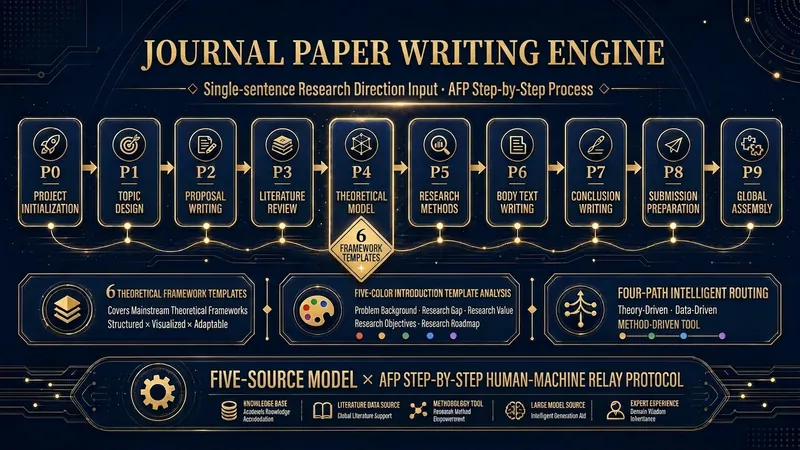
ป้อนหัวข้อวิจัยเพียงหนึ่งประโยค ระบบ AFP จะนำคุณทีละขั้นตอนจนครบทุกกระบวนการ P1 การออกแบบหัวข้อ — ทฤษฎี Davis ที่น่าสนใจ + วิธี Problematization 5 ระดับ เพื่อกลั่นกรองปัญหาจริงจากปรากฏการณ์ P2 การเขียนบทนำ — วิเคราะห์แม่แบบ 5 สี แยกย่อหน้าเลียนแบบวารสารชั้นนำ ตั้งแต่การดึงดูดอารมณ์ → ช่องว่างความรู้ → ตำแหน่งใน文献 → พื้นที่วิจัย → การประกาศคุณค่า พร้อมคำสั่งวิเคราะห์ในตัว P3 การทบทวน文献 — จัดระเบียบโครงสร้าง แยกแยะแนวทางการวิจัยและคู่สนทนา P4 กรอบทฤษฎี — แม่แบบบูรณาการ 6 ชุดในตัว (เสริม·เปรียบเทียบ·เชื่อม·ลำดับชั้น·วิวัฒนาการ·ทั่วไป) แต่ละชุดประกอบด้วย 6 ย่อหน้า: บทนำ→เหตุผล→จัดระเบียบ→สมมติฐาน→วิเคราะห์→สรุป พร้อมโครงสร้างประโยคเจาะลึก 5 ระดับสำหรับทฤษฎีเดี่ยว P5 วิธีวิจัย — ปรับกลยุทธ์อัตโนมัติตาม 4 เส้นทาง: เชิงประจักษ์ปริมาณ/เชิงคุณภาพ/วิพากษ์/ผสม P6 การเขียนเนื้อหา — โครงสร้างพีระมิด 9-3-1 P7 การเขียนบทสรุป — ประมวลผล 3 ระดับ: ค้นพบ→สนทนา→ขยายผล P8 เตรียมส่งตีพิมพ์ — 8 วิธีลดอัตรา AI P9 ประกอบร่าง — รวมเอกสารแต่ละส่วนเป็นร่างแรกที่สมบูรณ์ รองรับการย้อนกลับข้ามบท การหยุดชะงักและวนซ้ำได้ตลอด 🎯 เหมาะสำหรับ: นักศึกษาปริญญาโท-เอกและนักวิจัยรุ่นใหม่ที่ต้องการตีพิมพ์ในวารสาร C/核心/SSCI โดยเฉพาะผู้ที่ติดขัดเรื่องกรอบทฤษฎีและการเขียนบทนำ ⚙️ สถาปัตยกรรมพื้นฐาน: 五源模型 × โปรโตคอลการทำงานร่วมกัน AFP แบบขั้นตอน สัญญาณหัวใจ + จุดบังคับหยุด + การตรวจสอบสองแกน
สามขั้นแยก: เข้าใจบทความ
รู้จักองค์ประกอบ • เข้าใจวงเล็ก • ควบคุมวงใหญ่
คำอธิบาย
เหตุผลที่เราแนะนำทักษะนี้
ทักษะนี้ใช้ 'วิธีการแยกวิเคราะห์สามองค์ประกอบ' ที่เป็นเอกลักษณ์ในการวิเคราะห์บทความวิชาการอย่างลึกซึ้ง ตั้งแต่การระบุองค์ประกอบไปจนถึงวงจรย่อยและวงจรใหญ่ นอกจากนี้ยังมีโหมดการสอนแบบโต้ตอบ ช่วยให้คุณเข้าใจบทความอย่างแท้จริง และพัฒนาความคิดเชิงวิพากษ์
ใช้วิธีการวิเคราะห์สามขั้นตอน 'รู้จักองค์ประกอบ - เข้าใจวงเล็ก - ควบคุมวงใหญ่' เพื่อแยกโครงสร้างการโต้แย้งของบทความใดๆ โดยอัตโนมัติหรือแบบโต้ตอบ พร้อมเทมเพลต AI Prompt 14 แบบ เหมาะสำหรับผู้อ่านวิชาการทุกคน
ทักษะที่เกี่ยวข้อง
ดูทั้งหมดวิจัยถอดรหัสเจาะลึกบทความวารสารหลัก
อ่านบทความทางวิชาการที่ผู้ใช้ให้มาอย่างละเอียด ผ่านกระบวนการ 3 ขั้นตอน 'การระบุกระบวนทัศน์ → การแยกโครงสร้าง → การสกัดแม่แบบ' เพื่อสร้างรายงานการถอดรหัสเชิงลึกที่ประกอบด้วยแผนภาพตรรกะการโต้แย้ง คลังแม่แบบการเขียน และความคิดเห็นตรวจสอบอย่างมีวิจารณญาณ
อ่านงานวิจัย 3 ขั้นตอนเข้าใจง่าย
ช่วยให้ผู้ที่ไม่ใช่ผู้เชี่ยวชาญเข้าใจบทความทางวิชาการด้วยวิธีการอ่าน 3 ขั้นตอน ออกแบบตามแนวคิด 'การอ่านสามรอบ' ใช้การโต้ตอบแบบสนทนา รองรับการถามคำถามตลอดเวลา เพื่อให้คนนอกสาขาสามารถอ่านเอกสารทางวิชาการที่ซับซ้อนได้ ขั้นที่หนึ่ง: จับแนวคิดหลัก ประเมินคุณค่าของบทความอย่างรวดเร็ว ขั้นที่สอง: แยกแยะตรรกะหลักของข้อโต้แย้ง ขั้นที่สาม: สกัดประเด็นสำคัญและเลือกสร้างบันทึกส่วนตัวได้
เขียนเครื่องมือเขียนบทความวารสาร
ป้อนหัวข้อวิจัยเพียงหนึ่งประโยค ระบบ AFP จะนำคุณทีละขั้นตอนจนครบทุกกระบวนการ P1 การออกแบบหัวข้อ — ทฤษฎี Davis ที่น่าสนใจ + วิธี Problematization 5 ระดับ เพื่อกลั่นกรองปัญหาจริงจากปรากฏการณ์ P2 การเขียนบทนำ — วิเคราะห์แม่แบบ 5 สี แยกย่อหน้าเลียนแบบวารสารชั้นนำ ตั้งแต่การดึงดูดอารมณ์ → ช่องว่างความรู้ → ตำแหน่งใน文献 → พื้นที่วิจัย → การประกาศคุณค่า พร้อมคำสั่งวิเคราะห์ในตัว P3 การทบทวน文献 — จัดระเบียบโครงสร้าง แยกแยะแนวทางการวิจัยและคู่สนทนา P4 กรอบทฤษฎี — แม่แบบบูรณาการ 6 ชุดในตัว (เสริม·เปรียบเทียบ·เชื่อม·ลำดับชั้น·วิวัฒนาการ·ทั่วไป) แต่ละชุดประกอบด้วย 6 ย่อหน้า: บทนำ→เหตุผล→จัดระเบียบ→สมมติฐาน→วิเคราะห์→สรุป พร้อมโครงสร้างประโยคเจาะลึก 5 ระดับสำหรับทฤษฎีเดี่ยว P5 วิธีวิจัย — ปรับกลยุทธ์อัตโนมัติตาม 4 เส้นทาง: เชิงประจักษ์ปริมาณ/เชิงคุณภาพ/วิพากษ์/ผสม P6 การเขียนเนื้อหา — โครงสร้างพีระมิด 9-3-1 P7 การเขียนบทสรุป — ประมวลผล 3 ระดับ: ค้นพบ→สนทนา→ขยายผล P8 เตรียมส่งตีพิมพ์ — 8 วิธีลดอัตรา AI P9 ประกอบร่าง — รวมเอกสารแต่ละส่วนเป็นร่างแรกที่สมบูรณ์ รองรับการย้อนกลับข้ามบท การหยุดชะงักและวนซ้ำได้ตลอด 🎯 เหมาะสำหรับ: นักศึกษาปริญญาโท-เอกและนักวิจัยรุ่นใหม่ที่ต้องการตีพิมพ์ในวารสาร C/核心/SSCI โดยเฉพาะผู้ที่ติดขัดเรื่องกรอบทฤษฎีและการเขียนบทนำ ⚙️ สถาปัตยกรรมพื้นฐาน: 五源模型 × โปรโตคอลการทำงานร่วมกัน AFP แบบขั้นตอน สัญญาณหัวใจ + จุดบังคับหยุด + การตรวจสอบสองแกน
ค้นหาทักษะโปรดถัดไปของคุณ
สำรวจทักษะ AI ที่คัดสรรเพิ่มเติมสำหรับการวิจัย การสร้างสรรค์ และงานประจำวัน