
如何快速了解一家企业
基于查理.芒格的多元思维模型,用价值投资的视角对企业进行深度投研分析
描述
推荐自
淡苍
为什么我们推荐这个技能
以买方研究流程拆解企业,从商业模式、护城河、组织文化到财务质量与管理层资本配置,强制联网核验、来源可溯,并通过三情景估值、风险触发信号和可执行条件,将复杂投研落到决策行动。
输入公司名或股票,用查理.芒格的多元思维模型,以价值投资的视角对股票进行深度投研分析,SKILL自动联网挖掘深度信息,强制先搜后判、双源交叉、标注口径与来源,按价值投资七维框架做深度分析,给出三情景估值与2×2质量/价格决策,产出一份可执行的《价值投资深度分析》报告。
相关技能
查看全部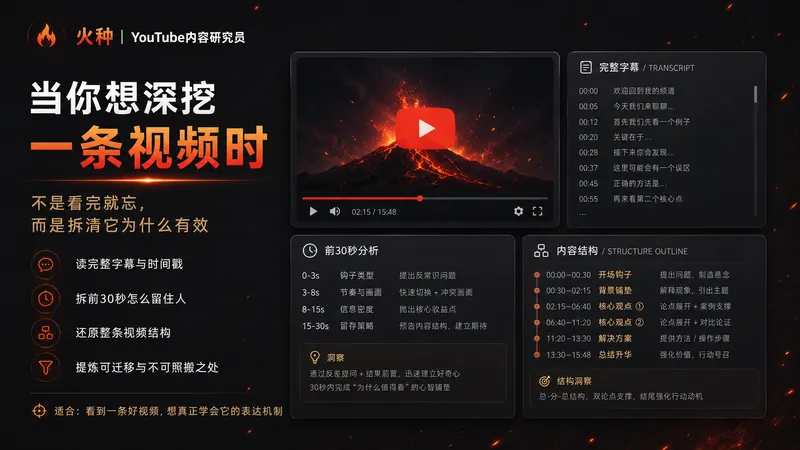 研究
研究火种|YouTube内容研究员
准备做一条视频,却不知道这个题别人已经怎么做了? 「火种|YouTube内容研究员」会真正进入 YouTube 做研究:寻找相关视频、读取字幕、拆解标题与前 30 秒、还原内容结构,并从多个样本中找出反复出现的表达方式、明显差异和还没人做好的空白。 你可以用它来: 研究一个主题现在有哪些内容正在被反复采用 深挖一条视频到底是怎么讲的 扫描一个频道的选题、标题和内容习惯 拆前 30 秒 Hook 和整条视频结构 在已有视频中寻找新的创作切口 研究你自己的成片应该怎样重新包装 它不会因为一条视频播放高,就武断地告诉你“这个标题一定有效”;拿不到字幕、时间戳或表现数据时,也会明确告诉你证据缺在哪里。 最终给你的不是一堆视频摘要,而是一份可以直接交给下一步选题、Hook 或脚本工作的 YouTube 研究简报。 适合:YouTube 创作者、视频策划、自媒体运营,以及每次动手拍之前都想先看看“这个题别人已经做到哪一步”的人。

搞怪背单词
输入一个英文单词,产出一张连环画式记忆卡:谐音、词义、例句全部画进同一出连续小戏的画面里(台词气泡/招牌/拟声字),图外只留一行头部信息和一行召回提示。冲击力优先于精致,儿童安全。
 研究
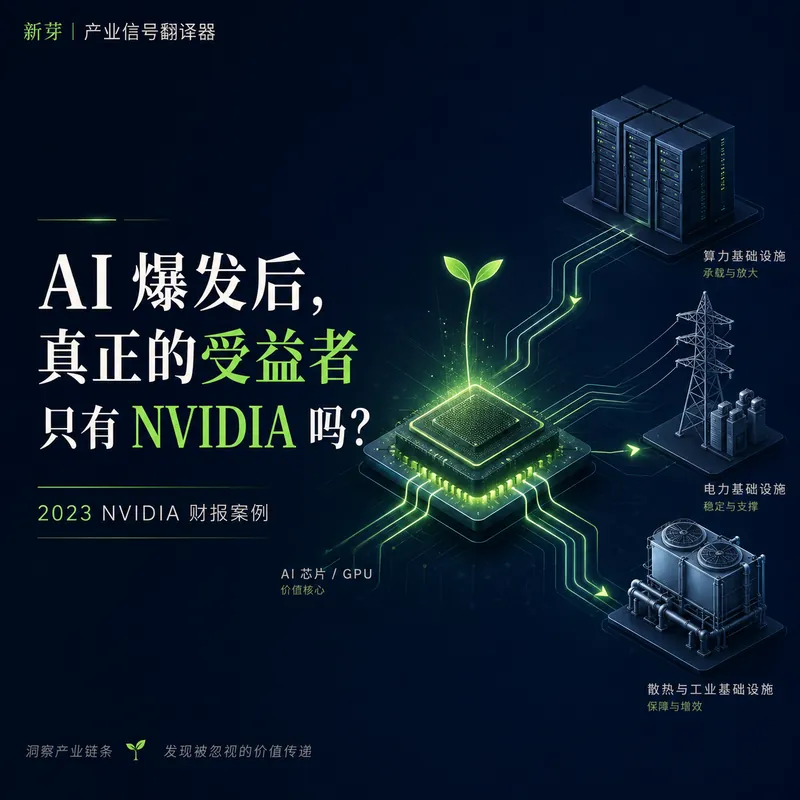
研究新芽|产业信号翻译器(Sprout Signal Translator)
一条重大产业新闻里,最值得研究的往往不是新闻里的那家公司。 NVIDIA 的需求爆发可能改变服务器、电力和散热产业;一家未上市 AI 公司快速增长,可能真正给云厂商、芯片设计商和网络供应商创造收入;而一场很热门的 CEO 演讲,也可能没有改变任何经济事实。 新芽|产业信号翻译器会先核验事件,再沿着价值链追踪: 发生了什么 → 什么假设被改变 → 钱流向哪里 → 下一个瓶颈是什么 → 谁早已有能力解决它 → 市场是否已经完成重估。 它既寻找直接受益者,也寻找潜在受损者、Picks & Shovels,以及那些“成熟主营提供安全垫,新产业提供增长期权”的 Emerging Sprout Candidate。 找不到可靠经济传导时,它允许输出 NONE。 它不会提供 BUY / SELL、目标价或收益承诺。它的目标不是预测下一只暴涨股票,而是把产业变化翻译成值得继续验证的研究线索。
如何快速了解一家企业
基于查理.芒格的多元思维模型,用价值投资的视角对企业进行深度投研分析
描述
推荐自
淡苍
为什么我们推荐这个技能
以买方研究流程拆解企业,从商业模式、护城河、组织文化到财务质量与管理层资本配置,强制联网核验、来源可溯,并通过三情景估值、风险触发信号和可执行条件,将复杂投研落到决策行动。
输入公司名或股票,用查理.芒格的多元思维模型,以价值投资的视角对股票进行深度投研分析,SKILL自动联网挖掘深度信息,强制先搜后判、双源交叉、标注口径与来源,按价值投资七维框架做深度分析,给出三情景估值与2×2质量/价格决策,产出一份可执行的《价值投资深度分析》报告。
相关技能
查看全部研究火种|YouTube内容研究员
准备做一条视频,却不知道这个题别人已经怎么做了? 「火种|YouTube内容研究员」会真正进入 YouTube 做研究:寻找相关视频、读取字幕、拆解标题与前 30 秒、还原内容结构,并从多个样本中找出反复出现的表达方式、明显差异和还没人做好的空白。 你可以用它来: 研究一个主题现在有哪些内容正在被反复采用 深挖一条视频到底是怎么讲的 扫描一个频道的选题、标题和内容习惯 拆前 30 秒 Hook 和整条视频结构 在已有视频中寻找新的创作切口 研究你自己的成片应该怎样重新包装 它不会因为一条视频播放高,就武断地告诉你“这个标题一定有效”;拿不到字幕、时间戳或表现数据时,也会明确告诉你证据缺在哪里。 最终给你的不是一堆视频摘要,而是一份可以直接交给下一步选题、Hook 或脚本工作的 YouTube 研究简报。 适合:YouTube 创作者、视频策划、自媒体运营,以及每次动手拍之前都想先看看“这个题别人已经做到哪一步”的人。
搞怪背单词
输入一个英文单词,产出一张连环画式记忆卡:谐音、词义、例句全部画进同一出连续小戏的画面里(台词气泡/招牌/拟声字),图外只留一行头部信息和一行召回提示。冲击力优先于精致,儿童安全。
研究新芽|产业信号翻译器(Sprout Signal Translator)
一条重大产业新闻里,最值得研究的往往不是新闻里的那家公司。 NVIDIA 的需求爆发可能改变服务器、电力和散热产业;一家未上市 AI 公司快速增长,可能真正给云厂商、芯片设计商和网络供应商创造收入;而一场很热门的 CEO 演讲,也可能没有改变任何经济事实。 新芽|产业信号翻译器会先核验事件,再沿着价值链追踪: 发生了什么 → 什么假设被改变 → 钱流向哪里 → 下一个瓶颈是什么 → 谁早已有能力解决它 → 市场是否已经完成重估。 它既寻找直接受益者,也寻找潜在受损者、Picks & Shovels,以及那些“成熟主营提供安全垫,新产业提供增长期权”的 Emerging Sprout Candidate。 找不到可靠经济传导时,它允许输出 NONE。 它不会提供 BUY / SELL、目标价或收益承诺。它的目标不是预测下一只暴涨股票,而是把产业变化翻译成值得继续验证的研究线索。
发现下一个适合你的技能
继续探索更多精选 AI 技能,用于研究、创作和日常工作。