Discussion: Meaning & Future
Draft and refine your paper's discussion
Discussion: Meaning & Future
Draft and refine your paper's discussion
Showcase
Description
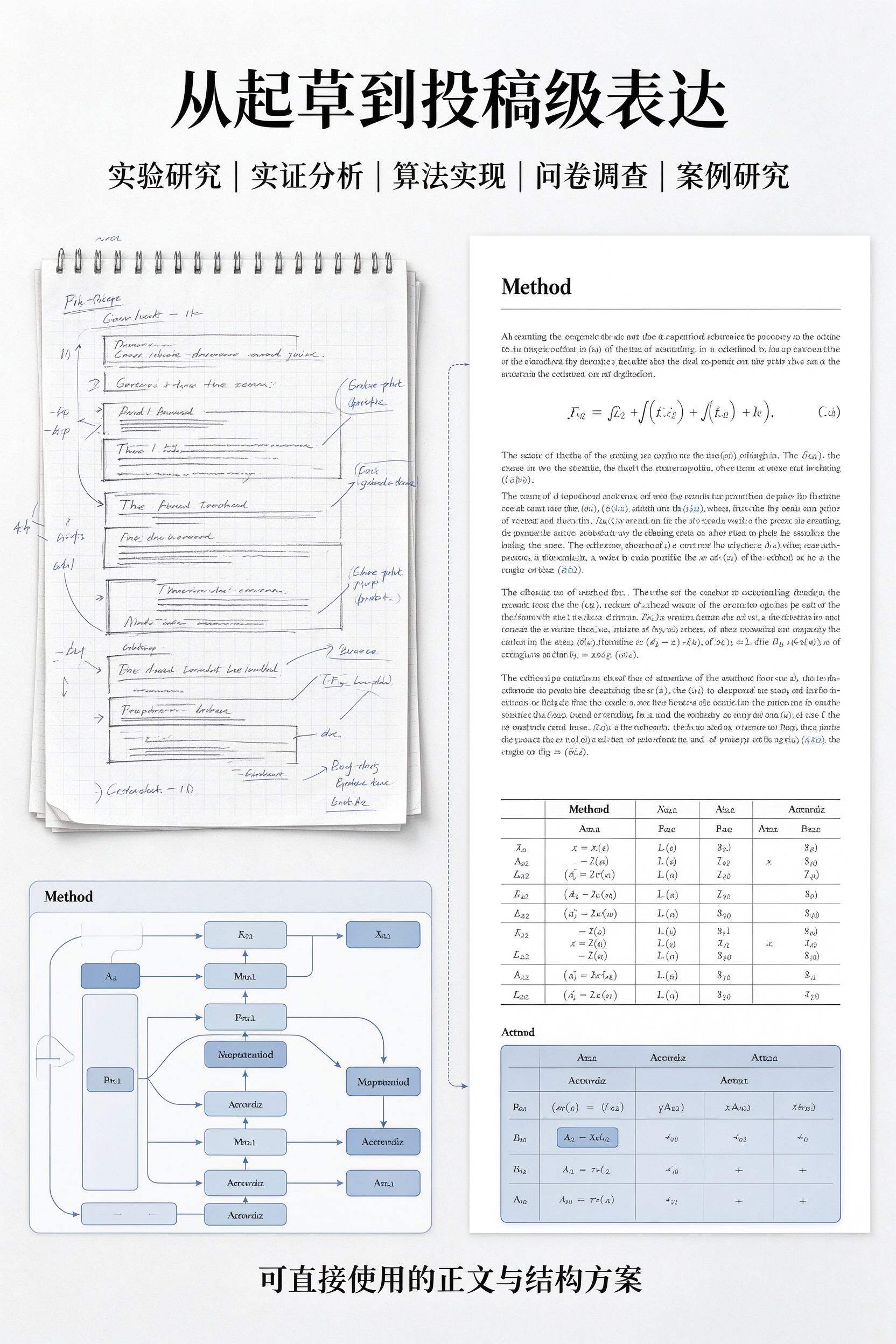
Build a clear, ready-to-use discussion section based on your research questions, results, and evidence. It highlights research significance, explains findings, outlines limitations, and suggests well-founded future directions. Ideal for drafting, rewriting, polishing, and reviewing discussion chapters in theses, journal articles, and research papers. You can provide your research abstract, methods, results, existing drafts, or fragmented notes to receive a tailored structural plan and academic phrasing. It helps distinguish facts, opinions, speculations, and citations to reduce repetition, vague statements, and overstatements while keeping conclusions consistent with your evidence. For existing text, it also reviews argumentative logic, paragraph transitions, language style, factual basis, and academic compliance risks, while outlining key revision directions. When information is incomplete, it highlights necessary assumptions and missing details to help you improve your discussion rather than fabricating data, citations, or conclusions.
Related Skills
View all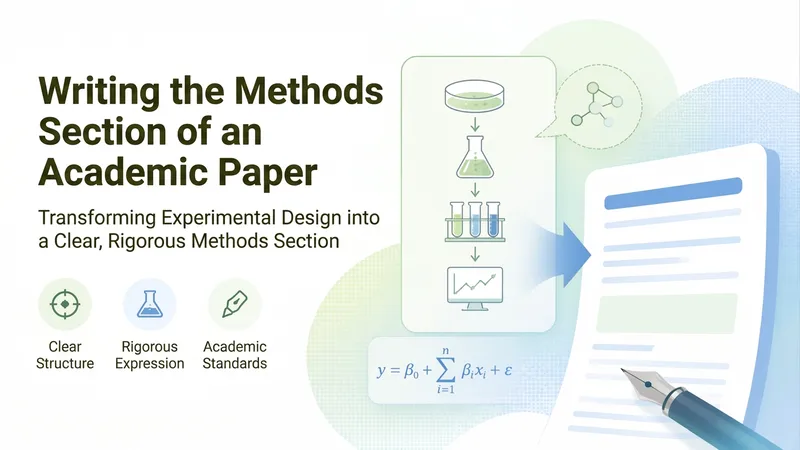
Academic Methodology Writer
Helps you clearly and rigorously write and refine the methodology section of your academic papers, suitable for experimental research, empirical analysis, algorithm implementation, questionnaire surveys, case studies, and more. Whether drafting from scratch, rewriting based on research materials, or polishing existing text for academic tone, it covers research design, data sources, experimental procedures, variable definitions, model formulas, parameter settings, and implementation details to enhance the reproducibility and logical coherence of your methods. You will receive a structural plan tailored to your research objectives and target audience, along with ready-to-use text that can be generated in more concise, formal, or conservative versions as needed. For existing manuscripts, it helps identify missing steps, confused concepts, logical gaps, vague expressions, redundancy, and insufficient factual backing, while distinguishing between facts, speculations, and citations to avoid fabricating data or literature. Suitable for drafting first drafts, pre-submission revisions, peer-review responses, and organizing research proposals. When information is incomplete, it clarifies necessary assumptions and provides suggestions for supplemental materials, revision priorities, and quality checks. It also highlights matters requiring further confirmation by professionals when dealing with academic compliance or other high-risk content.
Experimental Results Writer
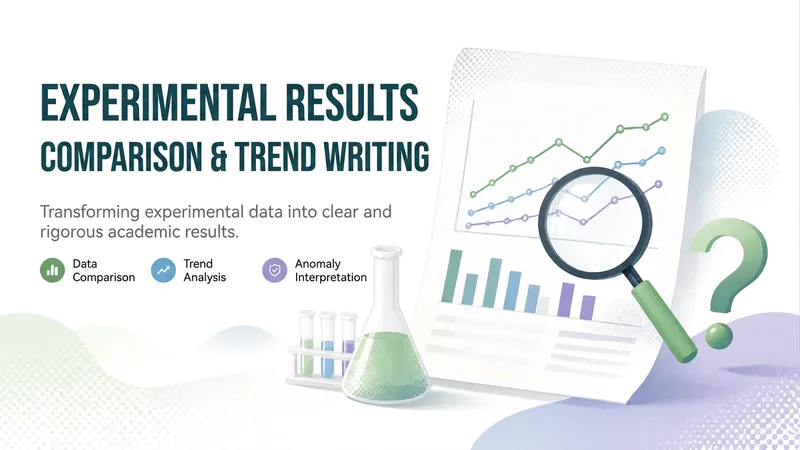
Help you turn experimental data into clear, rigorous result statements that can be directly used in academic papers, especially suitable for experimental results, inter-group comparisons, trend changes, and abnormal phenomenon analysis. Whether drafting result paragraphs from data or rewriting, polishing, and reviewing existing text, it can revolve around research goals and reader needs, reduce vague descriptions, accurately distinguish facts, viewpoints, speculations, and citations, and enhance the credibility and readability of the paper. You can obtain structured writing plans, ready-to-use main text or revised versions, and check suggestions regarding logical cohesion, language accuracy, repetitive expressions, factual basis, and academic compliance. For incomplete information, the content will explicitly state necessary assumptions to avoid fabricating data, falsifying citations, or exaggerating experimental conclusions; for high-risk research scenarios involving medicine, law, finance, etc., it will also mark parts that require further confirmation by professionals. Suitable for experimental result writing in paper result chapters, abstracts, discussion sections, scientific research reports, and project application materials. Whether you need to describe significant differences, explain trend changes, sort out abnormal results, or turn a first draft into more robust academic expressions, you can get clear revision directions and subsequent improvement suggestions.
Academic Paper Introduction
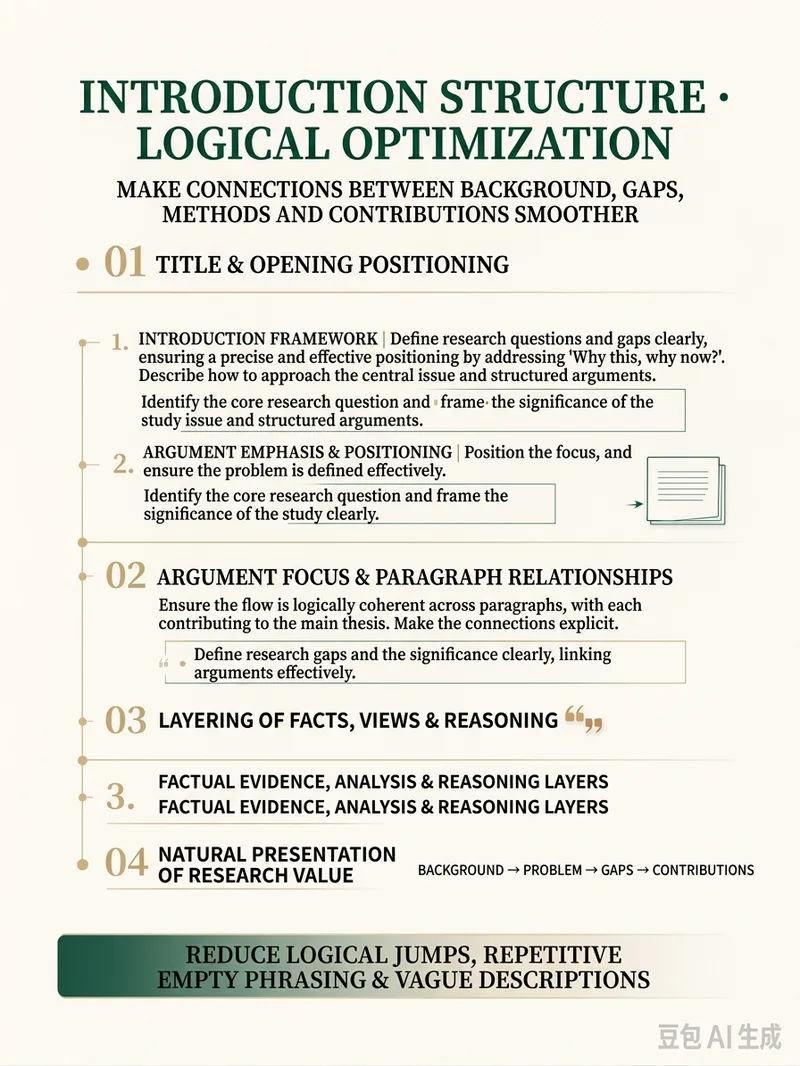
Helps you write logically clear, academically appropriate paper introductions centered on research background, core questions, literature gaps, and contributions. Whether drafting from scratch, rewriting, or addressing reviewer comments, it first organizes your research goals, target audience, source material, length, and tone before generating a tailored introduction plan. You will receive a clear heading or paragraph structure, ready-to-use introduction drafts, and reliable alternative academic phrasing. For existing text, it reviews logical transitions, eliminates filler words, distinguishes facts from speculation, checks citation backing, and highlights research value with explanations for key changes. Suitable for writing and revising introductions in academic papers, research reports, and funding proposals. It clarifies assumptions when information is insufficient and handles high-risk topics like data, citations, medical, legal, or professional content strictly using reliable materials without fabricating facts, faking citations, or guaranteeing review approval.
Information
- Version
- v4
- Last updated
- Runtime credits
- Usage-based
- Models
- Auto
