
China History · Time & Map
Turn dynasties into a walkable historic route.
China History · Time & Map
Turn dynasties into a walkable historic route.
Showcase
Description
Post-road format: Turn the timeline into a route of “post road—stations—passes,” with each dynasty as a city and each major transformation as a pass. Ancient and modern place names: Automatically label historical and present-day names (such as Chang'an → Xi'an, Lin'an → Hangzhou, and Jianye → Nanjing), showing both names on the map. Automatic fact-checking: Detect reign-title errors, mixed imperial temple and posthumous titles, reversed dynastic order, and misidentified figures. Correct errors before drawing the map. Longitudinal threads for institutional change: Trace systems such as civil service selection, taxation, and central government offices as standalone lines for cross-dynasty comparison without mixing their contexts. Character relationship map: Turn key figures into “travel companions,” with their factions, positions, and rivalries, helping solve the problem of forgetting names. Layered exam-point output: Separate recall-level content (dates, people, and places) from comprehension-level content (causes, effects, and comparisons), with mnemonics or comparison tables. Image-text cross-checking: The image handles routes and landmarks, while the text handles dates and conclusions. Neither repeats nor depends on the other. Multiple versions: Choose among three information-density levels: middle school general history, high school curriculum outline, or advanced preparation for graduate entrance and civil service exams. Recommended prompts Draw “the establishment and consolidation of unified Qin and Han rule” as a parchment map in an itinerary-on-the-post-road style. Turn “the evolution of ancient Chinese civil service selection systems” into a longitudinal institutional-change chart with a comparison table. Draw an ink-wash handscroll of “the Silk Road and Tang foreign relations,” with ancient and modern place names. Help me organize “the strengthening of autocratic monarchy in the Ming and Qing dynasties” at the high school curriculum-outline level, with a mnemonic.
Recommended by
淡苍
Why we love this skill
Transforms dynasties, institutions, and people into visual routes, fact-checking history before connecting causes and exam topics through structured journey notes.
Related Skills
View all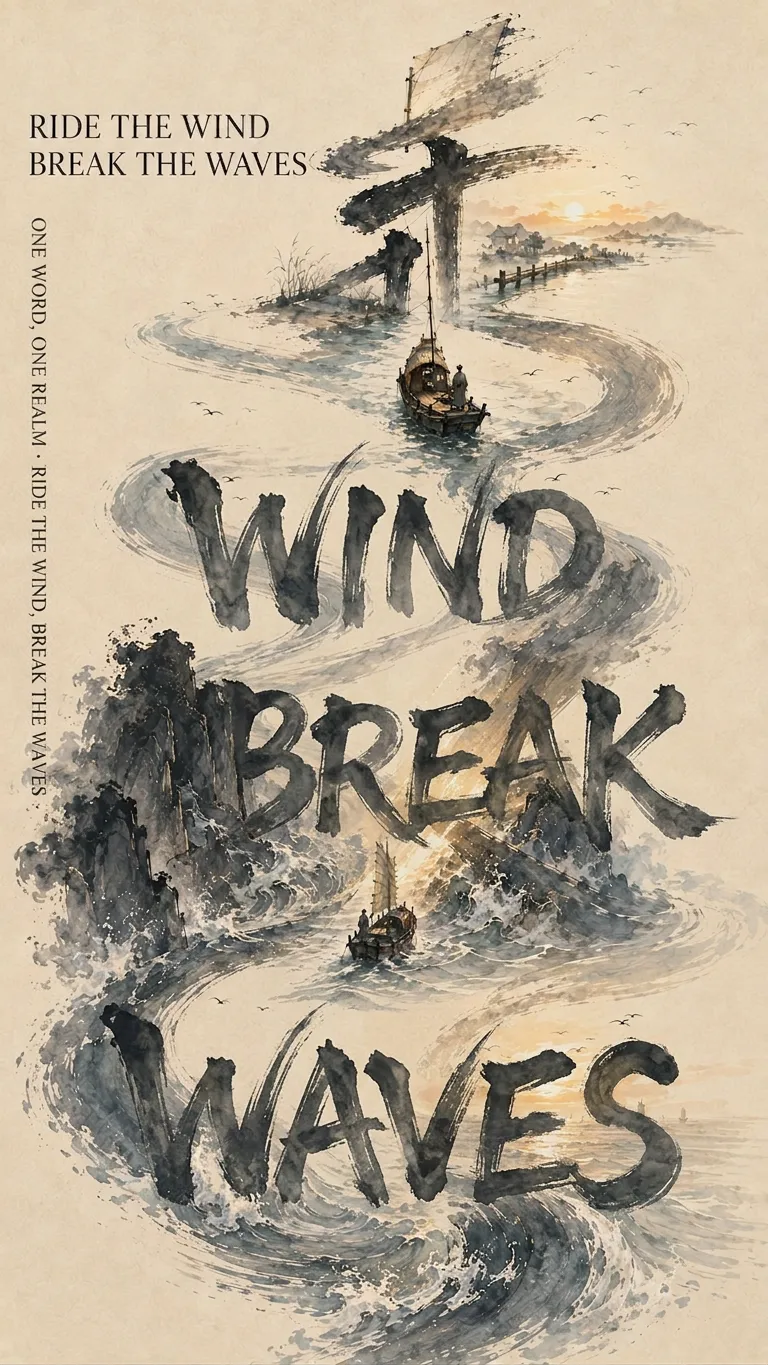 Image
ImageOne Character, One World
This Skill does not simply apply an ink-wash filter to Chinese characters. It first understands the core meaning of the text in its full context, then determines how the imagery, calligraphy, and layout should work together. Give it a Chinese character, name, place name, idiom, line of poetry, or public-domain classical Chinese poem or prose passage. It first interprets the meaning, then transforms the character’s strokes into mountains, rivers, bridges, figures, architecture, or narrative paths, making the calligraphy itself the framework of the composition. Different meanings automatically call for different brush movements, colors, and compositions, rather than being forced into a fixed template. It supports single-character posters, multi-character series, combined-character compositions, and storyboard sequences based on classical poetry and prose. Names, place names, and idioms can be turned into sequential series with one character per poster, or idioms, poetic lines, and parallel phrases can be combined into a single poster. Classical poetry and prose can be divided into 6–12 consecutive posters according to the original order and emotional arc, with nine posters by default for WeChat Moments, while naturally incorporating the corresponding original text into the imagery. The Skill actively avoids common failures: illegible characters, calligraphy that looks like a computer font, misinterpretations caused by checking characters one by one, forcing the entire image into a character-shaped mask, changing only the text while leaving the narrative unchanged across a series, placing the main text in an awkward standalone white box, and presenting garbled small text as a finished design. It is suited to Chinese posters, urban cultural visuals, name-based gifts, idiom and poetry projects, nine-image WeChat Moments posts, Xiaohongshu graphics, and collectible Eastern editorial design. The final result is influenced by YouMind’s current image model. When long text must be accurate character by character, the Skill prioritizes editable text layers for typesetting; when that is not possible, it clearly labels the result as a conceptual base and provides accurate typesetting specifications.
City Landmark Diorama
Turn a city’s representative landmarks into a miniature map illustration that combines geographic grounding with visual appeal. Simply provide the city name along with any preferences for coverage, language, scale, or style. The Skill will organize the relative positions of around 5–8 key landmarks, riverbank relationships, roads, bridges, and distances between landmarks, while shaping the scene around local architectural character. The final result is a complete, ready-to-view city landmark diorama—not just a prompt or composition plan. The scene uses a full-frame warm-toned map surface, refined, colorful 3D diorama models, a small and varied selection of background buildings, and clear Chinese labels to emphasize the visual hierarchy of “large landmarks, small buildings.” It also retains a city title plaque in the upper left, a north arrow in the upper right, and necessary artistic annotations. This makes it suitable for city introductions, travel and cultural content, regional overviews, and visual presentations. After generation, it also checks landmark recognizability, relative positions, river and road relationships, label text, and compositional consistency, making corrections when needed. This is an artistic illustration of city locations and does not replace navigation, surveying, or a map with a precise scale. When web research and image-generation capabilities are available, it can include brief sources, the research date, and reusable prompts. If image generation is not currently available, it provides a complete image-generation prompt and a location list.
 Image
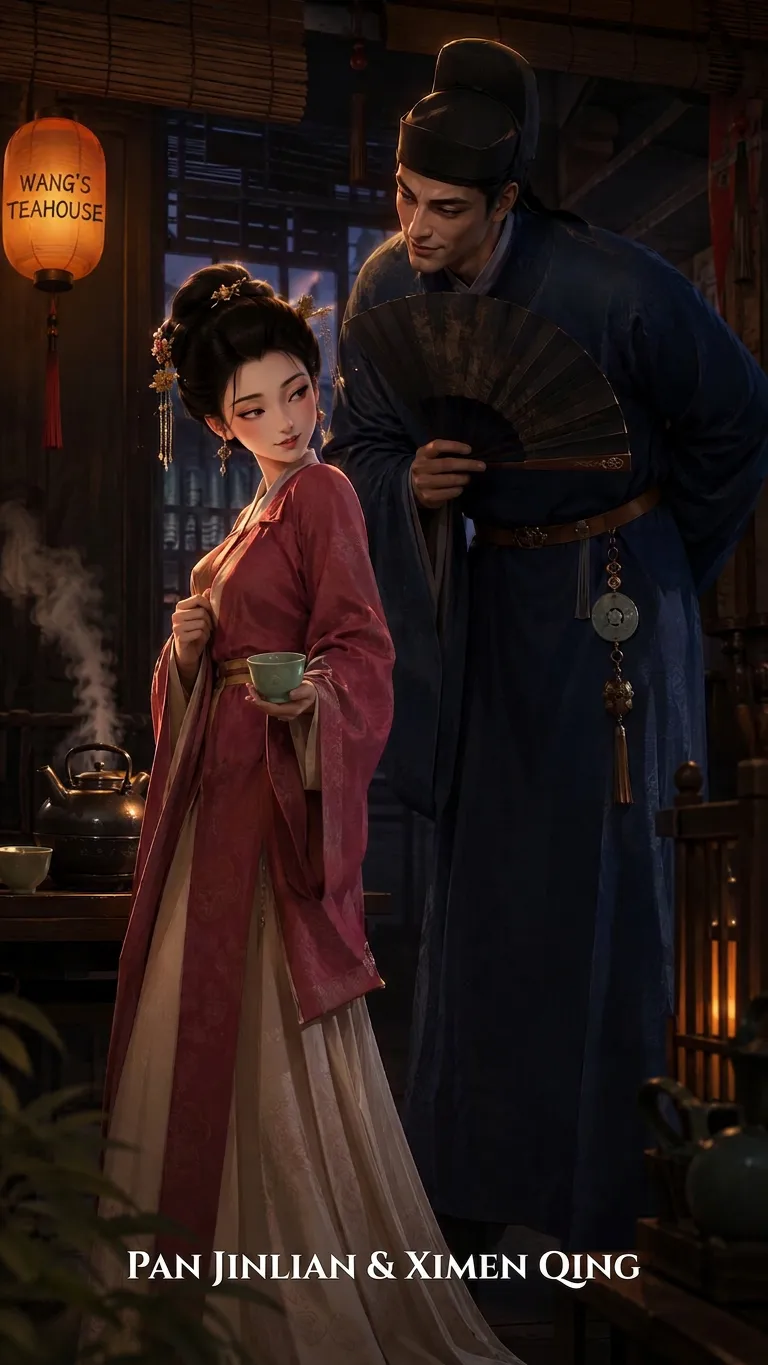
ImageDark 3D Literary Characters
Transform characters from *Romance of the Three Kingdoms*, *Water Margin*, *Journey to the West*, *Dream of the Red Chamber*, and other Chinese classical works into polished 3D cartoon game characters that remain recognizable without written labels. Whether depicting generals, warriors, monks, scholars, women, immortals, or monsters, the skill combines each character’s identity, stage of life, and defining experiences with visual designs grounded in the historical setting—reducing timeline errors, lookalike characters, and cultural mismatches. You’ll receive a complete character-recognition-focused design plan covering silhouette, signature weapons and accessories, clothing materials, color palettes, pose and expression, environmental mood, and differentiation from similar characters. It also accounts for common image-generation inaccuracies involving ancient Chinese clothing, weapons, and character types. When the source material is uncertain, references are checked first to determine the appropriate period and visual direction. The skill supports both character illustration and scene-based requests. It can produce reusable, copyable image-generation Prompts, specify image dimensions, and review the result for period accuracy, key symbols, colors, cultural traits, pose and structure, and overall recognizability—making corrections and iterations when needed. It is suitable for classical literature character concepts, game character development, visual design, and Chinese-style AI image generation.
Information
- Version
- v3
- Last updated
- Runtime credits
- Usage-based
- Models
- Auto