Free · Museum of Everything
Museum-style nature & culture infographics
Free · Museum of Everything
Museum-style nature & culture infographics
Showcase
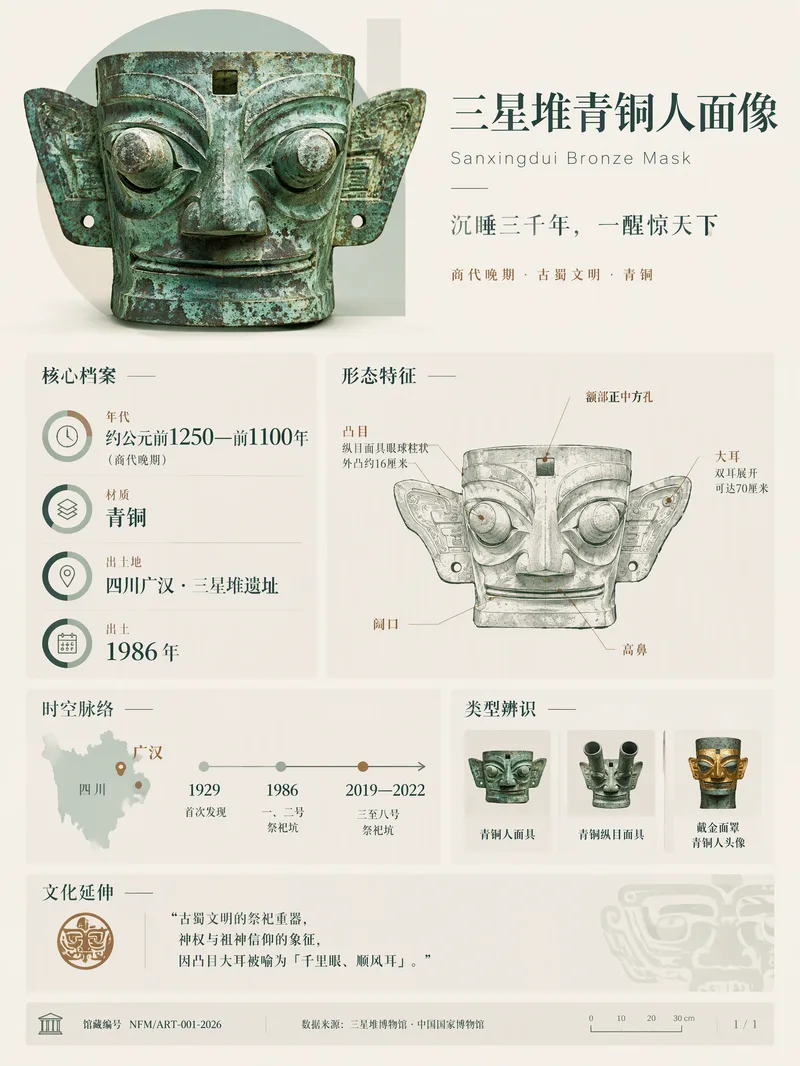
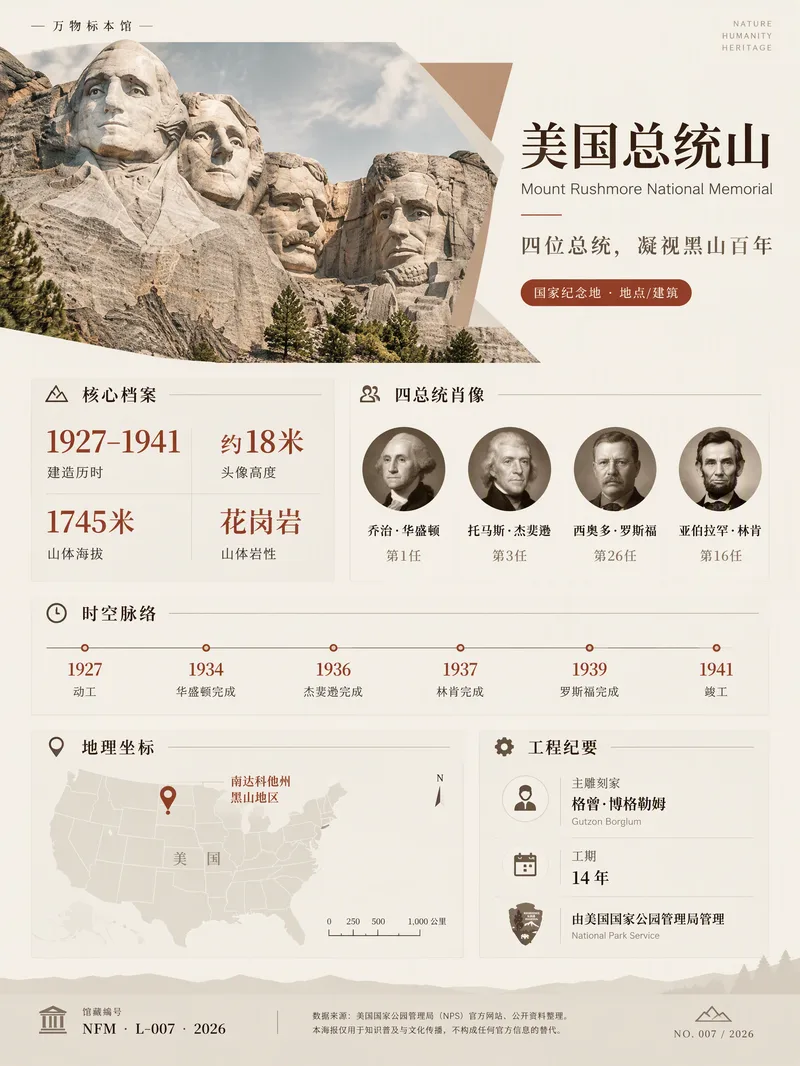
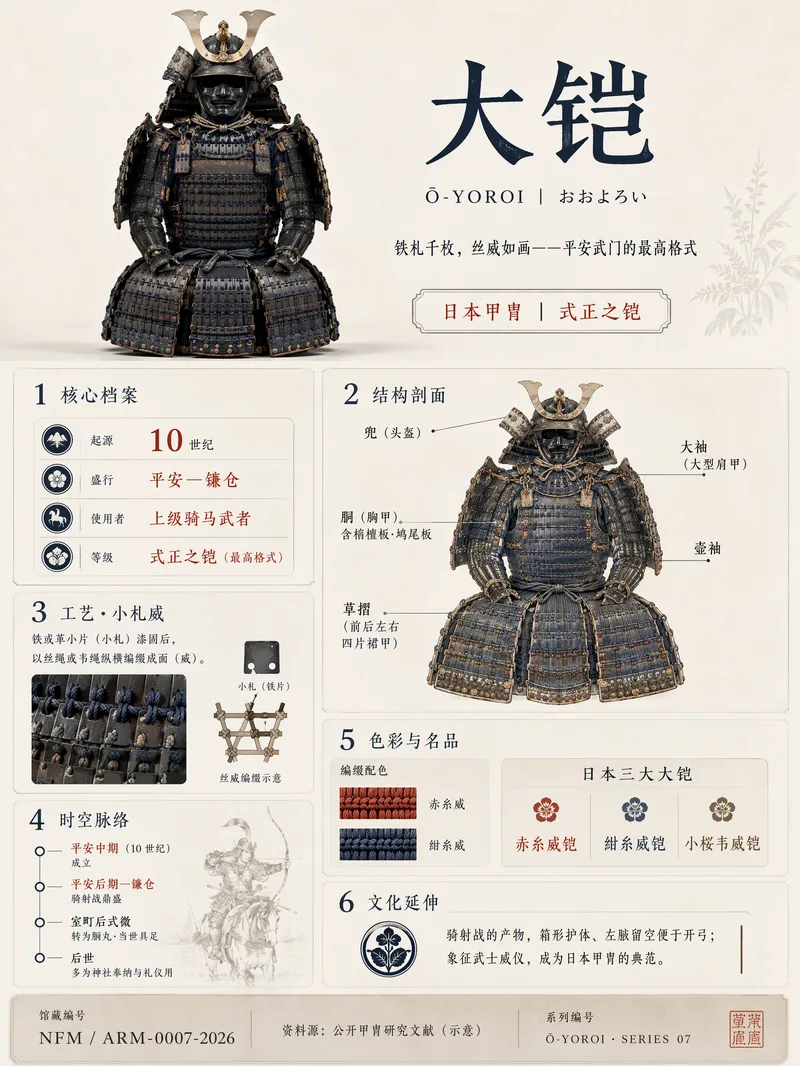
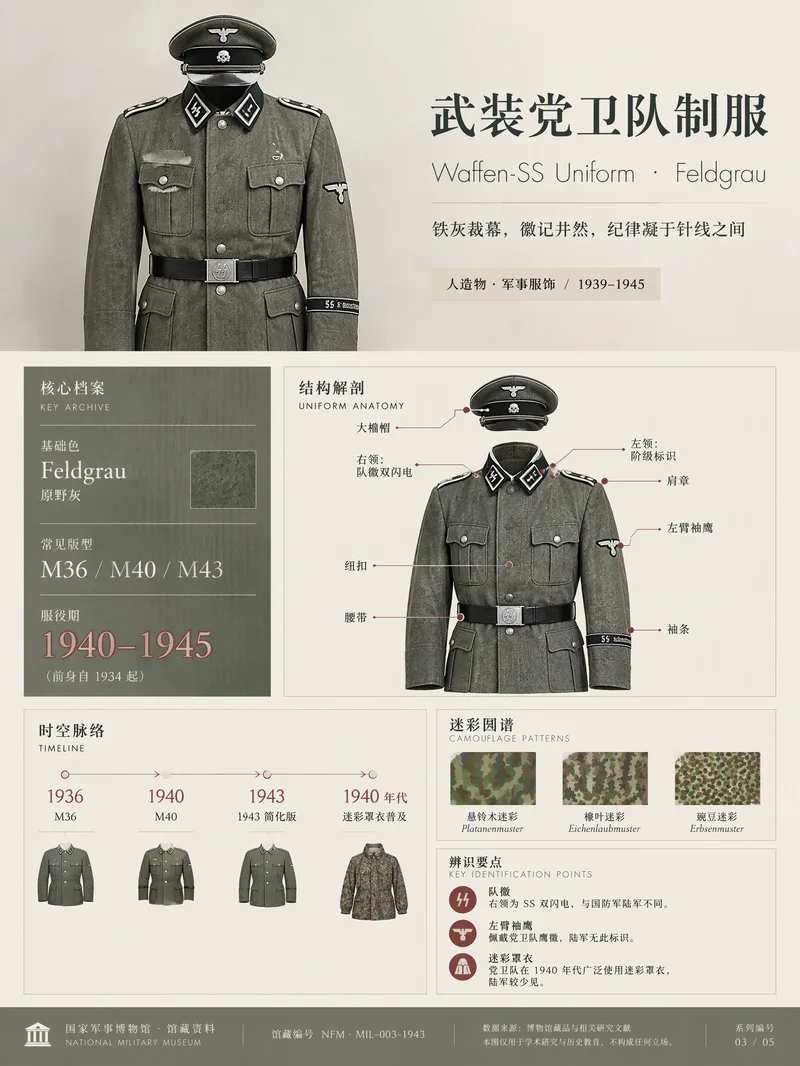
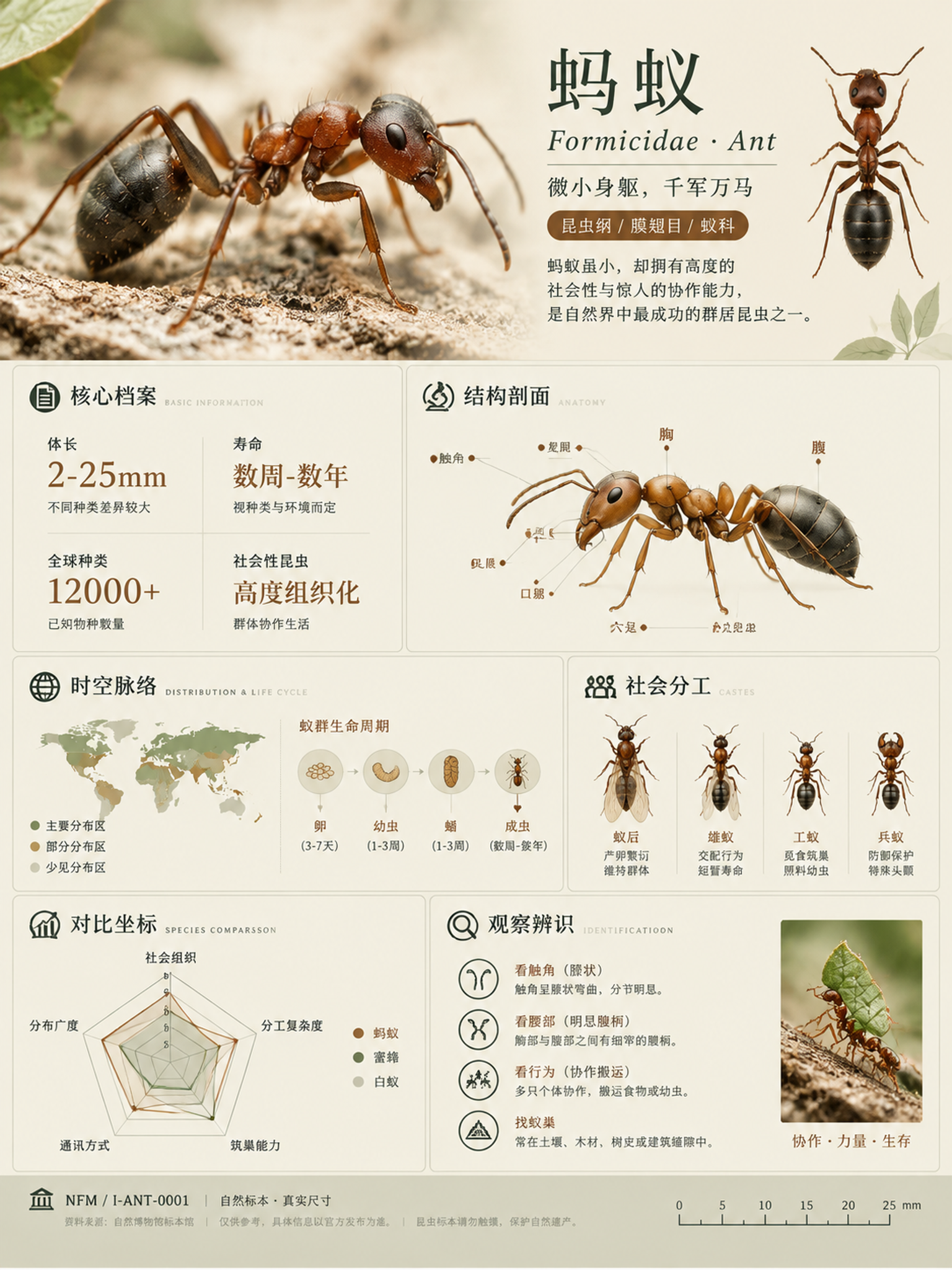
Description
Turn a city, plant, animal, ingredient, mineral, object, building, or cultural concept into a museum-style knowledge infographic with both educational value and a collectible feel. The 3:4 portrait layout uses a high-quality hero visual to anchor the composition, paired with elegant Chinese titles, English or Latin scientific names, classification labels, and concise definitions so the subject’s traits and character are immediately clear. The information is organized flexibly according to the subject, covering modules such as a core profile, structural cross-section, geographic and historical context, experiences and applications, comparisons with similar subjects, identification and care, or cultural extensions. Key figures, icons, maps, timelines, and concise charts are interwoven to avoid crowded tables and rigid nine-grid layouts, balancing rich information with easy reading. When presenting key names and user-provided data, the design prioritizes textual accuracy and avoids inventing precise conclusions. The overall visual style combines natural specimen photography, refined museum wayfinding panels, and the character of a high-end magazine yearbook. It uses low-saturation natural colors such as off-white, gray-green, and warm gray, along with restrained accent colors, serif headings, and generous whitespace. It is suitable for knowledge cards, educational posters, exhibition guides, and social media content. It also supports creating a series of collectible images with consistent layouts, colors, and numbering across multiple subjects.
Related Skills
View all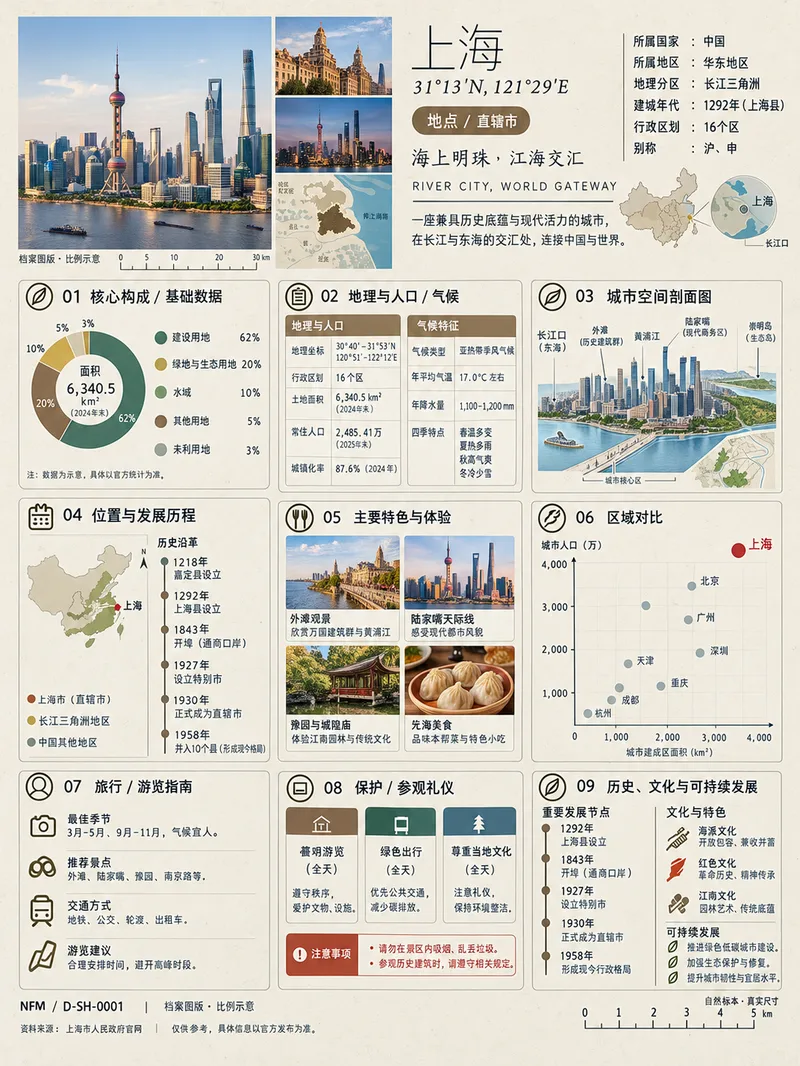 Image
Image(Trending) Anything as an Infographic
A trending infographic generator. Enter the name of any subject, and it automatically identifies the type—such as a living thing, mineral or material, man-made object, place or building, cultural concept, or historical figure—then creates a dense 3:4 portrait infographic poster using a fixed “natural specimen archive × modern museum guide plaque” layout system. It includes a header identification area, specimen-style image area, a central 3×3 grid with a core data radial chart, detailed key metrics, structural cross-section, spatial and temporal distribution, applications and user experience, side-by-side comparison, identification guide, preservation and maintenance, and historical lineage, plus a collection number and reference information area at the bottom. The layout, grid, typography, and color systems are consistent, making the posters easy to collect as a series. GPT Image 2 is used by default as the best-fit image generation model. Best for: building an account from scratch and taking commissioned work.
 Image
ImageShan Hai Jing Bestiary Cards
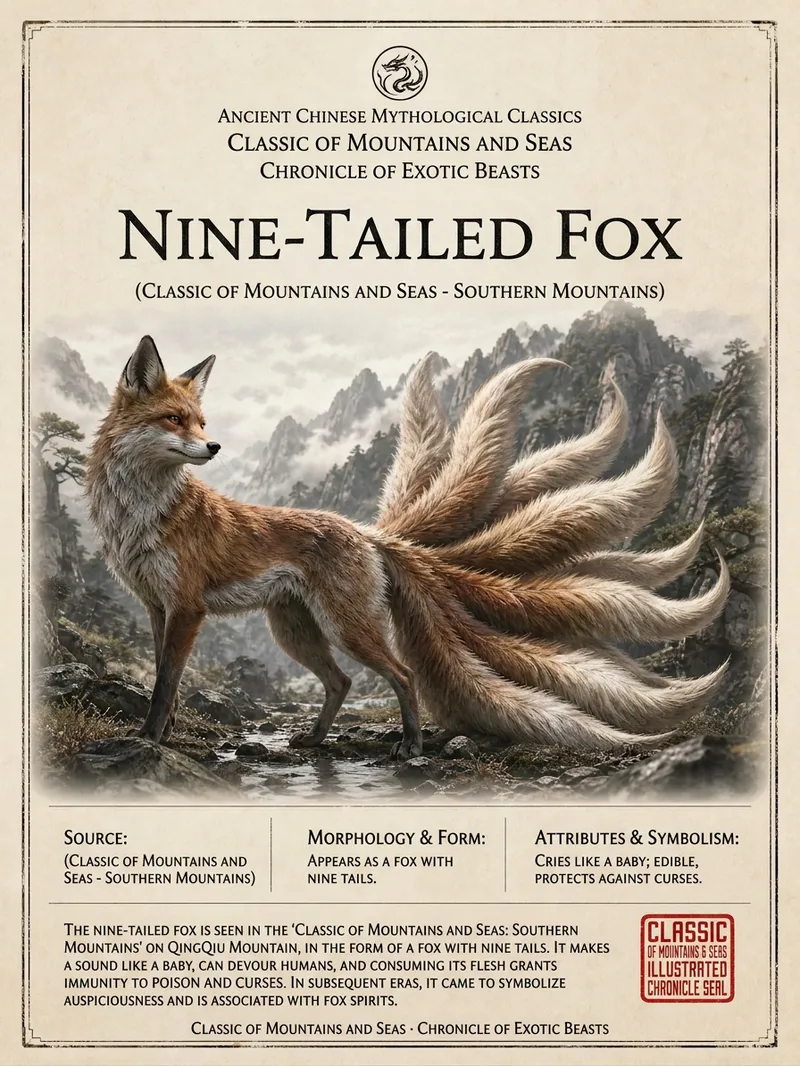
Turn beasts, strange birds, plants, deities, and other supernatural beings from the Shan Hai Jing (Classic of Mountains and Seas) into collectible, hyperreal Eastern natural history cards. Whether you provide a creature’s name, a passage from the original text, a custom theme, or a reference image, the Skill organizes its classical source, physical traits, and supernatural attributes into a clear design. If you provide only a name, it can also develop the visual concept directly from the original classic, with no additional explanation needed. Each finished card uses a 3:4 vertical collectible format with a consistent layout, aged ivory and blue-gray ink-black tones, antique paper texture, fine-line borders, seal stamps, and Chinese information panels. The featured creature is reconstructed with credible bones, muscles, skin, fur, feathers, or scales, then presented from an observational angle inspired by nature documentaries, with realistic weight, environmental lighting, and cinematic CG detail. The result avoids chibi, cartoon, and generic game-character illustration styles. The visual language draws from Shang and Zhou bronze vessels, classical book design, stone reliefs, jade artifacts, seal carving, and traditional natural history, without relying on clichéd xianxia or fantasy decoration. Each card brings together the creature’s name, source, appearance, traits, and a concise introduction, while clearly distinguishing original records from later cultural interpretations. It is suited to creating individual collectible images, a series of Shan Hai Jing bestiary cards, or an ongoing body of work built around the same aesthetic of ancient Eastern artifacts.
 Image
ImageRelic Art
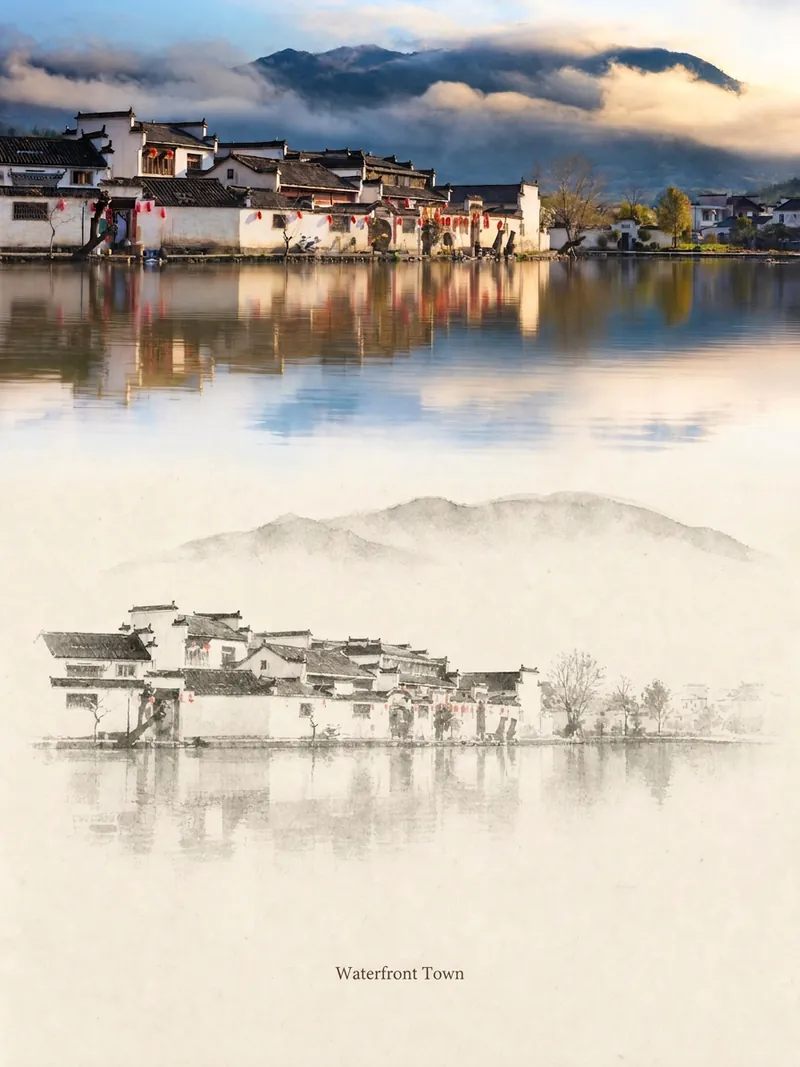
Transform a real photo into a vertical "relic art" poster that blends documentary value with artistic expression: the upper part keeps the original photograph untouched, while the lower part uses warm paper or restrained light and shadow to compress a memory-derived graphic from the image. It's not a typical illustration or decorative poster; instead, it uses sparse ink blocks, softened edges, white-space cuts, and sparse lines to distill architectural, urban, water, road, human-scale, horizon, and light-shadow relationships, so the subject remains recognizable even in thumbnails. The overall feel is quiet, restrained, and like a modern print. Colors are taken from the source photo, primarily deep blue, ink black, gray-green, stone, or low-saturation warm tones, with a small warm accent added when fitting. The title is kept very small, poetic, and similar to an exhibition label, never overwhelming. This is suitable for minimalist art posters, photographic relic series, architectural and urban image posters, abstract editorial photography, gallery-style photo covers, and visual series for mobile platforms like Douyin. The final output preserves the authentic content of the original photo while adding a consistent "memory imprint" below, giving each photo its own mood and an expandable visual identity.
Information
- Version
- v7
- Last updated
- Runtime credits
- Usage-based
- Models
- GPT Image 2.5 Flare