Split-Screen Photo Art
Turn one photo into art—no prompt needed
Split-Screen Photo Art
Turn one photo into art—no prompt needed
Description
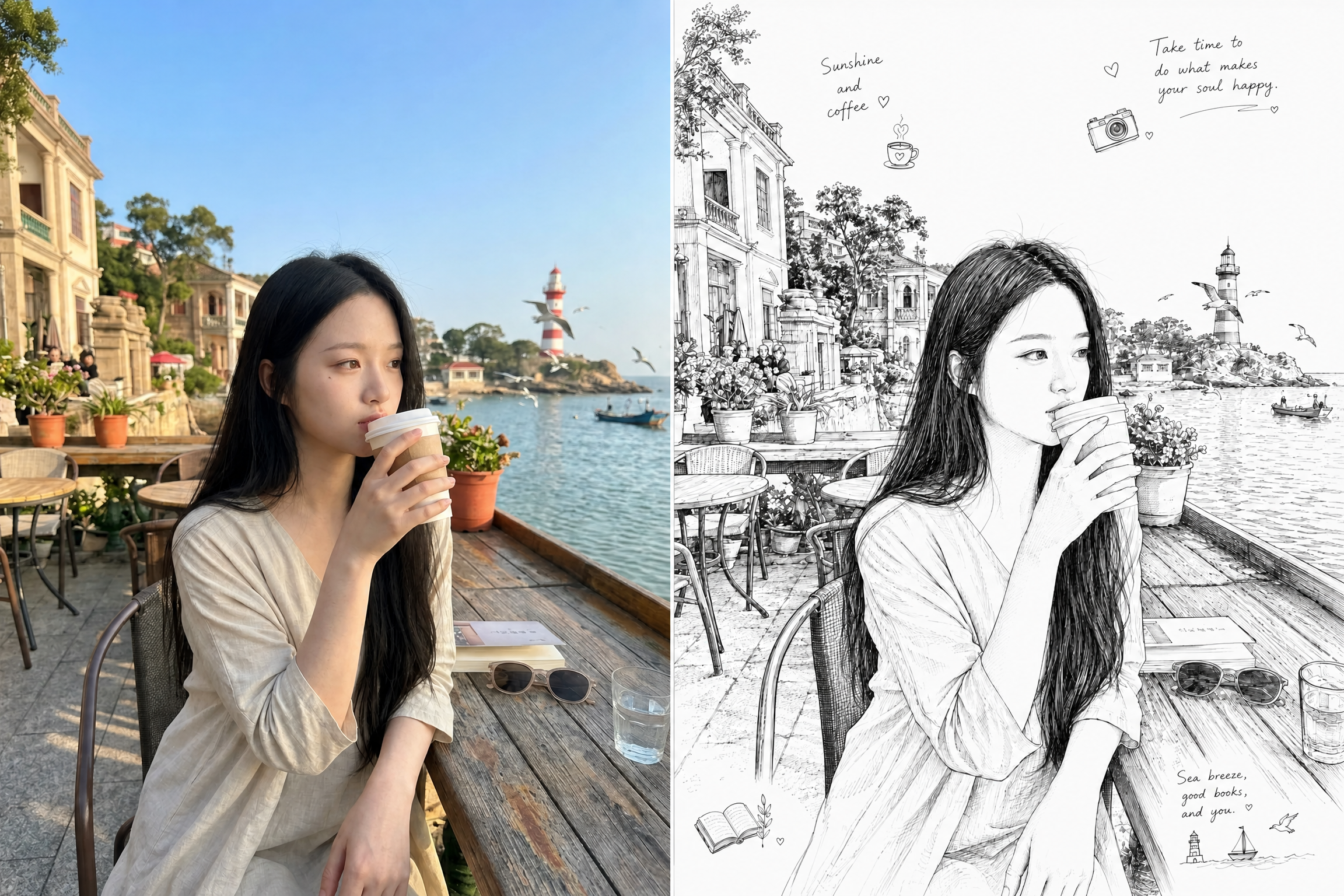
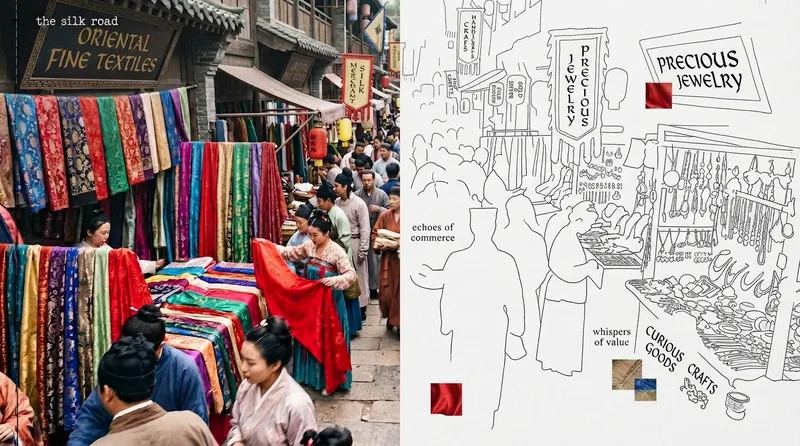
Upload a real photo to automatically create a finished split-screen image: the original photo remains on the left, while the right side features a detailed black-and-white line illustration of the same subject and scene, creating a “reality vs. hand-drawn” contrast.
Recommended by
淡苍
Why we love this skill
No prompt writing required: upload a photo to create a faithful black-and-white line drawing of the person, pose, and scene, presented side by side with the original.
Showcase
1 / 4
Best for
For users who want to turn a real photo into a split-screen “reality vs. hand-drawn” artwork.
How to use this Skill
Provide your input
Upload a clear photo of a person or subject. You may also include requests for slogans or decorative elements.
Run the Skill
The system creates a black-and-white line drawing of the same subject and scene, then combines the original photo and drawing side by side.
Review your result
Get a finished split-screen image: the original photo on the left and the corresponding black-and-white hand-drawn line art on the right.
Related Skills
View all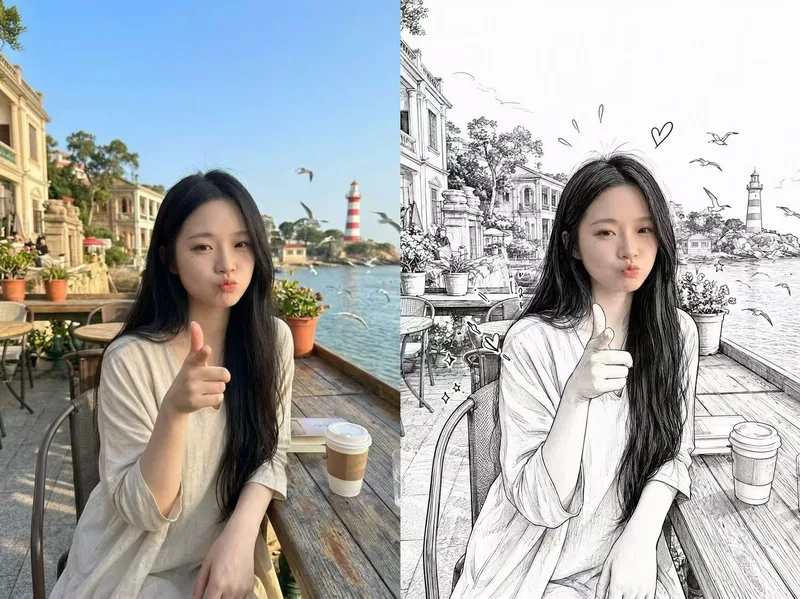 Image
ImagePhotorealistic Head, Drawn Body
Upload a real photo—no target image needed—to automatically create a finished mixed-style image with a photorealistic head and black-and-white hand-drawn illustration. The head retains photo-realistic texture and recognizable facial features (facial features stay the same, while the expression may be subtly adjusted). Everything else—including the hair and hairstyle, body and build, clothing, pose, background, and decorative elements such as hearts, stars, sparkles, and motion lines—is transformed into a black-and-white hand-drawn illustration. The body keeps realistic proportions, while the original hairstyle and pose are preserved. Ideal for turning a single photo of a person or pet into a creative image featuring a photorealistic head and hand-drawn elements in the same frame.
 Image
ImageSeamless Photo–Illustration
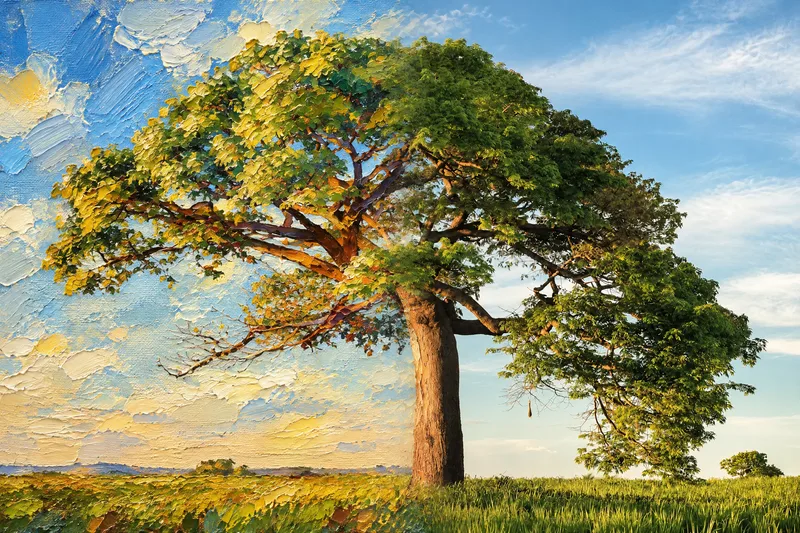
Transform photos of people, animals, pets, cars, buildings, products, food, plants, or scenes into dual-visual artwork featuring the same subject and composition in both realistic and illustrated form. One side preserves photographic texture, natural lighting, and material details, while the illustrated side clearly reflects a hand-drawn, anime, comic, watercolor, oil painting, clay, or vector illustration medium—not a simple filter effect. You can specify whether the visuals are arranged left and right or top and bottom, define where the realistic and illustrated areas appear, choose an illustration style, and set the aspect ratio. The subject’s pose, expression, facial features, structure, clothing, colors, and relationship to the scene remain coherent. People, animals, and objects transition according to their own visual centers, allowing both treatments to occur naturally within the subject rather than mechanically splitting the image. The final image emphasizes seamless integration: photographic texture gradually becomes lines, color blocks, or brushstrokes, while contours and lighting connect naturally. There are no dividing lines, hard edges, collage seams, torn-paper effects, or glowing boundaries. You’ll get a dual-visual image where the difference between the real world and the illustrated world is clear, yet no exact dividing point can be found.
 Image
ImageHalf Real, Half Outline
Upload a photo to automatically identify the subject and composition, then generate an experimental editorial-style specimen poster: one half is a real color photo, while the other half is a hand-drawn outline on white paper. The photo area retains its natural color with reduced saturation and a subtle film-grain feel; the white-paper mask continues the shape of the obscured area with fine black hand-drawn contour lines. The poster also includes 2–4 sensory or imagery keywords, 3–5 colored textured fragment squares, a vertical binding line along the left side, and a small poetic subtitle in the corner. Suitable for portraits, still lifes, animals, plants, and other types of photos. By default, it follows the original image proportions without changing the aspect ratio, cropping, converting to black and white, or creating an infographic.
Information
- Last updated
- Runtime credits
- Usage-based
- Models
- Auto
- Use cases
- Images & design
- What you get
- Image
- Visual styles
- Hand-drawnBlack and white