xiaoxiaodong P143: Visual Poem
By xiaoxiaodong
xiaoxiaodong P143: Visual Poem
By xiaoxiaodong
Description
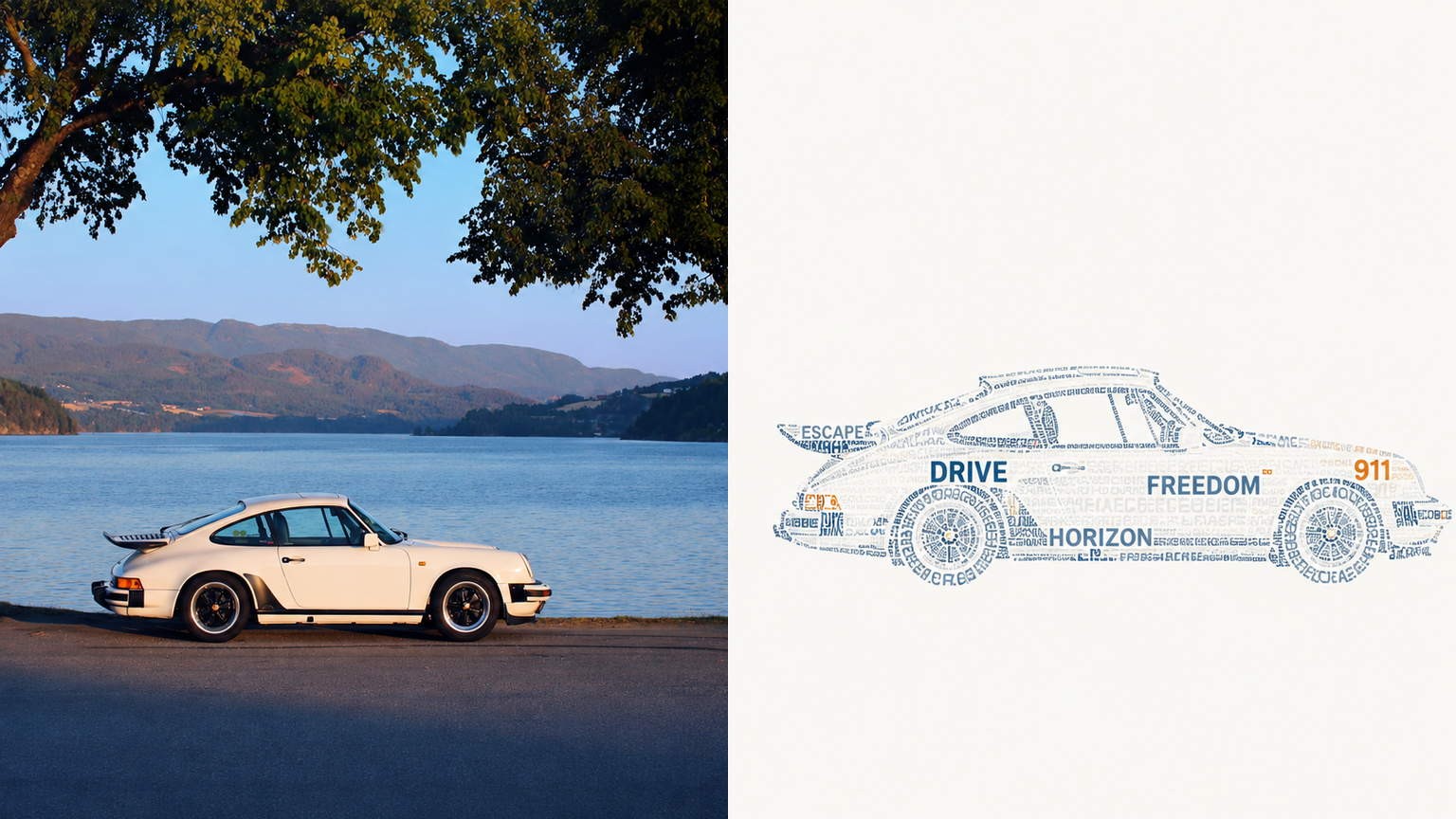
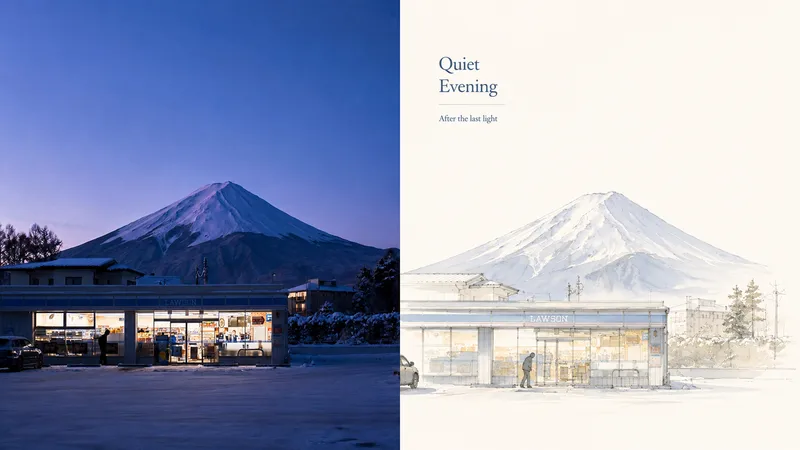
Ideal for organizing personal photography, independent publishing, exhibition studies, and lifestyle visual projects. Even when the original photo has an ordinary composition, a cluttered background, or a small subject, its focus can be re-established through reduction, reorganization, cropping, and changes in scale, rather than simply applying a filter. The lower section extracts only the most recognizable subjects, outlines, structures, poses, and narrative relationships from the photo, reconstructing them as a typographic illustration in which “text is image.” Do not copy the photo in full or retain every object. Instead, remove most of the background and unrelated details, using text as points, lines, planes, and grain. Through repetition, scaling, rotation, variations in density, path-based arrangement, and localized layering, reshape the subject’s outline, mass, direction, and defining features so that its correspondence with the photo above is immediately recognizable.
Recommended by
Shuting@YouMind
Why we love this skill
Transforms photos into typographic visual poems with precise composition, material, and type relationships for artful, polished delivery.
Showcase
1 / 4
Best for
Ideal for organizing photography, independent publishing, exhibition studies, and lifestyle visual projects.
How to use this Skill
Provide your input
Provide a photo or image and, if applicable, specify the desired layout, text content, language, and dimensions.
Run the Skill
Extract the most recognizable features from the photo, rebuild them as a visual design made of text, and present it in the selected layout.
Review your result
Generate a PNG visual work for personal projects, publishing, or display, while preserving the contrast between the original image and the design.
Related Skills
View all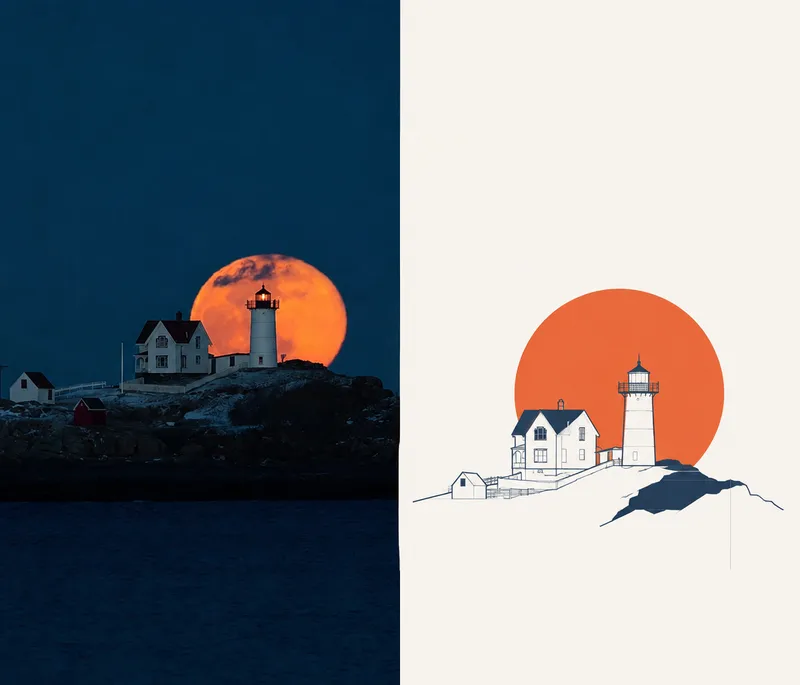 Image
Imagexiaoxiaodong P144 | Geometry
Suitable for personal photo curation, independent publishing, exhibition practice, and lifestyle-oriented visual projects. Even when the original composition is ordinary, the background is cluttered, or the subject is small, you can re-establish the visual focus through reduction, reorganization, cropping, and changes in scale instead of simply applying a filter to the photo. The lower section makes a fresh artistic judgment, extracting only the most recognizable subjects, contours, structures, poses, and narrative relationships from the photo. Do not reproduce the photo in full or retain irrelevant backgrounds and secondary objects. Instead, remove most of the information, leaving only the structural flow and visual memory points that best represent the original subject. Then recreate it with minimalist line art, geometric color blocks, positive/negative-space inversion, and overlapping elements that break the frame. The result should make the connection to the photo above immediately recognizable while clearly avoiding a simple redraw.
 Image
Imagexiaoxiaodong P131 Doodle
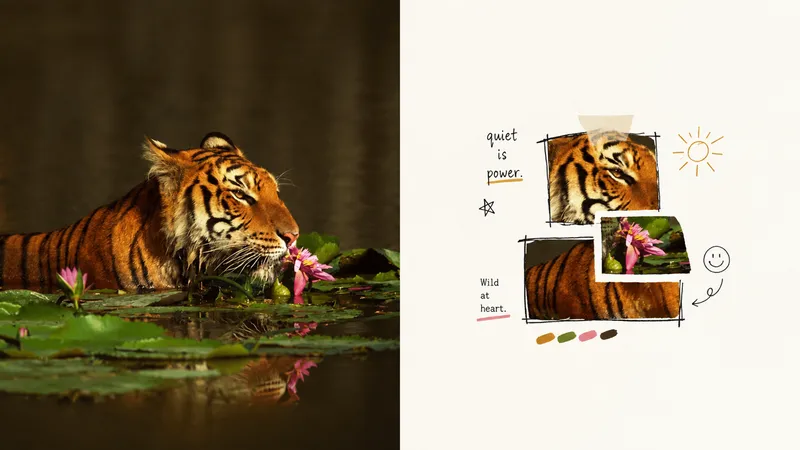
Suitable for personal photo organization, independent publishing, exhibition studies, and lifestyle-focused visual creation. Even when the original composition is ordinary, the background is cluttered, or the subject is small, you can reestablish visual focus through reduction, rearrangement, cropping, and changes in scale—instead of simply applying a filter to the photo. The lower section extracts only the most recognizable subjects, contours, structures, poses, and narrative relationships from the photo, reconstructing them as a hand-drawn doodle-style photo collage / Hand-drawn Doodle Photo Collage. Do not copy the photo in full or retain every object and background detail. Remove irrelevant elements and select only a few photo fragments that best represent the original subject and visual memory points. Reexpress them through cropping, scaling, rearrangement, and negative space, so viewers can immediately recognize their correspondence with the photo above.
 Image
Imagexiaoxiaodong P155 | 1-Point
For organizing personal photography, independent publishing, exhibition practice, and lifestyle visual creation. Even when the original image has an ordinary composition, a cluttered background, or a small subject, its focus can be re-established through subtraction, reorganization, cropping, and changes in scale—not by simply applying a filter. In the lower section, extract only the most recognizable subject, outline, structure, pose, and narrative relationships from the photo, and reconstruct them as a one-point-perspective interior design sketch / softly colored architectural interior rendering. Do not copy the photo in full or retain every object. Remove irrelevant details and keep only the structures, directional flow, and visual memory cues that best represent the original, then summarize and reinterpret them so the relationship to the photo above is immediately recognizable.