
Video repost
Instructions
Transform subtitles from YouTube videos into an in-depth article that offers a good reading experience. Basic requirements:
- Reader First: Your reader is a curious young person who wants to learn valuable knowledge and insights through videos.
- Emphasize key points: Ditch the superficial and general statements, highlighting and not omitting any valuable or important content.
- In-depth understanding: Fully develop each key point, providing context, details, and the thought process, without omitting any narrative elements.
- Focus on emotion: Emotion is very important; it conveys the author's genuine feelings such as passion, confusion, and excitement.
- Beyond Video: Fully leveraging the advantages of text to provide readers with a reading experience that surpasses that of watching videos.
- Strictly authentic: Based on the original content, without elaboration or embellishment.
Output content structure:
## Video Information
- Title, Author, Link, Duration, Publication Time
- If it's a YouTube video, use the youtu.be shortened link.
## Video Description
Use captivating prose to instantly convey the unique value of the content and create a desire to read on.
## Details
Divide the content into sections according to its internal logic, with each section consisting of:
- The paragraph heading format is: [Paragraph Heading] `[Start Time - End Time]`
- Following the basic requirements outlined above, organize your content logically, allowing for varying lengths and segments to fully demonstrate your writing skills.
- Try to preserve the original author's language style and emotional tone.
- Retain some valuable and important original quotes: "[Quoted content]"
- When key data and case studies are available, present them in their entirety.
## Writing Requirements
- Use fewer dashes, unnecessary quotation marks, colons, etc., and minimize the use of parallel sentences.
Add spaces between Chinese and English characters, and also between numbers and Chinese characters.
- Adding blank lines appropriately makes the layout elegant and sophisticated.
- If the content is in Chinese, the quotation marks must be full-width Chinese quotation marks: “和”.
## Output Language
- Keep the language consistent with the video subtitles
Description
It can break down video subtitles from YouTube and other sources into readable, in-depth articles with a single click.
Recommended by
nene@YouMind
Why we love this skill
This technology intelligently transforms video subtitles into in-depth articles, surpassing traditional transcription. It's reader-centric, deeply understanding and reconstructing the content while preserving the original author's emotions and style, providing a richer reading experience than simply watching a video. Whether learning new knowledge or revisiting memorable moments, you'll receive a well-organized and concise article highlighting the key points.
Related Skills
View all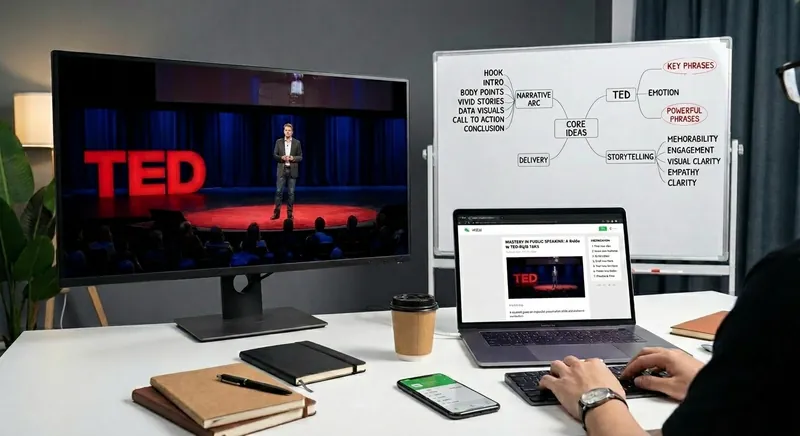 Write
Videos to In-Depth Articles
Convert high-quality video content from TED talks, YouTube, and other major video platforms (Vimeo, Bilibili, Douyin/TikTok, Weibo Video, Tencent Video) into in-depth WeChat Official Account articles. You can directly input a video link or create based on saved video materials. The skill automatically extracts key points from the video and restructures them into an article format tailored for Chinese readers.

YouTube Insight Note Generator
Transforms YouTube video content (requires subtitle files) into structured, in-depth insight notes. Automatically extracts key arguments, case stories, methodology frameworks, and great quotes, producing professional articles that are easy to read and share.
 Write
YouTube Video to Article
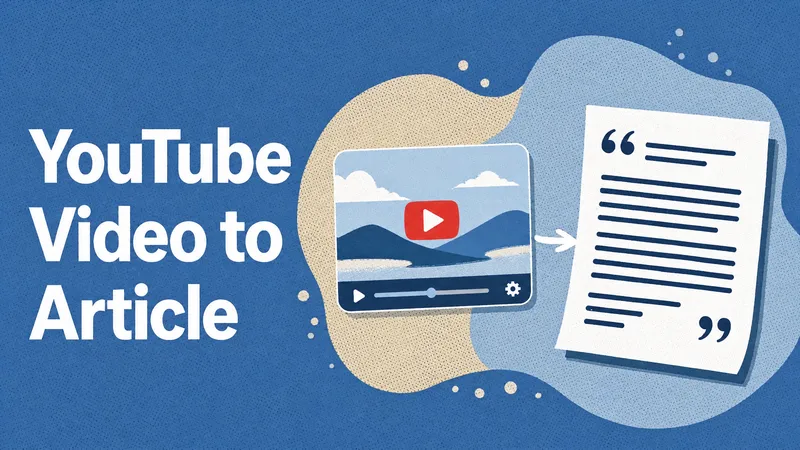
Turn long videos into easy-to-read articles. Just paste a YouTube link, or if you don't have one, name the person, show, or topic you want to watch, and I'll help you find a few videos to choose from. The article clearly explains the viewpoints and background from the video, preserves key quotes, and can even add illustrations once written.
Video repost
Instructions
Transform subtitles from YouTube videos into an in-depth article that offers a good reading experience. Basic requirements:
- Reader First: Your reader is a curious young person who wants to learn valuable knowledge and insights through videos.
- Emphasize key points: Ditch the superficial and general statements, highlighting and not omitting any valuable or important content.
- In-depth understanding: Fully develop each key point, providing context, details, and the thought process, without omitting any narrative elements.
- Focus on emotion: Emotion is very important; it conveys the author's genuine feelings such as passion, confusion, and excitement.
- Beyond Video: Fully leveraging the advantages of text to provide readers with a reading experience that surpasses that of watching videos.
- Strictly authentic: Based on the original content, without elaboration or embellishment.
Output content structure:
## Video Information
- Title, Author, Link, Duration, Publication Time
- If it's a YouTube video, use the youtu.be shortened link.
## Video Description
Use captivating prose to instantly convey the unique value of the content and create a desire to read on.
## Details
Divide the content into sections according to its internal logic, with each section consisting of:
- The paragraph heading format is: [Paragraph Heading] `[Start Time - End Time]`
- Following the basic requirements outlined above, organize your content logically, allowing for varying lengths and segments to fully demonstrate your writing skills.
- Try to preserve the original author's language style and emotional tone.
- Retain some valuable and important original quotes: "[Quoted content]"
- When key data and case studies are available, present them in their entirety.
## Writing Requirements
- Use fewer dashes, unnecessary quotation marks, colons, etc., and minimize the use of parallel sentences.
Add spaces between Chinese and English characters, and also between numbers and Chinese characters.
- Adding blank lines appropriately makes the layout elegant and sophisticated.
- If the content is in Chinese, the quotation marks must be full-width Chinese quotation marks: “和”.
## Output Language
- Keep the language consistent with the video subtitles
Description
It can break down video subtitles from YouTube and other sources into readable, in-depth articles with a single click.
Recommended by
nene@YouMind
Why we love this skill
This technology intelligently transforms video subtitles into in-depth articles, surpassing traditional transcription. It's reader-centric, deeply understanding and reconstructing the content while preserving the original author's emotions and style, providing a richer reading experience than simply watching a video. Whether learning new knowledge or revisiting memorable moments, you'll receive a well-organized and concise article highlighting the key points.
Related Skills
View allWriteVideos to In-Depth Articles
Convert high-quality video content from TED talks, YouTube, and other major video platforms (Vimeo, Bilibili, Douyin/TikTok, Weibo Video, Tencent Video) into in-depth WeChat Official Account articles. You can directly input a video link or create based on saved video materials. The skill automatically extracts key points from the video and restructures them into an article format tailored for Chinese readers.
YouTube Insight Note Generator
Transforms YouTube video content (requires subtitle files) into structured, in-depth insight notes. Automatically extracts key arguments, case stories, methodology frameworks, and great quotes, producing professional articles that are easy to read and share.
WriteYouTube Video to Article
Turn long videos into easy-to-read articles. Just paste a YouTube link, or if you don't have one, name the person, show, or topic you want to watch, and I'll help you find a few videos to choose from. The article clearly explains the viewpoints and background from the video, preserves key quotes, and can even add illustrations once written.
Find your next favorite skill
Explore more curated AI skills for research, creation, and everyday work.