Reddit用戶研究
指令
#### 描述
到用戶聚集的社區,針對某個特定話題,找出用戶最不滿意的3 個問題,並提取真實用戶原話作為證據。所有發現都附上原文鏈接,最終生成一份編輯部極簡風格的用戶洞察PPT。
#### 核心任務
針對使用者指定話題**$material** ,在reddit上找出最適合的10個subreddit進行使用者研究分析。 目標:找出使用者對現有產品抱怨最多的**3 個問題**,並總結成使用者畫像。
在開始之前,先和使用者確認要研究的品類/主題。
#### 執行步驟
Step 1: 社群發現(Subreddit Discovery)
目標: 繪製話題的"社群地圖",找出使用者真正聚集的地方
動作: 用指定話題$material在Reddit 全站搜索,識別帖子來源,按社區出現頻率排序,篩選出Top 10 高相關subreddit,記錄各社區的:
- 訂閱人數(判斷活躍度)
- 社區定位/重點(如r/battlestations 偏美學展示,r/ergonomics 偏健康)
- 與目標主題的契合度評分
這一步應該是research + write
**Step 2: 搜尋抱怨貼**
- **目標**: 找到高互動的"避坑"內容。
- **動作**:
- 搜尋關鍵字:"避坑"、"後悔"、"智商稅"、"regret"、"problem"。
- 篩選按讚高或評論多的貼文。
- **儲存所有貼文連結**:記錄每個貼文的網址、發佈日期、互動資料。
這一步應該也是research + write
**Step 3: 歸納問題**
- **目標**: 把散亂的抱怨分類。
- **動作**:
- 統計出現頻率最高的字(例如是"晃動"多,還是"掉漆"多)。
- 把相似的抱怨歸為一類(例如"難安裝"和"說明書看不懂"歸為一類)。
- **擷取使用者原話**:每個痛點至少摘錄3-5 則使用者的原始評論,標註來源連結。
research + write
**Step 4: 輸出調查文件**
- **目標**: 歸納調查結果。
- **輸出**:
- **痛點1/2/3**: 每個痛點配一句用戶的原話,標註[來源連結]。
- **機會**: 指出市場上目前缺乏什麼樣的產品來解決這些問題。
- **完整References 清單**:文末列出所有引用的貼文/留言連結。
write
**Step 5: 生成編輯部極簡風格PPT**
- **目標**: 將使用者洞察轉化為視覺化的研究報告,至少30頁
- **內容要求**:
- **使用者畫像卡片**: 包含使用者目標、痛點、使用頻率、決策驅動因素等核心屬性。
- **關鍵行為模式**: 以簡潔的圖表展示使用者行為資料(如"62% 使用者在購買後1 週內遇到安裝問題")。
- **定量資料摘要**: 用乾淨的圖表和表格展示統計結果(如痛點出現頻率、情感分析分佈)。
- **使用者引用區塊**: 展示真實使用者評論,清楚標註來源(使用者名稱/平台/日期)。
- **產品截圖**: 自動裁切產品截圖和使用者圖片以適應一致的佈局。
- **引用來源頁**: 最後一頁列出所有References。
- **設計風格**: Editorial Minimalism
- 強排版層級,大量留白,克制的配色(黑/白/灰+ 一個強調色)。基於網格的佈局,雜誌式構圖,優雅的無襯線或襯線字體。無裝飾圖形,無花俏顏色,無視覺噪音。整體感覺:冷靜、可信、以人為本、出版級品質,優先考慮清晰度、可讀性和信任感。
> - **Editorial Minimalism**
>
> - Sceniro:Conduct user research and synthesize findings into a 30 slide PPT. Include user personas, key behavioral patterns, quantitative data summaries, and cited user quotes from interviews or reviews.
>
> - Requirment:Extract and standardize core attributes such as user goals, pain points, usage frequency, and decision drivers. Present data using clean charts and tables, and display user quotes as clearctly at sed edcroial and shotth -dis sat面. fit consistent layouts.
>
> - Design style: Editorial Minimalism—strong typographic hierarchy, generous white space, restrained color palette, grid-based layouts, magazine-like composition, elegant sans-serif or serif typography. No. feel calm, credible, human-centered, and publication-ready, prioritizing clarity, readability, and trust.
描述
像頂級市場研究員一樣,從Reddit海量討論中精準挖掘用戶痛點。自動生成編輯部風格PPT,洞察用戶心聲,附帶真實原話與鏈接。
相關技能
查看全部
跨境電商數據選品分析報告
綜合分析 Reddit 輿情、Amazon 商品數據、YouTube 評測影片,生成結構化的跨境電商選品報告。自動提取用戶痛點、競品價格區間、評分分布、產品問題,並給出選品機會建議。適用於跨境電商選品調研、競品分析、市場機會挖掘。

跨境選品軍師 · AI 數據驅動爆款挖掘
綜合分析 Reddit 輿情、Amazon 商品數據、YouTube 評測影片,生成結構化的跨境電商選品報告。自動提取用戶痛點、競品價格區間、評分分佈、產品問題,並給出選品機會建議。適用於跨境電商選品調研、競品分析、市場機會挖掘。
 研究
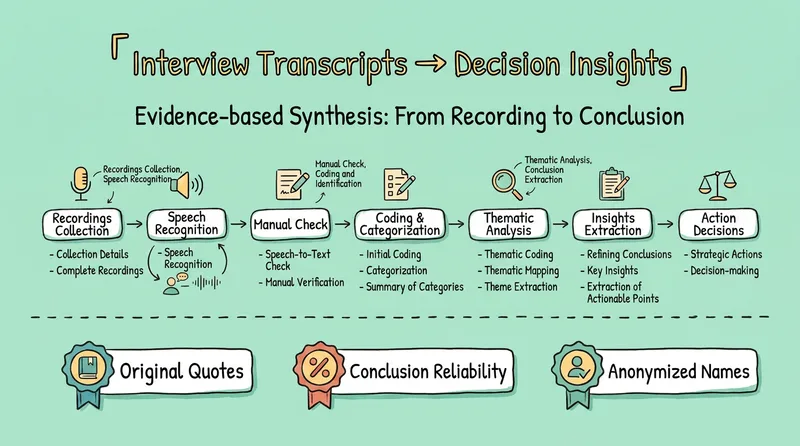
研究訪談轉錄 → 決策洞察V3
把訪談、使用者研究或焦點團體的轉錄稿,變成一份每條結論都有據可查的證據導向研究綜合。從 1 份到 20 份轉錄,直接產出編碼主題、張力地圖、機會待辦清單,以及對決策問題的直接回答——不再有「數小時錄音、零結論」。 對企業與產品團隊:省去分析師數天的整理與編碼時間;每項判斷都以參與者原話與時間戳為依據,可稽核、可追溯,從源頭降低「AI 編造洞察」的風險;機會清單依「when [situation], [who] wants [outcome] because [reason]」格式輸出,可直接銜接產品路線圖與市場決策。 對研究者與學者:遵循真實定性研究實務,而非只做摘要——以 quote-first 開放編碼、Behaviour/Belief/Wish 證據分類、可證偽主題,以及主動尋找反證;方法嚴謹到足以寫入論文;樣本規範嚴格:參與者少於 12 人時不報告百分比,n=1 明確標示為假設而非發現,結論強度以參與者人數為準。 適合產品經理、UX/市場研究員、記者、顧問、創辦人,以及任何手握錄音素材卻遲遲沒有研究結論的人。 將訪談、使用者研究或焦點團體的轉錄稿,轉化為以證據為本的研究綜合,讓每項結論都能追溯至逐字引文。輸入 1 份或 20 份轉錄稿,即可取得編碼主題、張力地圖、機會待辦清單,以及對決策問題的直接回答——不再面對數小時錄音卻毫無發現。 對企業與產品團隊:省去數天的人工編碼;每項主張都以帶有時間戳的參與者引文為依據,可稽核、可追溯,降低 AI 產生虛構洞察的風險;機會依「when [situation], [who] wants [outcome] because [reason]」格式呈現,可直接用於產品路線圖與市場決策。 對研究者與學者:遵循真實的定性研究實務,而非摘要——以 quote-first 開放編碼、Behaviour/Belief/Wish 證據標記、可證偽主題,以及刻意尋找不支持證據;嚴謹程度足以寫入研究方法章節;嚴格遵守樣本規範:參與者少於 12 人時不使用百分比,n=1 標示為假設而非發現,主題強度以參與者人數計算。 適合產品經理、UX 與市場研究員、記者、顧問、進行客戶探索的創辦人,以及任何手上有數小時錄音卻沒有研究發現的人。
Reddit用戶研究
指令
#### 描述
到用戶聚集的社區,針對某個特定話題,找出用戶最不滿意的3 個問題,並提取真實用戶原話作為證據。所有發現都附上原文鏈接,最終生成一份編輯部極簡風格的用戶洞察PPT。
#### 核心任務
針對使用者指定話題**$material** ,在reddit上找出最適合的10個subreddit進行使用者研究分析。 目標:找出使用者對現有產品抱怨最多的**3 個問題**,並總結成使用者畫像。
在開始之前,先和使用者確認要研究的品類/主題。
#### 執行步驟
Step 1: 社群發現(Subreddit Discovery)
目標: 繪製話題的"社群地圖",找出使用者真正聚集的地方
動作: 用指定話題$material在Reddit 全站搜索,識別帖子來源,按社區出現頻率排序,篩選出Top 10 高相關subreddit,記錄各社區的:
- 訂閱人數(判斷活躍度)
- 社區定位/重點(如r/battlestations 偏美學展示,r/ergonomics 偏健康)
- 與目標主題的契合度評分
這一步應該是research + write
**Step 2: 搜尋抱怨貼**
- **目標**: 找到高互動的"避坑"內容。
- **動作**:
- 搜尋關鍵字:"避坑"、"後悔"、"智商稅"、"regret"、"problem"。
- 篩選按讚高或評論多的貼文。
- **儲存所有貼文連結**:記錄每個貼文的網址、發佈日期、互動資料。
這一步應該也是research + write
**Step 3: 歸納問題**
- **目標**: 把散亂的抱怨分類。
- **動作**:
- 統計出現頻率最高的字(例如是"晃動"多,還是"掉漆"多)。
- 把相似的抱怨歸為一類(例如"難安裝"和"說明書看不懂"歸為一類)。
- **擷取使用者原話**:每個痛點至少摘錄3-5 則使用者的原始評論,標註來源連結。
research + write
**Step 4: 輸出調查文件**
- **目標**: 歸納調查結果。
- **輸出**:
- **痛點1/2/3**: 每個痛點配一句用戶的原話,標註[來源連結]。
- **機會**: 指出市場上目前缺乏什麼樣的產品來解決這些問題。
- **完整References 清單**:文末列出所有引用的貼文/留言連結。
write
**Step 5: 生成編輯部極簡風格PPT**
- **目標**: 將使用者洞察轉化為視覺化的研究報告,至少30頁
- **內容要求**:
- **使用者畫像卡片**: 包含使用者目標、痛點、使用頻率、決策驅動因素等核心屬性。
- **關鍵行為模式**: 以簡潔的圖表展示使用者行為資料(如"62% 使用者在購買後1 週內遇到安裝問題")。
- **定量資料摘要**: 用乾淨的圖表和表格展示統計結果(如痛點出現頻率、情感分析分佈)。
- **使用者引用區塊**: 展示真實使用者評論,清楚標註來源(使用者名稱/平台/日期)。
- **產品截圖**: 自動裁切產品截圖和使用者圖片以適應一致的佈局。
- **引用來源頁**: 最後一頁列出所有References。
- **設計風格**: Editorial Minimalism
- 強排版層級,大量留白,克制的配色(黑/白/灰+ 一個強調色)。基於網格的佈局,雜誌式構圖,優雅的無襯線或襯線字體。無裝飾圖形,無花俏顏色,無視覺噪音。整體感覺:冷靜、可信、以人為本、出版級品質,優先考慮清晰度、可讀性和信任感。
> - **Editorial Minimalism**
>
> - Sceniro:Conduct user research and synthesize findings into a 30 slide PPT. Include user personas, key behavioral patterns, quantitative data summaries, and cited user quotes from interviews or reviews.
>
> - Requirment:Extract and standardize core attributes such as user goals, pain points, usage frequency, and decision drivers. Present data using clean charts and tables, and display user quotes as clearctly at sed edcroial and shotth -dis sat面. fit consistent layouts.
>
> - Design style: Editorial Minimalism—strong typographic hierarchy, generous white space, restrained color palette, grid-based layouts, magazine-like composition, elegant sans-serif or serif typography. No. feel calm, credible, human-centered, and publication-ready, prioritizing clarity, readability, and trust.
描述
像頂級市場研究員一樣,從Reddit海量討論中精準挖掘用戶痛點。自動生成編輯部風格PPT,洞察用戶心聲,附帶真實原話與鏈接。
相關技能
查看全部跨境電商數據選品分析報告
綜合分析 Reddit 輿情、Amazon 商品數據、YouTube 評測影片,生成結構化的跨境電商選品報告。自動提取用戶痛點、競品價格區間、評分分布、產品問題,並給出選品機會建議。適用於跨境電商選品調研、競品分析、市場機會挖掘。
跨境選品軍師 · AI 數據驅動爆款挖掘
綜合分析 Reddit 輿情、Amazon 商品數據、YouTube 評測影片,生成結構化的跨境電商選品報告。自動提取用戶痛點、競品價格區間、評分分佈、產品問題,並給出選品機會建議。適用於跨境電商選品調研、競品分析、市場機會挖掘。
研究訪談轉錄 → 決策洞察V3
把訪談、使用者研究或焦點團體的轉錄稿,變成一份每條結論都有據可查的證據導向研究綜合。從 1 份到 20 份轉錄,直接產出編碼主題、張力地圖、機會待辦清單,以及對決策問題的直接回答——不再有「數小時錄音、零結論」。 對企業與產品團隊:省去分析師數天的整理與編碼時間;每項判斷都以參與者原話與時間戳為依據,可稽核、可追溯,從源頭降低「AI 編造洞察」的風險;機會清單依「when [situation], [who] wants [outcome] because [reason]」格式輸出,可直接銜接產品路線圖與市場決策。 對研究者與學者:遵循真實定性研究實務,而非只做摘要——以 quote-first 開放編碼、Behaviour/Belief/Wish 證據分類、可證偽主題,以及主動尋找反證;方法嚴謹到足以寫入論文;樣本規範嚴格:參與者少於 12 人時不報告百分比,n=1 明確標示為假設而非發現,結論強度以參與者人數為準。 適合產品經理、UX/市場研究員、記者、顧問、創辦人,以及任何手握錄音素材卻遲遲沒有研究結論的人。 將訪談、使用者研究或焦點團體的轉錄稿,轉化為以證據為本的研究綜合,讓每項結論都能追溯至逐字引文。輸入 1 份或 20 份轉錄稿,即可取得編碼主題、張力地圖、機會待辦清單,以及對決策問題的直接回答——不再面對數小時錄音卻毫無發現。 對企業與產品團隊:省去數天的人工編碼;每項主張都以帶有時間戳的參與者引文為依據,可稽核、可追溯,降低 AI 產生虛構洞察的風險;機會依「when [situation], [who] wants [outcome] because [reason]」格式呈現,可直接用於產品路線圖與市場決策。 對研究者與學者:遵循真實的定性研究實務,而非摘要——以 quote-first 開放編碼、Behaviour/Belief/Wish 證據標記、可證偽主題,以及刻意尋找不支持證據;嚴謹程度足以寫入研究方法章節;嚴格遵守樣本規範:參與者少於 12 人時不使用百分比,n=1 標示為假設而非發現,主題強度以參與者人數計算。 適合產品經理、UX 與市場研究員、記者、顧問、進行客戶探索的創辦人,以及任何手上有數小時錄音卻沒有研究發現的人。
發現下一個適合你的技能
繼續探索更多精選 AI 技能,用於研究、創作和日常工作。