Carte de citation
Cartes de citation letterpress multilingues.
Carte de citation
Cartes de citation letterpress multilingues.
Aperçu
Description
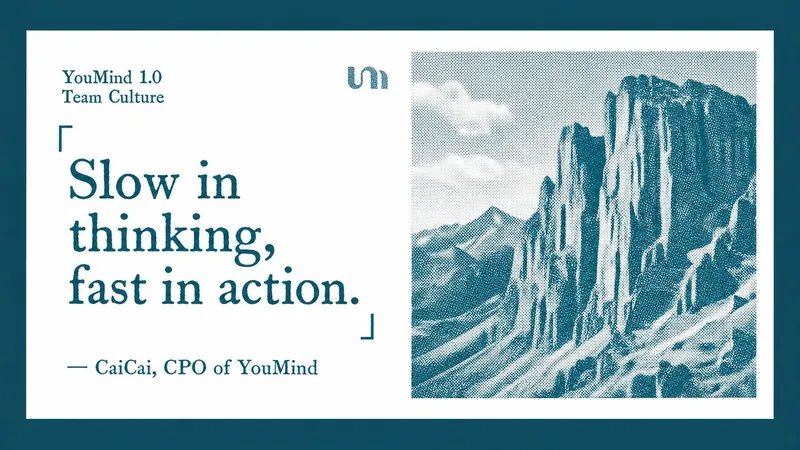
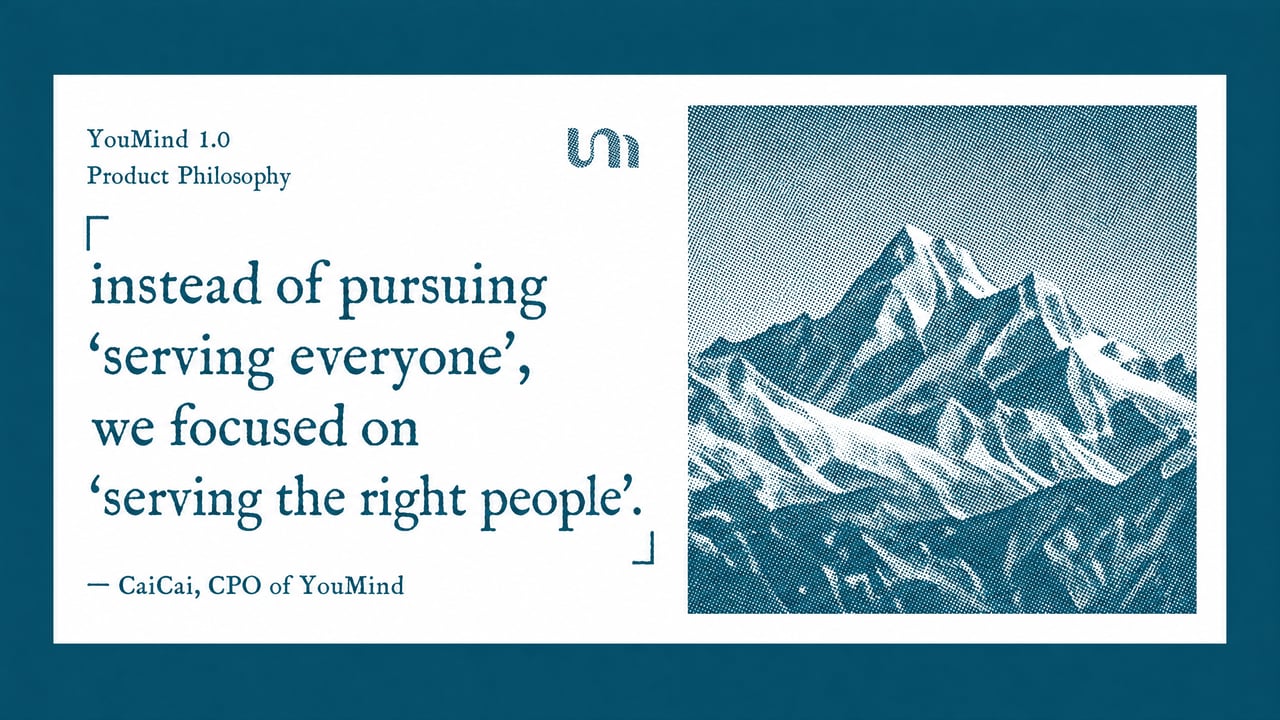
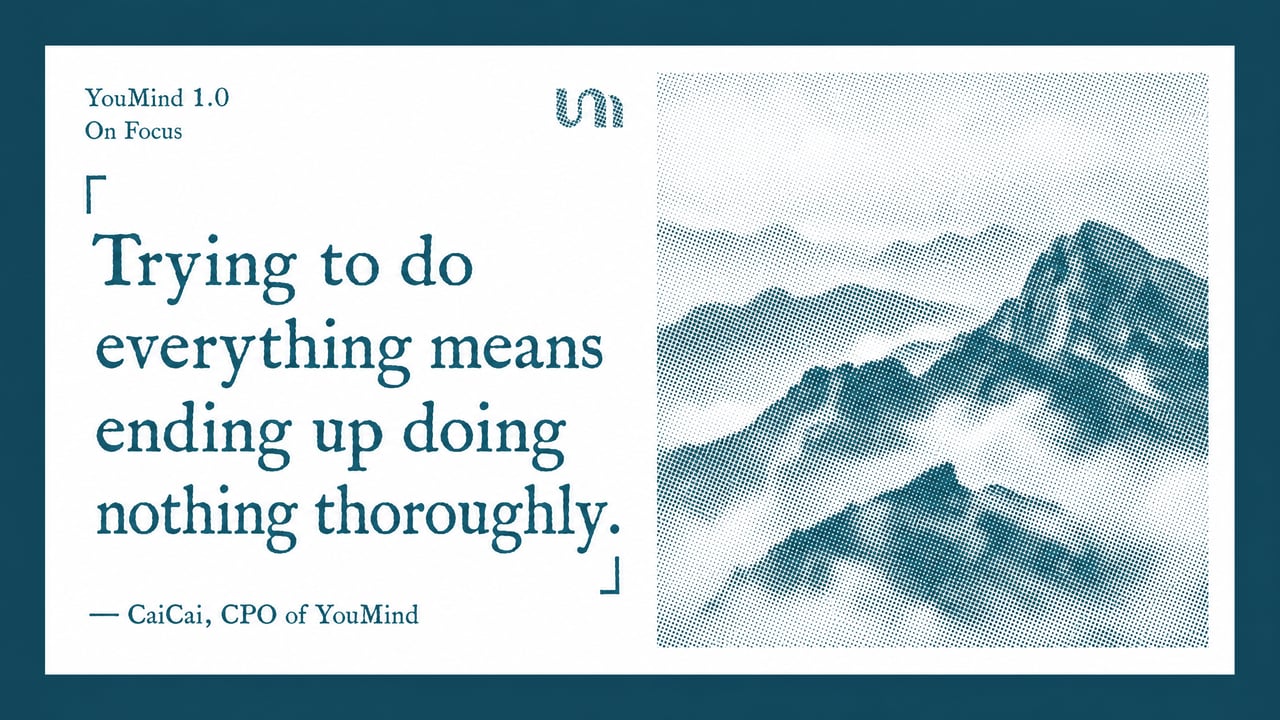
Transformez vos citations préférées et vos passages inspirants en magnifiques cartes de style letterpress. Cette compétence se spécialise dans l'extraction de « citations d'or » à partir de tout texte d'article, URL de page web ou document que vous fournissez, puis génère une série de cartes de citation élégantes et horizontales avec une esthétique d'impression vintage. Chaque carte présente un fond blanc pur, mettant en valeur votre citation choisie à gauche, rendue avec de authentiques imperfections letterpress comme des manques d'encre et des traits irréguliers. À droite, une photo de paysage en demi-teintes distincte — allant de crêtes montagneuses brumeuses à des sommets enneigés — ajoute une touche de sérénité naturelle, le tout teinté dans une couleur d'accent sophistiquée. Que vous organisiez la sagesse d'un long rapport ou que vous souligniez les points clés d'un article en ligne, cet outil garantit que chaque carte conserve un design cohérent et raffiné. Il replace soigneusement chaque carte de citation générée dans son contexte d'origine au sein de votre document ou d'un article nouvellement créé, ce qui facilite le partage ou la redécouverte d'idées profondes avec un attrait visuel intemporel.
Recommandé par
Shuting@YouMind
Pourquoi nous recommandons cette compétence
Transformez vos textes et articles en élégantes cartes de citation letterpress. Son esthétique vintage distincte combine des paysages montagneux en demi-teinte et une typographie multilingue spécialisée pour créer des visuels sophistiqués de qualité imprimée pour vos citations les plus marquantes.
Compétences associées
Tout voir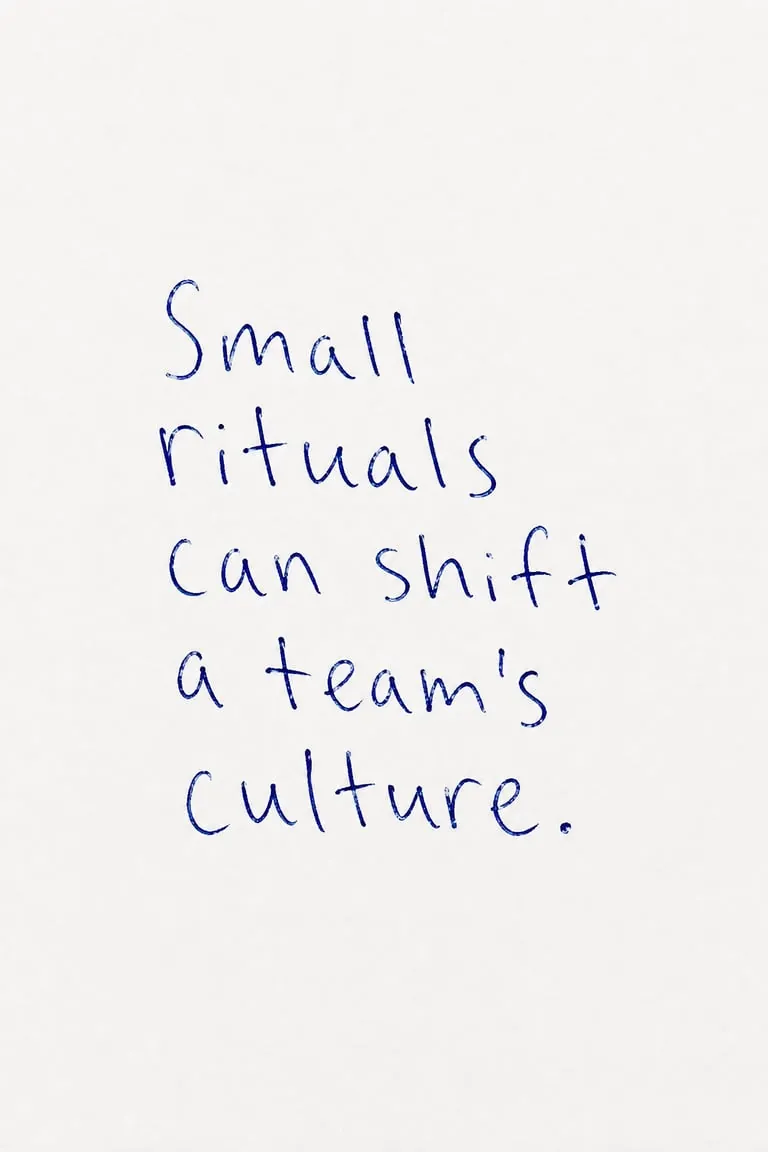
Texte en citation manuscrite
Transformez un texte en une phrase concise et pertinente, puis en une image de citation manuscrite d’aspect naturel. Cette compétence identifie le message essentiel de réflexions personnelles, d’opinions, d’émotions, de faits, d’annonces, d’instructions et d’autres contenus courts, puis le reformule en une phrase brève qui préserve le sens d’origine, sans exagération ni affirmation inventée. Elle peut fonctionner dans la langue source, afin de produire un résultat facile à lire et adapté à une présentation manuscrite. Vous relisez et confirmez la formulation affinée avant toute création d’image. Une fois approuvé, le texte confirmé devient l’unique contenu d’un visuel minimaliste : une écriture au stylo-bille bleu foncé sur du papier blanc ou légèrement chaleureux, avec beaucoup d’espace vide et un style manuscrit détendu, légèrement irrégulier. Des variations naturelles d’alignement, de taille des lettres, de pression, de densité de l’encre, de texture et de petites zones d’encre discontinue donnent au résultat l’apparence d’une véritable écriture plutôt que celle d’une police numérique parfaitement régulière. Utilisez-la pour créer des cartes de citations destinées aux réseaux sociaux, des réflexions personnelles, des idées mémorables, de courtes notes ou des messages mis en avant qui gagnent à adopter une apparence intime et analogique. L’image finale conserve une formulation claire et fidèle, tout en évitant le texte supplémentaire, les éléments décoratifs, l’encombrement et les filigranes.
 Image
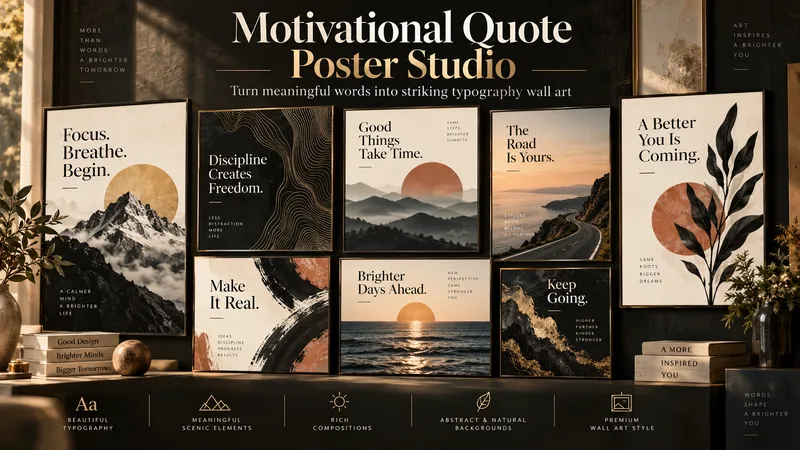
ImageAtelier d’affiches motivantes
Transformez une idée motivante, une citation ou une émotion en une œuvre murale typographique saisissante, conçue pour de véritables espaces intérieurs. L’Atelier d’affiches motivantes associe recherche de citations, typographie, composition, imagerie symbolique et direction artistique pour créer des affiches qui ressemblent à de véritables œuvres murales de boutique de design — et non à de simples visuels de citations pour les réseaux sociaux. Commencez avec votre propre citation ou décrivez simplement un thème comme la concentration, le courage, la croissance, la paix, la discipline, la liberté ou la créativité. Si vous n’avez pas encore trouvé les bons mots, le Skill génère une sélection de citations prêtes pour l’affiche et de combinaisons de plusieurs citations parmi lesquelles choisir. Une fois le message sélectionné, le Skill en analyse le sens et traduit les idées clés en langage visuel. Une citation sur les montagnes peut inspirer des formes de sommets ou des lignes topographiques. Un message sur la mer peut influencer des formes fluides, des horizons ou une imagerie atmosphérique. Des thèmes comme la lumière, la croissance, le mouvement et la liberté peuvent devenir une partie intégrante de la composition. Le Skill développe automatiquement : - La hiérarchie typographique et la composition du texte - Des motifs visuels guidés par le sens - Une direction pour les couleurs et l’arrière-plan - Des mises en page d’affiche artistiques et éditoriales - Des arrière-plans abstraits, illustratifs, paysagers ou hybrides - De riches compositions visuelles pour l’art mural décoratif - Trois directions créatives finales distinctes Les concepts finaux vont du style raffiné et premium aux créations artistiques riches et aux designs audacieux qui s’imposent. Le résultat par défaut est une œuvre d’affiche à plat — et non une mise en scène dans une pièce avec cadre — afin de rester centré sur le design lui-même. Que vous souhaitiez une affiche apaisante pour un bureau, une affiche manifeste spectaculaire, une création artistique pour une chambre ou un concept d’art mural attrayant sur le plan commercial, le Skill transforme les mots en une expérience visuelle complète.
 Image
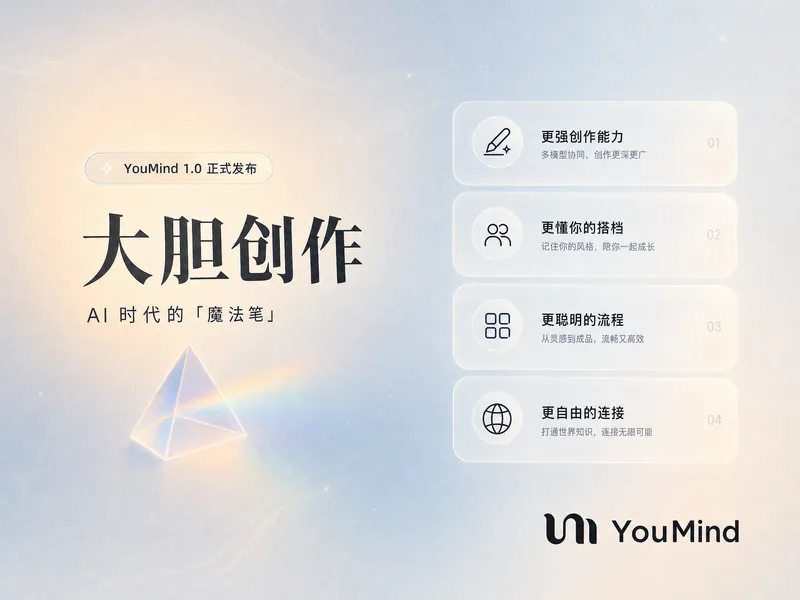
ImagePoster YouMind style landing
Transformez votre contenu en une narrative visuelle époustouflante avec un poster YouMind style landing. Cette compétence crée de magnifiques affiches infographiques qui captent l'attention avec une esthétique unique de rétro-futurisme naturel. Parfaite pour mettre en valeur des données clés, des points forts de projets ou des caractéristiques de produits, vos informations seront présentées dans un format sophistiqué et facile à digérer. En utilisant une palette de couleurs équilibrée entre tons froids et chauds, avec une base bleu-gris clair et des accents subtils de beige-pêche, chaque affiche incarne une sensation d'interface utilisateur moderne. Attendez-vous à une typographie élégante, avec le Source Han Serif autoritaire pour les titres et un texte clair sans-serif pour le corps, garantissant la lisibilité. La disposition utilise une grille Bento dynamique, organisant votre contenu en cartes visuellement attrayantes aux bords adoucis avec un espace généreux, évitant les designs encombrés. Au-delà des visuels frappants, la compétence intègre des éléments de design subtils comme un grain fin de film uniforme, un rendu impressionniste et des icônes en verre dépoli optionnelles pour vos points de données. Un prisme triangulaire translucide peut être ajouté pour un accent élégant, tandis que le logo officiel YouMind est toujours placé discrètement pour maintenir la cohérence de la marque. Il en résulte une infographie professionnelle, aérée et moderne qui communique efficacement votre message.
Informations
- Version
- v30
- Dernière mise à jour
- Crédits par exécution
- Selon l’utilisation
- Modèles
- Automatique