Card per Citazioni
Generate Letterpress quote cards from text. Multilingual.
Card per Citazioni
Generate Letterpress quote cards from text. Multilingual.
Anteprima
Descrizione
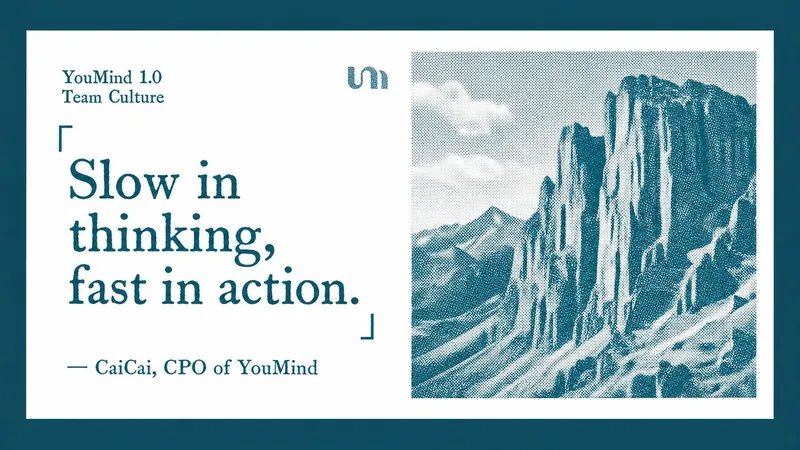
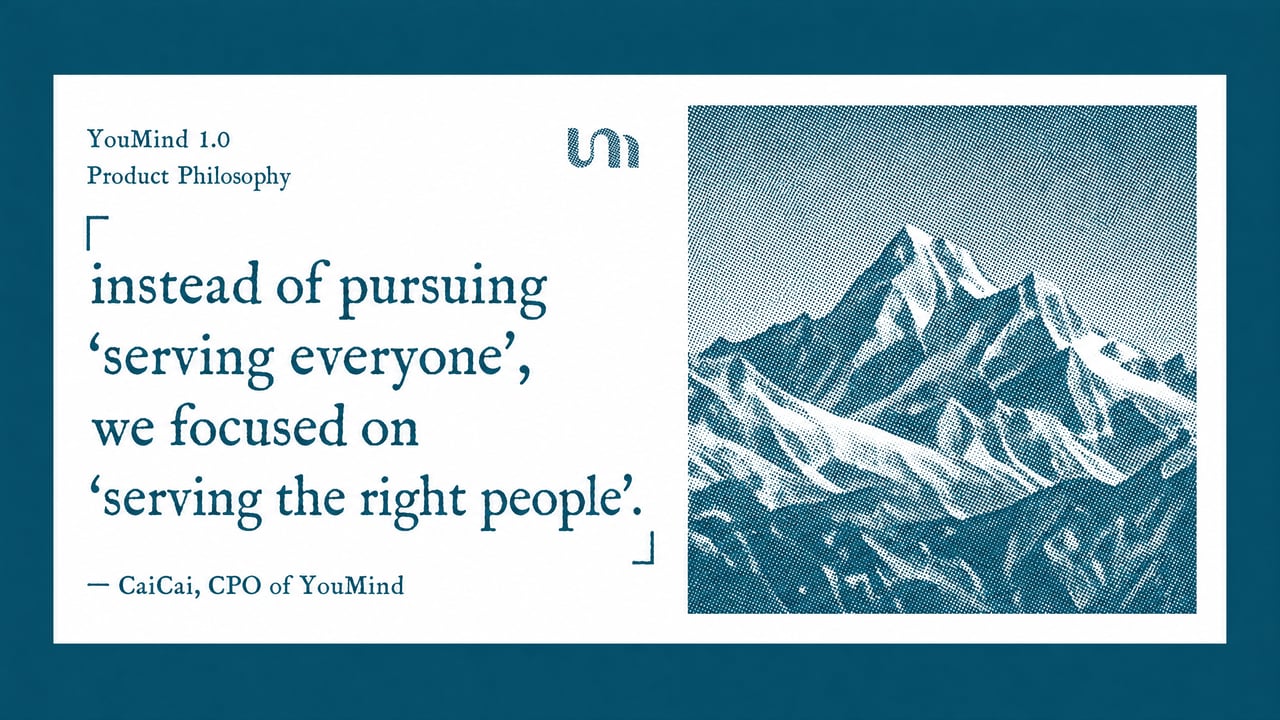
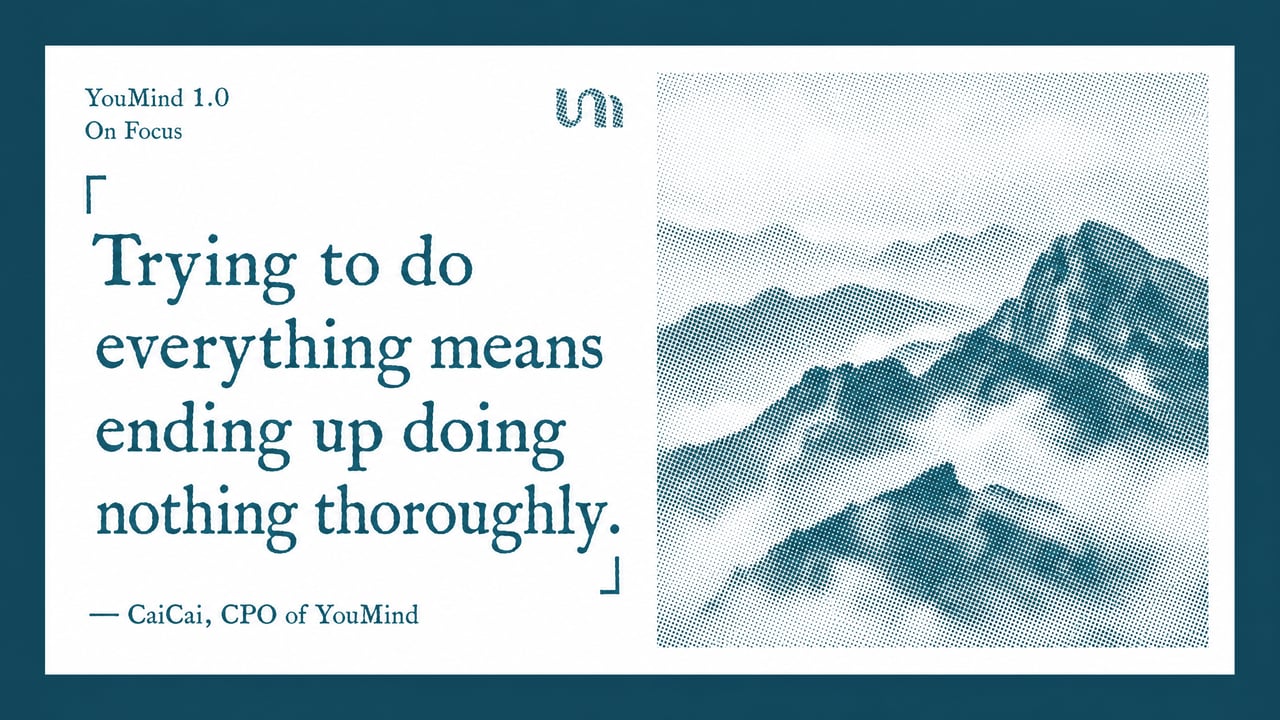
Trasforma le tue citazioni preferite e i passaggi più significativi in splendide card in stile letterpress. Questa skill è specializzata nell'estrarre le "citazioni d'oro" da qualsiasi testo di articolo, URL di pagina web o documento che fornisci, generando poi una serie di eleganti card orizzontali con citazioni dall'estetica tipografica vintage. Ogni card presenta uno sfondo bianco puro, con la citazione scelta a sinistra, resa con autentiche imperfezioni della stampa letterpress come vuoti d'inchiostro e tratti irregolari. Sulla destra, una suggestiva foto di paesaggio a mezzatinta — da creste montuose nebbiose a vette innevate — aggiunge un tocco di serenità naturale, il tutto tinto in un colore d'accento sofisticato. Che tu stia selezionando saggezza da un lungo report o mettendo in evidenza i punti chiave di un articolo online, questo strumento garantisce che ogni card mantenga un design coerente e raffinato. Posiziona con cura ogni card di citazione generata nel suo contesto originale all'interno del documento o in un nuovo articolo, rendendo facile condividere o riscoprire idee profonde con un fascino visivo senza tempo.
Consigliato da
Shuting@YouMind
Perché consigliamo questa abilità
Trasforma testi e articoli in eleganti cartoline con citazioni in stile letterpress. La sua estetica vintage combina paesaggi montani in mezzatinta con tipografia multilingue per creare visual sofisticati e di qualità per le tue idee più incisive.
Abilità correlate
Vedi tutto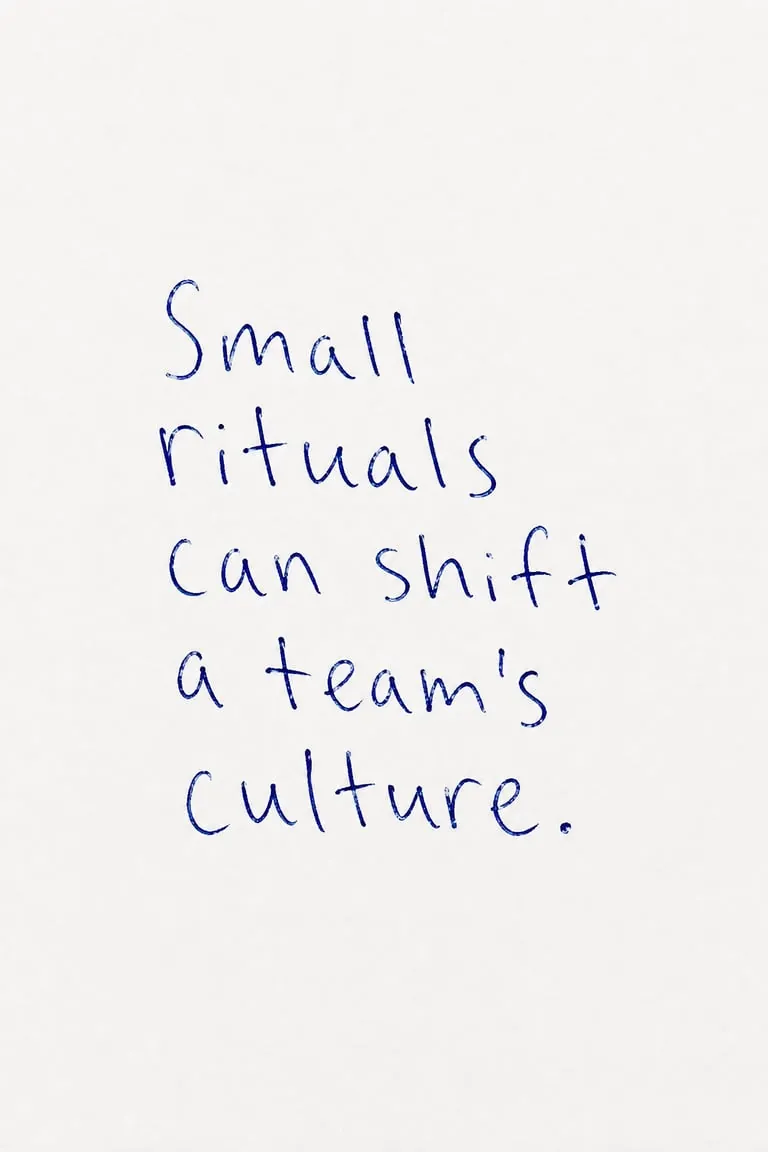
Da testo a immagine scritta a mano
Trasforma un testo in una frase concisa e significativa e in un’immagine naturale di una citazione scritta a mano. Questa Skill individua il messaggio centrale di riflessioni personali, opinioni, emozioni, fatti, annunci, istruzioni e altri contenuti brevi, poi lo rielabora in una frase breve che ne preserva il significato originale, senza esagerazioni né affermazioni inventate. Può lavorare nella lingua originale, rendendo il risultato facile da leggere e adatto a una presentazione scritta a mano. Rivedi e confermi il testo rielaborato prima che venga creata qualsiasi immagine. Dopo l’approvazione, il testo confermato diventa l’unico contenuto di un’immagine minimalista: scrittura con penna a sfera blu scuro su carta bianca pulita o leggermente calda, ampio spazio vuoto e un tratto rilassato, leggermente irregolare, tipico della scrittura a mano. Variazioni naturali nell’allineamento, nelle dimensioni delle lettere, nella pressione, nella densità dell’inchiostro, nella texture e piccole aree di inchiostro interrotto conferiscono al risultato l’aspetto della scrittura reale, anziché di un carattere digitale perfettamente definito. Usala per card con citazioni sui social media, riflessioni personali, messaggi significativi, brevi note o contenuti da mettere in evidenza che traggono vantaggio da un aspetto intimo e analogico. L’immagine finale mantiene il testo chiaro e accurato, evitando testo aggiuntivo, elementi decorativi, disordine o filigrane.
 Immagine
Studio di poster motivazionali
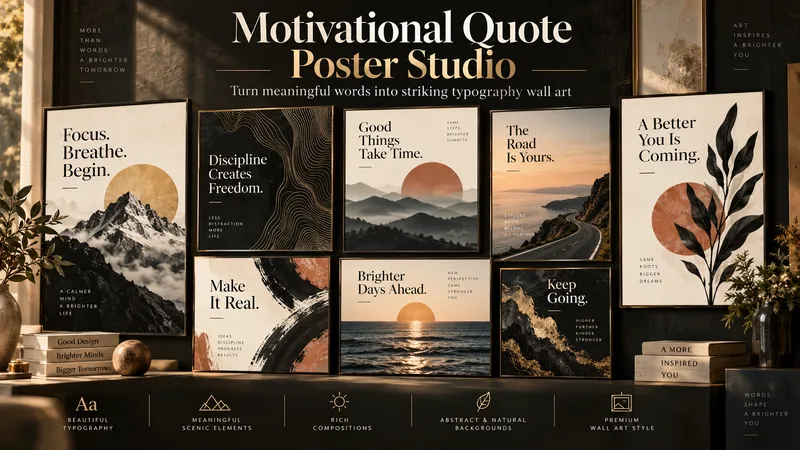
Trasforma un’idea motivazionale, una citazione o un sentimento in una sorprendente opera tipografica da parete, pensata per veri ambienti interni. Lo Studio di poster motivazionali combina ricerca di citazioni, tipografia, composizione, immagini simboliche e direzione artistica per creare poster che sembrano autentiche opere da parete di un negozio di design, non le solite grafiche con citazioni per i social. Inizia con una tua citazione oppure descrivi semplicemente un tema come concentrazione, coraggio, crescita, pace, disciplina, libertà o creatività. Se non hai ancora trovato le parole giuste, la Skill genera per te una raccolta curata di citazioni pronte per i poster e combinazioni di più citazioni tra cui scegliere. Una volta selezionato il messaggio, la Skill ne analizza il significato e traduce le idee chiave in un linguaggio visivo. Una citazione sulle montagne può ispirare forme di vette o linee topografiche. Un messaggio sul mare può influenzare forme fluide, orizzonti o immagini atmosferiche. Temi come luce, crescita, movimento e libertà possono diventare parte integrante della composizione. La Skill sviluppa automaticamente: - Gerarchia tipografica e composizione del testo - Motivi visivi guidati dal significato - Direzione cromatica e dello sfondo - Layout artistici ed editoriali per poster - Sfondi astratti, illustrativi, paesaggistici o ibridi - Composizioni visive ricche per decorazioni da parete - Tre diverse direzioni creative finali I concept finali spaziano da design raffinati e premium a proposte artistiche e ricche, fino a design audaci e d’impatto. L’output predefinito è un’opera grafica per poster piatto, non un mockup in una stanza con cornice, così l’attenzione resta sul design vero e proprio. Che tu voglia una stampa tranquilla per l’ufficio, un poster d’impatto drammatico, un’opera artistica per la camera da letto o un concept di decorazione da parete commercialmente interessante, la Skill trasforma le parole in un’esperienza visiva completa.
 Immagine
Poster landing page YouMind
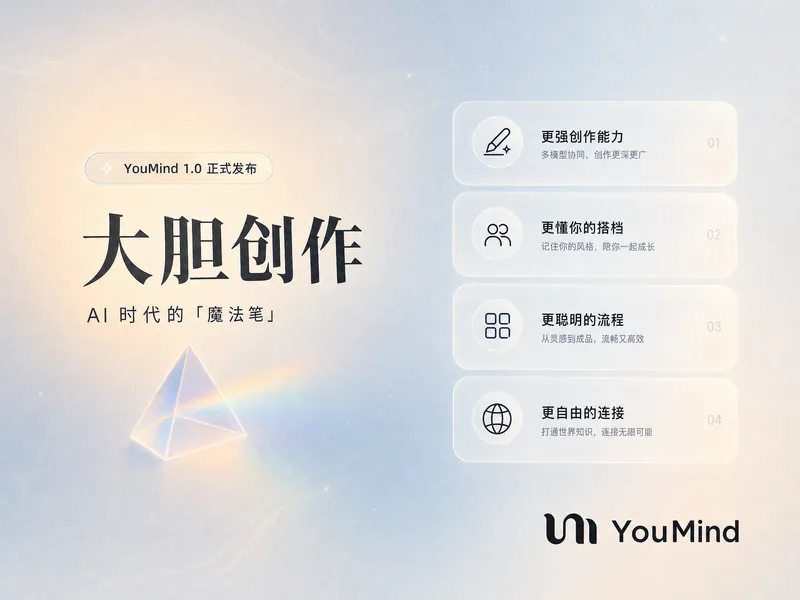
Trasforma i tuoi contenuti in una narrazione visiva sorprendente con un poster in stile landing page YouMind. Questa skill crea bellissimi poster infografici che catturano l'attenzione con un'estetica unica di Retrofuturismo Naturale. Perfetto per mostrare dati chiave, punti salienti di progetti o caratteristiche di prodotti, le tue informazioni saranno presentate in un formato sofisticato e facilmente digeribile. Sfruttando una palette di colori bilanciata tra freddi e caldi, con una base grigio-azzurro chiaro e accenti delicati beige-pesca, ogni poster incarna un'atmosfera UI moderna. Aspettati una tipografia elegante, con l'autorevole Source Han Serif per i titoli e un pulito sans-serif per il corpo del testo, garantendo leggibilità. Il layout utilizza una griglia Bento dinamica, organizzando i tuoi contenuti in card visivamente accattivanti dai bordi morbidi, con ampio spazio di respiro, evitando design affollati. Oltre alle immagini sorprendenti, la skill integra elementi di design sottili come una grana cinematografica uniforme, un rendering impressionistico e icone opzionali in vetro smerigliato per i tuoi dati. Un singolo prisma triangolare traslucido può essere aggiunto come accento elegante, mentre il logo ufficiale YouMind è sempre posizionato discretamente per mantenere la coerenza del marchio. Il risultato è un'infografica professionale, ariosa e moderna che comunica efficacemente il tuo messaggio.
Informazioni
- Versione
- v30
- Ultimo aggiornamento
- Crediti per esecuzione
- In base all’utilizzo
- Modelli
- Automatico