
AI Writing Naturalizer
Description
Remove signs of AI-generated writing. Use it to edit or review text so it sounds more natural and human-written. Based on Wikipedia’s comprehensive guide to “Signs of AI writing.” Detect and fix the following patterns: exaggerated symbolism, promotional language, shallow -ing analysis, vague attribution, overuse of em dashes, the rule of three, AI vocabulary, negative parallelism, and excessive connective phrases.
Related Skills
View all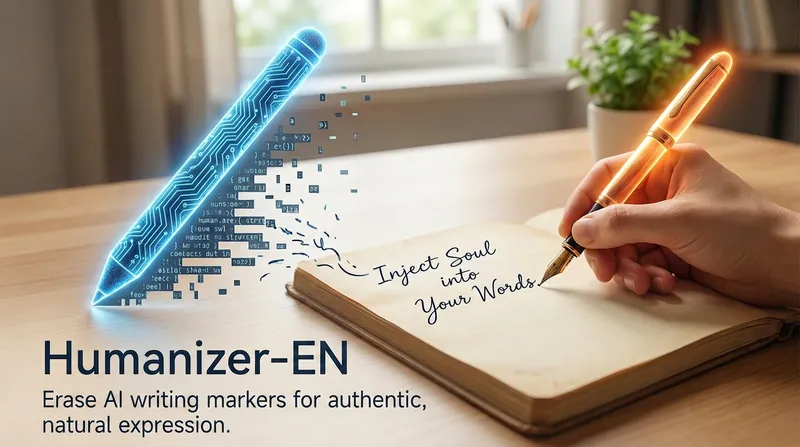 Write
WriteRemove AI Traces
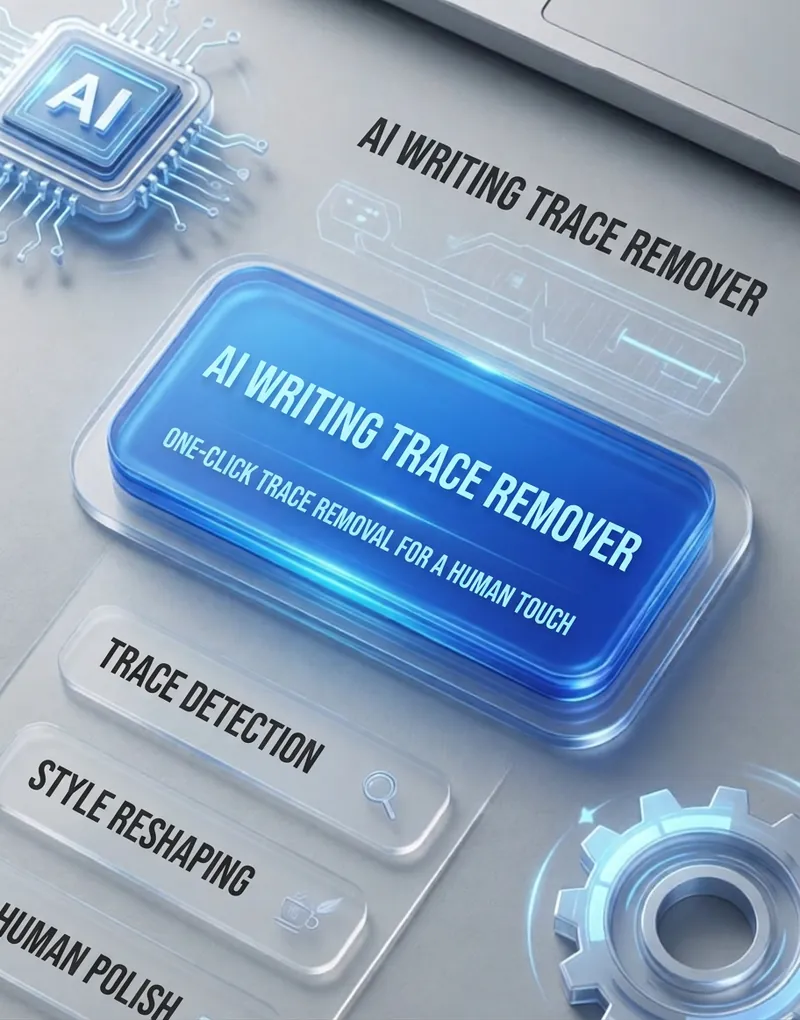
For more high-quality AI efficiency agents, contact Qiao Chuan (WeChat: EVA36814) Removes AI-generated traces from text. Suitable for editing or reviewing text to make it sound more natural and human-written. Based on Wikipedia's "AI Writing Characteristics" comprehensive guide. Detects and fixes patterns: exaggerated symbolism, promotional language, shallow -ing analysis, vague attribution, overuse of dashes, rule of three, AI vocabulary, negative parallelism, excessive connective phrases. New additions include: other signs (structural organization, timeline confusion, contradictory statements), signs of human writing (specific details, imperfect structure, cultural references), historical indicators (outdated indicators), model-specific features (ChatGPT/Claude/DeepSeek/Gemini), and cross-validation suggestions.
 Write
WriteAI Writing Humanizer
Identify and remove traces of AI-generated text. It features recognition of 24 AI writing patterns, text rewriting optimization, quality scoring, and more, making text sound more natural, fluent, and human-like.
 Write
WriteAI Writing Humanizer
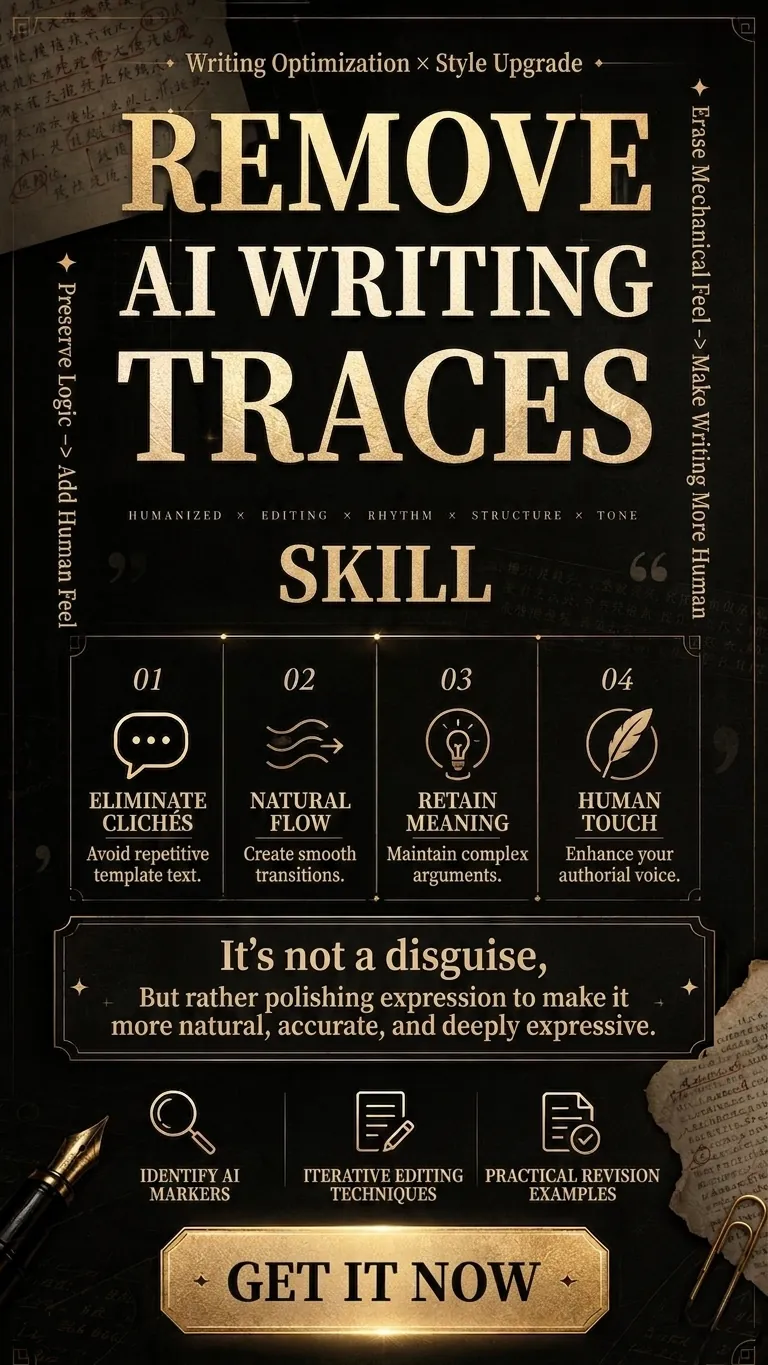
Want to eliminate the common 'industrialized' traces in Chinese AI text, giving your writing genuine human warmth and depth? This skill focuses on removing formulaic expressions in AI writing, injecting lively judgment, natural rhythm, unique emphasis, rich details, and authentic tone. It is especially adept at handling in-depth content such as comments, personal essays, historical analysis, political philosophy, social observations, reading notes, and long-form WeChat articles. By identifying and rewriting rigid aspects—from word choice and sentence structure to overall argumentation—this skill helps you transform grand, universally correct narratives into specific, nuanced insights, giving your writing a smooth and natural flow. Without altering the original meaning, it carefully diagnoses AI traces, such as identifying vague clichés, repetitive sentence patterns, and overly balanced tones. It replaces these mechanical elements with more concrete and insightful expressions, infusing your article with the author's personal thoughts and judgments rather than a cold logical construct. Additionally, for issues that mere polishing cannot solve, it points out where facts, examples, or arguments are needed, ensuring both depth and breadth. The result is a Chinese article that is not only clear in viewpoint but also full of human touch and personalized expression. It retains necessary professionalism while removing exaggerated adjectives and stiff connectors, making the text as natural as breathing—powerful yet warm, and far from being 'correct nonsense'.
AI Writing Naturalizer
Description
Remove signs of AI-generated writing. Use it to edit or review text so it sounds more natural and human-written. Based on Wikipedia’s comprehensive guide to “Signs of AI writing.” Detect and fix the following patterns: exaggerated symbolism, promotional language, shallow -ing analysis, vague attribution, overuse of em dashes, the rule of three, AI vocabulary, negative parallelism, and excessive connective phrases.
Related Skills
View allWriteRemove AI Traces
For more high-quality AI efficiency agents, contact Qiao Chuan (WeChat: EVA36814) Removes AI-generated traces from text. Suitable for editing or reviewing text to make it sound more natural and human-written. Based on Wikipedia's "AI Writing Characteristics" comprehensive guide. Detects and fixes patterns: exaggerated symbolism, promotional language, shallow -ing analysis, vague attribution, overuse of dashes, rule of three, AI vocabulary, negative parallelism, excessive connective phrases. New additions include: other signs (structural organization, timeline confusion, contradictory statements), signs of human writing (specific details, imperfect structure, cultural references), historical indicators (outdated indicators), model-specific features (ChatGPT/Claude/DeepSeek/Gemini), and cross-validation suggestions.
WriteAI Writing Humanizer
Identify and remove traces of AI-generated text. It features recognition of 24 AI writing patterns, text rewriting optimization, quality scoring, and more, making text sound more natural, fluent, and human-like.
WriteAI Writing Humanizer
Want to eliminate the common 'industrialized' traces in Chinese AI text, giving your writing genuine human warmth and depth? This skill focuses on removing formulaic expressions in AI writing, injecting lively judgment, natural rhythm, unique emphasis, rich details, and authentic tone. It is especially adept at handling in-depth content such as comments, personal essays, historical analysis, political philosophy, social observations, reading notes, and long-form WeChat articles. By identifying and rewriting rigid aspects—from word choice and sentence structure to overall argumentation—this skill helps you transform grand, universally correct narratives into specific, nuanced insights, giving your writing a smooth and natural flow. Without altering the original meaning, it carefully diagnoses AI traces, such as identifying vague clichés, repetitive sentence patterns, and overly balanced tones. It replaces these mechanical elements with more concrete and insightful expressions, infusing your article with the author's personal thoughts and judgments rather than a cold logical construct. Additionally, for issues that mere polishing cannot solve, it points out where facts, examples, or arguments are needed, ensuring both depth and breadth. The result is a Chinese article that is not only clear in viewpoint but also full of human touch and personalized expression. It retains necessary professionalism while removing exaggerated adjectives and stiff connectors, making the text as natural as breathing—powerful yet warm, and far from being 'correct nonsense'.
Find your next favorite skill
Explore more curated AI skills for research, creation, and everyday work.